
Choosing an Aesthetic Clinic in Seoul: What Actually Matters (From a Dermatologist)

Why "which aesthetic clinic" is the real question
Hello, I'm Dr. Min Jeong, the founding director of REDI Dermatology in Seoul. If you're reading this, you've probably already decided you want a treatment — a skin booster, a lifting session, some help with pigment or scars. The harder question is where. Seoul has more aesthetic clinics per block than almost anywhere, and to a visitor they can look interchangeable. They aren't. Please read to the end — I want to give you the same honest checklist I'd give a friend flying in from abroad.
Choosing an aesthetic clinic isn't about who has the flashiest device or the longest menu. It's about who diagnoses your skin first, who explains the risks plainly, and who is still reachable after you've flown home.
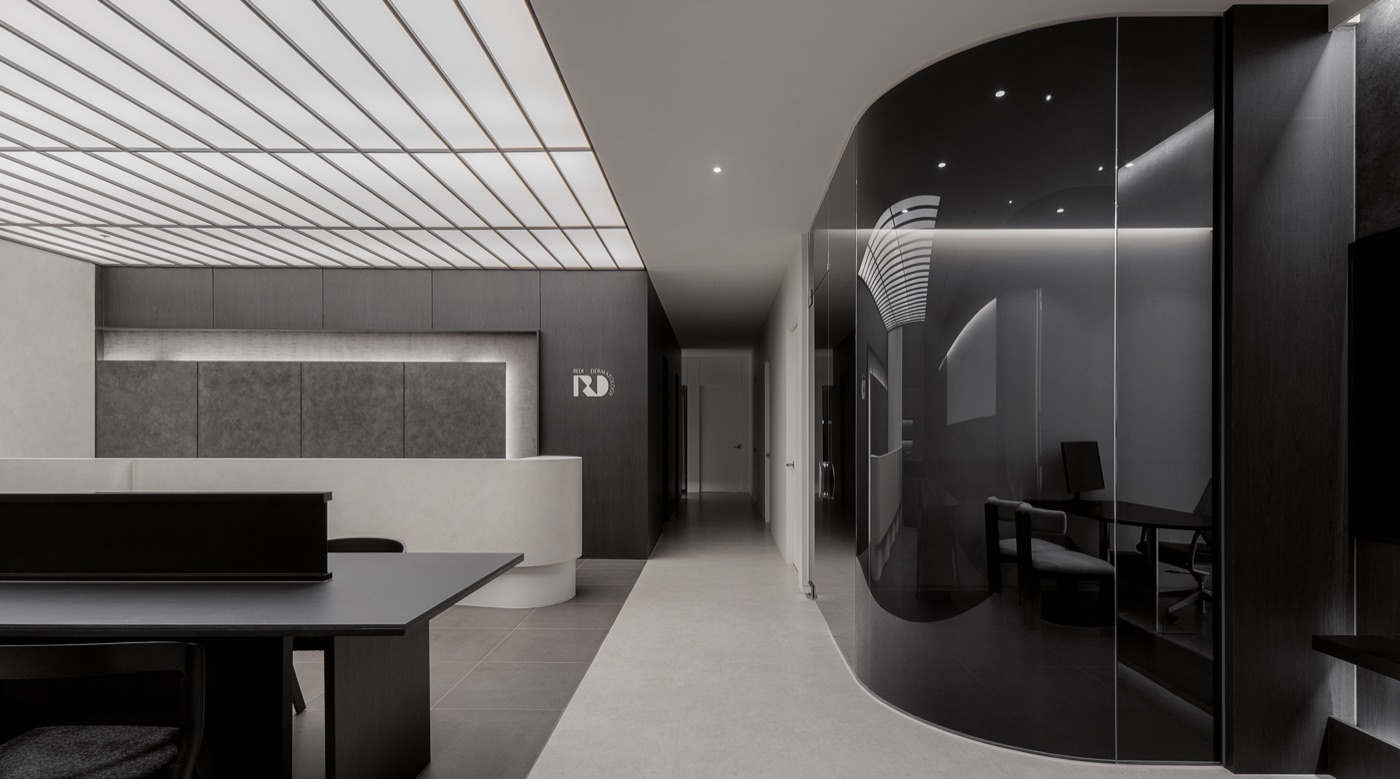
What "non-surgical" means at our aesthetic clinic
First, a distinction that trips up a lot of international patients: an aesthetic clinic is not automatically a plastic surgery clinic. At REDI we are a non-surgical dermatology practice. Our name stands for Reduce Distance — the distance between you and healthy skin, and the distance between your home country and good care.
We treat skin: acne, redness, pigment and melasma, enlarged pores, scars, and non-surgical lifting. We do not perform cosmetic surgery — no nose, eyelid, or facial-contour operations. If a treatment you're researching involves an incision or a scalpel, it's outside what we do, and I'll tell you that honestly rather than talk you into something else.
The thing most people underestimate: technique over device
Here's the point I most want visitors to understand. When you compare aesthetic clinics, you'll see the same device names and the same product names everywhere. But the same product can produce very different results depending on how it's used.
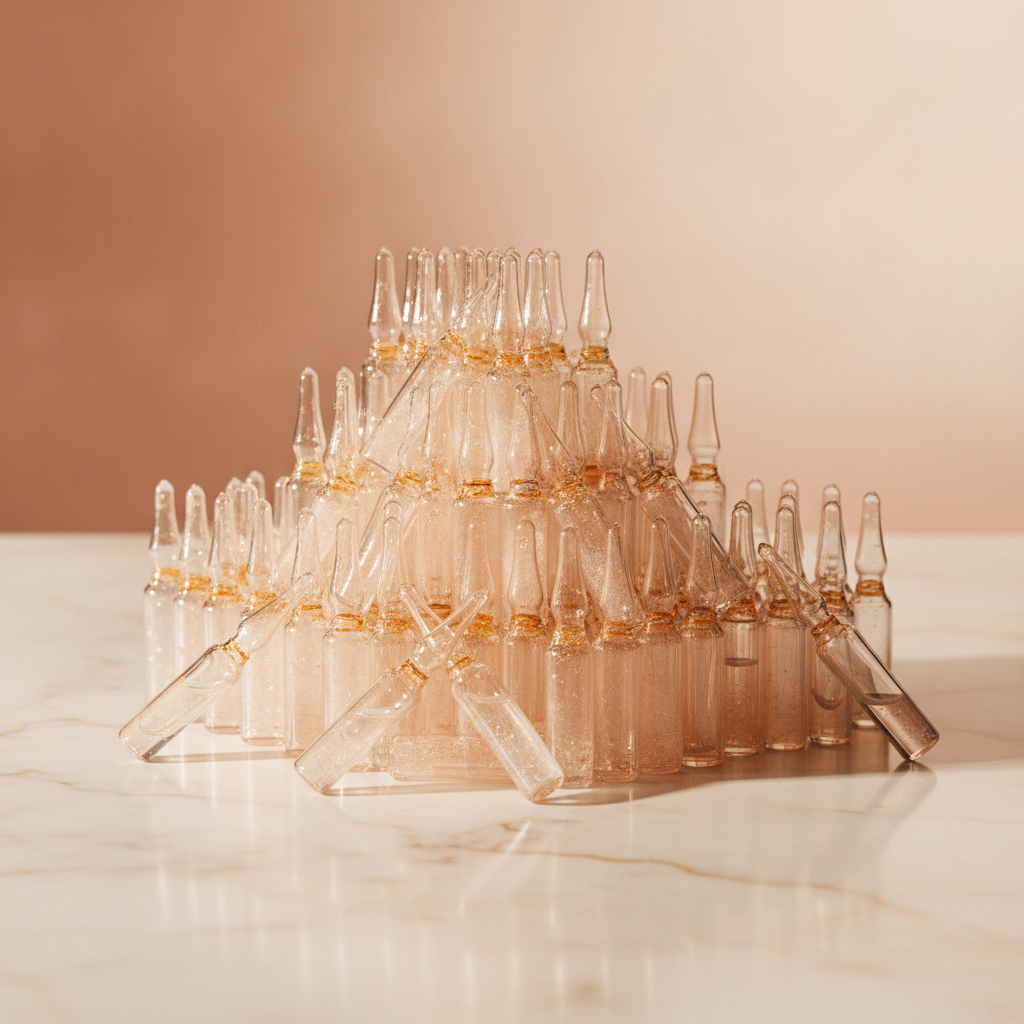
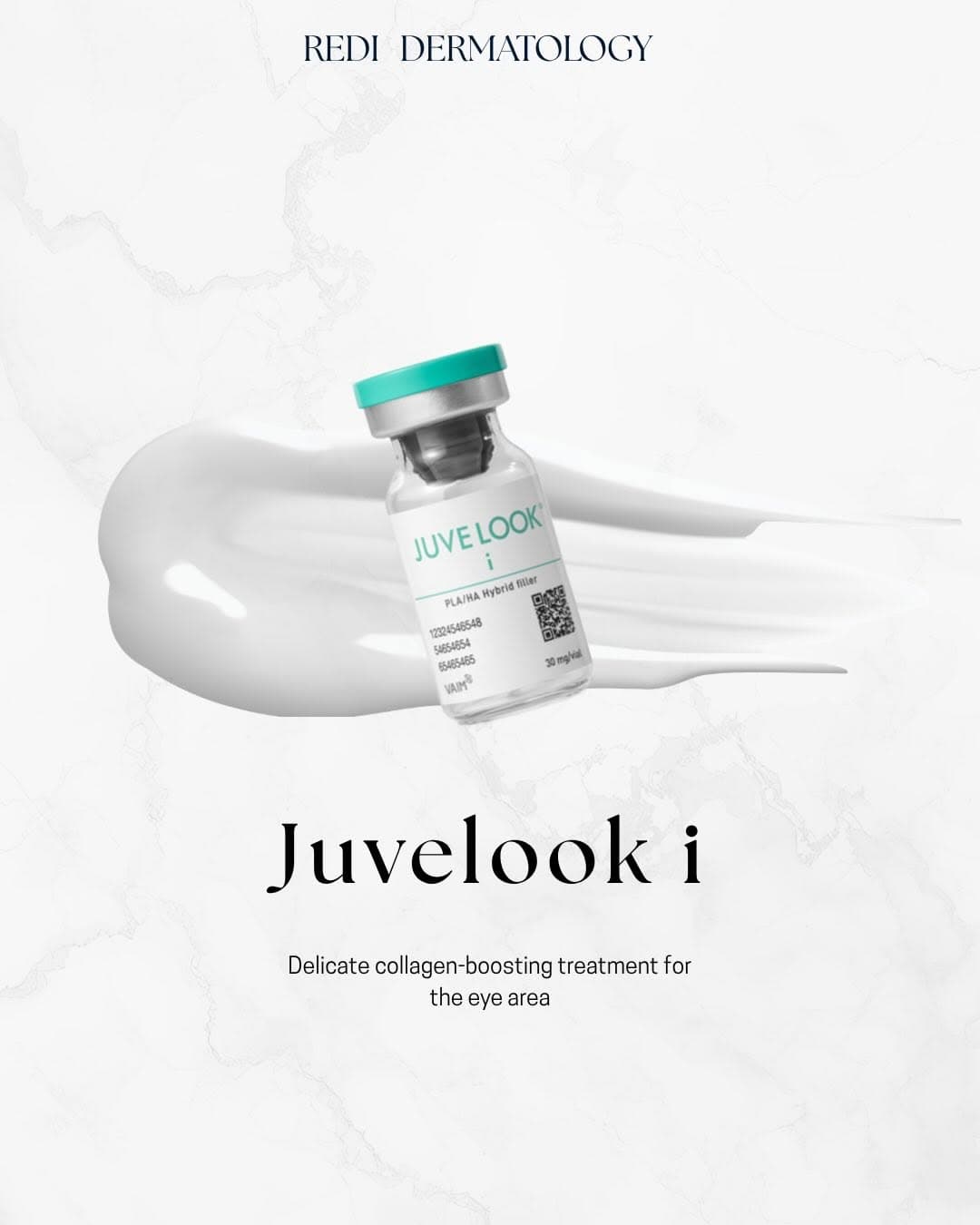
Take Juvelook, a PDLLA collagen booster. It doesn't just add volume like a filler — it stimulates your own collagen so improvements in pores, texture, and firmness develop gradually and look natural. But the outcome depends heavily on the blend, the hydration protocol, and the injection technique, and on matching the right delivery method — Dermashine Pro, Potenza, MIRAJET, Double Tite — to your skin condition.
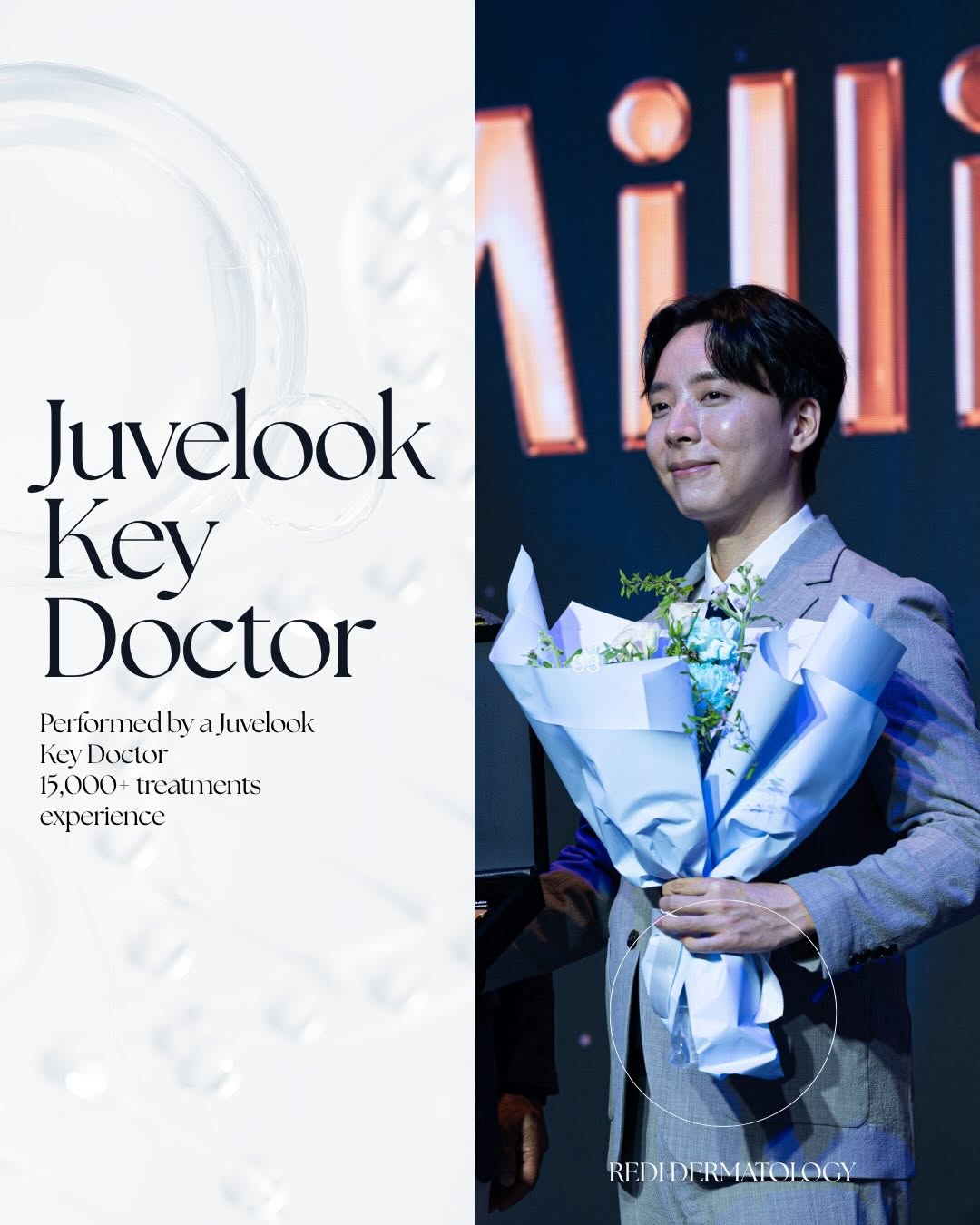
At REDI, our Juvelook protocol was refined by our key doctor, and we've worked with 15,000+ vials. That hands-on volume is exactly why I say device names on a website tell you almost nothing. Ask instead: who is doing the injecting, and how much have they done?
Diagnosis first — always
A good aesthetic clinic diagnoses before it recommends. This matters for safety as much as results. Something that looks like melasma may be a different condition entirely, and treating the wrong thing wastes your time and money — sometimes it makes the problem worse.
This is doubly important for international patients with a range of skin tones. For pigment and laser work, we adjust protocols for darker skin tones (Fitzpatrick IV–VI), because the wrong laser settings on the wrong skin can cause more pigment, not less. When I plan any treatment, I diagnose first and then we decide together. Results vary by individual, and I'd rather set realistic expectations up front than over-promise.
At REDI, I personally handle your consultation and your treatment — the same doctor from start to finish. That continuity is something worth asking any clinic about.
What to check if you're flying in
If you're travelling to Korea specifically for skin care, add these to your checklist:
- Language support. We have English- and Chinese-speaking interpreters on site, so you're never guessing your way through a consultation alone. You can also message us on WhatsApp before you book to talk through your goals.
- A realistic downtime calendar. Ask exactly how many days of redness, swelling, or bruising to expect. For a booster like Juvelook, downtime is typically minimal — around 24 hours, with mild redness or small temporary bumps usually settling within 24–48 hours (this varies by person). Knowing this lets you plan your trip and your flight home sensibly.
- Session planning. Some results need more than one visit. Juvelook, for example, usually takes around 3 sessions spaced roughly 4–6 weeks apart. If you're only in Korea briefly, we'll be honest about what one visit can and can't achieve.
- Remote aftercare. We follow up online after you return home, so a question about healing doesn't require another flight.
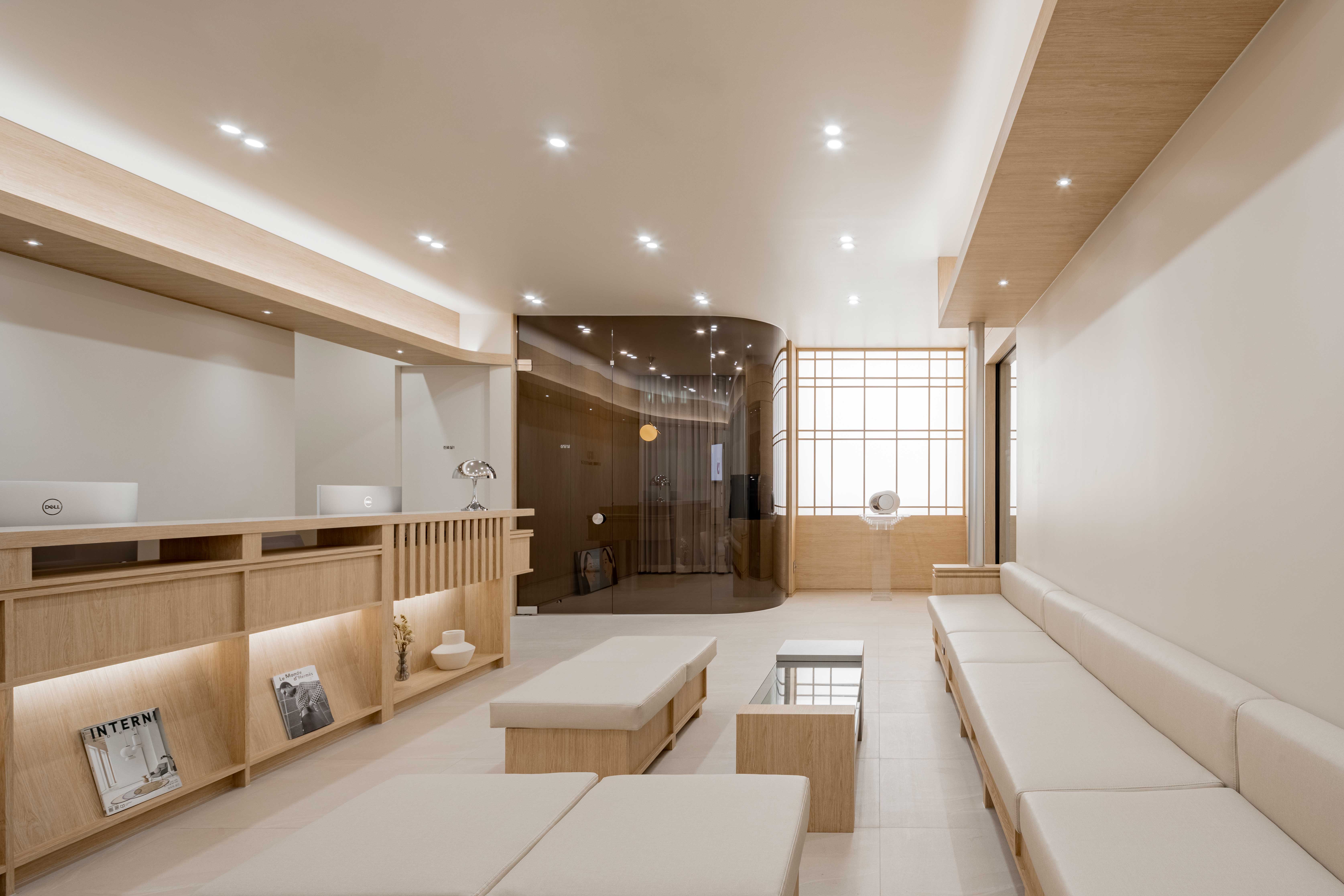
How to think about cost and credentials
Two honest notes. On cost, I don't publish price lists here because the right plan depends on your diagnosis. We discuss pricing transparently at your consultation, and these are elective, non-insured aesthetic treatments — so it's fair to ask exactly what you're paying for.
On credentials, look for a board-certified dermatologist. My background is in dermatology — trained and certified at Kangbuk Samsung Hospital, and formerly Chief of Dermatology at the ROK Ministry of National Defense. REDI also holds device-company designations, including Juvelook Key Opinion Leader status. I mention these for context, but they're granted by device companies and carry no legal standing — so treat any clinic's KOL badges as a data point, not a guarantee.
Takeaways
- An aesthetic clinic is not the same as a plastic surgery clinic — REDI is non-surgical dermatology, focused on skin.
- Device and product names look identical across clinics; technique, blend, and experience are what actually change your result.
- Choose a clinic that diagnoses first, adjusts protocols for your skin tone, and is honest about downtime and sessions.
- If you're flying in, prioritise on-site interpreters, a clear downtime calendar, and remote aftercare.
- Results vary by individual — a good clinic sets realistic expectations rather than promising perfection.
Frequently asked
What should I look for when choosing an aesthetic clinic in Korea?
Look for a board-certified dermatologist who diagnoses your skin before recommending anything, transparent explanations of downtime and risks, and — if you're flying in — on-site language support and remote aftercare. Technique matters as much as the device.
Does the same treatment give the same result at any aesthetic clinic?
No. With collagen boosters like Juvelook, the same product can deliver very different results depending on the blend, hydration protocol, and injection technique. That know-how is what separates clinics.
Is an aesthetic clinic the same as a plastic surgery clinic?
Not at REDI. We are a non-surgical dermatology clinic focused on skin — pigment, acne, redness, pores, scars, and lifting. We do not perform cosmetic surgery such as nose, eyelid, or facial-contour operations.
Can I visit an aesthetic clinic in Seoul if I don't speak Korean?
Yes. At REDI we have English- and Chinese-speaking interpreters on site, and you can consult with us over WhatsApp before you fly. I handle your consultation and your treatment personally.
Keep reading
More on this from Dr. Min Jeong.



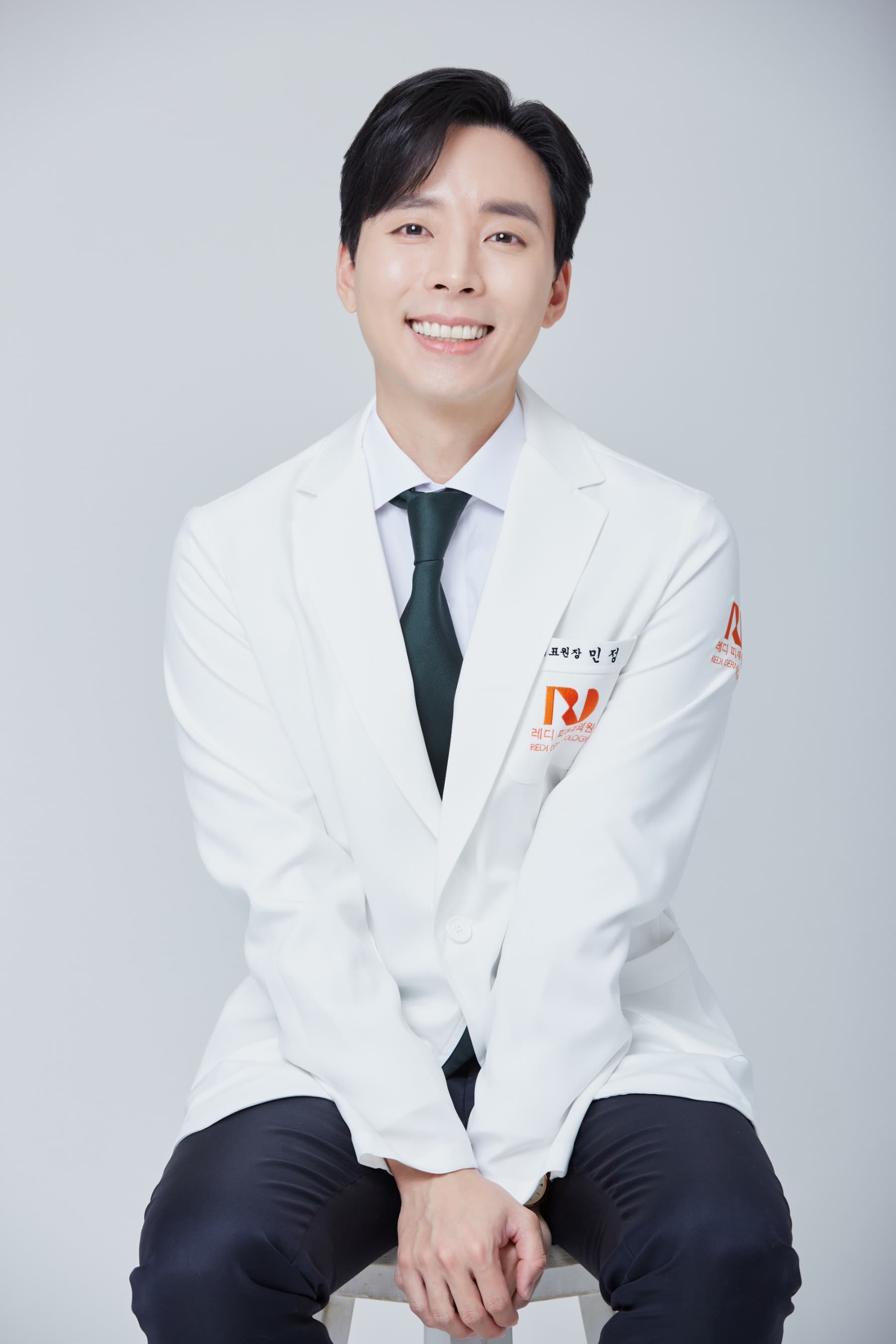
Dr. Min Jeong
Founding director, REDI Dermatology · Seoul
“A treatment isn't shopping. I'd rather diagnose first and recommend only what your skin genuinely needs — the same way I'd advise my own family.”
Board-certified dermatologist — trained at Kangbuk Samsung Hospital, and former Chief of Dermatology at the ROK Ministry of National Defense.
Juvelook Key Opinion Leader — 15,000+ vials administered, Korea's highest-volume clinic (Apr 2025). Key Opinion Leader titles are granted by device companies and carry no legal standing.
A regular speaker on clinical dermatology at Korean medical symposiums, including Juvelook clinical-experience panels.
Why international patients choose REDI
Interpreters in the room
English and Chinese, on site for your consultation and treatment.
Board-certified doctors only
Every procedure by a dermatology specialist — never unsupervised staff.
15,000+ Juvelook vials — No.1 in Korea
Hands-on volume most clinics have not reached.
Airport pickup arranged
So your first day in Seoul isn't spent lost with luggage.
Aftercare once you're home
Online follow-up, so a question next week still reaches your doctor.
Explore the treatment
Visit REDI Dermatology
4F & 5F, DM Tower Bldg. 2, 105 Bangbae-ro, Seocho-gu, Seoul, Korea
길찾기 (Get directions)Medically reviewed by Dr. Min Jeong · Last updated
This article is general information, not medical advice. Results vary by individual. These are elective, non-insured aesthetic treatments. Please consult a board-certified doctor about your own case.
Ask what your skin actually needs
Free online consultation