
Collagen Booster in Korea: A Dermatologist's Guide to Juvelook, Radiesse & Rejuran

Why "collagen booster" is one of the most-searched terms for coming to Korea
Hello, I'm Dr. Min Jeong, the founding director of REDI Dermatology in Seoul. If you've been researching a collagen booster in Korea, you've probably noticed the same thing my international patients tell me: there are a lot of product names, a lot of promises, and not much plain explanation of what these treatments actually do. I wrote this to give you that clarity before you fly in — so please read to the end, and if anything is unclear, you're welcome to ask me directly.
At REDI we are a non-surgical dermatology clinic. Collagen boosters are one of the treatment families I use most, and I want to be honest about what they can and can't do, how many sessions to expect, and how they fit around a trip to Korea.
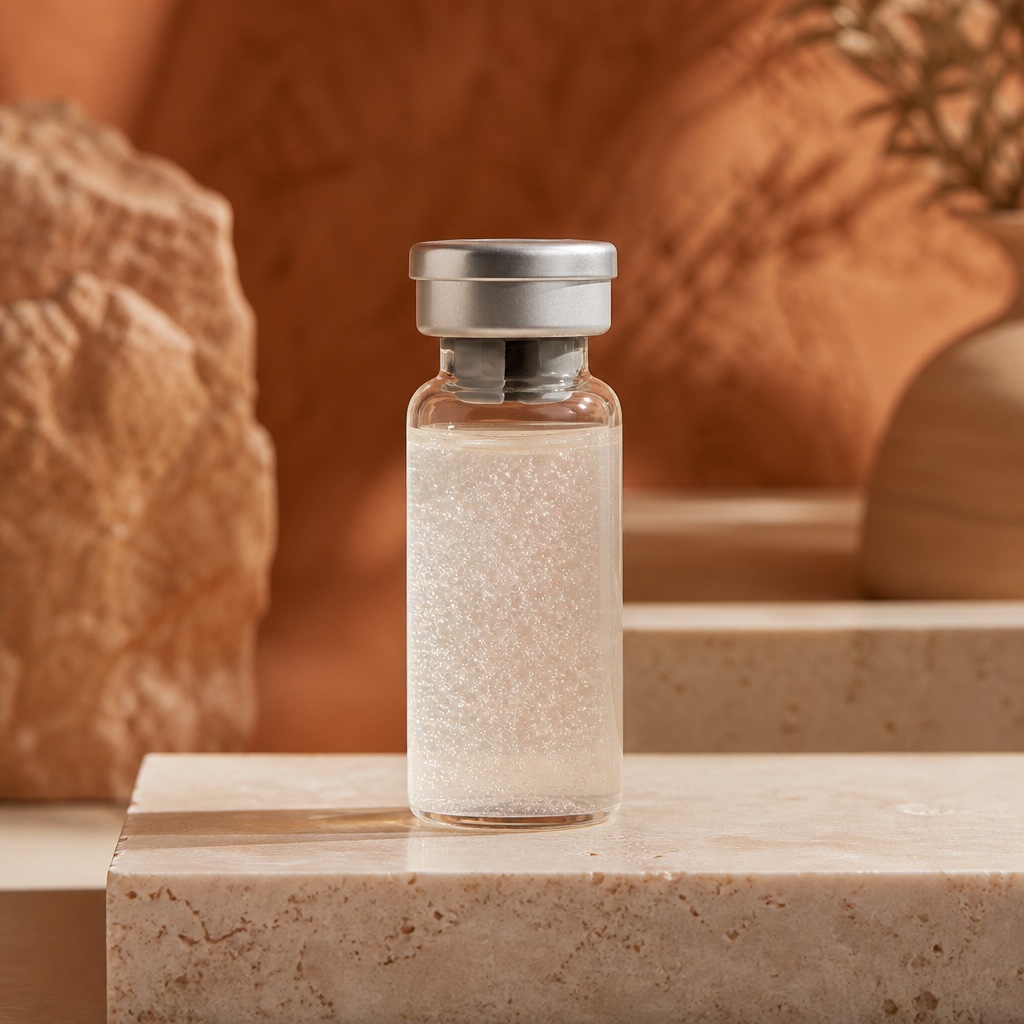
What a collagen booster actually is (and what it is not)
The most common misconception I correct in my consultation room is this: "A collagen booster is just a filler, right?" It's an understandable question, but getting the concept right is what saves you from spending money in the wrong place.
- A filler adds volume immediately by placing an external material (such as hyaluronic acid) into a space.
- A collagen booster works more like a framework and stimulus — it prompts your own skin to produce collagen, so the improvement develops over time.
This distinction matters because the two feel different in the mirror. A filler changes shape on the day. A collagen booster is a slower, more gradual story: your skin rebuilds itself, and the change tends to read as "you look well-rested," not "you had something done." For international patients who tell me they want subtle, not overdone, that gradual quality is usually the point.
The main collagen boosters I use at REDI
There isn't a single "best" collagen booster — there's the one that fits your skin. Here's how I think about the ones on our menu.
Juvelook (PDLLA)
Juvelook is a PDLLA (poly-D,L-lactide) collagen booster that stimulates your own collagen to help with pores, firmness, fine lines, scars and overall tone. Unlike a filler that simply adds volume, it encourages the skin to rebuild itself, so results develop naturally over time.
I mention this one carefully because it's central to our practice. REDI is a Juvelook Key Opinion Leader clinic recognised for the most treatments performed — 15,000+ vials of hands-on experience (as of April 2025). One thing that experience has taught me: the same product can give very different results depending on the blend, the hydration protocol, and the injection technique. At REDI, that protocol was refined by our Juvelook key doctor, and we match the delivery method — Dermashine Pro, Potenza, MIRAJET, Double Tite and more — to your specific skin.
(These KOL designations are granted by device companies and carry no legal standing — they simply reflect treatment volume and training, not a guarantee of results.)
Radiesse (CaHA)
Radiesse is a CaHA (calcium hydroxylapatite) collagen booster. What I like about it is that it offers two things at once: a skin-booster effect that smooths texture, and a volumizing effect. Depending on how it's diluted and delivered, it can favour texture improvement or volume, and we tune that to your goals.
A worry I hear often is "I heard it doesn't dissolve — that scares me." Let me be plain: it is not a permanent foreign object. The calcium particles in Radiesse are the same kind of mineral that makes up our bones and teeth, and over time they are absorbed and cleared through normal metabolism. After more than 2,000 vials of Radiesse in my own hands — including training abroad and lecturing to other doctors — the single most important factor for a safe, natural result is the doctor's dilution ratio and technique, not the product alone. That's exactly why I keep Radiesse to specific areas and skip it where the skin is very thin.
Rejuran (salmon-derived PN)
Rejuran Healer and Rejuran HB Plus use PN (polynucleotide) to support the skin's own recovery environment — texture, hydration, firmness, and calming stressed or sensitive skin. If you're pain-sensitive, Rejuran HB Plus contains lidocaine for a more comfortable session.
I'm often asked, "Juvelook or Rejuran?" My short answer: choose Juvelook to rebuild collagen and firm texture (pores, fine lines, laxity); choose Rejuran to repair and calm sensitive or damaged skin. They can also be combined — and which direction is right for you is something we decide after diagnosis. Results vary by individual.
How many sessions, and how quickly you'll see it
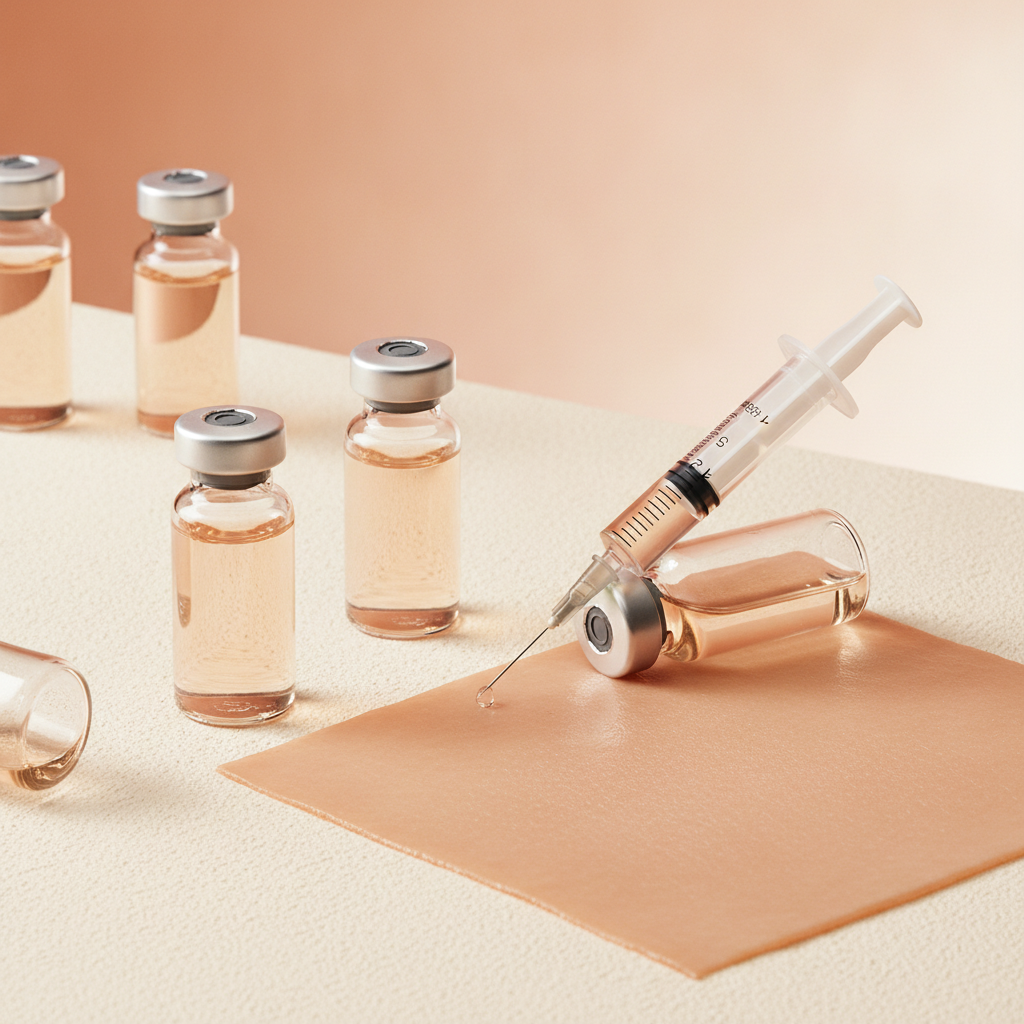
This is where realistic expectations matter most. Collagen boosters are a build-up, not a switch.
For Juvelook, most people need about 3 sessions spaced roughly 4–6 weeks apart, with a maintenance touch-up every 6–12 months. In terms of what you'll notice:
- Skin often looks hydrated and radiant fairly soon after treatment.
- Collagen-driven firmness starts to appear from around 2–4 weeks.
- Fuller results in texture, scars and elasticity develop over about 3–6 months.
Your exact plan is decided together after diagnosis, and results vary by individual. I'd rather set an honest timeline than promise an overnight change that doesn't exist.
Downtime and your Korea trip: a simple calendar
Because so many of my patients are flying in, I always plan around the trip, not just the treatment. For most skin-booster–type collagen boosters, downtime is minimal — usually about 1–2 days.
- Day 0 (treatment day): Mild redness or swelling; small temporary bumps can be felt where the product sits. This is normal and not a complication.
- Day 1–2: Redness and swelling typically ease. Small bumps usually soften within 24–48 hours.
- Day 3 onward: Most people are comfortable returning to normal activities and photos.
If your plan includes deeper collagen-stimulating work such as microneedle radiofrequency devices, expect a little more — sometimes 1–3 days of redness or swelling. When we design your schedule, I'll tell you exactly which days to leave buffer around so you're not surprised. Bruising can happen and depends partly on the individual, so I usually advise leaving a few days before any big event or flight home.
What about cost — and going through it in English
I don't publish fixed prices here, because the right plan (which booster, how many sessions, which delivery method) is only clear after I've seen your skin. Pricing is discussed transparently at your consultation, and these are elective, non-insured aesthetic treatments. Where helpful, we'll walk through it in a way that's easy to compare.
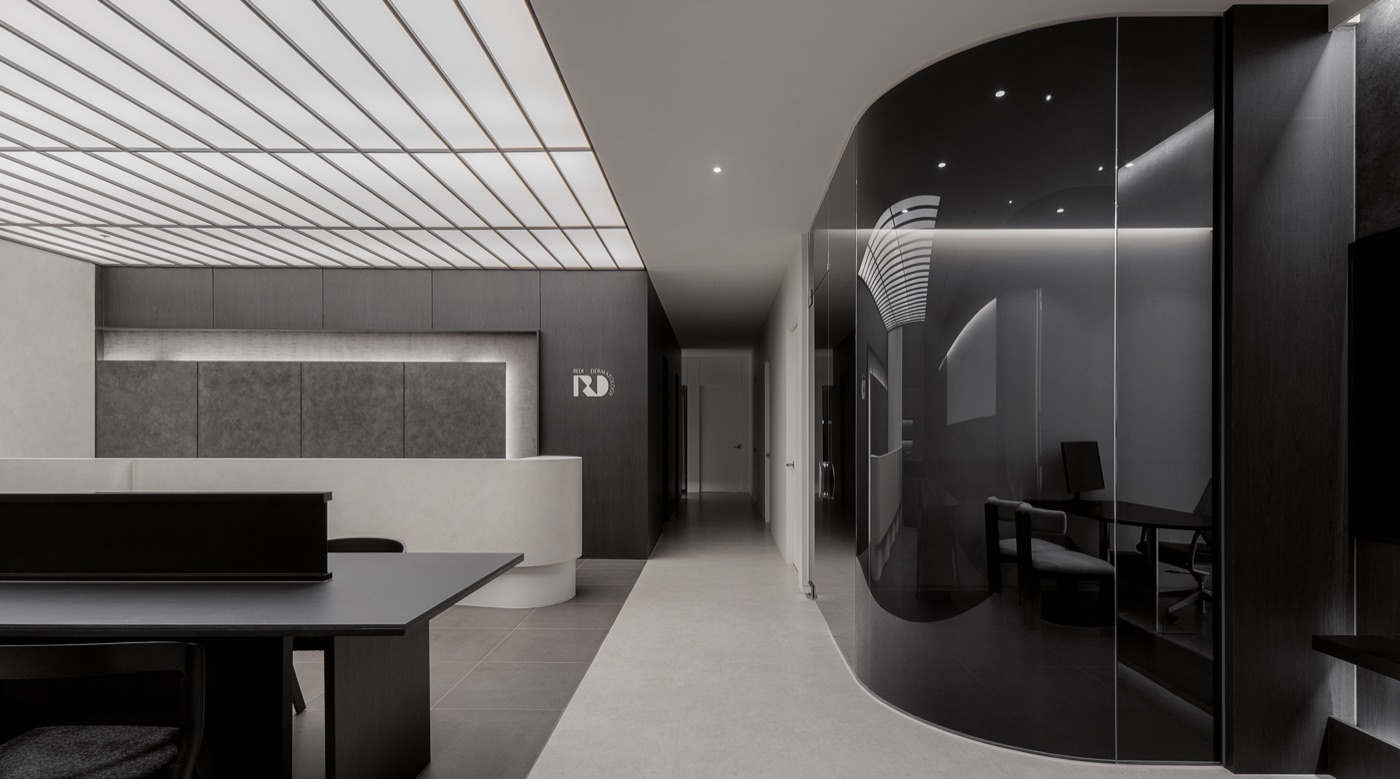
On the practical side, coming to REDI as an international patient is designed to be low-stress:
- English- and Chinese-speaking interpreters are on site, so you don't have to navigate a consultation alone.
- I handle your care personally, from consultation through the treatment itself.
- You can send me questions on WhatsApp before you even book, and we offer online after-care once you're home if anything comes up.
- We're diagnosis-first — if a collagen booster isn't the right answer for you, I'll tell you that honestly.
For patients with darker skin tones (Fitzpatrick IV–VI), I take extra care in choosing and tuning the approach, since technique and delivery depth matter for both safety and a natural result.
Takeaways
- A collagen booster in Korea is not a filler — it stimulates your own collagen, so results build gradually and tend to look natural.
- At REDI I most often use Juvelook (PDLLA), Radiesse (CaHA) and Rejuran (PN), each for different concerns; we choose or combine after diagnosis.
- Expect a series (about 3 sessions for Juvelook, ~4–6 weeks apart) with maintenance every 6–12 months. Results vary by individual.
- Downtime is usually minimal (about 1–2 days) for most collagen boosters — we plan it around your flights and events.
- Interpreters are on site, I treat you personally from consultation to procedure, and remote after-care is available once you're home.
Frequently asked
What is a collagen booster, and how is it different from a filler?
A filler instantly adds volume by placing a material like hyaluronic acid into a space. A collagen booster instead stimulates your skin to make its own collagen, so results build gradually and tend to look more natural. At REDI we choose or combine them based on your diagnosis.
Which collagen booster is popular in Korea?
Several are used at REDI, including Juvelook (a PDLLA collagen booster), Radiesse (a CaHA collagen booster) and Rejuran (a salmon-derived PN treatment). Each targets different concerns, so the right one depends on your skin, which we assess first.
How many collagen booster sessions will I need?
For Juvelook, most people need about 3 sessions spaced roughly 4–6 weeks apart, with a maintenance touch-up every 6–12 months. Your exact plan is set together after diagnosis, and results vary by individual.
How much downtime does a collagen booster have?
For most skin-booster–type collagen boosters, downtime is minimal — usually about 1–2 days. Mild redness, swelling or small temporary bumps typically settle within 24–48 hours. Results vary by individual.
When will I see collagen booster results?
Skin often looks hydrated and radiant fairly soon, while collagen-driven firmness develops over several weeks to a few months. This is gradual by design, and results vary by individual.
Keep reading
More on this from Dr. Min Jeong.

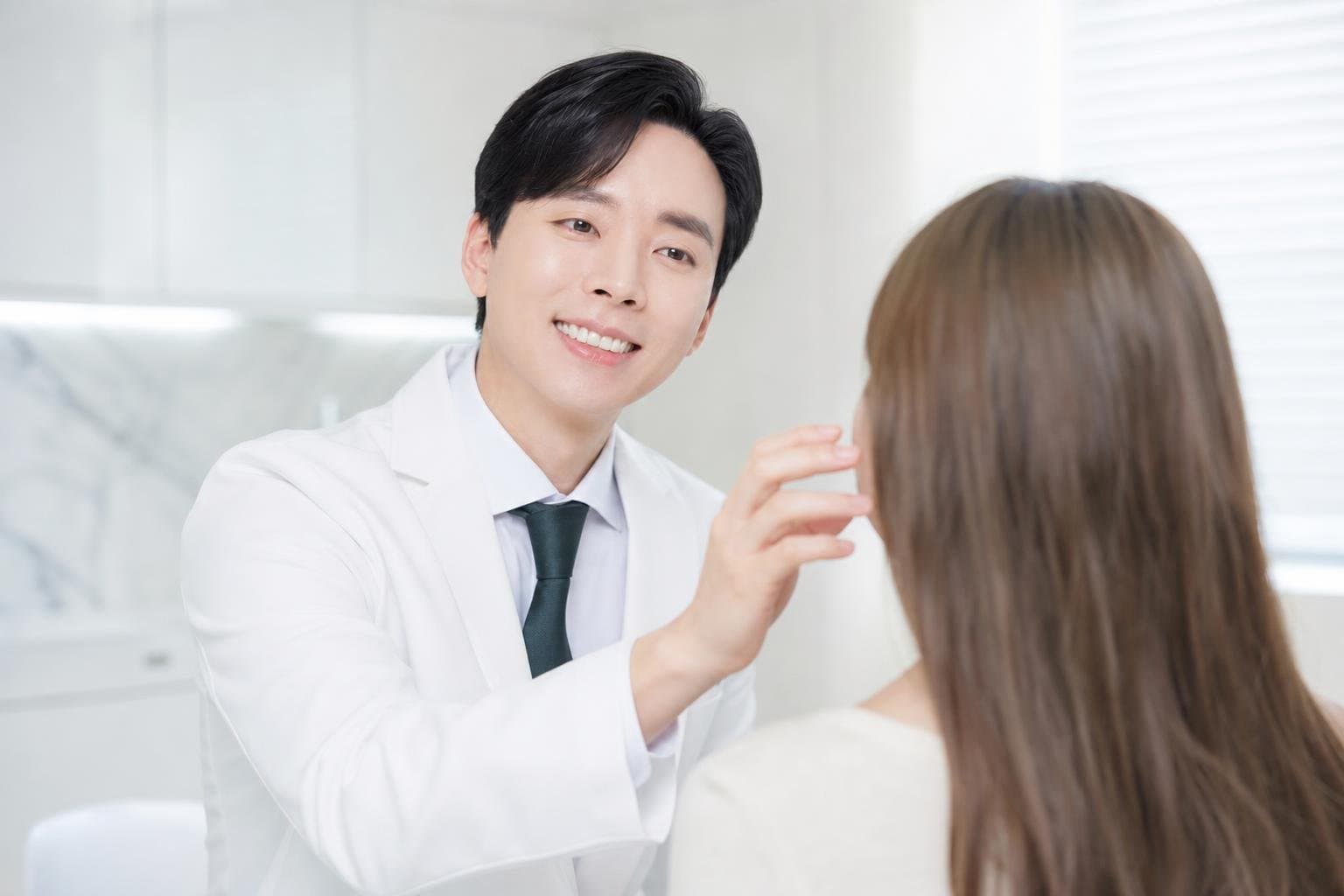
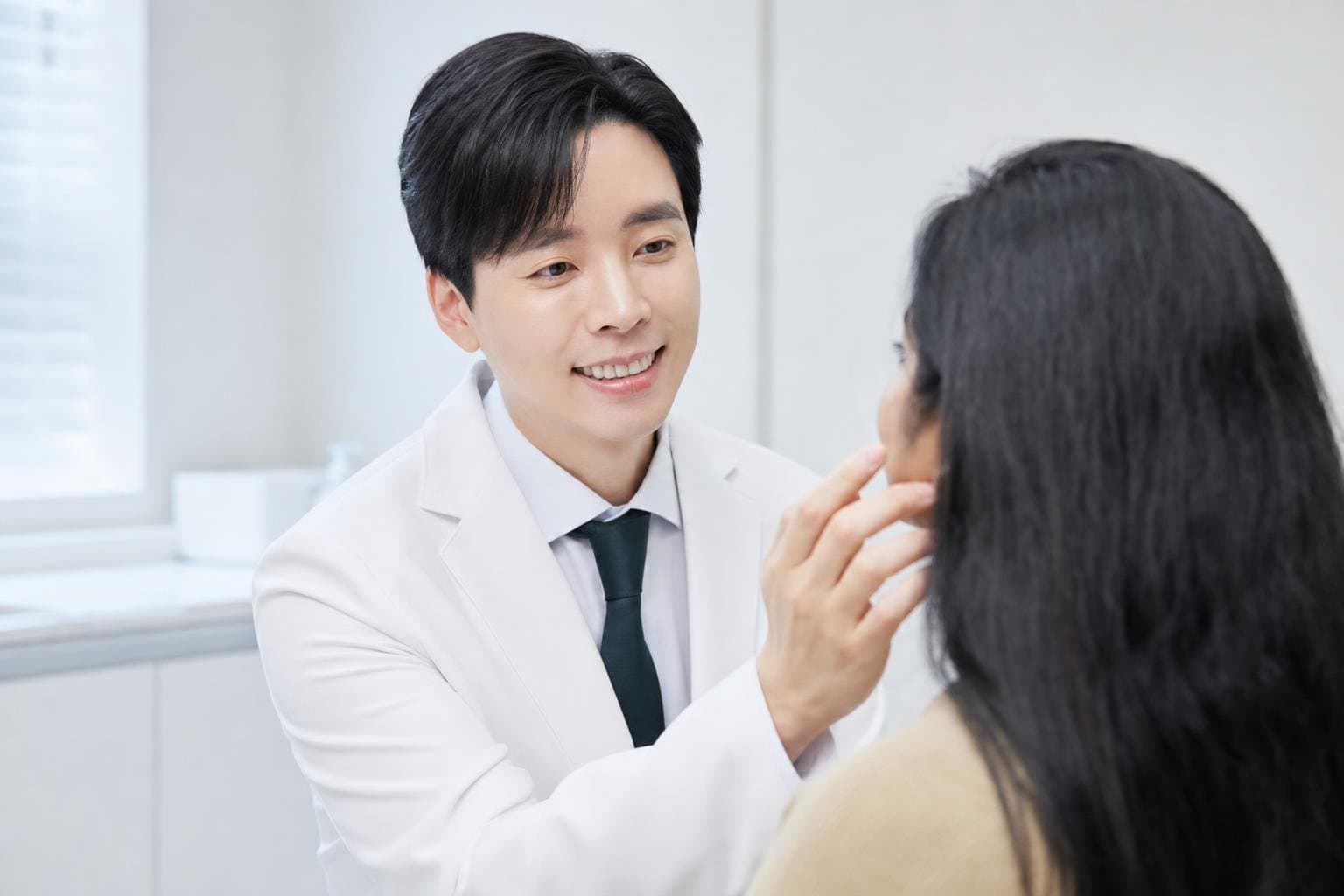

Dr. Min Jeong
Founding director, REDI Dermatology · Seoul
“A treatment isn't shopping. I'd rather diagnose first and recommend only what your skin genuinely needs — the same way I'd advise my own family.”
Board-certified dermatologist — trained at Kangbuk Samsung Hospital, and former Chief of Dermatology at the ROK Ministry of National Defense.
Juvelook Key Opinion Leader — 15,000+ vials administered, Korea's highest-volume clinic (Apr 2025). Key Opinion Leader titles are granted by device companies and carry no legal standing.
A regular speaker on clinical dermatology at Korean medical symposiums, including Juvelook clinical-experience panels.
Why international patients choose REDI
Interpreters in the room
English and Chinese, on site for your consultation and treatment.
Board-certified doctors only
Every procedure by a dermatology specialist — never unsupervised staff.
15,000+ Juvelook vials — No.1 in Korea
Hands-on volume most clinics have not reached.
Airport pickup arranged
So your first day in Seoul isn't spent lost with luggage.
Aftercare once you're home
Online follow-up, so a question next week still reaches your doctor.
Explore the treatment
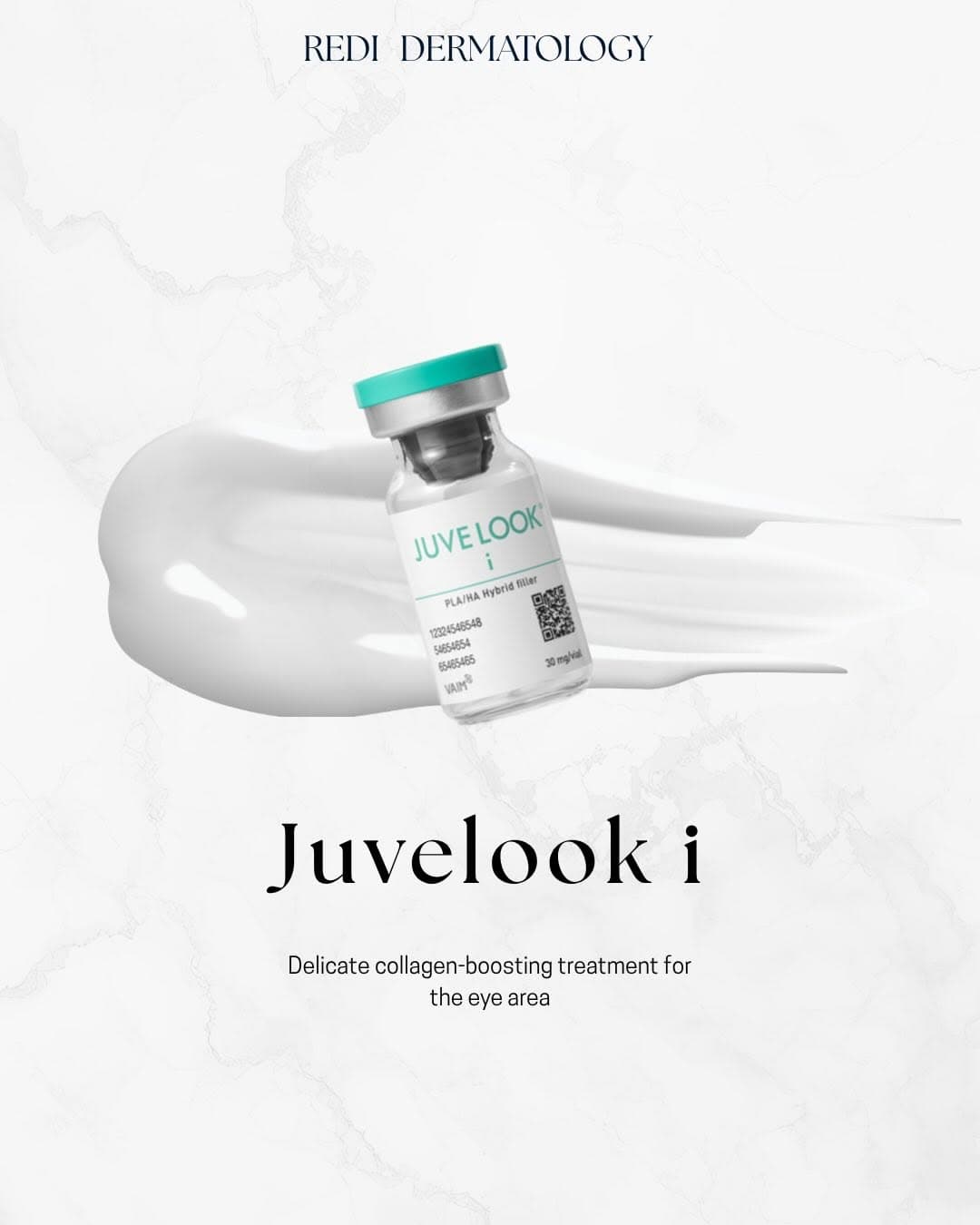
Juvelook Skin Booster
Juvelook is a PDLLA (poly-D,L-lactide) collagen booster that stimulates your skin's own collagen production to improve pores, firmness, fine lines, scars, and overall tone. Unlike a filler that simply adds volume, it helps the skin rebuild itself, so results develop naturally over time. At REDI, the blend and hydration protocol was refined by our Juvelook key doctor, and we match the delivery method — Dermashine Pro, Potenza, MIRAJET, Double Tite, and more — to your specific skin condition. With 15,000+ vials of hands-on experience, we know that the same product can deliver very different results depending on technique.

Radiesse
A next-generation collagen booster made with CaHA, delivering both a skin-booster effect that smooths wrinkles and texture and a volumizing effect — all at once.
Visit REDI Dermatology
4F & 5F, DM Tower Bldg. 2, 105 Bangbae-ro, Seocho-gu, Seoul, Korea
길찾기 (Get directions)Medically reviewed by Dr. Min Jeong · Last updated
This article is general information, not medical advice. Results vary by individual. These are elective, non-insured aesthetic treatments. Please consult a board-certified doctor about your own case.
Ask what your skin actually needs
Free online consultation