
PN Skin Booster in Korea: What a Polynucleotide Booster Really Does for Your Skin (A Dermatologist Explains)

Hello from Dr. Min Jeong
Hello, I'm Dr. Min Jeong, founding director of REDI Dermatology in Seoul. Over the years I've probably tested every skin booster on my own face — honestly, when I first opened the clinic I even injected myself with polynucleotides while I gritted my teeth through it. So when patients ask me about a PN skin booster in Korea — "What does a polynucleotide skin booster actually do, and is it worth flying in for?" I answer from real experience, not a brochure. If you're weighing this treatment, I'd love for you to read to the end, because the honest details — downtime, realistic timelines, and how to plan it around your trip — matter more than any headline.
What a polynucleotide skin booster actually is
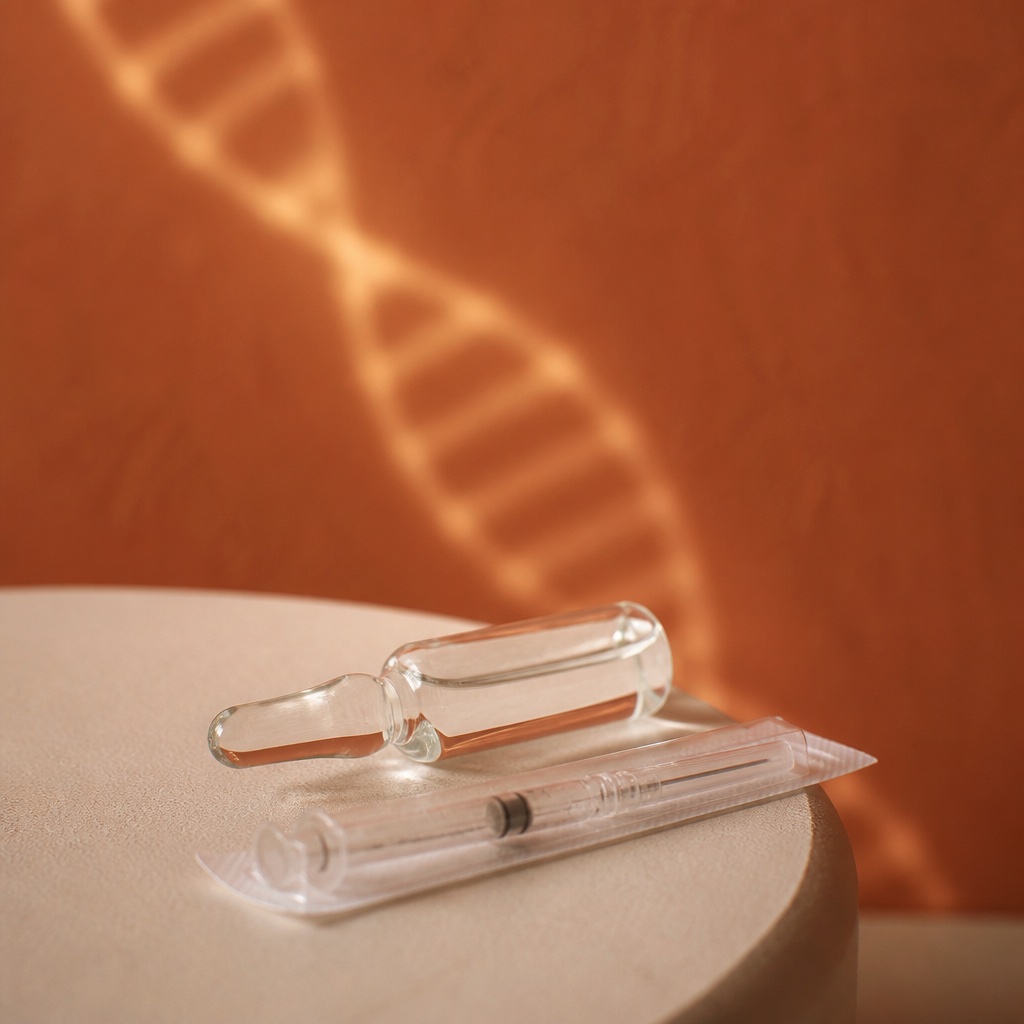
A polynucleotide (PN) skin booster is an injectable that uses PN, a tissue-regenerating substance derived from salmon, delivered into the skin to support its own recovery environment. At REDI, the PN boosters we work with are Rejuran Healer and Rejuran HB Plus.
The key idea is this: a PN booster isn't a filler. It doesn't plump one spot with instant volume. Instead, it works on the environment of your skin — helping manage texture, hydration, firmness, and the skin's natural resilience together. That's why I describe it to patients as "repair-forward" rather than "volume-forward." It's especially relevant for skin that feels stressed, easily flushed, or simply out of balance.
PN booster vs. collagen booster: how I decide
Patients often arrive having read about several boosters at once and feeling confused about which one is "the" answer. The honest truth is that they have different jobs.
- Polynucleotide (Rejuran): leans toward repairing and calming sensitive or damaged skin, and supporting the skin's own recovery environment.
- Juvelook, a PDLLA collagen booster: stimulates your own collagen to firm texture, refine pores, and improve fine lines and tone over time.
They aren't competitors so much as tools for different goals — and they can be combined. My approach at REDI is diagnosis-first: I look at your skin condition, sensitivity, and what actually bothers you, then suggest whether PN alone, a collagen booster, or a combination makes the most sense. I don't fit every patient to one fixed answer.
Healer vs. HB Plus: which PN do I choose?
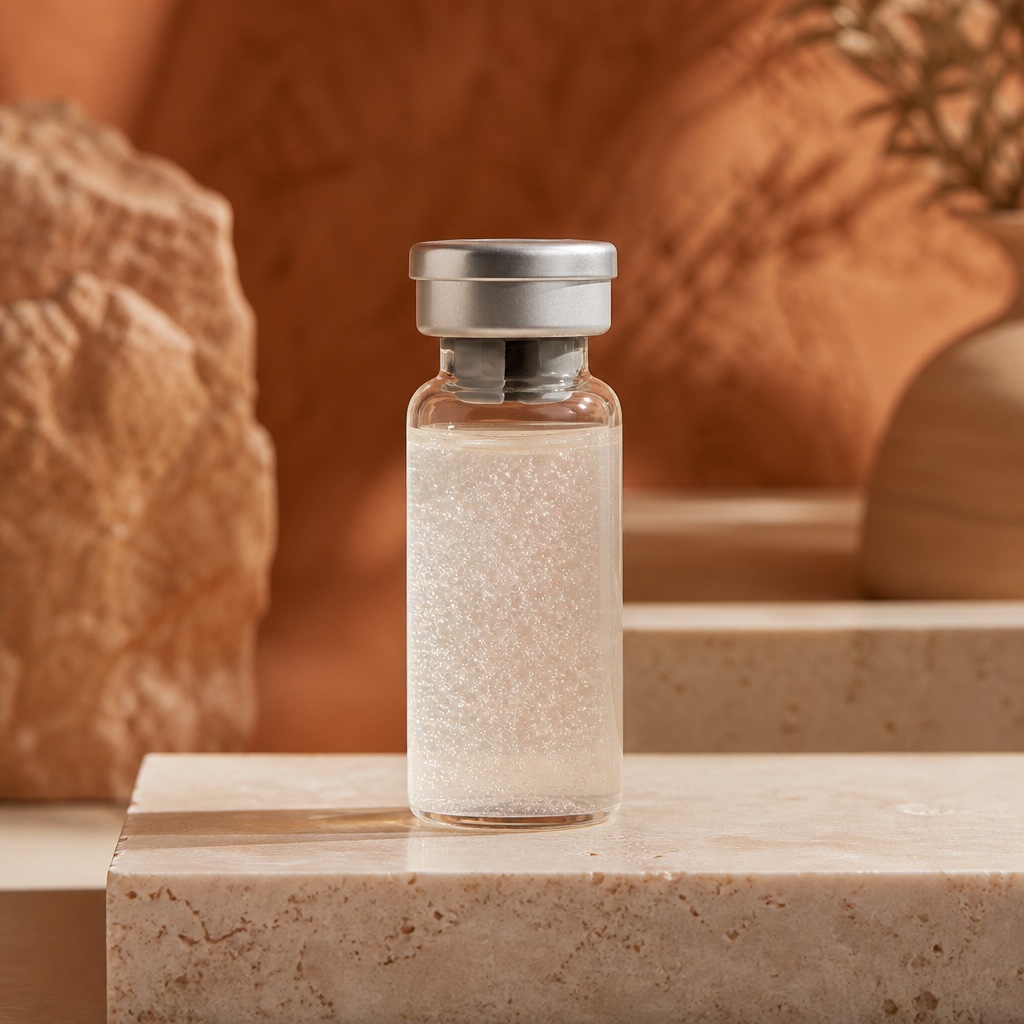
Within the PN family, there are two options I use, and the choice is practical:
- Rejuran Healer — the classic PN option, chosen when the priority is renewal and the skin's recovery environment.
- Rejuran HB Plus — contains lidocaine, so it's a more comfortable choice if you're sensitive to pain.
They differ in composition and intended use, so I select one based on whether your priority is texture, hydration, or firmness — and on how sensitive you are during treatment. To keep discomfort low, I use numbing cream and cooling and tune the intensity together with you.
What to realistically expect (and what not to)
Here's where I always slow patients down. A PN skin booster works on your skin's recovery environment, so changes tend to develop gradually rather than dramatically overnight. It's a "steady care" treatment, not a one-shot transformation.
A single session is not a magic reset. For most people, this kind of skin booster is planned as a short series and then periodic maintenance — but the exact number and interval depend on your skin, which is why I set it after diagnosis. Results vary by individual, and I'd rather set an honest expectation than an inflated one.
Downtime and planning it around your trip
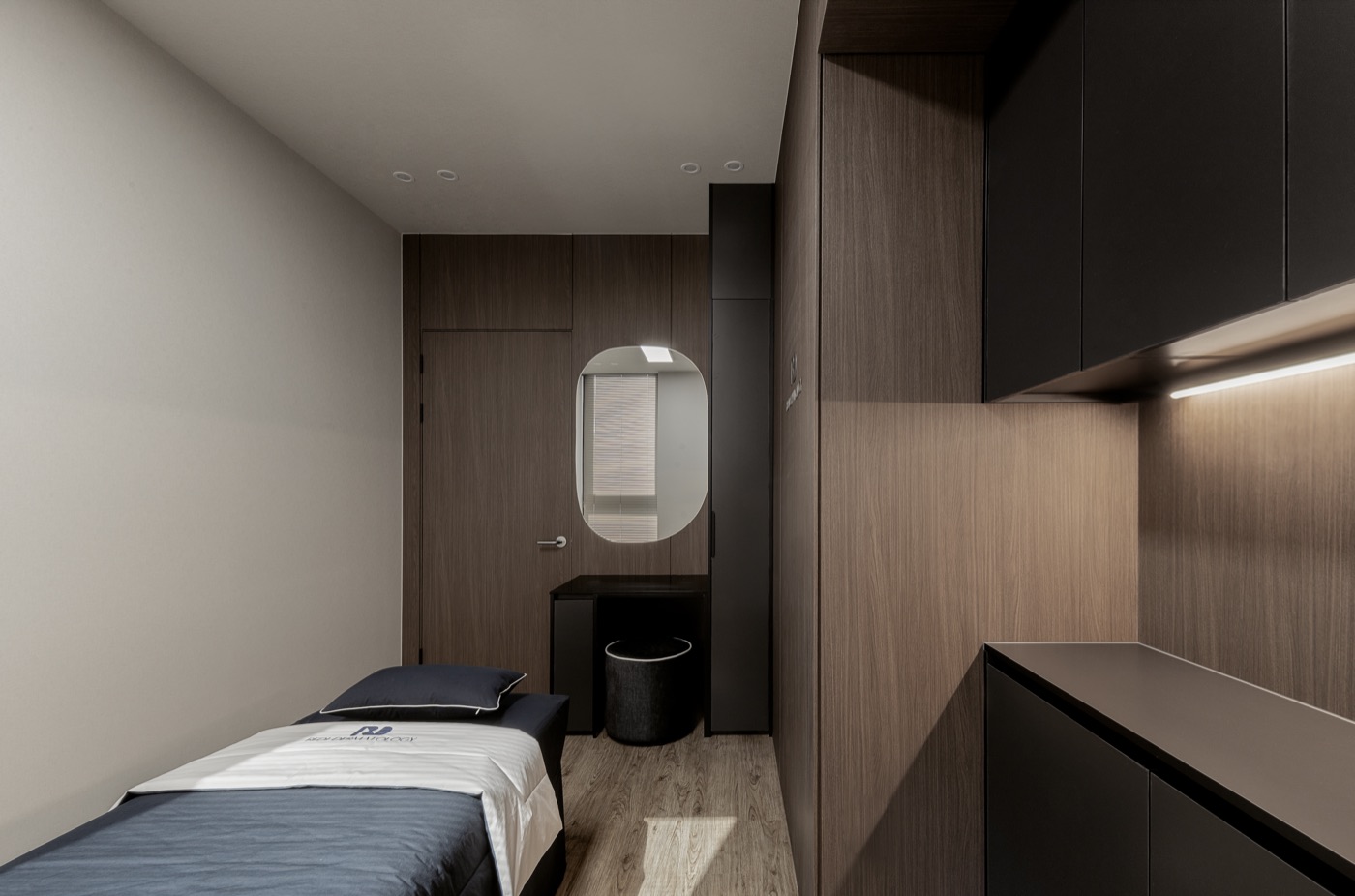
For international patients, the most useful information is usually the calendar. A PN skin booster treatment at REDI takes about 20 minutes, and downtime is generally minimal, about 1–2 days.
- Day 0 (treatment day): Mild redness and small temporary bumps at the injection points are normal. These typically settle quickly.
- Day 1–2: Most of the redness and bumps ease. Bruising, if it happens, varies by individual and personal condition.
- After that: You're generally back to your routine.
If you're flying in specifically for this, a short buffer of a couple of days is comfortable. And because REDI's care doesn't end when you leave — we offer online follow-up after you return home — you're not left guessing if a question comes up back in your own country.
The international-patient side of things
You don't need to navigate this alone. At REDI we have English- and Chinese-speaking interpreters on site, and I personally handle consultation through treatment, so you meet the same doctor from start to finish. You can even message us on WhatsApp beforehand to talk through your skin goals before you travel. We also offer airport pickup, and we're located in Seocho-gu, Seoul.
One more note for readers with a range of skin tones: because a PN booster works via injection rather than heat or laser, it's a gentle, repair-focused option that suits many skin types. As always, I assess your individual skin first.
On pricing: a PN skin booster is an elective, non-insured aesthetic treatment, and we discuss the details transparently at your consultation rather than quoting a number that may not fit your actual plan.

Takeaways
- A polynucleotide skin booster (PN, e.g., Rejuran Healer / HB Plus) uses a salmon-derived regenerating substance to support the skin's own recovery environment — helping with texture, hydration, firmness, and resilience.
- It is not a filler: it works on the skin environment rather than adding instant volume, and changes develop gradually. Results vary by individual.
- PN (Rejuran) is repair- and calm-focused; a collagen booster like Juvelook is firm- and collagen-focused — and the two can be combined. I decide with you after diagnosis.
- Downtime is minimal (about 1–2 days) — mild redness or small bumps that usually settle fast; bruising varies. Treatment takes about 20 minutes.
- For international patients: interpreters on site, one doctor from consultation to treatment, airport pickup, and online after-care once you're home.
Frequently asked
What is a polynucleotide (PN) skin booster?
A polynucleotide skin booster uses PN, a tissue-regenerating substance derived from salmon, injected into the skin to support its own recovery environment. At REDI it's used to help with texture, hydration, firmness, and the skin's natural resilience. Rejuran Healer and Rejuran HB Plus are the PN options we work with.
Is a polynucleotide skin booster the same as a filler?
No. A filler adds instant volume, while a PN skin booster works on the skin's recovery environment rather than plumping a specific area. They address different goals, and we suggest the right approach after diagnosis.
How much downtime does a polynucleotide skin booster have?
Downtime is generally minimal, about 1–2 days. Mild redness or small temporary bumps at injection points can occur and usually settle quickly. Bruising varies by individual. Results vary by individual.
What's the difference between Rejuran Healer and Rejuran HB Plus?
They differ in composition and intended use. HB Plus contains lidocaine for a more comfortable experience if you're sensitive to pain. Which one suits you depends on whether texture, hydration, or firmness is your priority — we decide together at your consultation.
Should I choose a PN booster or a collagen booster like Juvelook?
PN (Rejuran) leans toward repairing and calming sensitive or damaged skin, while Juvelook is a PDLLA collagen booster that rebuilds collagen and firms texture. They can also be combined. We guide the right direction after diagnosing your skin.
Keep reading
More on this from Dr. Min Jeong.




Dr. Min Jeong
Founding director, REDI Dermatology · Seoul
“A treatment isn't shopping. I'd rather diagnose first and recommend only what your skin genuinely needs — the same way I'd advise my own family.”
Board-certified dermatologist — trained at Kangbuk Samsung Hospital, and former Chief of Dermatology at the ROK Ministry of National Defense.
Juvelook Key Opinion Leader — 15,000+ vials administered, Korea's highest-volume clinic (Apr 2025). Key Opinion Leader titles are granted by device companies and carry no legal standing.
A regular speaker on clinical dermatology at Korean medical symposiums, including Juvelook clinical-experience panels.
Why international patients choose REDI
Interpreters in the room
English and Chinese, on site for your consultation and treatment.
Board-certified doctors only
Every procedure by a dermatology specialist — never unsupervised staff.
15,000+ Juvelook vials — No.1 in Korea
Hands-on volume most clinics have not reached.
Airport pickup arranged
So your first day in Seoul isn't spent lost with luggage.
Aftercare once you're home
Online follow-up, so a question next week still reaches your doctor.
Explore the treatment
Rejuran Healer & Rejuran HB Plus
Rejuran Healer, a tissue-regenerating substance derived from salmon, is injected to effectively renew damaged skin. If you're sensitive to pain, Rejuran HB Plus — which contains lidocaine — offers a more comfortable treatment.
Juvelook Skin Booster
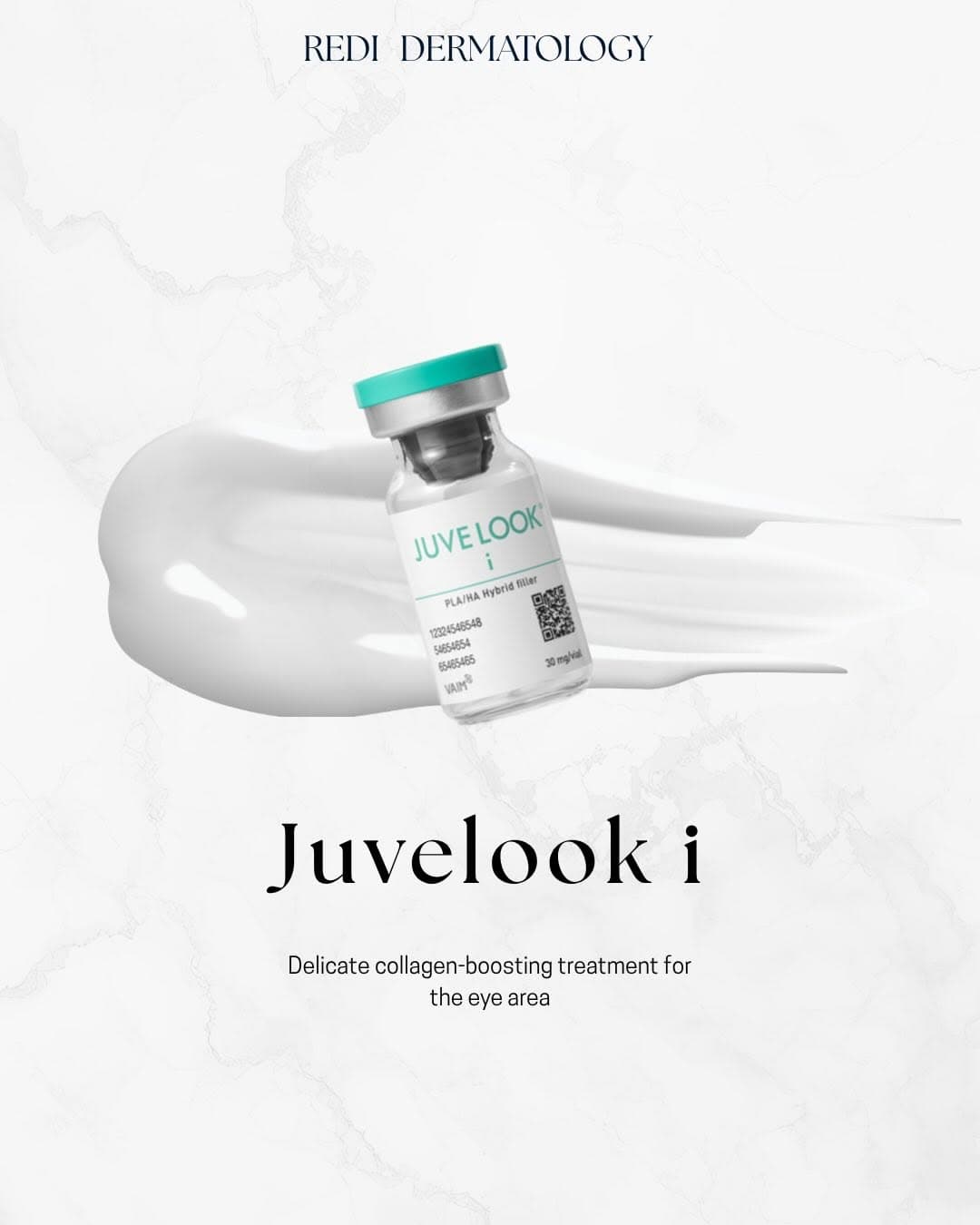
Juvelook is a PDLLA (poly-D,L-lactide) collagen booster that stimulates your skin's own collagen production to improve pores, firmness, fine lines, scars, and overall tone. Unlike a filler that simply adds volume, it helps the skin rebuild itself, so results develop naturally over time. At REDI, the blend and hydration protocol was refined by our Juvelook key doctor, and we match the delivery method — Dermashine Pro, Potenza, MIRAJET, Double Tite, and more — to your specific skin condition. With 15,000+ vials of hands-on experience, we know that the same product can deliver very different results depending on technique.
Visit REDI Dermatology
4F & 5F, DM Tower Bldg. 2, 105 Bangbae-ro, Seocho-gu, Seoul, Korea
길찾기 (Get directions)Medically reviewed by Dr. Min Jeong · Last updated
This article is general information, not medical advice. Results vary by individual. These are elective, non-insured aesthetic treatments. Please consult a board-certified doctor about your own case.
Ask what your skin actually needs
Free online consultation