
What's the best facial in seoul for foreigners? Usually the one picked after a skin exam
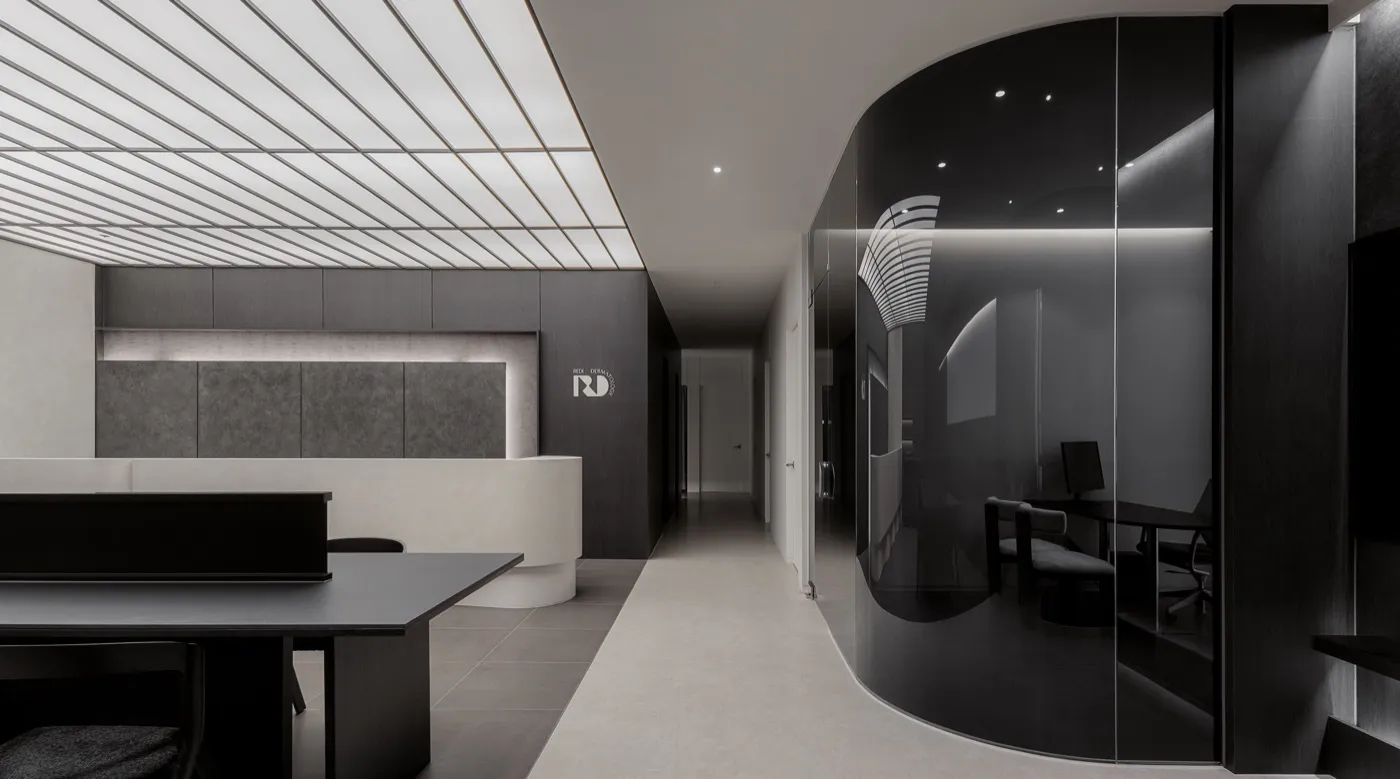
The best facial in seoul for foreigners is usually the one chosen after a dermatologist has examined your skin, because in Seoul the word "facial" covers two different bookings: a spa session, or a clinic plan built from lasers, devices or skin boosters. If your skin flushed or broke out after facials at home, the worry is easy to guess: what if a treatment leaves you red and stinging right before the flight home, and you can't explain what was done to anyone there? At REDI Dermatology, Chinese- and English-speaking interpreters are on site for both the consultation and the treatment, so that explanation happens in the room, in a language you follow.
I'm Dr. Min Jeong, founding director and a board-certified dermatologist, and this is one of the questions international patients ask me most, so please read to the end.
If you're already planning the trip, start with two things on WhatsApp: a daylight photo of your bare face and the dates you'll be in Seoul.
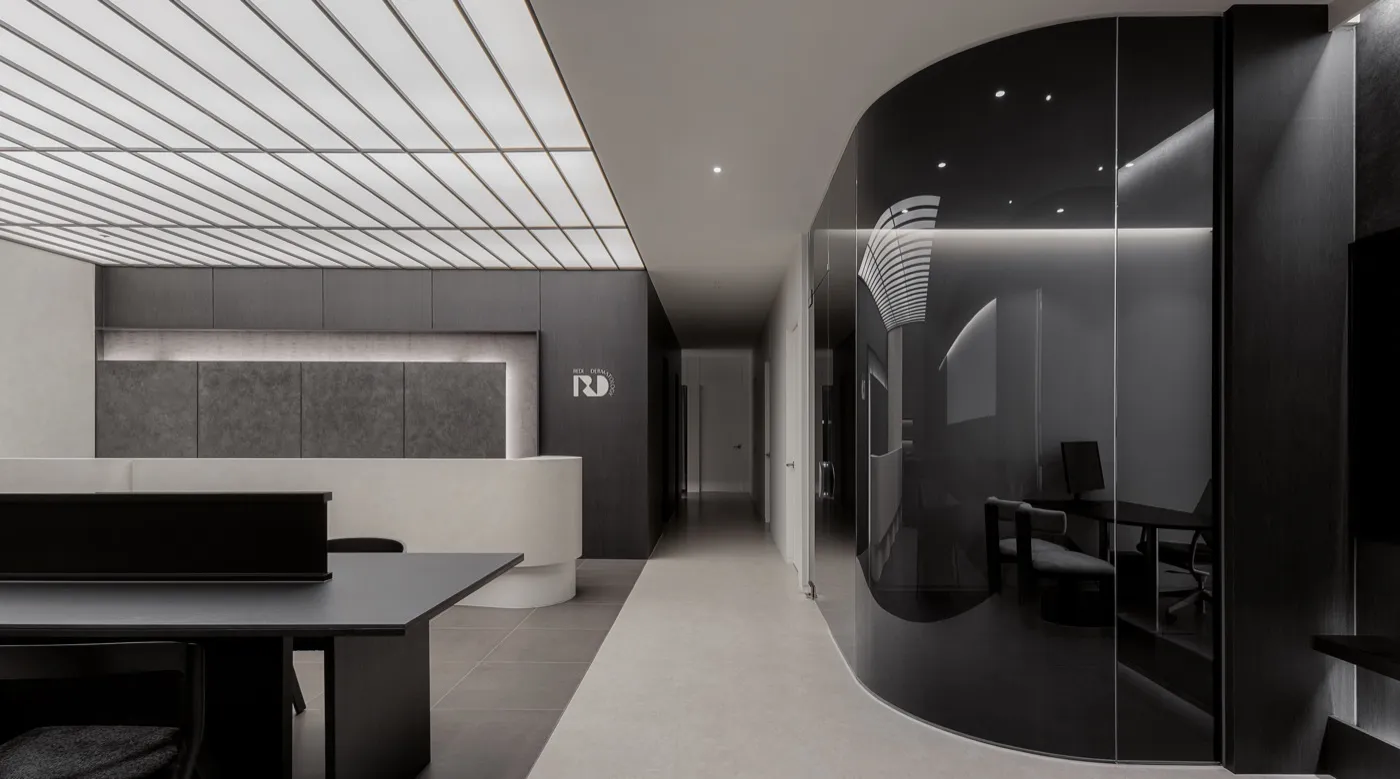
What does "facial" mean in the Seoul threads?
In most threads, "facial" means one of two things: a spa or esthetic treatment done by an aesthetician, or a medical skin treatment chosen by a doctor in a dermatology clinic. Both get called a Korean facial, and posters rarely say which one they had.
That's why a reply like "go here, my skin glowed for a week" is hard to use. A glow from a hydrating spa session and a change from a laser toning series are different results with different risks.
| Spa or esthetic facial | Dermatology clinic treatment | |
|---|---|---|
| Who decides what you get | An aesthetician, from a set menu | A physician, after examining your skin |
| What it works on | Cleansing, hydration, the skin surface | Redness, pigment, pores, acne, firmness |
| Question to ask before booking | Which products touch my skin? | Which device, which settings, and who sees me if it reacts? |
Neither column is wrong. They answer different needs, and the trouble starts when a thread recommendation from one column is used to plan a trip for a problem that sits in the other.
Is the place everyone recommends right for reactive skin?
A recommendation for the best facial in seoul for foreigners tells you the poster liked their visit. It can't tell you how your skin will respond. For skin that flushes, stings or holds onto marks, the choice turns on things only an exam shows.
Here is what a dermatologist looks at in that situation, and why each one moves the plan:
- Where the redness sits. Redness fixed across the cheeks and nose, with fine visible vessels, points toward a vascular device. Vbeam Perfecta uses a 595 nm wavelength aimed at blood vessels, which is why it is used for facial redness and red acne marks.
- What sets off flushing. Heat, alcohol, spicy food or a new product suggests a reactive pattern, and an aggressive resurfacing treatment early in a trip can make that week harder.
- Whether plain moisturiser stings. Stinging usually means the barrier is struggling. Calming the skin comes before anything that removes or heats tissue.
- How long marks stay after a pimple. Brown marks that linger for weeks signal a tendency to pigment after inflammation, which changes laser choice and settings and makes sun protection part of the plan.
REDI's approach to redness is written into its treatment page: vascular conditions come from a combination of causes, so flushed skin is treated with lasers and soothing care matched to each person's symptoms, with attention to daily habits. There's more on that in how flushing and sensitive skin are approached in Seoul.
Doctor's note
If I could ask a friend only three questions before they booked a facial in Seoul, they would be these: does your face go red in a hot room, does a new cream sting, and does a pimple leave a mark for weeks? Those answers move a plan more than any device name does. A thread can't ask them for you. Our clinic's name comes from "Reduce Distance", and for reactive skin the shorter route is usually the one that leaves out treatments the skin doesn't need.
Interpreters in the room, before and during treatment
At REDI, Chinese- and English-speaking interpreters are on site for consultation and treatment, so they're in the room with you rather than only on chat. That matters at two moments: when options and risks are explained, and during treatment, when you need to say "that feels too hot" and be understood right away.
When you read any clinic's page, the useful question is where the language help sits. A chat translator helps you book. Someone standing next to the treatment bed helps when the energy level needs to change mid-session. What to look for in an English-speaking dermatologist goes through this in more detail.
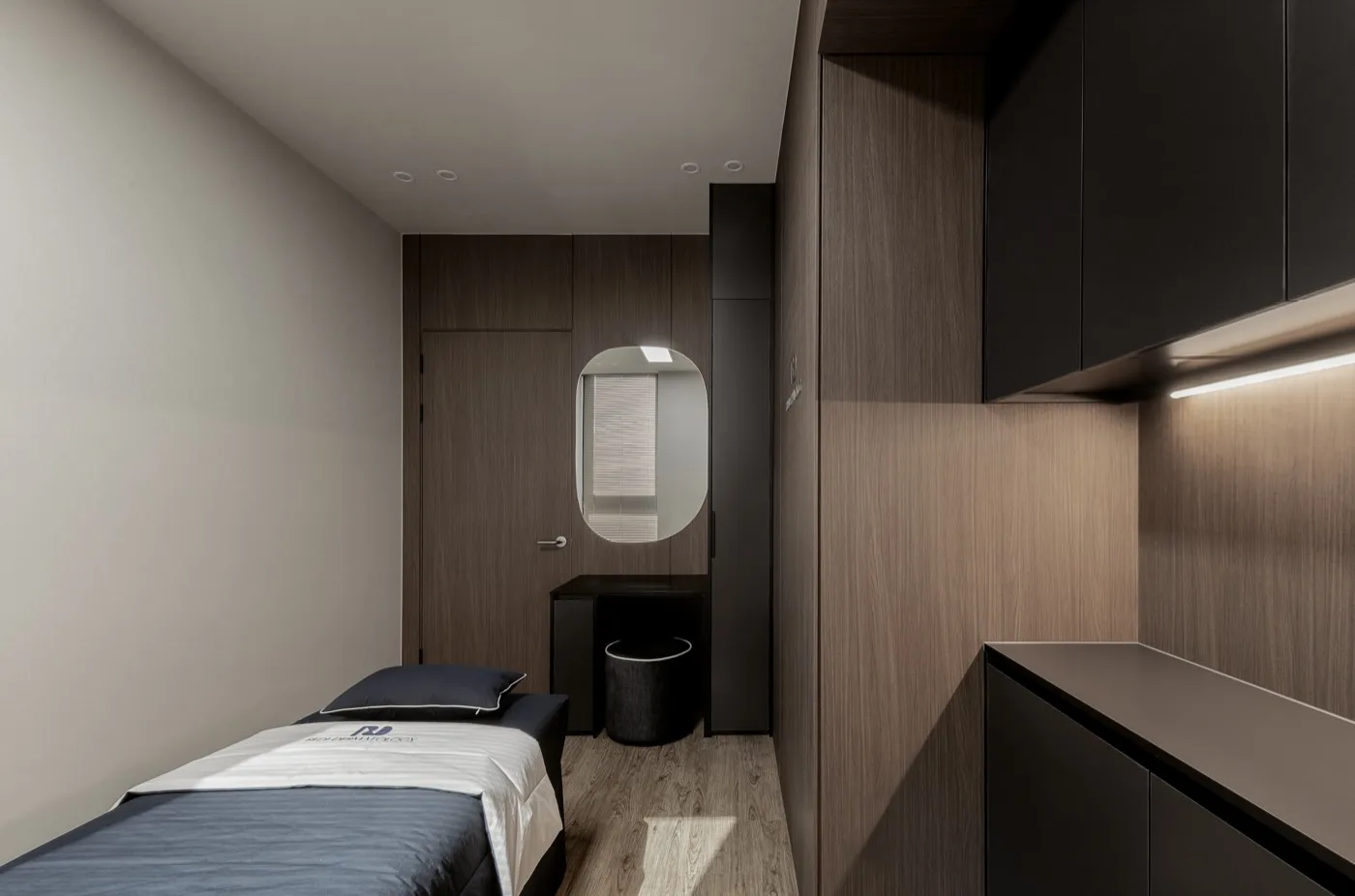
Three credentials worth checking on any clinic page
Threads about the best facial in seoul for foreigners rarely mention who examined the poster. That's the first thing to check, and you can check it on any clinic's website before you message.
- Is the examining doctor a board-certified dermatologist? In Korea that title follows years of dermatology residency. My own listing reads: Internship & Residency, Kangbuk Samsung Hospital; Board-Certified Dermatologist, Kangbuk Samsung Hospital; Former Chief of Dermatology, Medical Office of the ROK Ministry of National Defense.
- Society membership. Look for the national dermatology societies. I'm a full member of the Korean Dermatological Association, the Korean Society of Dermatology and the Korean Society for Clinical Dermatologic Treatment.
- Device titles, read carefully. You'll see "Key Opinion Leader" on many Seoul clinic pages, mine included (DENSITY Key Opinion Leader, POTENZA Expert Key Opinion Leader). These titles are granted by medical-device companies to physicians with extensive experience using a device or who have lectured on it, and they carry no legal standing. They tell you the doctor knows that device well; they say nothing about your result.
Risks and side effects after a clinic facial
Clinic treatments have side effects that a spa session usually doesn't, and they're worth knowing before you fix your flight. The common ones are temporary. A few are less common and need a doctor.
- Common and short-lived: redness, warmth and mild swelling after lasers and energy devices, and small pinpoint marks after microneedling-type treatments.
- Less common: bruising after higher-energy vascular laser settings; a flare of acne or rosacea-type redness, especially if heavy products go on too soon.
- Pigment after inflammation: DermNet describes postinflammatory hyperpigmentation as more frequent in darker skin types and able to follow any skin inflammation, including procedures. It can take months to fade, which is why settings and sun protection matter if your marks tend to linger.
- Rare but serious: blistering, burns or infection. Pain that spreads, pus or fever needs a doctor promptly.
The American Academy of Dermatology notes that laser and light treatment for rosacea redness often needs more than one session and that redness can come back over time, so one visit on a short trip may start a plan rather than finish it. Tell the doctor about oral isotretinoin, retinoid creams, recent peels, a fresh tan or cold sores; each one can change what's safe on the day. Results vary by individual, and whether a treatment suits you is decided at the in-person exam.
How do I fit a clinic facial around my flight?
Put the treatment early in the trip, never the day before you fly. That leaves time for the first redness to settle and for a return visit while you're still in Seoul if something looks off.
REDI is open Mon/Wed/Fri 10:00–20:00, Tue/Thu 10:00–19:00 and Sat 10:00–15:00, with lunch from 13:00 to 14:00 on weekdays and no lunch break on Saturday. The clinic is a 2 min walk from Bangbae Station Exit 3 (Line 2) and a 5 min walk from Naebang Station Exit 3 (Line 7). The later weekday hours make it possible to come in after a day of sightseeing.
Some devices on the menu are listed with little to no downtime, while resurfacing lasers leave more visible redness. Ask which kind you're getting before you book the flight; how resurfacing options differ explains why that gap is larger than people expect.
What happens if my skin reacts after I fly home?
Plan the follow-up before you leave Seoul. Know what was done, which device or product was used, and what aftercare you were given, so a doctor at home can pick up where the Seoul visit left off.
The U.S. Centers for Disease Control and Prevention advises medical travelers to get copies of their records and to arrange follow-up care at home before the trip. For a skin treatment, that means a short written note of the treatment name and date, photos of your skin in the days after, and the name of a local dermatologist you could see if needed. Mild redness that eases day by day is expected; blistering, oozing or spreading pain is a reason to see a doctor at home without waiting.
Before you buy flights, send your travel dates and one photo of the area that bothers you most on WhatsApp. That's enough to start the conversation about which kind of treatment fits the days you have, and what to ask about aftercare before you head to the airport.
Using the threads well
Threads are useful for logistics: which subway line, which neighbourhood, how long the queue was. They're weak on the part that decides your result, which is your own skin's habits. When you search for the best facial in seoul for foreigners, read the posts for practical tips and skip the verdicts.
Tonight, note three things your skin does: flushing in heat, stinging with new products, marks that linger. Send that note and one daylight photo on WhatsApp.
Frequently asked
Is a Korean glass skin facial one fixed treatment?
At a dermatology clinic, no. The glow people call glass skin can come from different combinations, such as toning lasers, skin boosters or calming treatments, chosen for your skin type. At a spa it usually means a hydration-focused session.
Can I get a clinic facial in Seoul on a Saturday?
REDI Dermatology is open on Saturday from 10:00 to 15:00, with no lunch break that day. Weekday hours run until 20:00 on Monday, Wednesday and Friday and until 19:00 on Tuesday and Thursday.
What does Key Opinion Leader mean on a Seoul clinic's profile?
It is a title granted by a medical-device company to a physician with extensive experience using a device or who has lectured on it. It carries no legal standing. It tells you the doctor knows the device, not how your skin will respond.
Should I stop any skincare before a clinic facial in Korea?
Tell the doctor about retinoid creams, exfoliating acids, recent peels, oral isotretinoin and any recent tan before treatment. Some of these change which devices and settings are safe on the day, so bring the product names or photos of the labels.
How do I get to REDI Dermatology by subway?
The clinic is at 4F & 5F, DM Tower Bldg. 2, 105 Bangbae-ro, Seocho-gu. It is a 2 min walk from Bangbae Station Exit 3 on Line 2 and a 5 min walk from Naebang Station Exit 3 on Line 7.
Keep reading
More on this from Dr. Min Jeong.
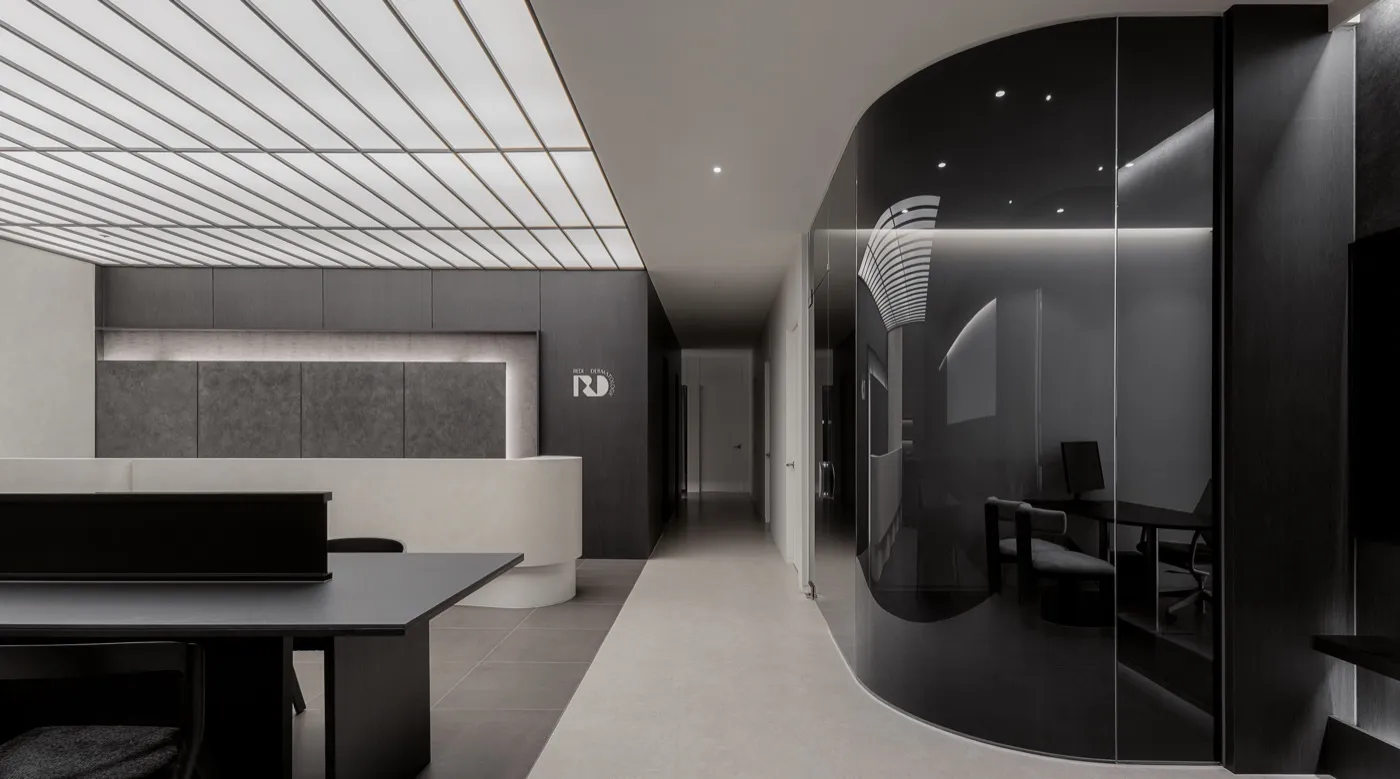
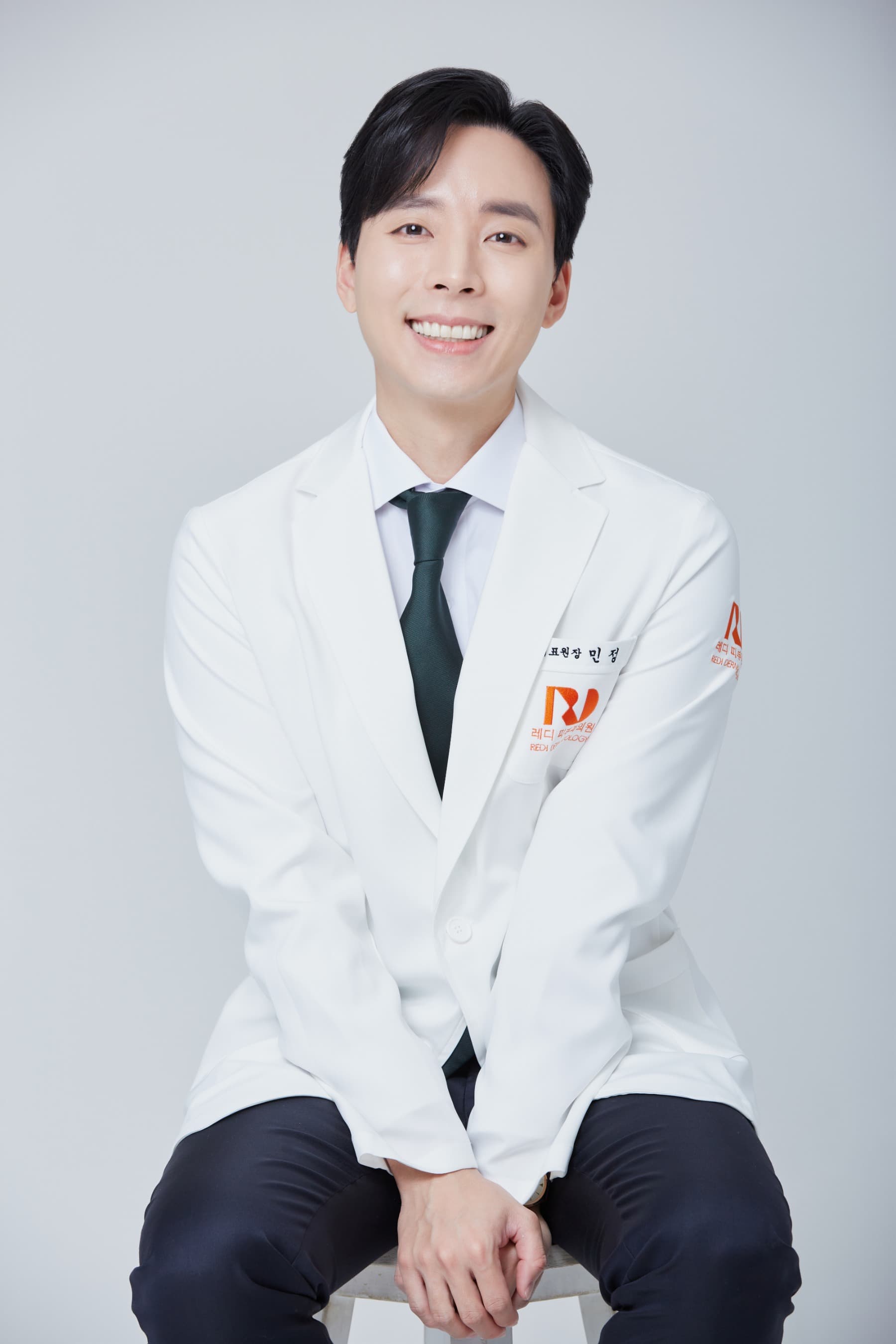
Dr. Min Jeong
Founding director, REDI Dermatology · Seoul
“A treatment isn't shopping. I'd rather diagnose first and recommend only what your skin genuinely needs — the same way I'd advise my own family.”
Board-certified dermatologist — trained at Kangbuk Samsung Hospital, and former Chief of Dermatology at the ROK Ministry of National Defense.
Juvelook Key Opinion Leader — 15,000+ vials administered, Korea's highest-volume clinic (Apr 2025). Key Opinion Leader titles are granted by device companies and carry no legal standing.
A regular speaker on clinical dermatology at Korean medical symposiums, including Juvelook clinical-experience panels.
Why international patients choose REDI
Interpreters in the room
English and Chinese, on site for your consultation and treatment.
Board-certified doctors only
Every procedure by a dermatology specialist — never unsupervised staff.
15,000+ Juvelook vials — No.1 in Korea
Hands-on volume most clinics have not reached.
Airport pickup arranged
So your first day in Seoul isn't spent lost with luggage.
Aftercare once you're home
Online follow-up, so a question next week still reaches your doctor.
Visit REDI Dermatology
4F & 5F, DM Tower Bldg. 2, 105 Bangbae-ro, Seocho-gu, Seoul, Korea
길찾기 (Get directions)Medically reviewed by Dr. Min Jeong, Founding Director / Board-Certified Dermatologist · Last updated
Edited by: Dr. Min Jeong
This article is general information, not medical advice. Results vary by individual. These are elective, non-insured aesthetic treatments. Please consult a board-certified doctor about your own case.
Ask what your skin actually needs
Free online consultation