
Skin Booster Aftercare in Korea: What to Do (and Avoid) After Your Treatment
Why aftercare matters more than people think
Hello, I'm Dr. Min Jeong, and I run REDI Dermatology in Seoul. If you've come to Korea for a skin booster — or you're planning to — please read this to the end, because how you care for your skin in the days after treatment genuinely shapes what you see in the mirror weeks later.
Here's something I tell patients often: the injection itself is only part of the work. A skin booster like Juvelook or Rejuran Healer sets a process in motion — your own skin responding, rebuilding, settling — and that process unfolds over days and weeks. Good aftercare doesn't create the result, but poor aftercare can quietly get in its way. So let's walk through exactly what to do, and what to avoid.
The first 24–48 hours: what's normal
Right after most skin boosters, downtime is minimal — usually around 24 hours. You may notice mild redness, a little swelling, or small temporary bumps at the injection points. With Juvelook, those small bumps and any redness typically settle within 24–48 hours. That's expected, not a problem.
Bruising is the one thing that follows its own schedule. Some people barely bruise; others do, and it can linger a few extra days. It's tied to your individual constitution and circulation, not to whether the treatment "worked." Results vary by individual, and so does recovery.
In these first two days, I ask patients to:
- Leave the area alone. Don't press, rub, or massage unless I've told you otherwise.
- Wait on makeup — about 24 hours, so the tiny injection points can close cleanly.
- Cleanse gently with lukewarm water and a mild cleanser, patting dry rather than scrubbing.
- Skip actives like strong retinoids or acid exfoliants for a few days.
Heat, sweat, and exercise: the week-long rules
This is the part patients most often underestimate. For roughly a week after a skin booster, I ask you to avoid saunas, jjimjilbang (Korean bathhouses), hot baths, and intense exercise.
The reason is simple: heat dilates blood vessels and can worsen swelling and redness while your skin is still calming down. A hot yoga class or a celebratory trip to a spa on day two can turn a smooth recovery into a puffy, flushed one. Light walking is fine — it's the heat and heavy exertion I want you to hold off on. If you're prone to facial redness or flushing, this matters even more for you.
How to actually support your results
Aftercare isn't only about what to avoid. A few positive habits genuinely help, especially with hydrating boosters:
- Drink plenty of water. Many skin boosters draw on your skin's hydration environment; staying well hydrated gives them something to work with.
- Moisturise and protect the barrier. A gentle, fragrance-free moisturiser helps lock in moisture from the outside while your skin settles.
- Wear sunscreen daily. This is non-negotiable — freshly treated skin deserves protection, and sun exposure works against an even, calm recovery. It matters across every Fitzpatrick skin type, and I pay particular attention to protecting deeper skin tones from post-inflammatory pigment.
- Sleep slightly elevated the first night or two if you're swelling-prone — it helps fluid drain.
Remember that a skin booster works gradually. With Juvelook, skin often looks hydrated and radiant fairly quickly, collagen-driven firmness tends to appear from around 2–4 weeks, and fuller changes in texture and elasticity develop over roughly 3–6 months. Patience is part of the protocol.
For international patients: timing your trip around downtime
Because most of my patients are flying in, I plan aftercare around your itinerary from the very first consultation. Here's how I usually think about it as a rough calendar:
- Day 0 (treatment day): Mild redness, possible small bumps and swelling. Rest, hydrate, no makeup.
- Day 1: Most redness and small bumps have eased. Many patients fly home comfortably now.
- Day 2–3: Bumps typically gone; if you bruise easily, a little discoloration may remain and can be covered gently with makeup.
- Week 1: Continue avoiding saunas, hot baths, and hard exercise.
If you bruise easily or simply want everything settled before a big event, I'd suggest building in 2–3 days rather than flying the very next morning. We decide this together — it's genuinely a case-by-case conversation, and one worth having before you book flights.
And the care doesn't end when you leave Korea. We keep in touch through online follow-up after you're home, so if a bump lingers or you have a question at day ten, you can message us and I'll advise. Our English- and Chinese-speaking interpreters are on site during your visit, so nothing about aftercare gets lost in translation. If you're still deciding which booster suits you, our guide to choosing the right skin booster is a good next read.
Skin boosters are elective, non-insured aesthetic treatments, and pricing is discussed transparently at your consultation — including the aftercare plan, which I consider part of the treatment, not an afterthought.
Takeaways
- The first 24–48 hours bring mild redness, small bumps, and possible swelling — all normal and usually settled within two days. Bruising varies by individual.
- Avoid heat and heavy exercise for about a week — saunas, jjimjilbang, hot baths, and intense workouts can worsen swelling and redness.
- Support your results with good hydration, gentle moisturising, and daily sunscreen; skip strong actives for a few days.
- Results develop gradually — hydration first, firmness from 2–4 weeks, fuller changes over 3–6 months. Results vary by individual.
- Plan travel around downtime: many fly the next day, but leave 2–3 days if you bruise easily. We plan your aftercare and follow-up together, including online support after you're home.
Frequently asked
How long is downtime after a skin booster in Korea?
For most skin boosters like Juvelook or Rejuran, downtime is minimal — usually about 24 hours. Mild redness, swelling, or small temporary bumps typically settle within 24–48 hours. Bruising, if it happens, can take longer and varies by individual.
Can I fly home after a skin booster treatment?
Many patients fly the next day without issue, since downtime is usually about a day. If you bruise easily or want the small injection bumps to settle first, I'd suggest leaving 2–3 days. We plan your timeline together based on your treatment and travel.
When can I wear makeup after a skin booster?
I generally suggest waiting about 24 hours before makeup so the tiny injection points can close. Gentle, clean application after that is fine. We confirm the exact timing for your specific treatment at your visit.
Should I avoid saunas after a skin booster in Korea?
Yes — I ask patients to avoid saunas, jjimjilbang, hot baths, and intense exercise for about a week. Heat can worsen swelling and redness while your skin settles. Results vary by individual.
What aftercare helps skin boosters work better?
Stay well hydrated, keep the skin moisturised and protected with sunscreen, avoid heat and heavy exercise for a few days, and don't rub or massage the area unless advised. These simple habits support a calm, even recovery.
Keep reading
More on this from Dr. Min Jeong.
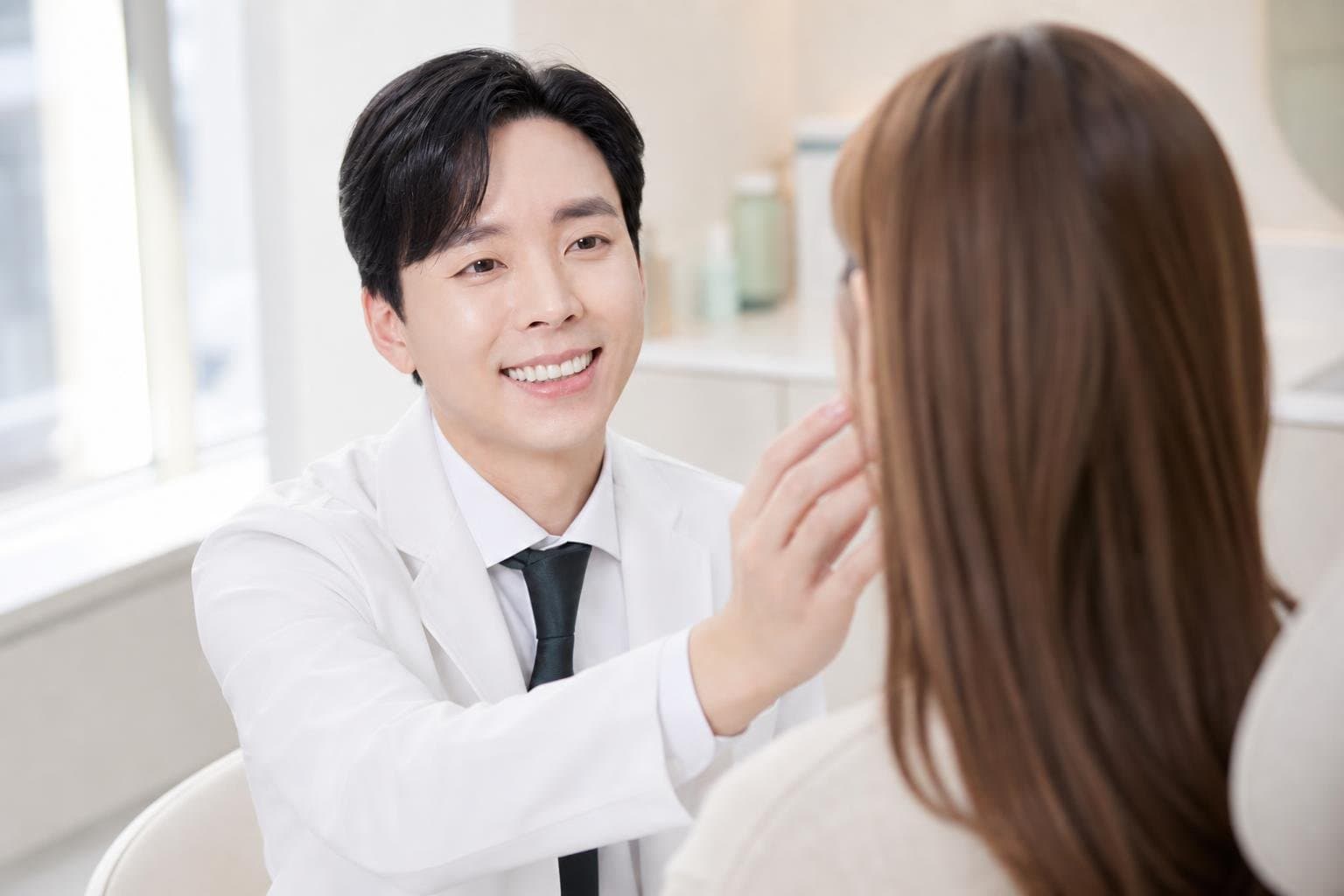



Dr. Min Jeong
Founding director, REDI Dermatology · Seoul
“A treatment isn't shopping. I'd rather diagnose first and recommend only what your skin genuinely needs — the same way I'd advise my own family.”
Board-certified dermatologist — trained at Kangbuk Samsung Hospital, and former Chief of Dermatology at the ROK Ministry of National Defense.
Juvelook Key Opinion Leader — 15,000+ vials administered, Korea's highest-volume clinic (Apr 2025). Key Opinion Leader titles are granted by device companies and carry no legal standing.
A regular speaker on clinical dermatology at Korean medical symposiums, including Juvelook clinical-experience panels.
Why international patients choose REDI
Interpreters in the room
English and Chinese, on site for your consultation and treatment.
Board-certified doctors only
Every procedure by a dermatology specialist — never unsupervised staff.
15,000+ Juvelook vials — No.1 in Korea
Hands-on volume most clinics have not reached.
Airport pickup arranged
So your first day in Seoul isn't spent lost with luggage.
Aftercare once you're home
Online follow-up, so a question next week still reaches your doctor.
Explore the treatment
Juvelook Skin Booster
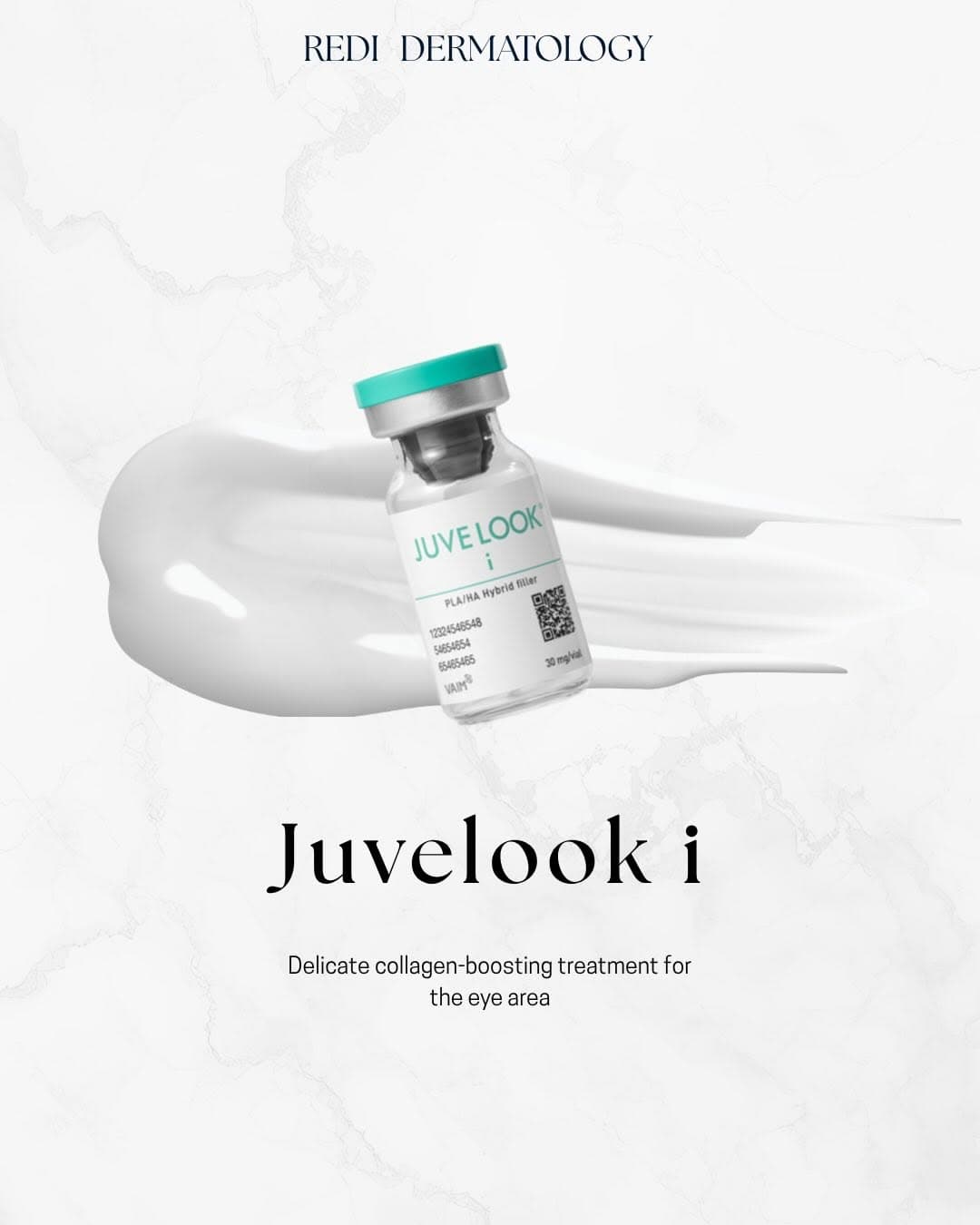
Juvelook is a PDLLA (poly-D,L-lactide) collagen booster that stimulates your skin's own collagen production to improve pores, firmness, fine lines, scars, and overall tone. Unlike a filler that simply adds volume, it helps the skin rebuild itself, so results develop naturally over time. At REDI, the blend and hydration protocol was refined by our Juvelook key doctor, and we match the delivery method — Dermashine Pro, Potenza, MIRAJET, Double Tite, and more — to your specific skin condition. With 15,000+ vials of hands-on experience, we know that the same product can deliver very different results depending on technique.
Rejuran Healer & Rejuran HB Plus
Rejuran Healer, a tissue-regenerating substance derived from salmon, is injected to effectively renew damaged skin. If you're sensitive to pain, Rejuran HB Plus — which contains lidocaine — offers a more comfortable treatment.
Visit REDI Dermatology
4F & 5F, DM Tower Bldg. 2, 105 Bangbae-ro, Seocho-gu, Seoul, Korea
길찾기 (Get directions)Medically reviewed by Dr. Min Jeong · Last updated
This article is general information, not medical advice. Results vary by individual. These are elective, non-insured aesthetic treatments. Please consult a board-certified doctor about your own case.
Ask what your skin actually needs
Free online consultation