
Skin Tightening in Korea: A Dermatologist's Honest Guide to Choosing the Right Device

Why "skin tightening in Korea" is really a question about matching, not machines
Hello, I'm Dr. Min Jeong, the founding director of REDI Dermatology in Seoul. If you're researching skin tightening in Korea, you've probably noticed there are dozens of device names — Ultherapy, Thermage-style radiofrequency, Sofwave, HIFU, RF microneedling — and very confident marketing behind each one. I'd gently ask you to read this to the end, because the most important thing I've learned in fifteen years of practice is this: the device matters far less than whether it fits your face.
In my clinic I see the same disappointment again and again. Someone flies in, pays for a famous, expensive lift, and feels almost nothing changed. Nine times out of ten, the machine was fine — it simply wasn't the right one for their type of aging. So instead of ranking devices from "best" to "worst," I want to help you understand which kind of skin tightening answers your specific concern.
First, know your aging type — sagging vs. crepey skin
Here's a mirror test I ask patients to do in the consultation room. Look in a mirror and gently pull both cheeks up toward your ears.
- "Wow, I look years younger when I pull." Your deeper structure has descended — this is the sagging type. A surface treatment alone won't be enough; you need something that reaches the deeper layers first.
- "I pulled, but the surface still looks crinkled and thin." Your dermal collagen has thinned, like a wrapper that's gone crumpled — this is the crepey / fine-line type. This is where gentler dermal-stimulating devices shine.
Most people are a mix of both, which is exactly why one-size-fits-all "tightening packages" so often disappoint. At REDI we're diagnosis-first: I look at your skin thickness, degree of laxity, and where the volume has gone before I recommend anything.
The deep-layer lifts: for sagging contours
When the jawline, neck, or mid-face has genuinely descended, we need energy that reaches the deep support layers.
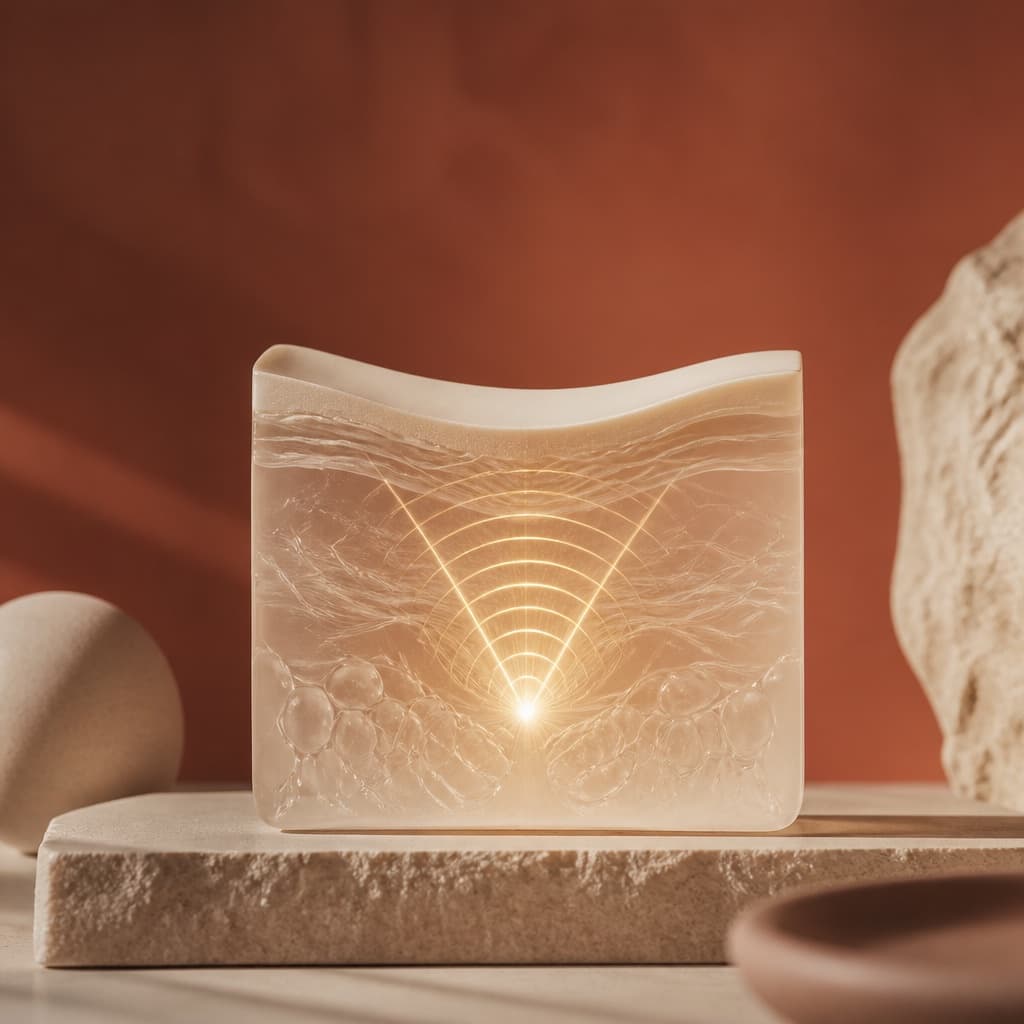
Ultherapy Prime delivers focused ultrasound precisely to the deep SMAS layer — the same layer addressed in surgical lifts — to contract the tissue that drives sagging, with no incision. You may feel a mild tightening right away, but the real lift develops gradually over about 2–3 months as new collagen forms. Results typically last around 1–1.5 years and vary by individual. You can read more on our Ultherapy Prime treatment page.
Density is an alternative that uses radiofrequency delivered at multiple depths. Compared with ultrasound, it generally feels more comfortable and gives a more immediate sense of tightening. When patients ask me "Ultherapy or Density?", my honest answer is that it depends on your skin — that's a decision we make together after diagnosis, not before.
The comfortable, low-downtime options: for crepey skin and early laxity
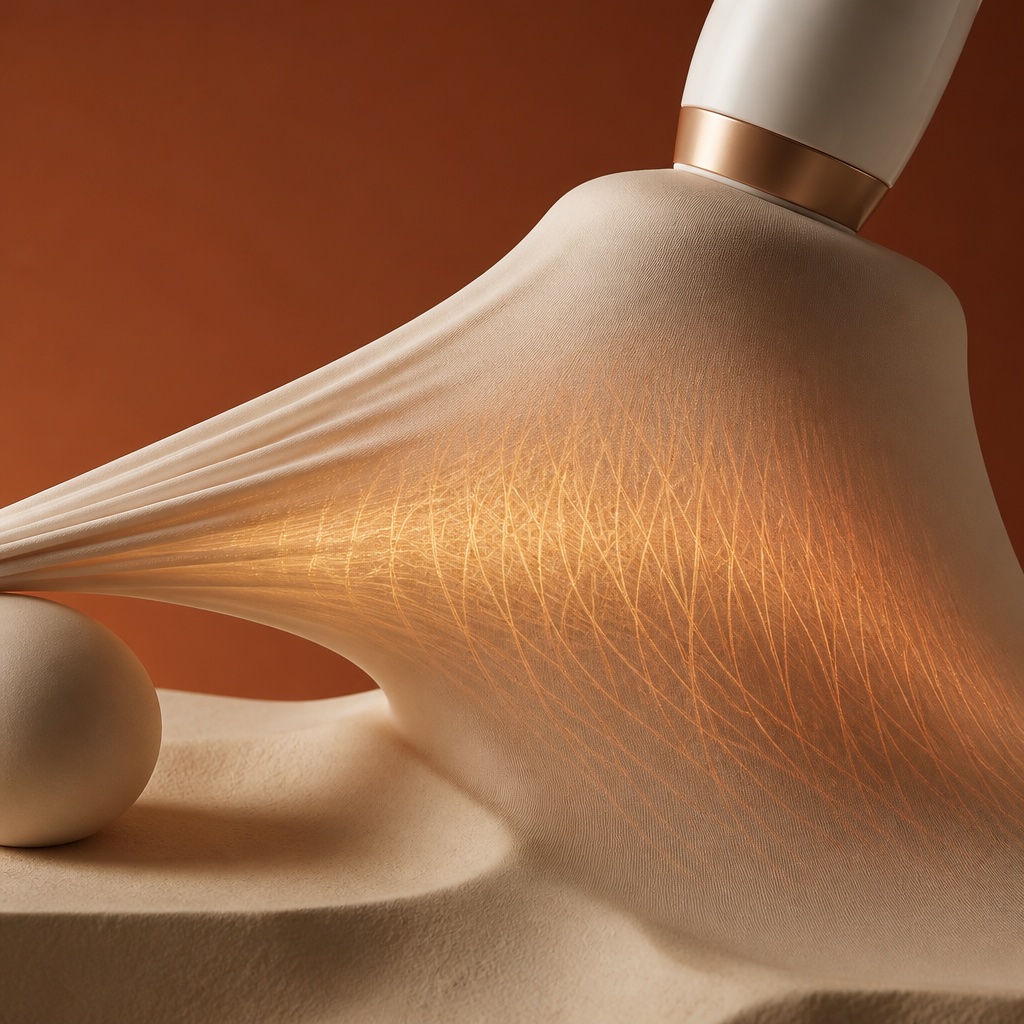
If your concern is thin, crinkly texture rather than heavy sagging, gentler dermal-stimulating devices are often the smarter choice.
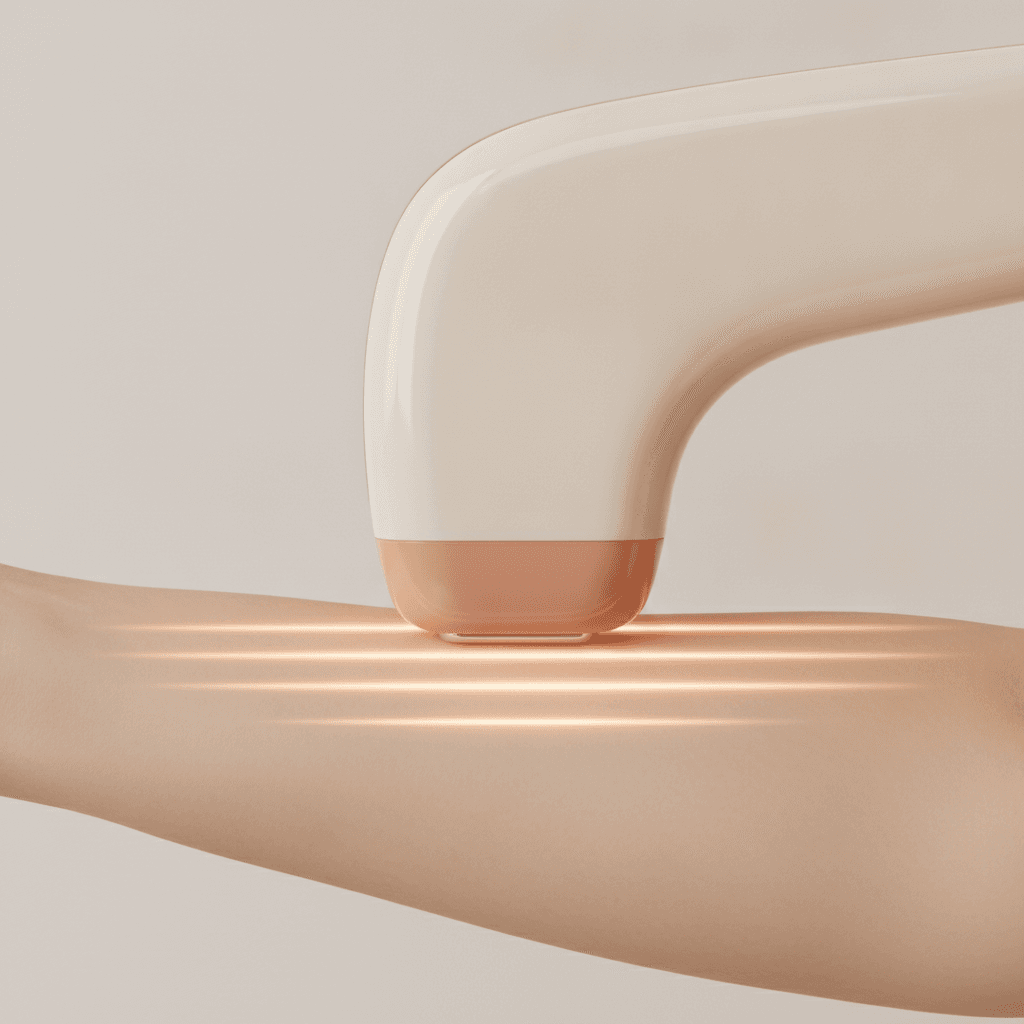
Sofwave delivers ultrasound optimized for the ~1.5 mm depth where fine lines form, with a real-time temperature-sensing cooling system that protects the surface. Because it's designed to stimulate collagen while shielding the epidermis, it's relatively comfortable and can be considered across a range of skin tones — an important point for my international patients with deeper skin. See the Sofwave treatment page for details.
Tune Face is a monopolar radiofrequency lift that warms the deeper layers smoothly across a broad area, so it tends to feel mild. Contour refines over roughly 4–12 weeks as collagen rebuilds, and most people maintain with 1–2 sessions a year.
Emface works without needles, pairing radiofrequency with muscle stimulation (HIFES) to address both skin firmness and the facial muscles beneath — a comfortable ~20-minute option with little to no downtime.
When tightening also means texture and pores
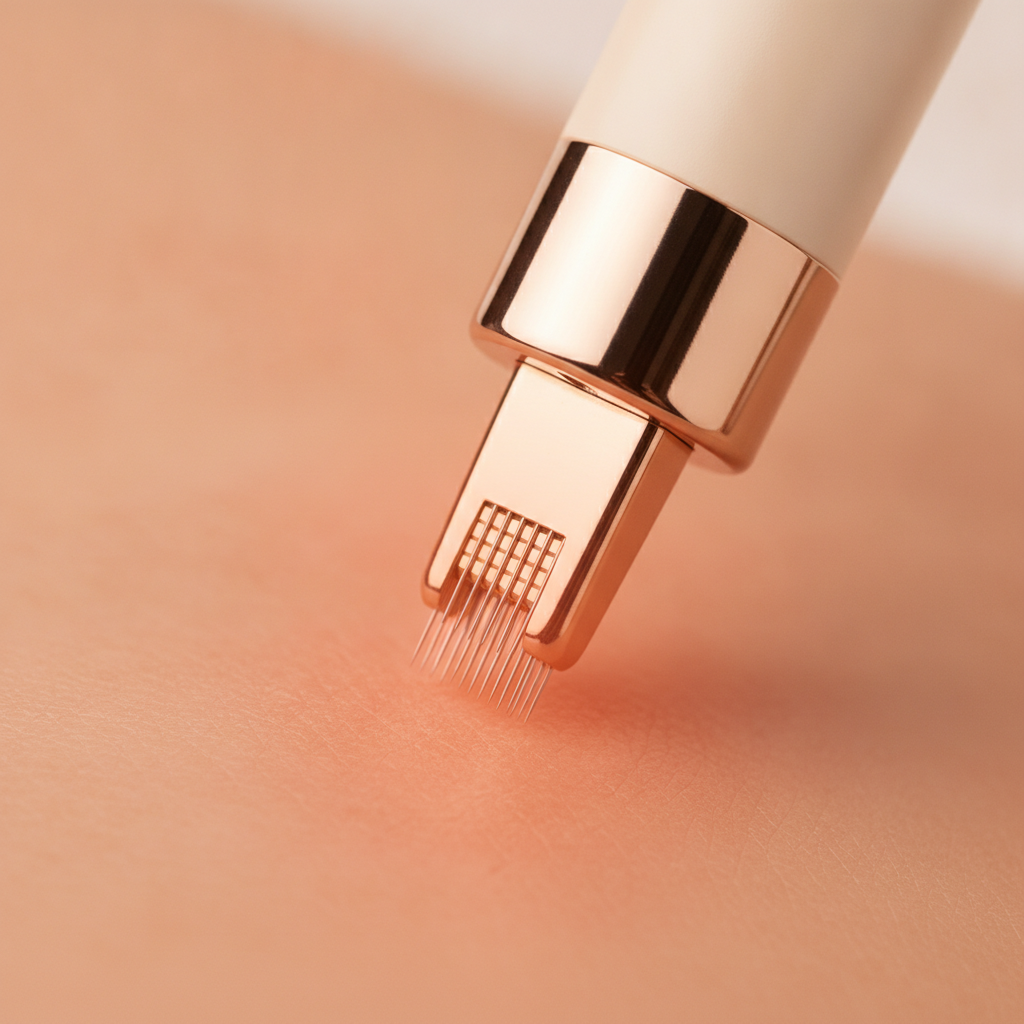
Sometimes laxity comes bundled with enlarged pores, scars, or rough texture. Here I lean toward RF microneedling and combination platforms.
Exion combines microneedle radiofrequency with AI-controlled energy that reads your skin's resistance in real time and adjusts intensity accordingly. It can address laxity, pores, and fine lines together. Because stronger energy goes in, expect 1–2 days of possible redness or mild swelling — which is why I often pair it with a skin booster to support recovery.
Alltite channels focused microwave energy into the dermis and SMAS with finely tuned output, which makes it a considered option even for thin or sensitive skin. Downtime runs about 1–3 days with possible redness or swelling.
Flight and downtime: a realistic calendar for international patients
The question I get most from patients flying into Korea is: "When can I fly home, and will I look presentable?" Here's a general guide — always confirmed for your specific plan at consultation.
- Day 0 (treatment day): Most ultrasound and RF lifts (Ultherapy Prime, Density, Sofwave, Tune Face, Emface) have minimal or no downtime. Mild redness may appear and usually settles within hours.
- Day 1–2: For low-downtime devices, you can typically resume normal activity and travel. This is the window where many short-trip patients fly out.
- Day 1–3: RF microneedling options (Exion, Alltite) may show mild redness or swelling before it eases.
- Weeks 2–12: The collagen-driven lift and firmness develop gradually. This is normal — it's your own skin rebuilding, not a delay or a failure.
Because the visible tightening builds over weeks, please don't judge your result the day you leave. Results vary by individual, and I set realistic expectations with you before we begin.
How I approach your treatment — and what "same device, different result" really means
I sometimes tell patients that the same device can be a life-changing treatment on one face and wasted money on another, depending on who is treating and how. That's not marketing — it's the reality of energy-based skin tightening. Depth, intensity, and where the energy lands must be matched to your skin thickness and laxity, region by region.
At REDI, English- and Chinese-speaking interpreters are on site, and I personally handle the consultation through to the treatment itself — so nothing gets lost between the person who assessed your face and the person holding the device. After you return home, we follow up with online aftercare, so you're never left wondering on your own.
On pricing: skin tightening here is an elective, non-insured aesthetic treatment, and I prefer to discuss costs transparently at your consultation once we know exactly which approach suits you, rather than quoting a number that may not fit your case.
A quick, honest note on device titles you'll see online: designations such as "KOL" or "key doctor" are granted by device companies and carry no legal standing. I mention our experience only so you understand our hands-on familiarity — not as a promise of any specific outcome.
Takeaways
- Skin tightening in Korea is less about finding the "best machine" and more about matching the right device to your aging type — sagging vs. crepey skin.
- Deep sagging usually calls for SMAS-level lifts (Ultherapy Prime, Density); thin, crinkly skin often responds well to comfortable dermal-stimulating options (Sofwave, Tune Face, Emface).
- If laxity comes with pores or scars, RF microneedling platforms (Exion, Alltite) address both — with 1–3 days of possible redness.
- Most lifts have minimal downtime, so many international patients fly out within 1–2 days, but the real firmness builds gradually over weeks to months.
- At REDI we diagnose first, adjust for your skin tone and thickness, and provide interpreters and online aftercare. Results vary by individual.
Frequently asked
Is non-surgical skin tightening in Korea permanent?
No. These treatments stimulate your own collagen, so firmness develops gradually and then eases over time. With Ultherapy Prime, results typically last about 1–1.5 years and vary by individual, so periodic maintenance is recommended.
How soon can I fly home after skin tightening?
Most of our lifting treatments have little to no downtime, so many international patients fly out within a day or two. Devices like Alltite or Exion may cause mild redness or swelling for 1–3 days. We plan your timing around your trip during consultation.
Which is better, Ultherapy or Density?
Ultherapy Prime uses ultrasound to reach the deep SMAS layer, while Density uses radiofrequency and generally feels more comfortable with a more immediate tightening sensation. Neither is universally 'better' — we recommend the best fit after diagnosing your skin. Results vary by individual.
Does skin tightening work on darker skin tones?
Several of our devices, such as Sofwave, are designed to protect the skin surface while heating the dermis, which makes them relatively suitable across a range of skin tones. We assess your Fitzpatrick type first and adjust settings accordingly.
How many sessions will I need?
It depends on the device and your skin. Some radiofrequency and ultrasound lifts can show an effect after a single session, while microneedle or booster-based approaches often work best in a short series. We set your plan together after diagnosis.
Keep reading
More on this from Dr. Min Jeong.




Dr. Min Jeong
Founding director, REDI Dermatology · Seoul
“A treatment isn’t shopping. I’d rather diagnose first and recommend only what your skin genuinely needs — the same way I’d advise my own family.”
Board-certified dermatologist — trained at Kangbuk Samsung Hospital, and former Chief of Dermatology at the ROK Ministry of National Defense.
Recognized by VAIM as Korea's highest-volume Juvelook injector, with 15,000+ vials of hands-on experience; KOL for MIRAJET, Potenza and Oligio.
A regular speaker on clinical dermatology at Korean medical symposiums, including Juvelook clinical-experience panels.
Why international patients choose REDI
Interpreters in the room
English and Chinese, on site for your consultation and treatment.
Board-certified doctors only
Every procedure by a dermatology specialist — never unsupervised staff.
15,000+ Juvelook vials
Hands-on volume most clinics have not reached.
Airport pickup arranged
So your first day in Seoul isn't spent lost with luggage.
Aftercare once you're home
Online follow-up, so a question next week still reaches your doctor.
Explore the treatment
Ultherapy Prime
Ultherapy Prime is a globally validated non-surgical facelift. It delivers focused ultrasound energy precisely to the deep SMAS layer — the same layer addressed in surgical lifts — to contract the tissue that drives sagging and lift the contour without any incision. It can help with a softening jawline, neck, and eye area, and because it works by stimulating new collagen, results settle in gradually. At REDI, we diagnose your skin thickness and degree of laxity first, then design the depth and number of shots accordingly — prioritizing a lift that is both safe and genuinely noticeable over raw intensity.
Sofwave
A non-invasive lift delivering ultrasound energy optimized for the 1.5 mm depth where wrinkles form. A powerful cooling system that senses skin temperature in real time minimizes discomfort while effectively smoothing wrinkles, even on delicate areas like the face and neck.
Visit REDI Dermatology
4F & 5F, DM Tower Bldg. 2, 105 Bangbae-ro, Seocho-gu, Seoul, Korea
길찾기 (Get directions)Medically reviewed by Dr. Min Jeong, board-certified dermatologist · Last updated July 30, 2026
This article is general information, not medical advice. Results vary by individual. These are elective, non-insured aesthetic treatments. Please consult a board-certified doctor about your own case.