
K Beauty Skin Treatment in Korea: What a Dermatologist Actually Recommends
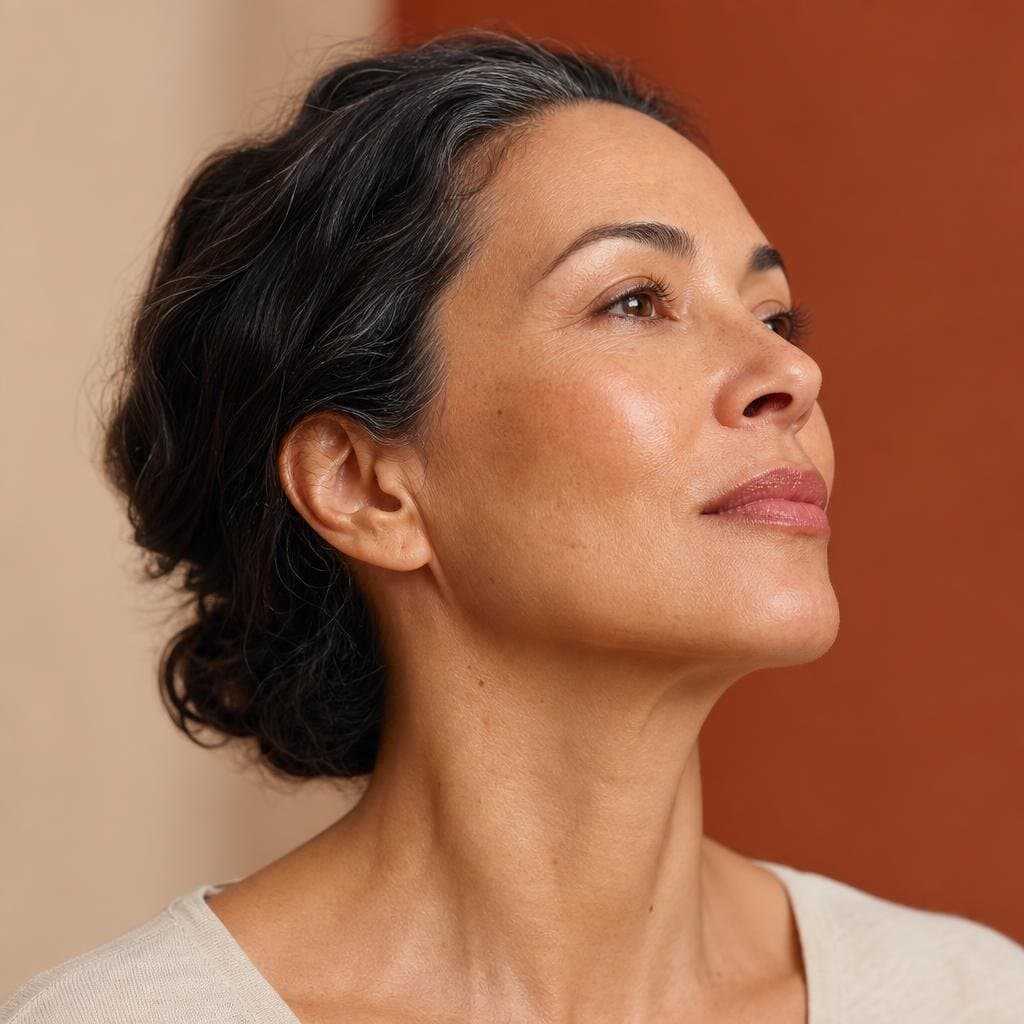
What "K beauty skin treatment" really means once you're in the clinic
Hello, I'm Dr. Min Jeong, founding director of REDI Dermatology in Seoul. Patients fly in from all over asking for "the K beauty skin treatment," and I always smile a little — because the phrase covers a huge range, from a 10-dollar sheet mask to an in-office collagen booster. Please read to the end, because I want to clear up what actually happens at a clinic and help you spend your time and budget wisely rather than chasing a buzzword.
When people say "K beauty" they often picture glass skin — that hydrated, even, quietly glowing look. At a dermatology clinic, that look isn't one magic product. It's the result of matching the right in-office treatment to your skin: collagen-stimulating skin boosters, non-surgical lifting, and pigment care. Everything I describe below is elective, non-insured aesthetic care, and results vary by individual.
The three pillars of a K beauty skin treatment plan
After thousands of consultations, I've found it helps international patients to think in three simple buckets. Almost every "K beauty" goal falls into one of these.
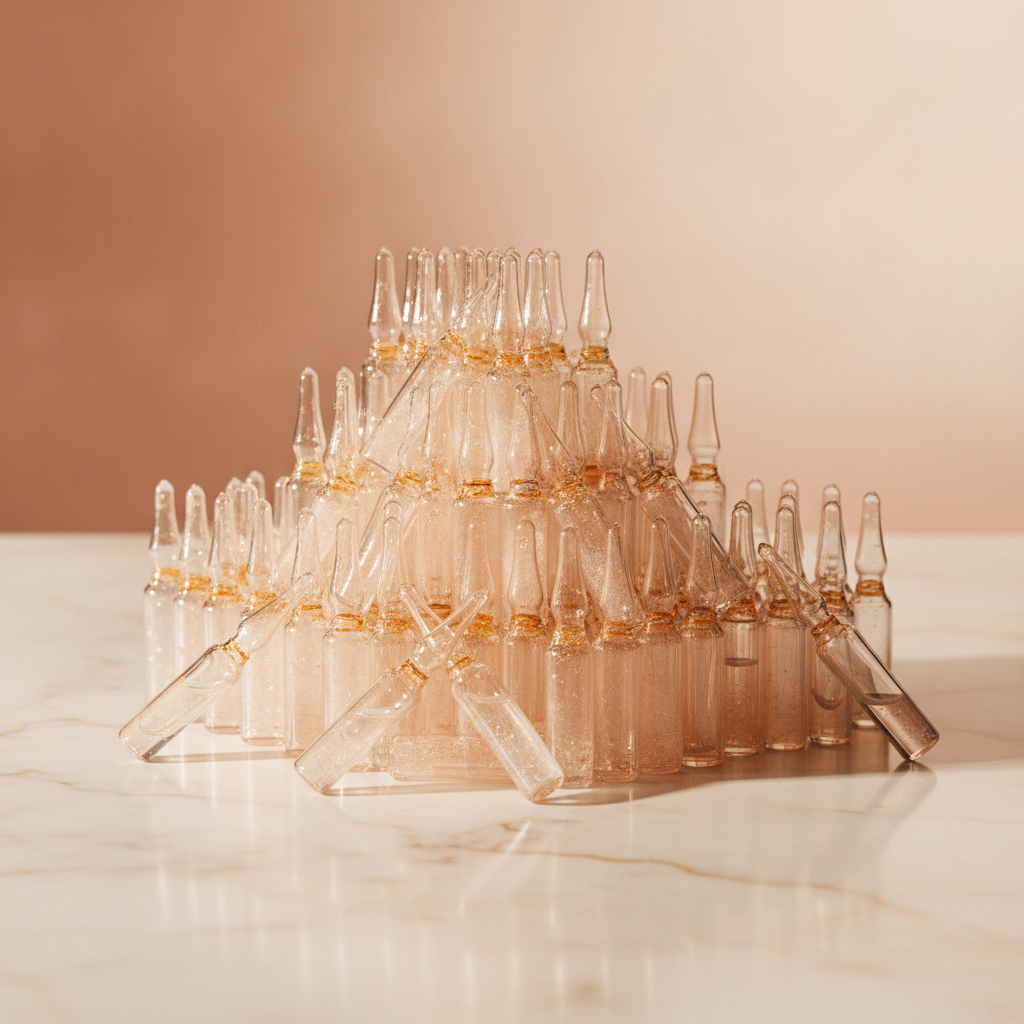
1. Skin boosters — the "glass skin" foundation
This is the category most closely tied to the K beauty glow. Rather than sitting on the surface, these are injected into the skin to work from within.
- Juvelook is a PDLLA collagen booster that stimulates your own collagen to refine pores, fine lines, texture, and tone over time. It is not a filler — a filler adds instant volume, whereas Juvelook encourages your skin to rebuild itself, so the change develops naturally. Most people need around 3 sessions spaced roughly 4–6 weeks apart. REDI is a Juvelook Key Opinion Leader clinic with 15,000+ vials of hands-on experience, and I'll be honest with you: the same product gives different results depending on the blend, hydration, and injection technique.
- Rejuran Healer uses salmon-derived polynucleotide (PN) to support the skin's own recovery environment — a good choice when the priority is calming and repairing sensitive or stressed skin.
If you're deciding between the two: choose Juvelook to rebuild collagen and firm texture, and Rejuran to repair and soothe. They can also be combined, and we decide together after diagnosis.
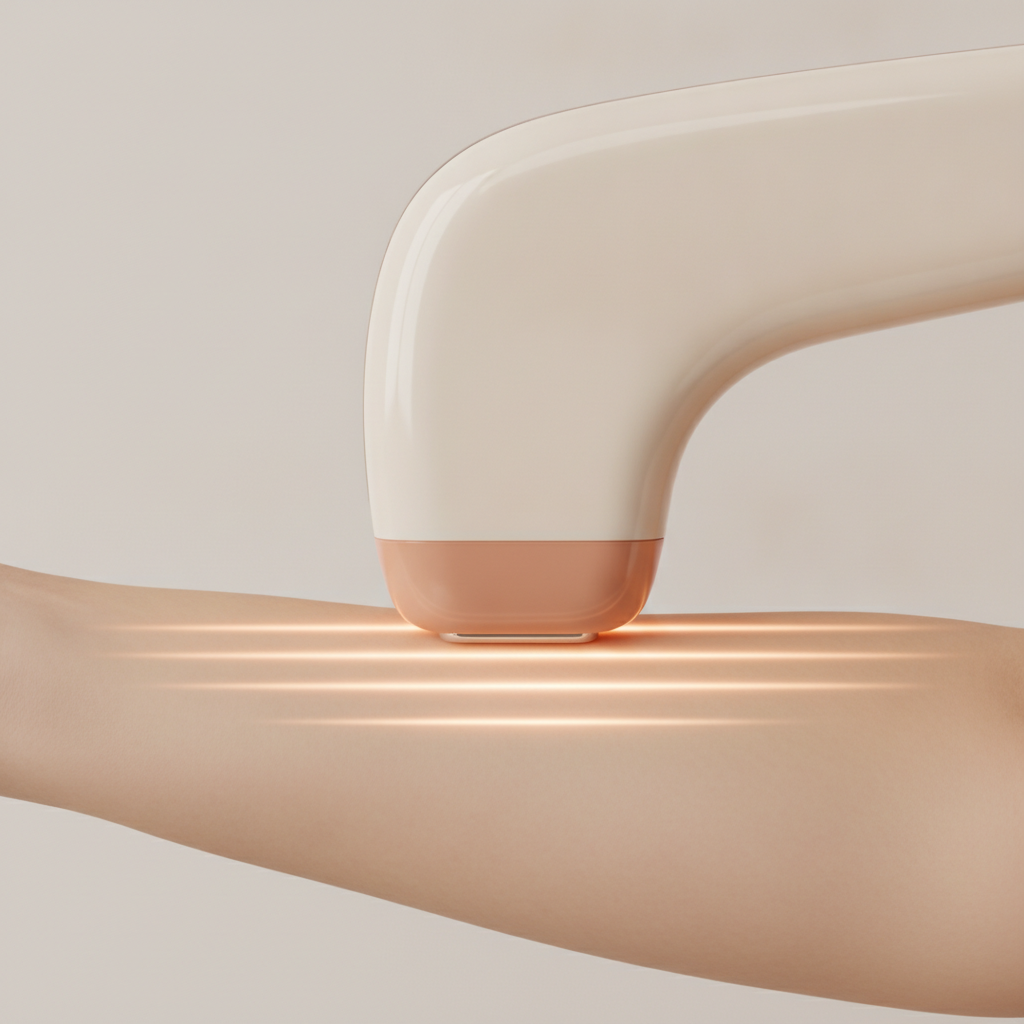
2. Non-surgical lifting — for firmness and contour
If sagging or a softening jawline bothers you, this pillar is where you look. Because REDI is a non-surgical clinic, everything here works without incisions.
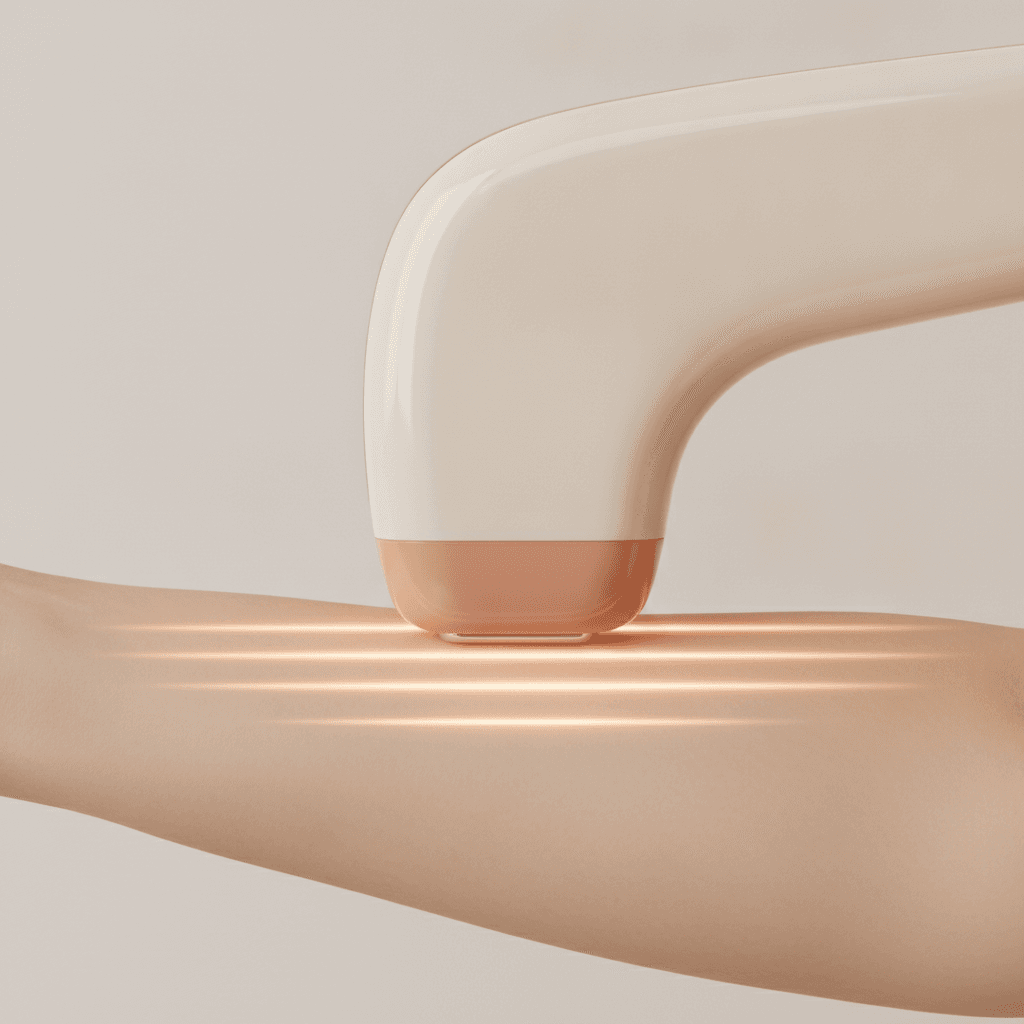
- Sofwave delivers ultrasound energy to about 1.5 mm depth, where fine lines form. Its real-time cooling protects the surface, which makes it relatively comfortable across a range of skin tones — genuinely useful for my international patients on short trips.
- Ultherapy Prime targets the deeper SMAS layer that drives sagging; lifting develops gradually over about 2–3 months as collagen forms.
- Exion and Density combine radiofrequency and micro-technology for those who want to address firmness, texture, and pores together.
A quick honest note from the treatment room: no single lifting device suits every face. Someone whose main concern is crepey fine lines is a great Sofwave candidate; someone with deeper structural sagging may need a deeper device first. We diagnose your skin thickness and degree of laxity before recommending anything.
3. Pigment care — even tone and clarity
The "clear, even" half of glass skin lives here.
- Laser Toning and Pico Toning work gradually across several sessions to manage melasma, blemishes, and dull tone while limiting irritation.
- Helios IV is a Q-switched laser used flexibly for varied pigment concerns.
This is where skin tone matters most. For darker skin tones (Fitzpatrick IV–VI), settings must be chosen carefully to reduce the risk of post-inflammatory pigmentation. This is exactly why I diagnose pigment type and depth before we choose a device or intensity.
What I've learned from doing this every day
Two things I tell almost every international patient:
First, "K beauty" is a technique, not just a product. As I explain to my own patients when they ask about boosters like Radiesse, the very same injectable can look beautiful or clumsy depending on dilution and technique. I trained on these treatments hands-on — including going abroad for advanced training and later lecturing other doctors — precisely because technique is the difference. So don't shop for a device name alone; shop for a clinic that diagnoses your face first.
Second, subtle beats overdone. The K beauty look my international patients love is quietly natural — better skin, not an obviously "worked-on" face. That's the outcome I aim for.
Planning your trip: a realistic downtime calendar
Because so many of you are flying in, here's a simple way to think about scheduling. (Always individual — we confirm your exact plan at consultation.)
- Day 0 — treatment day. Gentle options like Sofwave, laser toning, or Emface have little to no downtime. Skin boosters may leave mild redness or small temporary bumps.
- Day 1–2. Skin-booster redness and small bumps usually settle within 24–48 hours. Many patients are comfortable in makeup by now.
- Day 3 → Week 1. Most short-downtime treatments have fully calmed. Some deeper radiofrequency options (for example Exion or Alltite) can involve 1–3 days of redness or swelling, so build in buffer days.
If your goal is glass-skin glow before a specific event, tell me the date — timing the sessions is half the work.
Cost, language, and coming to Korea on your own
On pricing: because a proper plan is built around your skin, I don't post fixed figures here. We discuss cost transparently at your consultation once we know what your skin actually needs.
On language and logistics — this is the part that reassures most first-time visitors:
- English and Chinese interpreters are on site.
- You can pre-consult with us on WhatsApp before you even book a flight.
- I personally guide you from the first consultation through the procedure.
- Airport pickup is available, and after you fly home we continue online aftercare, so you're never left wondering what to do next.
You do not need to arrive knowing Korean, and you do not need to arrive alone in the sense of feeling unsupported.
Takeaways
- "K beauty skin treatment" at a clinic mainly means three pillars: skin boosters (glow/texture), non-surgical lifting (firmness/contour), and pigment care (even tone).
- Juvelook builds your own collagen for a natural glass-skin look; Rejuran repairs and calms — often chosen or combined after diagnosis.
- Technique and diagnosis matter more than the device name — the same product can look great or clumsy depending on who does it.
- Downtime ranges from little-to-none (Sofwave, toning) to 1–3 days (some RF treatments); plan your flight accordingly.
- For darker skin tones, pigment and laser settings are adjusted carefully to reduce pigmentation risk.
- Interpreters on site, WhatsApp pre-consults, airport pickup, and online aftercare mean you can come with confidence. Results vary by individual.
Frequently asked
What does "K beauty skin treatment" actually mean at a clinic?
At a dermatology clinic it usually refers to in-office procedures like collagen-stimulating skin boosters (Juvelook, Rejuran), non-surgical lifting (Sofwave, Ultherapy Prime, Density), and pigment care (laser or pico toning) — not just cosmetics. At REDI we diagnose your skin first, then build a plan from these. Results vary by individual.
How many days should I stay in Korea for K beauty skin treatments?
It depends on the treatment. Gentle options like Sofwave or laser toning have little to no downtime, while skin boosters usually settle within 24-48 hours. We can map a Day 0 to Week 1 plan around your flight during a free online consultation.
Is K beauty skin treatment safe for darker skin tones?
Many treatments can be adapted for Fitzpatrick IV-VI, but pigment and laser settings must be chosen carefully to reduce the risk of post-inflammatory pigmentation. REDI is diagnosis-first and adjusts parameters to your skin tone. Results vary by individual.
What is the difference between a skin booster and a filler?
A filler instantly adds volume, while a collagen skin booster such as Juvelook stimulates your own collagen for gradual, natural improvement in pores, texture, and firmness. They serve different goals, and we suggest the right fit after diagnosis.
Do I need to speak Korean to get treated at REDI?
No. We have English and Chinese interpreters on site, and you can pre-consult with us on WhatsApp before you fly. I personally guide you from consultation through the procedure.
Keep reading
More on this from Dr. Min Jeong.



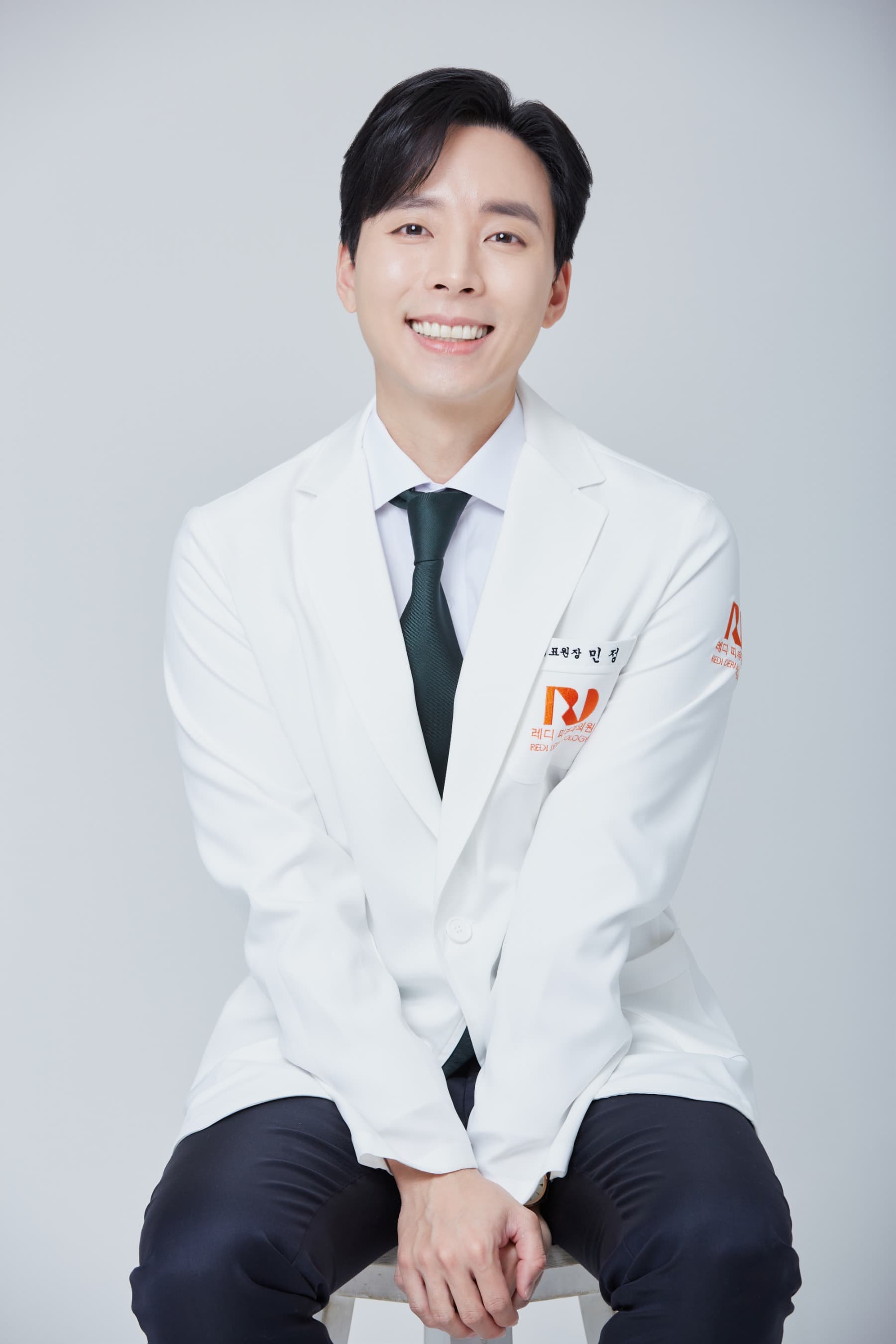
Dr. Min Jeong
Founding director, REDI Dermatology · Seoul
“A treatment isn’t shopping. I’d rather diagnose first and recommend only what your skin genuinely needs — the same way I’d advise my own family.”
Board-certified dermatologist — trained at Kangbuk Samsung Hospital, and former Chief of Dermatology at the ROK Ministry of National Defense.
Recognized by VAIM as Korea's highest-volume Juvelook injector, with 15,000+ vials of hands-on experience; KOL for MIRAJET, Potenza and Oligio.
A regular speaker on clinical dermatology at Korean medical symposiums, including Juvelook clinical-experience panels.
Why international patients choose REDI
Interpreters in the room
English and Chinese, on site for your consultation and treatment.
Board-certified doctors only
Every procedure by a dermatology specialist — never unsupervised staff.
15,000+ Juvelook vials
Hands-on volume most clinics have not reached.
Airport pickup arranged
So your first day in Seoul isn't spent lost with luggage.
Aftercare once you're home
Online follow-up, so a question next week still reaches your doctor.
Explore the treatment
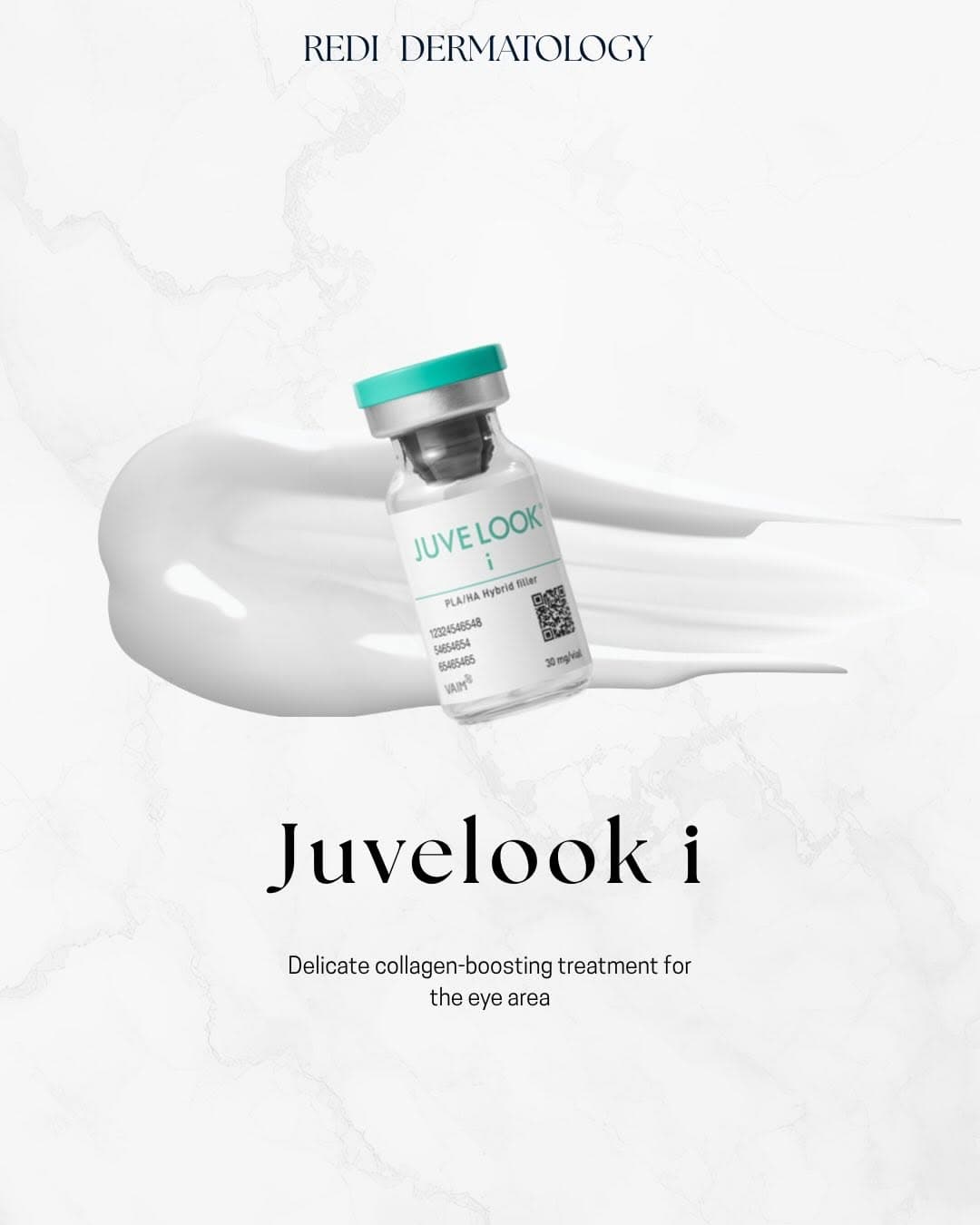
Juvelook Skin Booster
Juvelook is a PDLLA (poly-D,L-lactide) collagen booster that stimulates your skin's own collagen production to improve pores, firmness, fine lines, scars, and overall tone. Unlike a filler that simply adds volume, it helps the skin rebuild itself, so results develop naturally over time. At REDI, the blend and hydration protocol was refined by our Juvelook key doctor, and we match the delivery method — Dermashine Pro, Potenza, MIRAJET, Double Tite, and more — to your specific skin condition. With 15,000+ vials of hands-on experience, we know that the same product can deliver very different results depending on technique.
Sofwave
A non-invasive lift delivering ultrasound energy optimized for the 1.5 mm depth where wrinkles form. A powerful cooling system that senses skin temperature in real time minimizes discomfort while effectively smoothing wrinkles, even on delicate areas like the face and neck.
Visit REDI Dermatology
4F & 5F, DM Tower Bldg. 2, 105 Bangbae-ro, Seocho-gu, Seoul, Korea
길찾기 (Get directions)Medically reviewed by Dr. Min Jeong, board-certified dermatologist · Last updated July 24, 2026
This article is general information, not medical advice. Results vary by individual. These are elective, non-insured aesthetic treatments. Please consult a board-certified doctor about your own case.