
Fine Lines Treatment in Korea: What Actually Softens Them (A Dermatologist Explains)

First, a quick hello
Hi, I'm Dr. Min Jeong, and at REDI in Seoul I spend a lot of my day with patients who point at the corners of their eyes, their forehead, or the lines around their mouth and ask the same honest question: can these actually be softened without surgery? The short answer is yes — but the useful answer depends on what kind of fine lines you have and why they're there. If you're considering fine lines treatment in Korea, I'd love for you to read to the end, because the wrong treatment on the right lines (or the right treatment on the wrong lines) is one of the most common mismatches I see.
What "fine lines" actually are
Not all lines are the same, and that distinction is the whole game. Fine lines are the shallow, early creases that appear as the skin's collagen and elastin thin out and the surface loses a little of its bounce. They're different from deep folds driven by heavy sagging, and different again from expression lines that only show when you move.
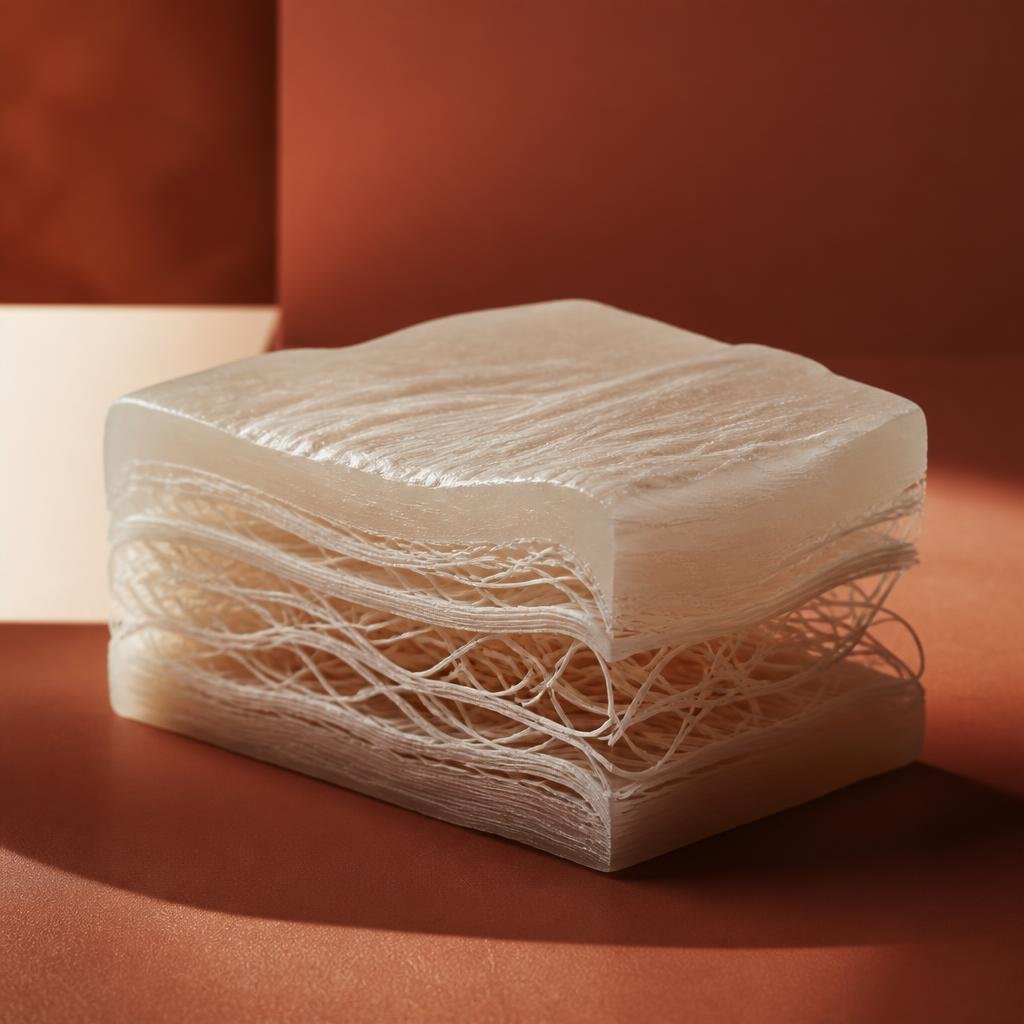
Why does this matter to you as a patient? Because a treatment that rebuilds collagen in the dermis is the right tool for genuine fine lines, while a lift that contracts deep tissue is really designed for a sagging contour. When I diagnose your skin first, I'm mostly sorting out which of these you actually have — and often it's a mix, which is fine, we just plan for it.
Rebuilding the foundation: collagen boosters
For true fine lines, my starting point is usually to rebuild the skin from underneath rather than just to smooth the surface. Juvelook is a PDLLA collagen booster I use often for this — unlike a filler that simply adds volume, it stimulates your own collagen so the skin gradually rebuilds itself, helping with fine lines, pores, firmness, and tone together.
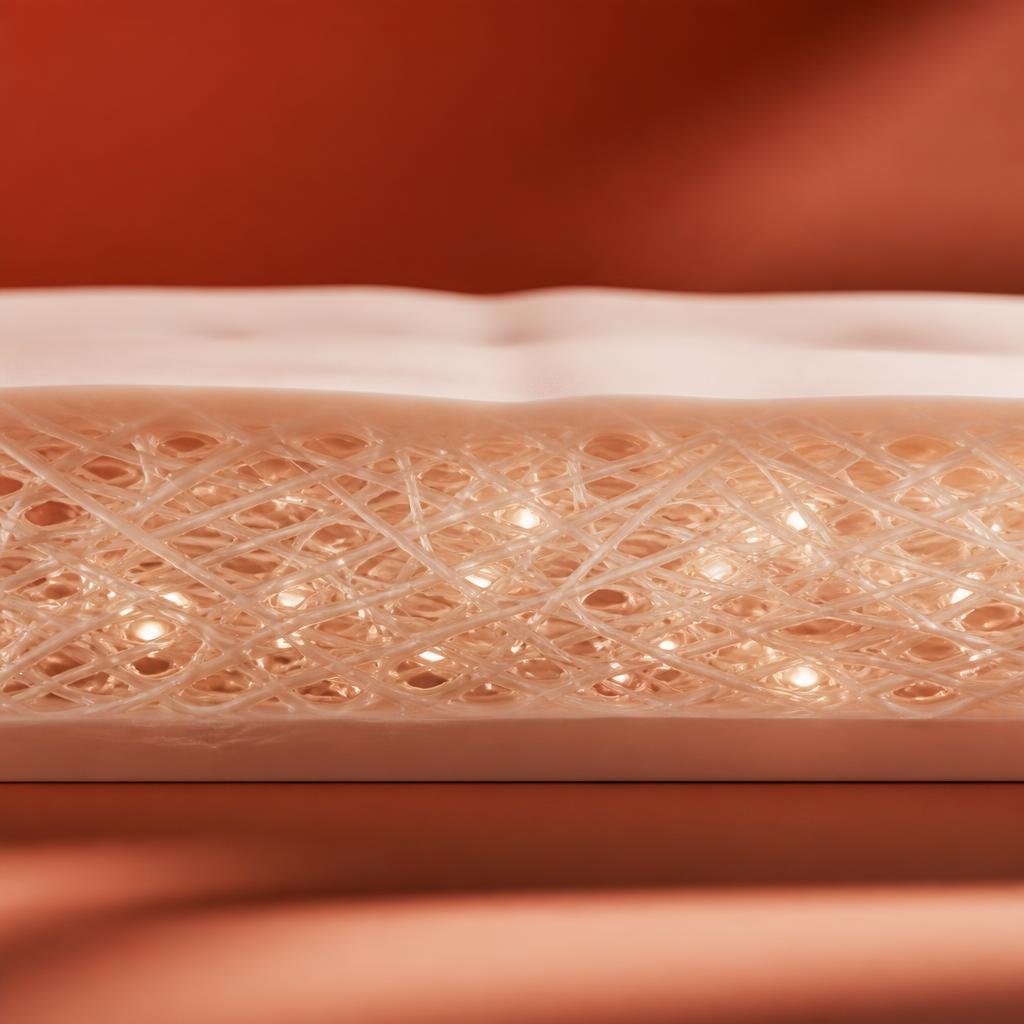
Here's the honest part about timing: this is not an instant fix. Skin looks hydrated and more radiant fairly quickly, but the collagen-driven change in fine lines develops from around 2–4 weeks and fills in more fully over 3–6 months. Most people need about 3 sessions spaced roughly 4–6 weeks apart. What I care about most is technique — with 15,000+ vials of hands-on experience at REDI, I can tell you the same product delivers very different results depending on the blend, hydration, and how it's delivered. If you want a deeper comparison of the collagen-boosting options, I've written a full collagen booster guide too.
Firming the surface: gentle ultrasound and RF
When fine lines come with a bit of early laxity — the skin starting to feel less firm — I'll often pair a booster with an energy-based treatment that stimulates collagen through heat. Sofwave is one I reach for on delicate areas: it delivers ultrasound energy optimized for the roughly 1.5 mm depth where wrinkles form, with a real-time temperature-sensing cooling system that keeps it comfortable and protects the surface. That surface protection is part of why it's generally considered suitable across a range of skin tones.
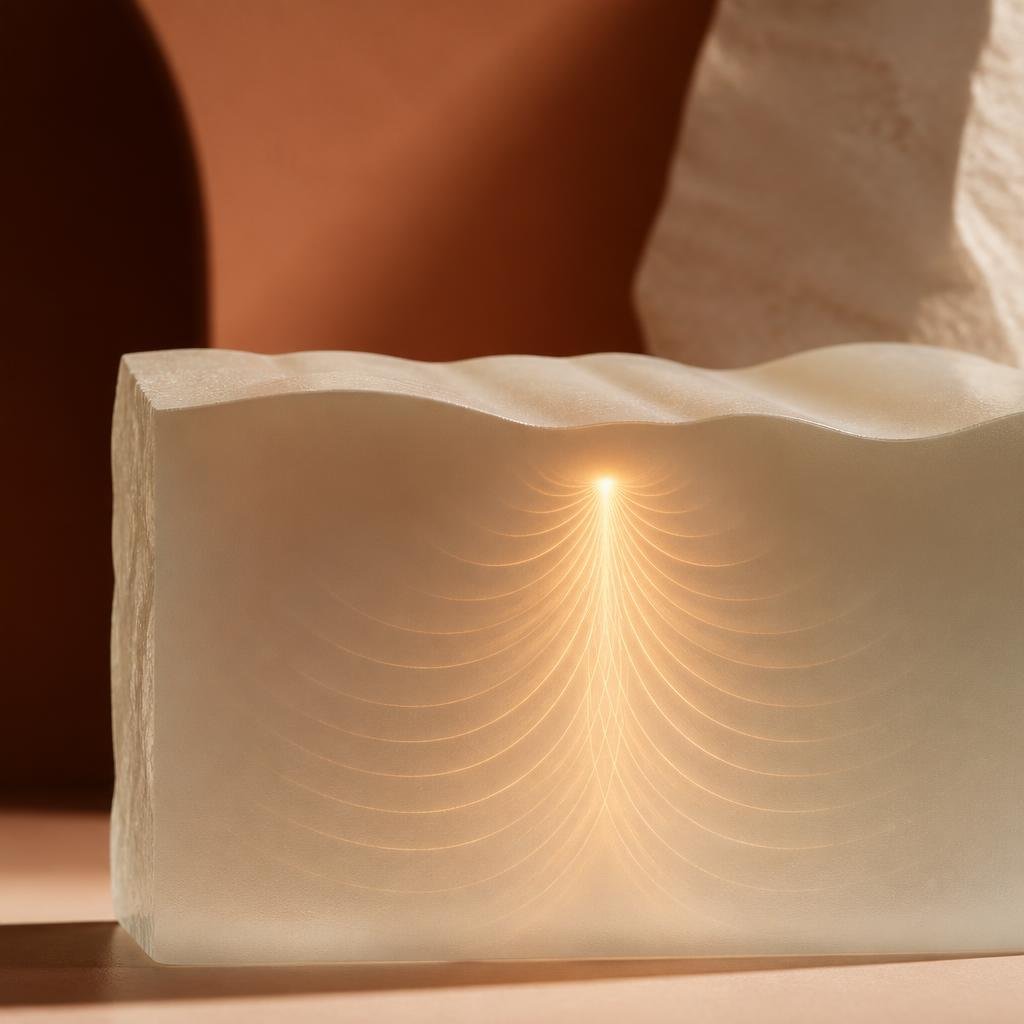
Radiofrequency options like Density, Tune Face, or Emface work through heat too, warming deeper layers to encourage firmness with little to no downtime. With ultrasound and RF, you may feel slight tightening right away, but the real refinement builds gradually over about 4–12 weeks as collagen rebuilds. I choose between these — or combine them — based on your skin thickness, sensitivity, and how much firmness change we're aiming for. If you want to understand the lifting side in more detail, my skin tightening guide walks through how these devices differ.
Planning your trip: downtime and timeline
If you're flying in for treatment, the practical question is usually how many days do I need, and when can I go home? Fine-line treatments are among the gentler things I do, which makes them travel-friendly.
Here's a rough picture for a collagen booster like Juvelook:
- Day 0: Treatment day. Skin looks a little flushed; small temporary bumps or mild swelling are normal.
- Day 1–2: Redness and bumps typically settle. Most people are comfortable in public.
- Week 1 onward: Skin feels hydrated; you're back to normal life.
- Week 2–4 → Month 3–6: Collagen-driven softening of fine lines gradually appears.
Gentle ultrasound like Sofwave has even less downtime — often little to none, so you can resume daily life right after. For a fuller day-by-day breakdown, see my skin treatment downtime guide, and if you're weighing your return flight, my flying after skin treatment timeline covers that directly. As a rule of thumb, I'd suggest not scheduling a first collagen-booster session the day before you fly, simply so any small bumps have a day or two to settle.
What this costs — and how I think about it
I don't publish fixed prices, because the right plan for fine lines is rarely a single treatment — it's usually a booster, sometimes paired with an energy device, tailored to your skin. What I can promise is that pricing is discussed transparently at your consultation, in USD terms if that's easier for you, before anything is decided. These are elective, non-insured aesthetic treatments, so there's no pressure to commit to a package on the spot.
The reassuring practical stuff
If you're travelling to us, you won't be navigating this alone. We have English- and Chinese-speaking interpreters on site, I personally handle the consultation through to the treatment, and we can start with a free online video consultation over WhatsApp before you ever book a flight — just mention you found us through the blog. Airport pickup is available, and after you fly home, we stay in touch for online aftercare if any questions come up. My whole approach is diagnosis-first: I'd rather tell you a treatment isn't right for your lines than sell you the wrong one.
Takeaways
- Fine lines are early, shallow creases from thinning collagen — different from deep folds or sagging, and they respond best to rebuilding the dermis rather than lifting.
- Collagen boosters like Juvelook stimulate your own collagen; expect about 3 sessions and gradual results over 3–6 months, not an overnight change.
- Gentle ultrasound like Sofwave or RF adds firmness with minimal downtime and is often paired with a booster when there's early laxity.
- Downtime is travel-friendly — usually 1–2 days for a booster, little to none for gentle ultrasound.
- Diagnosis comes first. The best fine lines treatment in Korea is the one matched to your specific lines and skin type. Results vary by individual.
Frequently asked
What is the best fine lines treatment in Korea?
There isn't one single answer — it depends on your line depth and skin type. At REDI I often combine a collagen booster like Juvelook to rebuild the dermis with gentle ultrasound or RF lifting for firmness. We decide together after a diagnosis. Results vary by individual.
How long is the downtime for fine lines treatment?
Most fine-line treatments at REDI have minimal downtime — usually 1–2 days of mild redness or small temporary bumps with a collagen booster, and little to none with gentle ultrasound like Sofwave. Downtime varies by treatment and by individual.
How many sessions do I need to see a difference in fine lines?
Collagen boosters like Juvelook typically need about 3 sessions spaced 4–6 weeks apart, with fuller results developing over 3–6 months. Ultrasound and RF lifting show gradual change over 4–12 weeks. Your exact plan is set after diagnosis.
Are fine line treatments safe for darker skin tones?
Many are — collagen boosters and Sofwave, which protects the skin surface, are generally considered comfortable across a range of skin tones. Diagnosis matters most, so we assess your skin type first and tune the approach accordingly.
Keep reading
More on this from Dr. Min Jeong.




Dr. Min Jeong
Founding director, REDI Dermatology · Seoul
“A treatment isn’t shopping. I’d rather diagnose first and recommend only what your skin genuinely needs — the same way I’d advise my own family.”
Board-certified dermatologist — trained at Kangbuk Samsung Hospital, and former Chief of Dermatology at the ROK Ministry of National Defense.
Recognized by VAIM as Korea's highest-volume Juvelook injector, with 15,000+ vials of hands-on experience; KOL for MIRAJET, Potenza and Oligio.
A regular speaker on clinical dermatology at Korean medical symposiums, including Juvelook clinical-experience panels.
Why international patients choose REDI
Interpreters in the room
English and Chinese, on site for your consultation and treatment.
Board-certified doctors only
Every procedure by a dermatology specialist — never unsupervised staff.
15,000+ Juvelook vials
Hands-on volume most clinics have not reached.
Airport pickup arranged
So your first day in Seoul isn't spent lost with luggage.
Aftercare once you're home
Online follow-up, so a question next week still reaches your doctor.
Explore the treatment
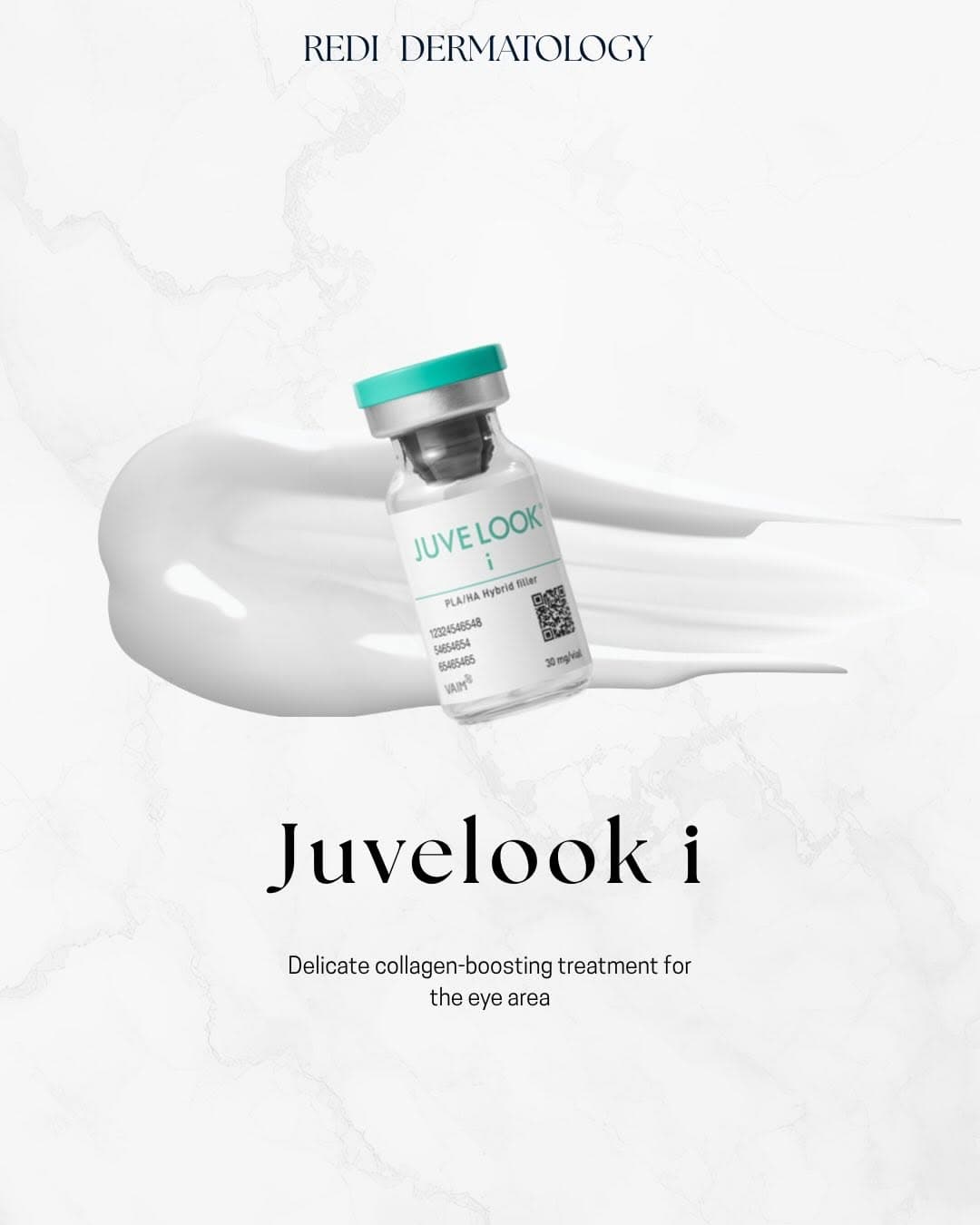
Juvelook Skin Booster
Juvelook is a PDLLA (poly-D,L-lactide) collagen booster that stimulates your skin's own collagen production to improve pores, firmness, fine lines, scars, and overall tone. Unlike a filler that simply adds volume, it helps the skin rebuild itself, so results develop naturally over time. At REDI, the blend and hydration protocol was refined by our Juvelook key doctor, and we match the delivery method — Dermashine Pro, Potenza, MIRAJET, Double Tite, and more — to your specific skin condition. With 15,000+ vials of hands-on experience, we know that the same product can deliver very different results depending on technique.
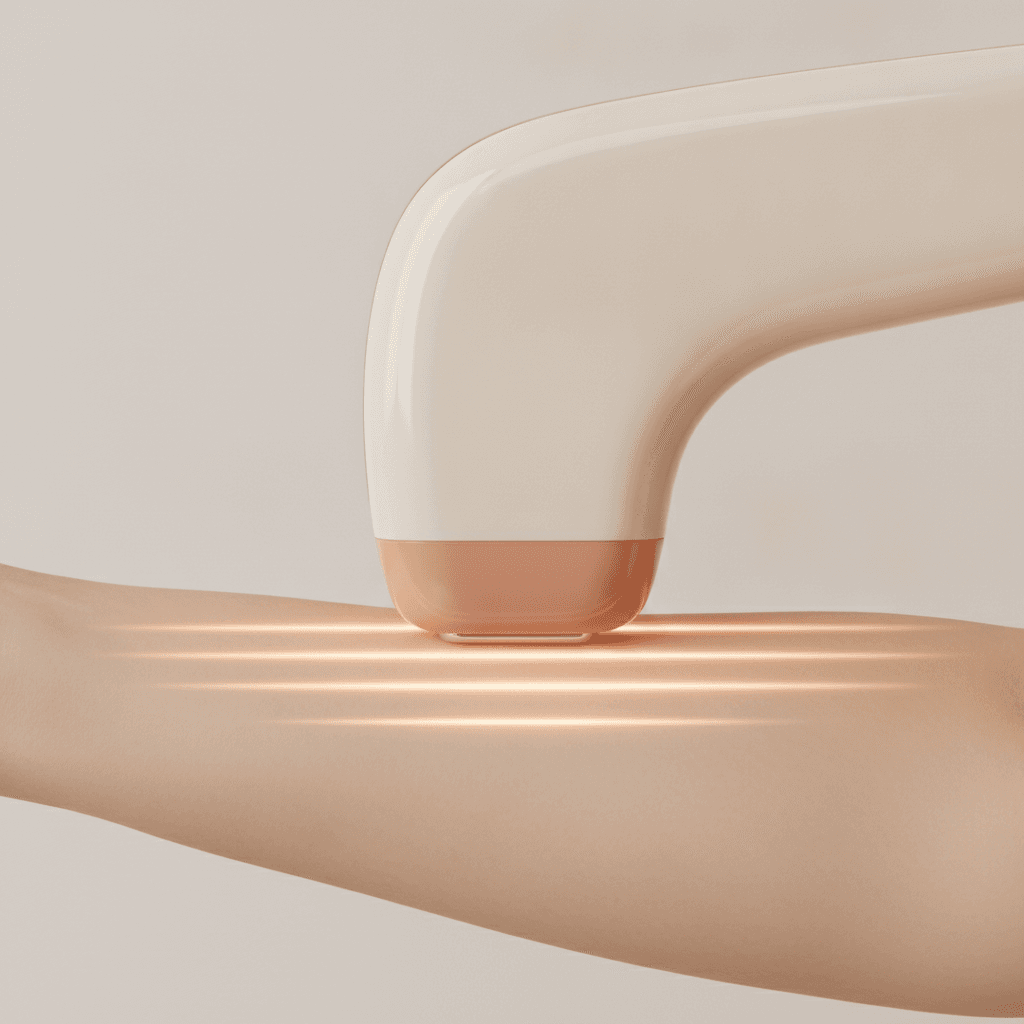
Sofwave
A non-invasive lift delivering ultrasound energy optimized for the 1.5 mm depth where wrinkles form. A powerful cooling system that senses skin temperature in real time minimizes discomfort while effectively smoothing wrinkles, even on delicate areas like the face and neck.
Visit REDI Dermatology
4F & 5F, DM Tower Bldg. 2, 105 Bangbae-ro, Seocho-gu, Seoul, Korea
길찾기 (Get directions)Medically reviewed by Dr. Min Jeong, board-certified dermatologist · Last updated September 6, 2026
This article is general information, not medical advice. Results vary by individual. These are elective, non-insured aesthetic treatments. Please consult a board-certified doctor about your own case.