
PDRN Injection in Korea: What It Actually Does for Your Skin (A Dermatologist Explains)

First, a hello from me
Hello, I'm Dr. Min Jeong, founding director of REDI Dermatology in Seoul. The phrase "PDRN injection" gets searched a lot, but I find it's one of the most misunderstood treatments out there — people expect it to plump like a filler, or they assume it will transform their skin overnight. Neither is quite right. So please read to the end: I want you to understand what PDRN realistically does, where it fits, and how we decide whether it's actually the right choice for your skin.
What a PDRN injection actually is
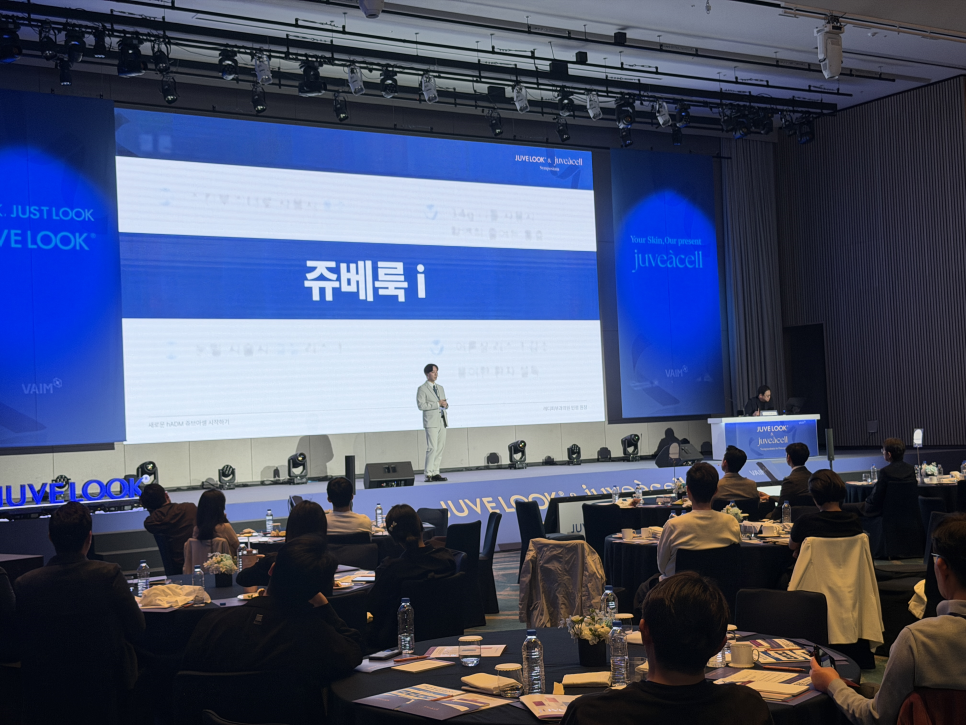
PDRN stands for polydeoxyribonucleotide — small fragments of DNA that, in the aesthetic world, are frequently sourced from salmon. When I lecture to other dermatologists (I've presented on skin boosters at the anti-aging society and at the Juvelook JUPITER international symposium), I describe PDRN as a repair-oriented ingredient. Its job isn't to fill a hollow or reshape a feature. Its job is to support the skin's own recovery — to calm, hydrate, and improve the condition of tired, sensitive, or damaged skin.
I'll be honest about the limits, because I'm a physician first. PDRN is not a magic eraser. I even keep a PDRN-based recovery ampoule in my own routine at home, and I still tell my patients the same thing I tell my friends: skincare and boosters support your skin, they don't rebuild your face. If a treatment promises a dramatic, complete transformation, be skeptical.
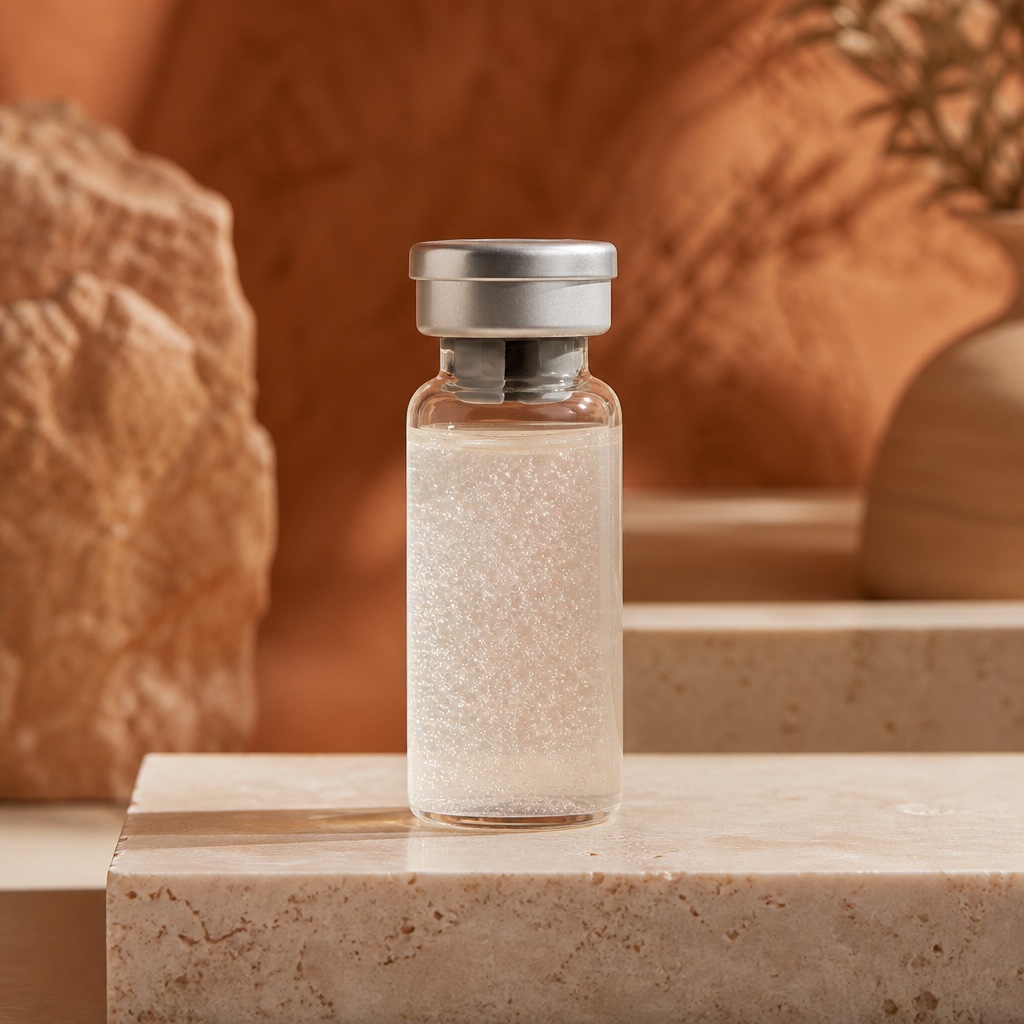
PDRN vs. a filler — a common mix-up
This is the confusion I clear up almost every day. A filler adds instant volume by placing crosslinked hyaluronic acid where you want more structure. A PDRN injection does something completely different — it works with your skin over time.
Think of it this way:
- Filler = adds volume you can see immediately.
- PDRN / repair booster = supports recovery and skin quality, developing gradually.
- Collagen booster (like Juvelook) = stimulates your own collagen to firm texture, pores, and fine lines over weeks to months.
They answer different problems, which is exactly why diagnosis matters before you pick one.
Where PDRN fits: Rejuran and the repair family
In the injectable repair category, Rejuran is the name most international patients already know, and it belongs to this PDRN-type family. On our menu, I frame the choice simply: I reach for Rejuran Healer when the priority is to repair and calm skin that's sensitive, irritated, or damaged. I reach for a collagen booster like Juvelook when the priority is to rebuild firmness and texture — pores, fine lines, laxity.
And they aren't rivals. In many patients I combine directions: settle and support the skin first, then rebuild it. But which order, which product, and how much — none of that should be decided from a photo or a trend. At REDI we're diagnosis-first, so we review your skin condition, lifestyle, and goals before suggesting anything.
What to realistically expect
Here's where I keep expectations honest. Repair-and-hydration boosters tend to make skin feel more comfortable and hydrated fairly early, while deeper improvements in texture and quality develop gradually over a series of sessions, not from one visit.
A typical rhythm for this family of treatments is a short series spaced a few weeks apart, followed by periodic maintenance. Your exact plan is set together after diagnosis — I don't believe in one fixed answer for every face. And I'll say it plainly: results vary by individual. Skin type, age, and baseline condition all matter.
Downtime and your fly-in timeline
For international patients, this is usually the make-or-break question, so let me lay it out as a calendar.
- Day 0 (treatment day): Expect possible mild redness, minor swelling, or small temporary bumps at injection points. This is normal and generally settles quickly.
- Day 1–2: Most of the redness and swelling eases. Downtime for this type of booster is typically minimal — around 1 to 2 days.
- Day 3–Week 1: Skin usually feels calmer and more hydrated; you're back to normal activities.
Because downtime is short, many patients who fly into Korea are comfortable travelling home within a day or two — but I always confirm your individual timeline before you book, especially if you're combining treatments. This is an elective, non-insured aesthetic treatment, and it deserves a proper plan.
For patients flying into Seoul
I know coming to a clinic in another country can feel daunting, so we've built REDI around removing that distance — that's literally what REDI means, Reduce Distance.
- Language: We have English- and Chinese-speaking interpreters on site, and you can consult with us over WhatsApp before you ever board a plane.
- One doctor, start to finish: I personally handle the consultation and the treatment — you won't be handed off.
- Skin-tone considerations: For patients with deeper skin tones (Fitzpatrick IV–VI), we take extra care with any accompanying laser or pigment steps, adjusting the protocol accordingly.
- After you go home: We follow up online, so if you have a question once you're back in your own time zone, you can reach us.
On cost: I don't post fixed prices here, because the right plan is personal. Pricing is discussed transparently at your consultation, in USD as well as KRW, so there are no surprises.
Takeaways
- A PDRN injection is a repair-and-hydration treatment, not a volumizing filler — it supports your skin's own recovery over time.
- Rejuran is the well-known injectable in this PDRN-type family; I choose it to calm and repair, and a collagen booster like Juvelook to rebuild firmness and texture. They can be combined after diagnosis.
- Downtime is usually minimal (about 1–2 days), making it manageable for international patients — but confirm your personal timeline with us first.
- Results develop gradually and vary by individual; a short series plus maintenance is typical.
- We're diagnosis-first, with interpreters on site and online aftercare once you're back home.
If you're weighing up a PDRN injection or Rejuran and aren't sure it's right for you, message us — just mention you found us through the blog and we'll set up a free online video consultation in your language.
Frequently asked
What is a PDRN injection?
PDRN (polydeoxyribonucleotide) is a repair-oriented ingredient often derived from salmon DNA. Injected into the skin, it is used to help calm, hydrate, and support the skin's own recovery rather than to add volume like a filler.
Is a PDRN injection the same as Rejuran?
Rejuran is one of the well-known injectable products in this family. At REDI we choose Rejuran to repair and calm sensitive or damaged skin, and a collagen booster like Juvelook to rebuild firmness and texture. After diagnosis we guide you to the right direction, and sometimes combine them.
How much downtime does a PDRN injection have?
Downtime is usually minimal — around 1 to 2 days. Mild redness, swelling, or small temporary bumps typically settle within 24 to 48 hours. Results vary by individual.
How many sessions will I need?
A repair-and-hydration plan is usually built as a short series spaced a few weeks apart, then maintained periodically. Your exact plan is set together after diagnosis, since skin condition and goals differ from person to person.
Can I fly home soon after a PDRN injection?
Because downtime is generally short, many international patients travel within a day or two. We map out a realistic Day 0 to Week 1 timeline for you before you book, and follow up online after you return home.
Keep reading
More on this from Dr. Min Jeong.




Dr. Min Jeong
Founding director, REDI Dermatology · Seoul
“A treatment isn't shopping. I'd rather diagnose first and recommend only what your skin genuinely needs — the same way I'd advise my own family.”
Board-certified dermatologist — trained at Kangbuk Samsung Hospital, and former Chief of Dermatology at the ROK Ministry of National Defense.
Juvelook Key Opinion Leader — 15,000+ vials administered, Korea's highest-volume clinic (Apr 2025). Key Opinion Leader titles are granted by device companies and carry no legal standing.
A regular speaker on clinical dermatology at Korean medical symposiums, including Juvelook clinical-experience panels.
Why international patients choose REDI
Interpreters in the room
English and Chinese, on site for your consultation and treatment.
Board-certified doctors only
Every procedure by a dermatology specialist — never unsupervised staff.
15,000+ Juvelook vials — No.1 in Korea
Hands-on volume most clinics have not reached.
Airport pickup arranged
So your first day in Seoul isn't spent lost with luggage.
Aftercare once you're home
Online follow-up, so a question next week still reaches your doctor.
Explore the treatment
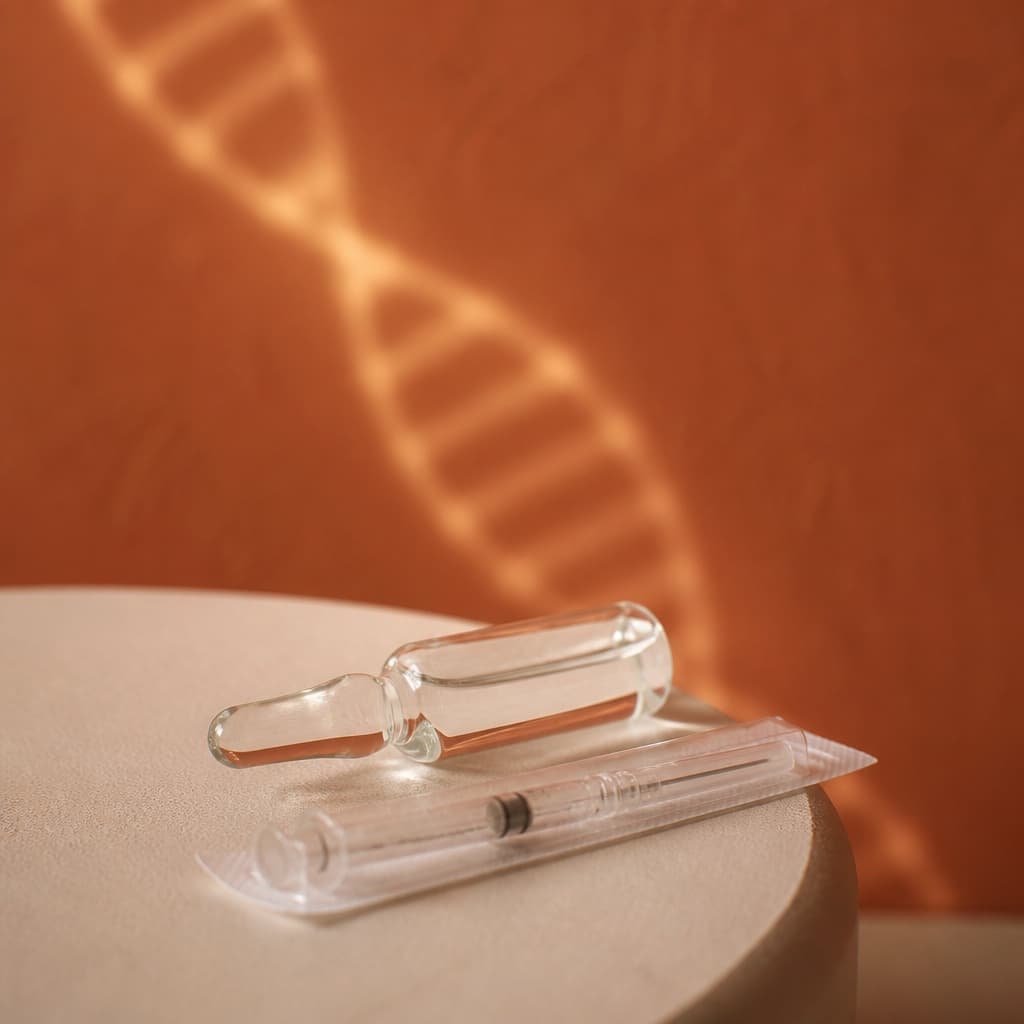
Rejuran Healer & Rejuran HB Plus
Rejuran Healer, a tissue-regenerating substance derived from salmon, is injected to effectively renew damaged skin. If you're sensitive to pain, Rejuran HB Plus — which contains lidocaine — offers a more comfortable treatment.
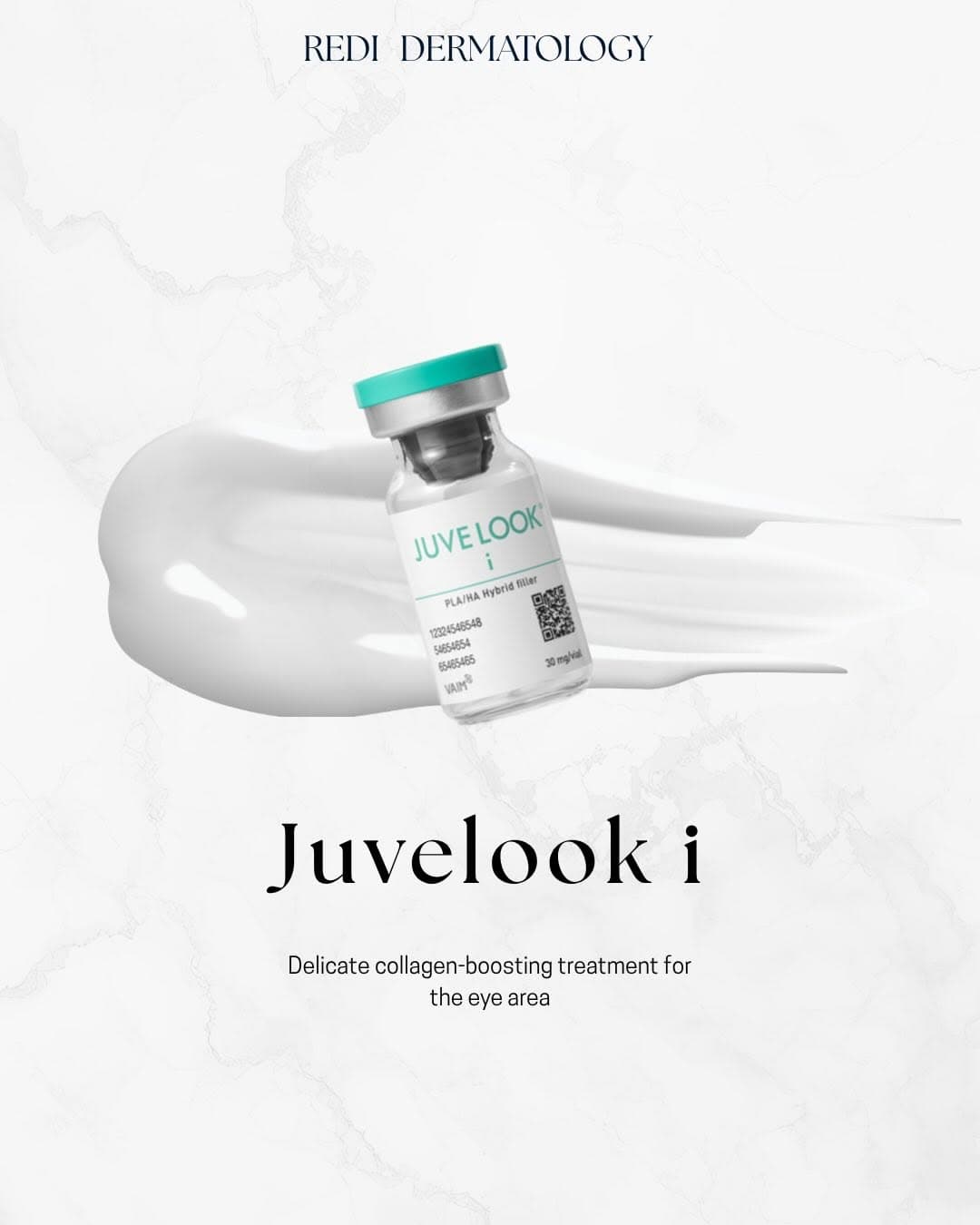
Juvelook Skin Booster
Juvelook is a PDLLA (poly-D,L-lactide) collagen booster that stimulates your skin's own collagen production to improve pores, firmness, fine lines, scars, and overall tone. Unlike a filler that simply adds volume, it helps the skin rebuild itself, so results develop naturally over time. At REDI, the blend and hydration protocol was refined by our Juvelook key doctor, and we match the delivery method — Dermashine Pro, Potenza, MIRAJET, Double Tite, and more — to your specific skin condition. With 15,000+ vials of hands-on experience, we know that the same product can deliver very different results depending on technique.
Visit REDI Dermatology
4F & 5F, DM Tower Bldg. 2, 105 Bangbae-ro, Seocho-gu, Seoul, Korea
길찾기 (Get directions)Medically reviewed by Dr. Min Jeong · Last updated
This article is general information, not medical advice. Results vary by individual. These are elective, non-insured aesthetic treatments. Please consult a board-certified doctor about your own case.
Ask what your skin actually needs
Free online consultation