
Glass Skin in Seoul: What a Dermatologist Actually Does to Build That Glow

What "Glass Skin" Really Means (and What It Doesn't)
Hello, I'm Dr. Min Jeong, and I run REDI Dermatology in Seoul. If you've searched "glass skin Seoul," you've probably seen endless before-and-after photos of skin that looks lit from within — poreless, dewy, almost translucent. I want you to read this to the end, because the honest truth is that glass skin is not one treatment you buy. It's several layers of skin health stacked together, and knowing which layer your skin is missing is what separates a real result from wasted money.
When patients fly into Seoul asking for "glass skin," what they're really describing is a combination of four things: smooth texture, refined pores, even tone, and deep hydration with a healthy barrier. Some people already have three of those and only need one corrected. Others need all four addressed patiently. That's why, at REDI, we never start with a device — we start with a diagnosis.
The Four Layers Behind the Glow
Let me break down what I look at when someone sits in my chair asking for glass skin.
- Texture and pores — Rough surface and enlarged pores scatter light and kill the "glass" reflection. This is a dermal collagen and pore-lining issue.
- Tone — Melasma, blemishes, and post-acne marks make skin look uneven no matter how hydrated it is.
- Hydration and barrier — Dry, dull, tight skin never looks glassy, even with perfect pores.
- Firmness — When the deeper structure loosens, light doesn't bounce cleanly off the surface anymore.
The mistake I see most often is people chasing one trendy injection and ignoring the layer that's actually holding them back. A collagen booster won't fix melasma. A toning laser won't smooth deep texture. The skill is in reading which layer matters most for you.
Building Texture and Glow: Collagen Boosters
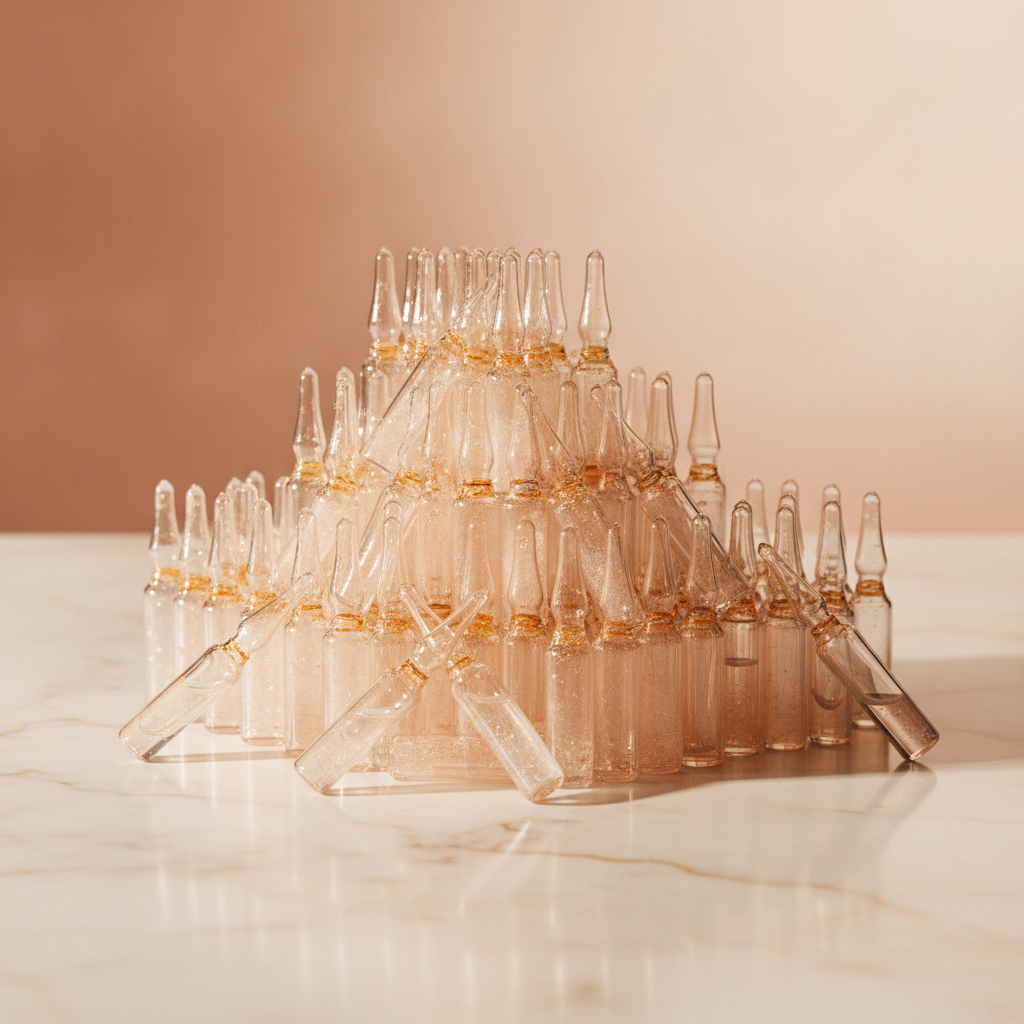
For most people asking about glass skin, the foundation is texture and pore refinement — and that's where collagen boosters come in. At REDI, our most-requested tool for this is Juvelook, a PDLLA collagen booster that stimulates your skin to produce its own collagen rather than simply filling space like a filler.
I want to be clear about the distinction, because it's the single most common misunderstanding I correct in the consultation room. A filler adds instant volume with an external material. A collagen booster like Juvelook works more like scaffolding — it prompts your skin to rebuild itself, so improvement in pores, fine lines, texture, and that hydrated "glass" glow develops gradually and naturally.
REDI is a Juvelook Key Opinion Leader clinic with over 15,000 vials of hands-on experience, and I'll tell you what all that experience actually taught me: the same product delivers very different results depending on the blend, hydration protocol, and delivery method. We match the delivery — Dermashine Pro, Potenza, MIRAJET, Double Tite — to your specific skin. There is no one-size-fits-all setting.
For skin that is more sensitive, easily irritated, or recovering from damage, I often lean toward Rejuran Healer instead, a polynucleotide (PN) booster derived from salmon that supports the skin's own recovery environment. Sometimes I combine the two. Which direction fits you is exactly what we decide together after diagnosis.
Evening Out Tone — Including for Darker Skin Tones
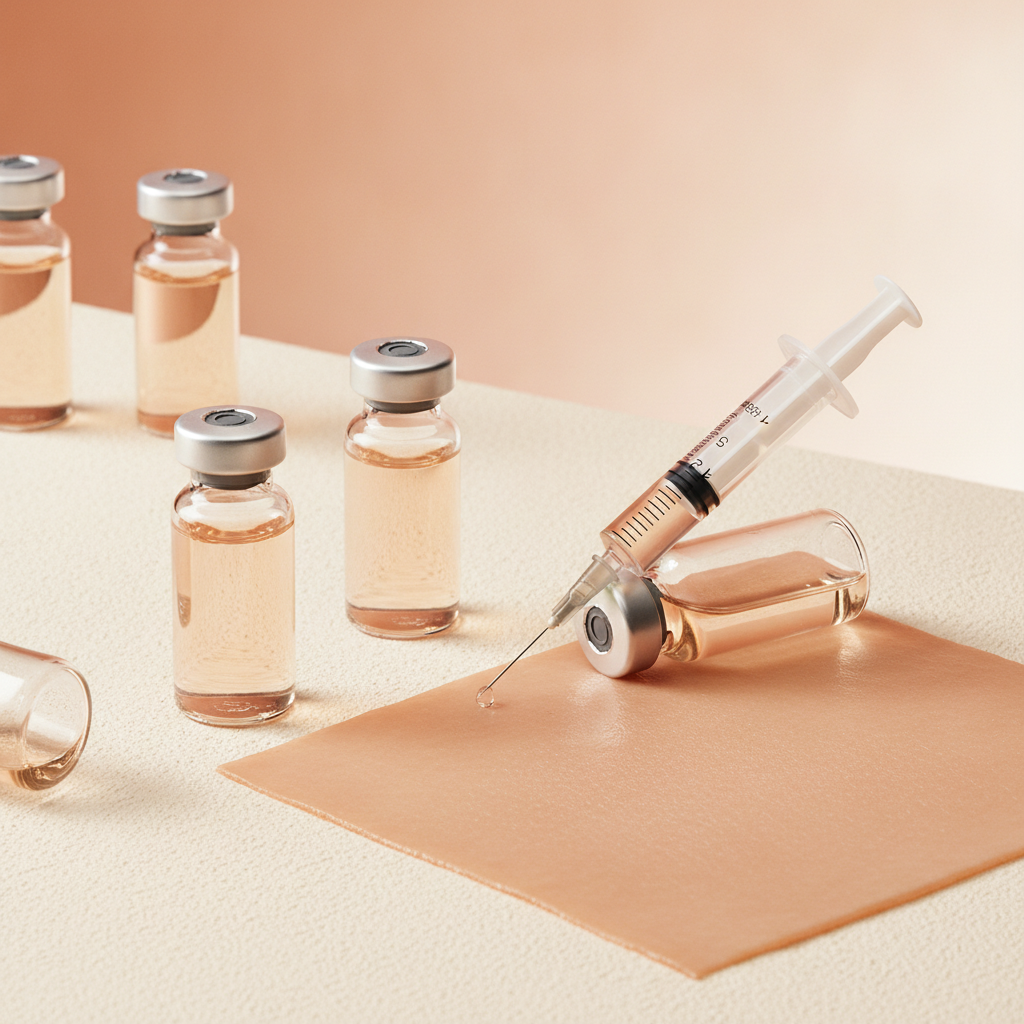
You can have flawless texture and still not look glassy if your tone is uneven. For melasma, blemishes, and dullness, I use gentle, repeated laser toning rather than one aggressive session. Picosecond toning, in particular, delivers energy in ultra-short pulses to reduce thermal irritation while breaking pigment into fine particles.
This matters enormously for my international patients with deeper skin tones. If you're Fitzpatrick IV–VI, aggressive lasers carry a real risk of rebound pigmentation. I diagnose pigment type and depth first, then adjust wavelength and intensity conservatively. The goal is an even, luminous tone — not a risky shortcut. Results vary by individual, and pigment care is almost always a series over several sessions rather than a one-visit fix.
A Realistic Glass Skin Timeline for Visitors
If you're flying into Seoul, timing is everything. Here's a realistic picture of what a collagen-booster-based glass skin plan looks like, so you can plan around your flight.
- Day 0 (treatment day): Skin looks hydrated and radiant almost immediately after a skin booster. Mild redness, slight swelling, or small temporary bumps are normal.
- Day 1–2: Most redness and small bumps settle. Downtime for our glass-skin treatments is generally minimal (about 1–2 days). Toning has little to no downtime.
- Week 1: Skin feels smoother and settled — comfortable for most social plans.
- Week 2–4: Collagen-driven firmness and refinement begin to show.
- Month 3–6: Fuller results in texture, pores, and elasticity develop as collagen rebuilds.
For most visitors, a short stay is enough for a single session. Because glass skin genuinely builds over weeks, I set up online after-care once you're home — you can message me if anything comes up, and we plan follow-up sessions remotely. A truly glassy result is usually a course of about three sessions, not one.
Cost, Language, and Coming Alone
Glass skin treatments are elective, non-insured aesthetic procedures, and the right plan depends entirely on which layers your skin needs. For that reason, I discuss pricing transparently during your consultation once I've actually assessed your skin — I'd rather quote you honestly than throw out a number that may not fit your plan.
On the practical side: we have English- and Chinese-speaking interpreters on site, and you can start with a free WhatsApp video consultation before you even book a flight. I personally handle your consultation and your treatment, so you won't be handed off between staff. If you're nervous about coming to Seoul alone, this is exactly the part we've built REDI around — reducing the distance between you and good care.
Takeaways
- Glass skin is a combination, not a single injection — texture, pores, tone, hydration, and firmness all play a role.
- Collagen boosters like Juvelook build glow by stimulating your own collagen; Rejuran Healer suits more sensitive or damaged skin. Technique and blend matter as much as the product.
- Even tone matters too — picosecond toning can be tuned for darker skin tones (Fitzpatrick IV–VI) when diagnosed carefully.
- Downtime is generally minimal (1–2 days), but real glass skin builds over weeks to months, usually across about three sessions.
- You don't have to navigate it alone — interpreters on site, a free online video consult first, and remote after-care once you're home.
- Results vary by individual, and everything starts with a proper diagnosis.
Frequently asked
What actually creates glass skin?
Glass skin is really a combination of things — smooth texture, refined pores, even tone, and good hydration. There is no single injection that "makes" it. At REDI we treat these layers separately after diagnosis, often combining a collagen booster like Juvelook with tone and texture care. Results vary by individual.
How long do I need to stay in Seoul for glass skin treatments?
Most of our glass-skin-oriented treatments have minimal downtime (about 1–2 days), so a short trip is usually enough. Mild redness or small temporary bumps from a skin booster typically settle within 24–48 hours. We plan the timing around your flight during your consultation.
Is glass skin treatment safe for darker skin tones?
Many of the tools we use — such as picosecond toning and cooling-protected devices — can be adjusted for a range of skin tones (Fitzpatrick IV–VI). Because pigment risk differs by skin type, REDI diagnoses your skin first and tunes intensity accordingly rather than applying a fixed setting.
How many Juvelook sessions do I need for that glow?
Most people need about 3 sessions spaced roughly 4–6 weeks apart, with a maintenance touch-up every 6–12 months. Skin looks hydrated right away, while collagen-driven firmness develops over weeks to months. Your exact plan is set after diagnosis. Results vary by individual.
Can I get glass skin treatment done alone if I don't speak Korean?
Yes. We have English- and Chinese-speaking interpreters on site, and you can start with a WhatsApp video consultation before you fly in. I handle your consultation and treatment personally, so you're not passed between staff.
Keep reading
More on this from Dr. Min Jeong.




Dr. Min Jeong
Founding director, REDI Dermatology · Seoul
“A treatment isn’t shopping. I’d rather diagnose first and recommend only what your skin genuinely needs — the same way I’d advise my own family.”
Board-certified dermatologist — trained at Kangbuk Samsung Hospital, and former Chief of Dermatology at the ROK Ministry of National Defense.
Recognized by VAIM as Korea's highest-volume Juvelook injector, with 15,000+ vials of hands-on experience; KOL for MIRAJET, Potenza and Oligio.
A regular speaker on clinical dermatology at Korean medical symposiums, including Juvelook clinical-experience panels.
Why international patients choose REDI
Interpreters in the room
English and Chinese, on site for your consultation and treatment.
Board-certified doctors only
Every procedure by a dermatology specialist — never unsupervised staff.
15,000+ Juvelook vials
Hands-on volume most clinics have not reached.
Airport pickup arranged
So your first day in Seoul isn't spent lost with luggage.
Aftercare once you're home
Online follow-up, so a question next week still reaches your doctor.
Explore the treatment
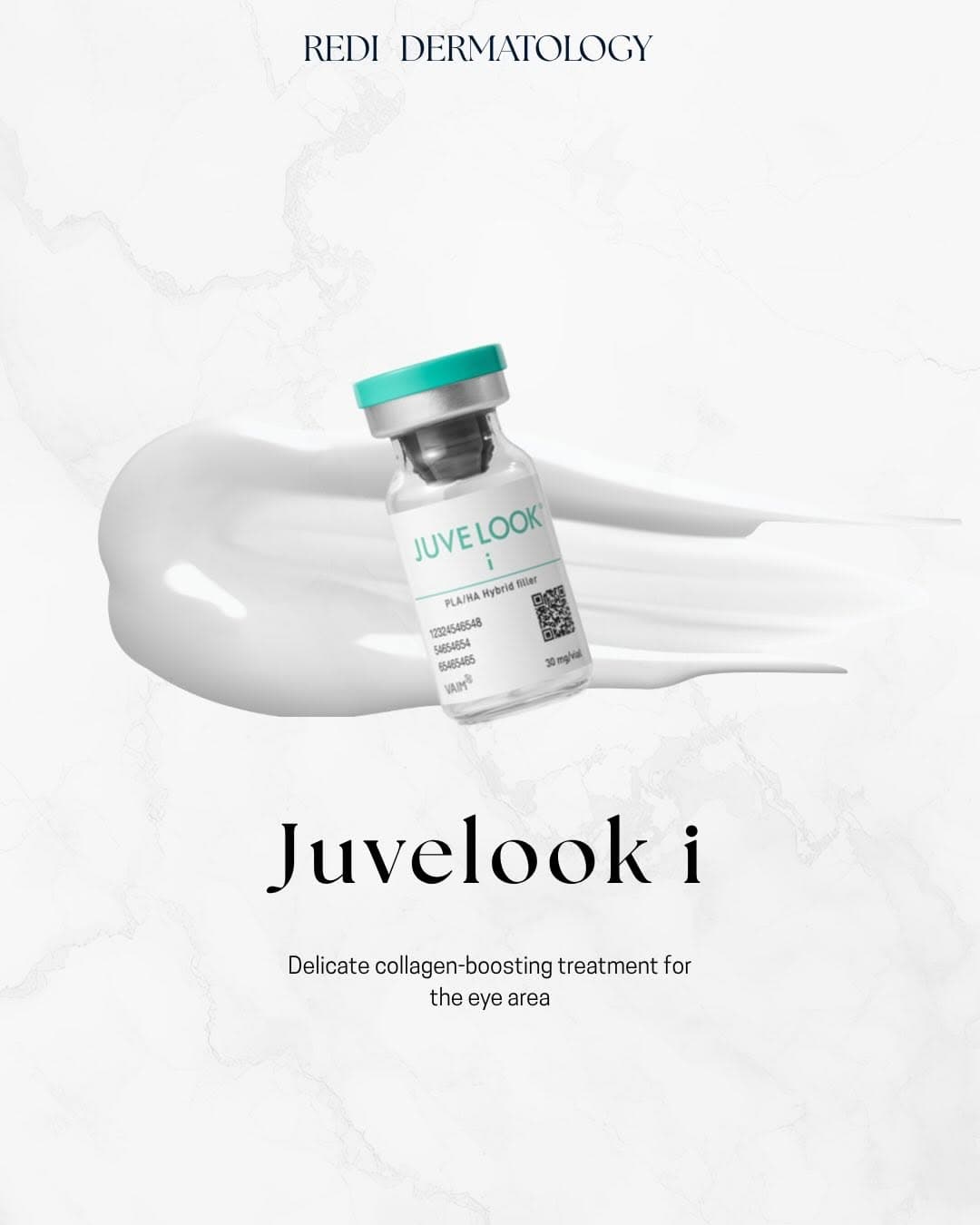
Juvelook Skin Booster
Juvelook is a PDLLA (poly-D,L-lactide) collagen booster that stimulates your skin's own collagen production to improve pores, firmness, fine lines, scars, and overall tone. Unlike a filler that simply adds volume, it helps the skin rebuild itself, so results develop naturally over time. At REDI, the blend and hydration protocol was refined by our Juvelook key doctor, and we match the delivery method — Dermashine Pro, Potenza, MIRAJET, Double Tite, and more — to your specific skin condition. With 15,000+ vials of hands-on experience, we know that the same product can deliver very different results depending on technique.
Rejuran Healer & Rejuran HB Plus
Rejuran Healer, a tissue-regenerating substance derived from salmon, is injected to effectively renew damaged skin. If you're sensitive to pain, Rejuran HB Plus — which contains lidocaine — offers a more comfortable treatment.
Visit REDI Dermatology
4F & 5F, DM Tower Bldg. 2, 105 Bangbae-ro, Seocho-gu, Seoul, Korea
길찾기 (Get directions)Medically reviewed by Dr. Min Jeong, board-certified dermatologist · Last updated July 22, 2026
This article is general information, not medical advice. Results vary by individual. These are elective, non-insured aesthetic treatments. Please consult a board-certified doctor about your own case.