
Glass Skin Treatment in Korea: What Actually Works, From a Seoul Dermatologist

What "glass skin" really means — and what it doesn't
Hello, I'm Dr. Min Jeong, founding director of REDI Dermatology in Seoul. "Glass skin" is one of the most searched beauty terms to come out of Korea, and I want to be honest with you from the start: there is no single injection or laser called "glass skin." It's a look — skin that reads as smooth, poreless-looking, evenly toned, and lit from within, as if light passes through it.
That distinction matters, because international patients often fly in expecting to book "the glass skin treatment" as one item. In reality, that clear, dewy finish comes from addressing several things at once: hydration, texture and pore refinement, collagen quality, and even tone. Please read to the end — I'll walk you through what genuinely contributes to that finish, what's realistic, and how to plan it around a trip to Korea.
The four pillars behind glass skin
When someone shows me a reference photo of "glass skin," I'm mentally breaking it into components. Here's how I think about it in the treatment room.
1. Deep hydration and a healthy barrier
That translucent quality is impossible on dehydrated, rough skin. So the foundation is often a skin booster that improves the skin's hydration environment. At REDI we use options like Rejuran Healer, which uses polynucleotide (PN) derived from salmon to support the skin's own recovery environment, and Elavie Re2O, which helps add moisture and glow to skin that feels tight or dull.
2. Collagen and texture
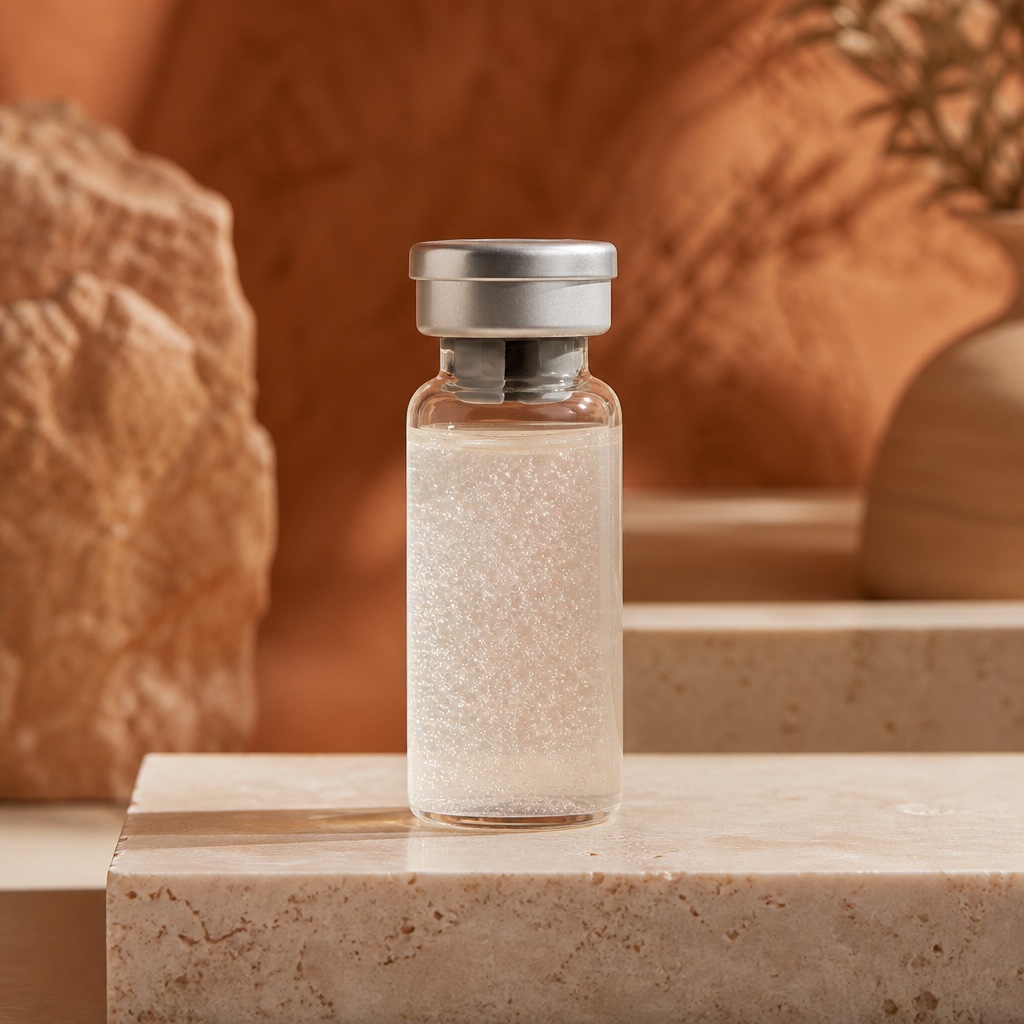
Smooth-looking skin with refined pores usually needs collagen support, not just surface moisture. This is where I most often turn to the Juvelook skin booster — a PDLLA collagen booster that stimulates your skin's own collagen rather than simply adding volume like a filler. On our official menu, its listed benefits include refining enlarged pores, smoothing fine lines, improving texture and elasticity, and restoring a hydrated, glass-skin glow. Results develop gradually and naturally, which is exactly the "not overdone" quality most of my international patients want.
3. Even tone
Dullness and uneven pigment will read as "not glass skin" no matter how hydrated you are. For this, gentle laser toning matters. Pico Toning and Laser Toning are designed to work gradually across several sessions to refine melasma, blemishes, and dull tone toward an even complexion, rather than aggressively removing pigment in one go.
4. Redness and pores
For those whose main obstacle is flushing or visible capillaries, a 595 nm pulsed-dye laser like Vbeam Perfecta helps manage facial redness. And for genuinely enlarged pores or texture, microneedle radiofrequency (like Potenza) can be layered in.
How I actually design a glass skin plan at REDI
REDI is diagnosis-first, and I want to explain what that means in practice, because it's the difference between a result you love and money spent on the wrong thing.
When you sit down with me, I don't start from "which laser is trending." I start from what is blocking your glass skin. Is it dehydration? Rough texture and large pores? Post-acne marks? Overall dullness? Redness? Most people have two or three of these together, and the plan is a combination, sequenced sensibly.
A common pattern for glass skin goals is a course of Juvelook to rebuild collagen and refine texture and pores, layered with toning for tone — because, as our own treatment notes put it, Juvelook and Rejuran can even be combined, and we guide the right direction after diagnosis. I've personally built REDI's Juvelook blend and hydration protocol around this, and with 15,000+ vials of hands-on experience, I can tell you the same product delivers very different results depending on the blend, the hydration, and the injection technique. That know-how is the point of coming to a clinic that specializes in it, rather than treating it as an off-the-shelf item.
A note on skin tone and safety
A large share of the people who message me about glass skin have darker or more reactive skin — Fitzpatrick types IV to VI — and they're right to ask about safety. Toning and pigment lasers behave differently on richly pigmented skin, and pushing intensity to chase fast results can backfire.
My approach is deliberately gradual: choose the device and mode by your skin type, keep energy conservative, and space sessions to watch how your skin responds. Sofwave, for example, is designed to stimulate collagen while protecting the surface, which makes it relatively comfortable across a range of skin tones. There is no version of good glass skin work that skips this caution.
Downtime and your trip: a realistic calendar
This is the question I get most from patients flying in. Here's a realistic frame for a skin-booster–plus-toning glass skin plan. Remember, results vary by individual.
- Day 0 (treatment day): After a Juvelook skin booster, skin often looks hydrated and radiant right away. Mild redness, some swelling, or small temporary bumps can appear. Toning downtime is typically little to none.
- Day 1–2: For skin boosters, downtime is usually about 24 hours, and mild redness, swelling, or small bumps typically settle within 24–48 hours. Many people are comfortable being out and about.
- Week 1: Surface calms down. This is a good window to fly home.
- Weeks 2–4: Collagen-driven firmness and texture change begin to show.
- Months 3–6: Fuller before-and-after change in texture, pores, and elasticity develops with Juvelook — which is why I plan a course of about 3 sessions, 4–6 weeks apart.
If your trip is short, I'll prioritize the treatments with the least downtime and set up the rest of your course as remote-guided maintenance. We also offer online after-care once you're home, so we can check in and troubleshoot from a distance.
What glass skin treatment can't do
I'd rather set honest expectations than oversell. Glass skin work refines the surface story of your skin — hydration, texture, tone, glow. It will not lift a genuinely sagging jawline (that's a firmness question, addressed by lifting devices) and it won't erase deep, tethered acne scars on its own. It also isn't permanent; skin keeps aging, and maintenance is part of the plan. And it is an elective, non-insured aesthetic treatment, so cost is discussed transparently at your consultation rather than promised up front.
Practical notes for international patients
At REDI, English and Chinese interpreters are on site, and I personally handle everything from your consultation through the treatment itself. We offer airport pickup, and you can message us on WhatsApp before you even book a flight so we can plan your calendar. Payment methods and any rough USD figures are something we'll walk through together once we've seen your skin and know which combination actually fits your goals.
Takeaways
- "Glass skin" is a look, not one procedure. It comes from combining hydration, texture/pore refinement, collagen support, and even tone.
- Skin boosters do a lot of the heavy lifting. Juvelook (a PDLLA collagen booster) and Rejuran (PN-based recovery) are central; toning lasers handle tone.
- Plan for a course, not a one-off. Juvelook is typically about 3 sessions, 4–6 weeks apart, with fuller change over 3–6 months. Results vary by individual.
- Downtime is usually minimal — roughly 24 hours to 1–2 days for boosters and toning — so it suits shorter trips.
- Skin tone matters for safety. For Fitzpatrick IV–VI, we adjust device, mode, and intensity and go gradually.
- REDI is diagnosis-first. The right glass skin plan is built around what's actually blocking your glow, not around whatever's trending.
Frequently asked
Is glass skin actually a single treatment I can book in Korea?
No — 'glass skin' describes a look, not one procedure. It usually comes from combining hydration and collagen-boosting (like Juvelook or Rejuran) with even tone (toning lasers). At REDI we diagnose your skin first, then design the combination that fits you.
How many sessions until my skin looks smoother and more radiant?
For a Juvelook skin booster, most people need about 3 sessions spaced roughly 4–6 weeks apart, with a maintenance touch-up every 6–12 months. Toning is also planned across several sessions. Results vary by individual.
How much downtime should I plan for a glass skin treatment?
It depends on the treatment. Skin boosters and toning are usually minimal — roughly 24 hours to 1–2 days, with mild redness or small temporary bumps that settle. We map your calendar around your trip at consultation.
Is glass skin treatment safe for darker or sensitive skin tones?
We treat a range of Fitzpatrick skin types. For pigment and laser work we adjust intensity and choose the device by your skin type, since darker tones need a gentler, more gradual approach. Diagnosis comes first, always.
How much does glass skin treatment in Korea cost?
Because it's a combination tailored to your skin, there isn't a single fixed price. It's an elective, non-insured aesthetic treatment, and we discuss pricing transparently at your consultation.
Keep reading
More on this from Dr. Min Jeong.




Dr. Min Jeong
Founding director, REDI Dermatology · Seoul
“A treatment isn’t shopping. I’d rather diagnose first and recommend only what your skin genuinely needs — the same way I’d advise my own family.”
Board-certified dermatologist — trained at Kangbuk Samsung Hospital, and former Chief of Dermatology at the ROK Ministry of National Defense.
Recognized by VAIM as Korea's highest-volume Juvelook injector, with 15,000+ vials of hands-on experience; KOL for MIRAJET, Potenza and Oligio.
A regular speaker on clinical dermatology at Korean medical symposiums, including Juvelook clinical-experience panels.
Why international patients choose REDI
Interpreters in the room
English and Chinese, on site for your consultation and treatment.
Board-certified doctors only
Every procedure by a dermatology specialist — never unsupervised staff.
15,000+ Juvelook vials
Hands-on volume most clinics have not reached.
Airport pickup arranged
So your first day in Seoul isn't spent lost with luggage.
Aftercare once you're home
Online follow-up, so a question next week still reaches your doctor.
Explore the treatment
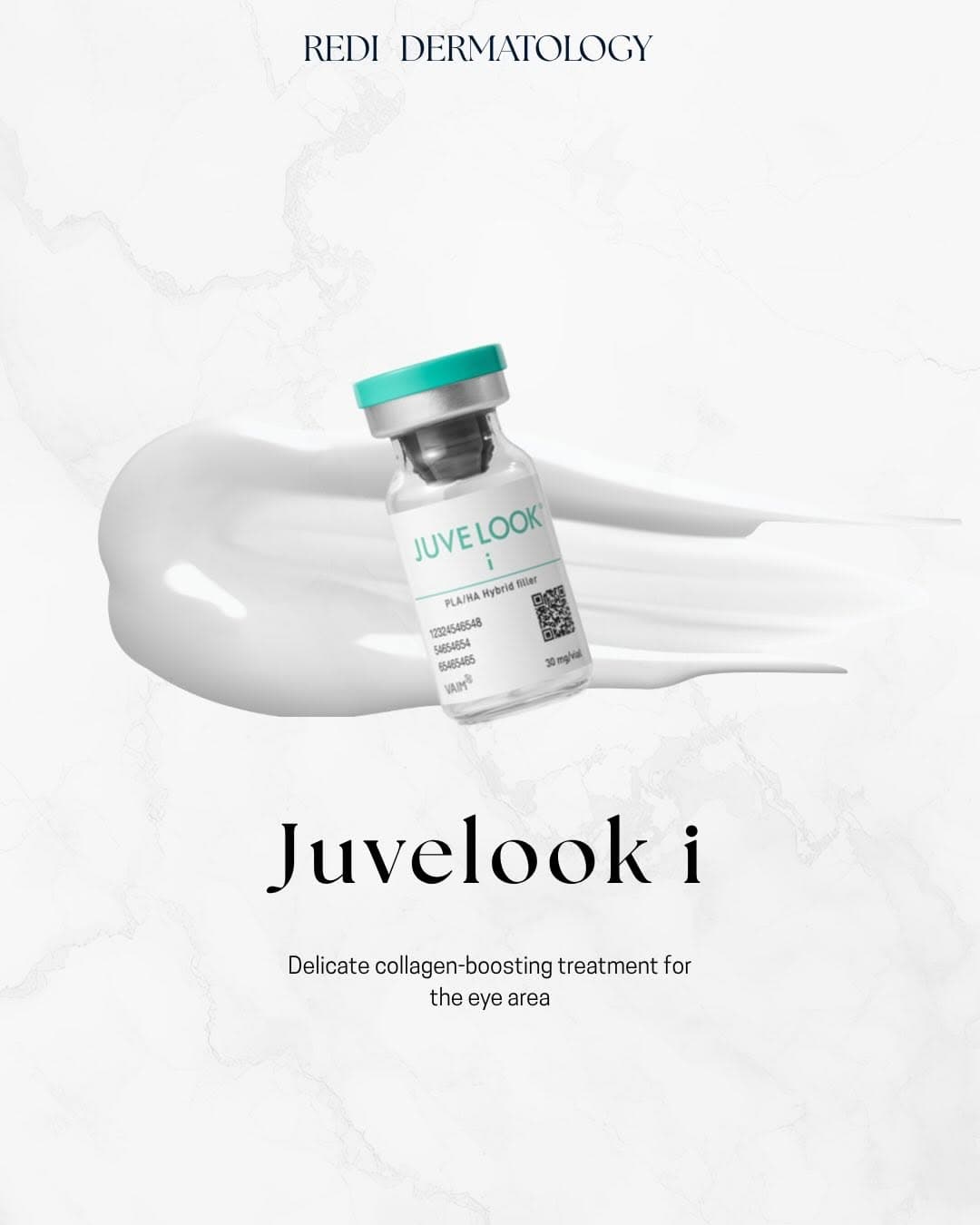
Juvelook Skin Booster
Juvelook is a PDLLA (poly-D,L-lactide) collagen booster that stimulates your skin's own collagen production to improve pores, firmness, fine lines, scars, and overall tone. Unlike a filler that simply adds volume, it helps the skin rebuild itself, so results develop naturally over time. At REDI, the blend and hydration protocol was refined by our Juvelook key doctor, and we match the delivery method — Dermashine Pro, Potenza, MIRAJET, Double Tite, and more — to your specific skin condition. With 15,000+ vials of hands-on experience, we know that the same product can deliver very different results depending on technique.
Pico Toning
By delivering high energy in picoseconds (one-trillionth of a second), it minimizes skin damage and clears pigmented lesions that were previously difficult to treat.
Visit REDI Dermatology
4F & 5F, DM Tower Bldg. 2, 105 Bangbae-ro, Seocho-gu, Seoul, Korea
길찾기 (Get directions)Medically reviewed by Dr. Min Jeong, board-certified dermatologist · Last updated July 23, 2026
This article is general information, not medical advice. Results vary by individual. These are elective, non-insured aesthetic treatments. Please consult a board-certified doctor about your own case.