
Korean Acne Treatment: A Dermatologist's Real Plan for Active Breakouts, Marks, and Scars

Why I wrote this: acne is a sequence, not a single treatment
Hello, I'm Dr. Min Jeong, founding director of REDI Dermatology in Seoul. If you're searching for Korean acne treatment, you're probably dealing with more than one thing at once — active breakouts, the red or brown marks they leave behind, and maybe some scarring from older acne. I see this every day in my clinic, and I want to walk you through how I actually think about it, so please read to the end before you book anything.
The single most important idea I can give you is this: acne is a sequence, not one magic treatment. The mistake I see most often — in patients who fly in, and in those already living here in Korea — is trying to jump straight to "the scar laser" while the skin is still inflamed. It usually doesn't work well that way. Let me explain the stages, what each tool does, and what's realistic.
Stage 1: Calm the active acne first
Acne starts from a mix of factors — increased sebum from hormones and stress, abnormal keratinization that plugs the follicle, oxygen-hating P. acnes bacteria multiplying inside that plug, and the inflammation that follows. Good acne treatment interrupts one or more of those steps.
For recurring inflammatory acne and excess sebum, at REDI I often consider devices that work directly on the sebaceous glands:
- Gold PTT: fine gold microparticles settle into the sebaceous glands, and a specific laser wavelength then targets them. It's aimed at recurring inflammatory acne and oily skin. Downtime is minimal — usually about 1–2 days.
- Agnes: single-pin radiofrequency that selectively treats problem sebaceous glands. I reach for this when acne keeps coming back in the same spot, for milia-type bumps, or for stubborn nose blackheads. Expect 1–3 days of possible redness or swelling.
- Potenza (for acne): microneedle RF that helps manage inflammatory acne along with its marks and the sebum environment together.
Why treat this first? Because — and I say this to patients constantly — acne that isn't treated early is far more likely to leave marks, pigmentation, and scars, and scars are much harder to fix than the acne itself. Prevention is genuinely part of the plan.
Stage 2: The red and brown marks acne leaves behind
Even when the acne clears, two kinds of marks are common, and they are not the same thing:
- Red marks (post-inflammatory erythema): as a breakout heals, the vessels in the dermis dilate and the surface skin thins, so those vessels show through as redness. Fair skin tends toward this.
- Brown marks (post-inflammatory pigmentation): darker skin tends toward this. Korean skin sits in the middle range, so I frequently see both in the same person.
Here's a hard truth from twenty-plus years of practice: scar creams and "spot" ointments do very little for these marks. What actually helps at home is a good moisturizer to support the skin barrier and diligent sunscreen to stop the marks from worsening. Many "my cream faded my marks" stories are really just marks that were going to fade with time anyway.
For the red marks, I use Vbeam Perfecta, a 595nm pulsed-dye laser that's ideal for vascular targets. It's used to calm the redness of inflammatory acne and red post-acne marks, and I adjust intensity based on how much redness there is and how sensitive your skin is. Downtime is usually minimal — about 1–2 days.

Left untreated, red marks last more than a year in over half of cases, and sometimes much longer — so waiting isn't always the gentle option.
Stage 3: Acne scars — texture, not color
Scars are changes in the skin's structure, and they need structural tools. The right choice depends entirely on scar type, which is why I diagnose before deciding:
- Potenza / Legato (microneedle RF): microneedles deliver radiofrequency heat into the dermis to remodel collagen, helping with pitted scars, pores, and firmness together. Legato also has an anti-inflammatory action, which is why it can help when acne and scarring overlap. Typical downtime is 1–3 days of possible redness or swelling.
- Subcision: a needle releases the fibrous bands that tether a rolling scar down from underneath, allowing the base to lift. Often combined with other scar treatments. Downtime around 3–5 days.
- CROSS (TCA): focal application for deep, narrow ice-pick scars. About 3–5 days of possible crusting or redness.
- Fractional Picosecond Laser: creates microscopic channels to stimulate collagen and soften scars while also helping pigment and dullness.
For scars, patience matters. Collagen rebuilds over weeks to months, so meaningful texture change is a series across several sessions — not a single visit. Results vary by individual.
Supporting the skin: boosters and calming
Alongside targeted acne work, I sometimes add regenerative skin boosters to support recovery — for example Rejuran, a salmon-derived PN (polynucleotide) booster used to soothe stressed, easily flushing skin and manage texture and hydration. For collagen-driven texture and scar softening over time, Juvelook (a PDLLA collagen booster) is another option we discuss after diagnosis. These are elective, non-insured aesthetic treatments, and I only combine them when they genuinely fit your skin.
A realistic timeline if you're flying in
Because so many of my patients travel to Seoul, here's how I frame the calendar. This is a general guide — your real plan is set after diagnosis:
- Day 0 (treatment day): For minimal-downtime work like Vbeam or Gold PTT, expect mild redness that mostly settles quickly.
- Day 1–2: Redness from Vbeam or Gold PTT usually eases. Microneedle RF (Potenza, Legato) and Agnes may still show redness or swelling.
- Day 3–5: If we did CROSS or subcision, plan for crusting or redness during this window — schedule it away from big events.
- Week 1 onward: Skin generally settles. For scars, collagen change continues over the following weeks to months.
If you can, leave a few flexible days after a session, and tell us your travel dates in advance so we can choose devices that fit them. English- and Chinese-speaking interpreters are on site, and I handle your consultation and treatment personally, so you don't need to navigate this alone.
What we'll do at your visit
REDI is diagnosis-first. At your consultation I assess your acne activity, your skin tone and Fitzpatrick type (this genuinely changes how I set laser and RF energy, especially for darker skin tones prone to post-inflammatory changes), your marks, and any scarring — then I map out the sequence and the honest number of sessions. Pricing is discussed transparently at your consultation. And after you return home, we can follow up online to keep your plan on track.
Takeaways
- Korean acne treatment is a staged sequence: calm active acne → treat red/brown marks → address texture and scars. Skipping straight to scar lasers on inflamed skin usually disappoints.
- Red marks (vessels) respond to Vbeam; scars (texture) need microneedle RF, subcision, CROSS, or fractional laser — they are different problems with different tools.
- Creams do little for marks; a solid moisturizer and daily sunscreen are the home essentials, and early treatment prevents harder-to-fix scars.
- Skin tone matters — we tune energy settings for your Fitzpatrick type to reduce the risk of post-inflammatory pigmentation.
- Plan your calendar: minimal-downtime devices are 1–2 days; RF and scar procedures can mean 1–5 days. Results vary by individual, and we set the exact plan together after diagnosis.
Frequently asked
What does Korean acne treatment usually involve?
It's rarely one single thing. At REDI we sequence it by stage — calming active inflammatory acne first (for example with Gold PTT or Agnes to target sebaceous glands), then addressing red post-acne marks with a 595nm Vbeam laser, and finally treating any texture or scarring with microneedle RF devices like Potenza or Legato. Your exact plan is set after diagnosis.
Can you treat active acne and acne scars at the same time?
Sometimes, but not always. If acne is still very active, calming the inflammation usually comes first, because treating scars over inflamed skin can be less effective. We diagnose acne activity and scar type before deciding what to combine. Results vary by individual.
Are red marks after acne the same as scars?
No. Red post-acne marks (post-inflammatory erythema) come from dilated vessels and thinned skin as a breakout heals, and often respond to a vascular laser like Vbeam. True scars are changes in skin texture — pitted or tethered — and need different tools such as Potenza, Legato, subcision, or CROSS.
How much downtime should I plan for acne treatment in Korea?
It depends on the device. Vbeam and Gold PTT are usually minimal — about 1–2 days. Microneedle RF (Potenza, Legato) and Agnes tend to involve 1–3 days of possible redness or swelling. CROSS and subcision for scars can involve 3–5 days of crusting or redness. We map this to your travel dates.
Does acne treatment work on darker skin tones?
Skin tone matters, especially with lasers and pigment. Korean skin sits in the middle range and can develop both redness and brown pigmentation, and darker skin tones need careful energy settings to reduce the risk of post-inflammatory changes. At REDI we assess your Fitzpatrick type and tune each device accordingly.
Keep reading
More on this from Dr. Min Jeong.




Dr. Min Jeong
Founding director, REDI Dermatology · Seoul
“A treatment isn’t shopping. I’d rather diagnose first and recommend only what your skin genuinely needs — the same way I’d advise my own family.”
Board-certified dermatologist — trained at Kangbuk Samsung Hospital, and former Chief of Dermatology at the ROK Ministry of National Defense.
Recognized by VAIM as Korea's highest-volume Juvelook injector, with 15,000+ vials of hands-on experience; KOL for MIRAJET, Potenza and Oligio.
A regular speaker on clinical dermatology at Korean medical symposiums, including Juvelook clinical-experience panels.
Why international patients choose REDI
Interpreters in the room
English and Chinese, on site for your consultation and treatment.
Board-certified doctors only
Every procedure by a dermatology specialist — never unsupervised staff.
15,000+ Juvelook vials
Hands-on volume most clinics have not reached.
Airport pickup arranged
So your first day in Seoul isn't spent lost with luggage.
Aftercare once you're home
Online follow-up, so a question next week still reaches your doctor.
Explore the treatment
Potenza
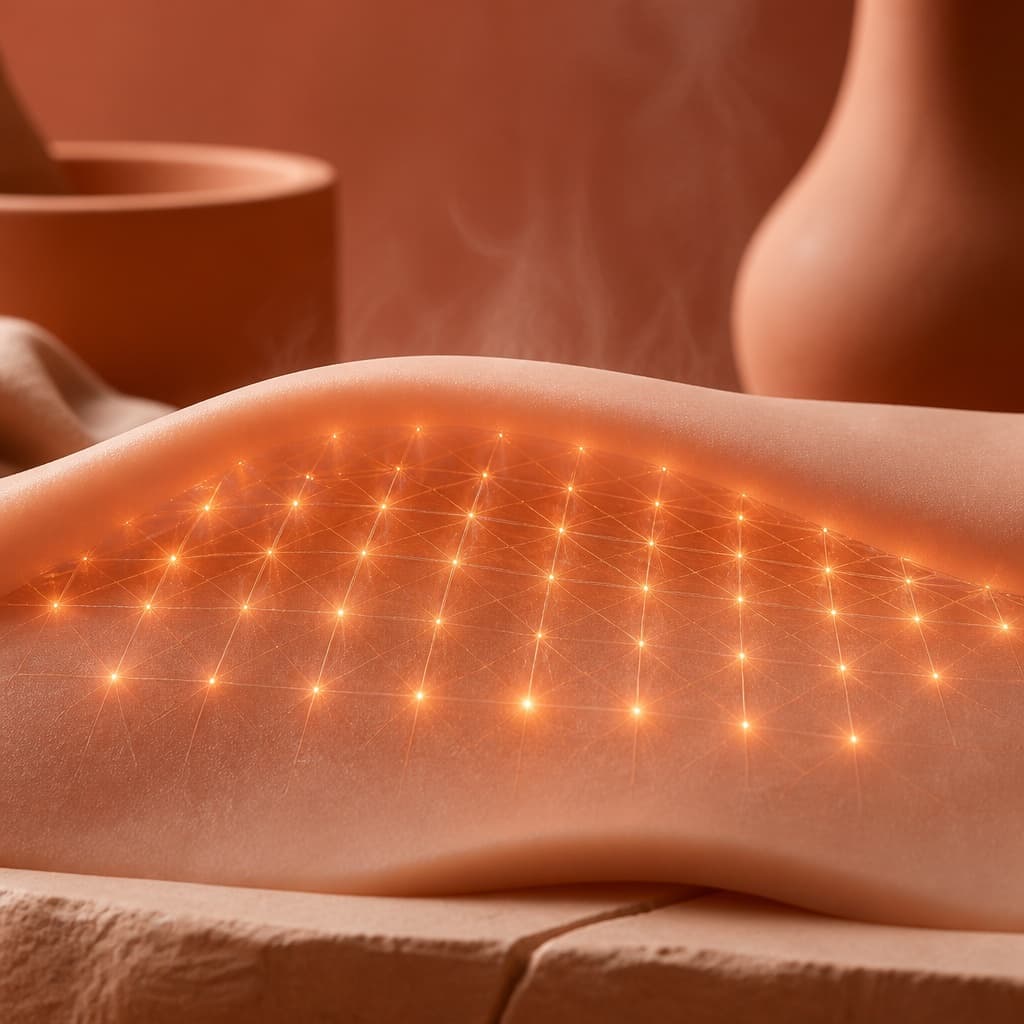
Minimal pain with little disruption to daily life. Microneedles are safely inserted into the dermis to deliver radiofrequency heat, improving acne and pores while boosting firmness.

Vbeam Perfecta
A device that uses 595 nm — the ideal wavelength for vascular treatment — to address a range of vascular conditions. It effectively treats acne, acne marks, facial redness, and scars.
Visit REDI Dermatology
4F & 5F, DM Tower Bldg. 2, 105 Bangbae-ro, Seocho-gu, Seoul, Korea
길찾기 (Get directions)Medically reviewed by Dr. Min Jeong, board-certified dermatologist · Last updated August 2, 2026
This article is general information, not medical advice. Results vary by individual. These are elective, non-insured aesthetic treatments. Please consult a board-certified doctor about your own case.