
Potenza Korea: What Your Dermatologist Should Be Adjusting Before the First Pass

Hello from Seoul. I'm Dr. Min Jeong, a board-certified dermatologist who trained at Kangbuk Samsung Hospital and served as Chief of Dermatology at Korea's Ministry of National Defense, and I now run REDI Dermatology. People searching for Potenza Korea tend to have one specific worry: they've heard the name, perhaps had it somewhere else with little to show for it, and want to know whether it's worth planning a trip around.
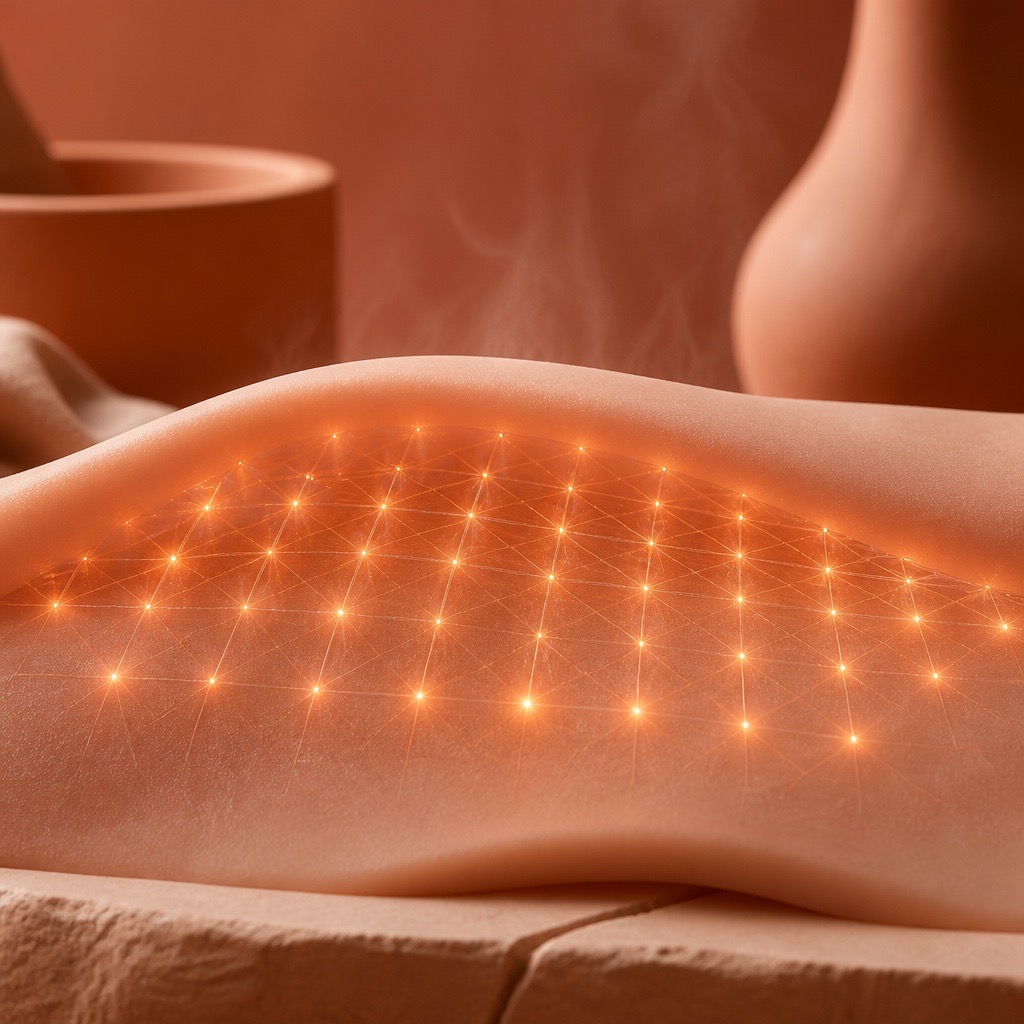
The short answer: Potenza is microneedle radiofrequency. Fine needles carry heat into the dermis to help with pores, acne scars and firmness, and with different settings, active acne and redness too. What makes it work is not the device name but the choices made before treatment: which tip, how deep, which energy mode, and how much pressure the hand applies. Please read to the end, because those choices are what you're really travelling for.
| At a glance | |
|---|---|
| What it is | Microneedle radiofrequency (RF) |
| Main uses | Enlarged pores, acne scars, reduced firmness |
| Other protocols | Active acne, persistent redness |
| Time per session | About 30 minutes |
| Downtime | One to three days, with possible redness or mild swelling |
Why Potenza Korea is really a question about the operator
Some devices are designed to give roughly the same result no matter who holds them. That consistency has real value, but it usually comes with a ceiling on how far results can go. Potenza sits at the other end of the spectrum. It has a wide range of settings, which means a wide range of outcomes, and the person choosing the settings shapes where you land.
I think of it like a sound engineer's mixing desk. The instrument is the same for every song, but nobody would expect a ballad and a rock track to be mixed with the faders in the same position. When patients compare Potenza Korea experiences with sessions elsewhere, the difference is usually on the desk, not in the machine.
The Potenza Korea controls I actually adjust
Every microneedle RF device lets the doctor set needle depth, energy intensity and how long the energy is delivered. Potenza goes further, and these extra controls are where planning happens:
- Tip choice. There are over ten tips, each suited to different work. Choosing one is the first decision, not an afterthought.
- Monopolar or bipolar. Monopolar energy spreads deeper and wider, which suits firming and larger areas and tends to feel gentler. Bipolar energy concentrates in a narrow zone, which suits scars and focused work.
- Insulated or non-insulated needles. Insulated needles release energy at the tip and spare the surface; non-insulated needles heat along their length. Each has its place.
- Frequency. At the same energy, one setting spreads heat over a larger zone and the other packs more into a smaller one.
- Stacking. Whether I fire once in a spot or twice without moving the tip changes the effect noticeably.
- The pump tip. This lets the needle channels carry a skin booster, such as Juvelook, into the skin during the same session.
Within a single session I often switch modes between areas. A cheek full of open pores, a patch of rolling scars and a softening jawline shouldn't receive the same settings just because they're on the same face.
Pressing harder doesn't mean treating deeper
This is something you only learn after many Potenza Korea treatments. The device lets you enter a needle depth, and it's tempting to assume the needles land exactly there. In practice, the pressure of the hand changes it. A cautious operator who presses the handpiece down firmly, worried about poor contact, pushes the needles deeper than the setting. The result is more pain and more downtime than the plan called for, with no extra benefit.
So much of good Potenza work is feel: even contact, light pressure and steady spacing. Passes that overlap too much can cause burns, while gaps that are too wide leave patches untreated. None of this appears on the screen, which is why I treat patients myself.
One device, three menus
Because the settings vary so much, our Potenza Korea menu lists it under three concerns. They're not three different machines. They're three different plans:
| Concern | What the settings aim for | Where to read more |
|---|---|---|
| Pores and scars | Collagen remodelling around pores and scars, plus firmness | Potenza for pores and scars |
| Active acne | Reducing oil production and inflammation, while also addressing marks | Potenza for acne |
| Persistent redness | Calming the inflamed dermis with careful, lower intensity | Potenza for redness |
Redness deserves a word of caution. Microneedles are still needles, and skin that's already very sensitised can flare if treated too soon, so I sometimes calm the barrier first. Settings strong enough for wrinkles can also make redness worse, so intensity is set for the redness, not the wrinkles. Improvement usually comes in steps rather than a straight line, and a single trial session rarely gives a fair picture.
If scarring is your main reason for coming, my guide to acne scar treatment in Korea explains how Potenza fits alongside other scar tools. If you're weighing it against another microneedle device, I've covered that separately in Potenza vs Legato, so I won't repeat it here.
Sessions, downtime and the calendar
A Potenza Korea session takes about 30 minutes. Numbing cream or cooling keeps discomfort low, and the treatment itself is relatively comfortable for a microneedle procedure. Afterwards, expect one to three days of possible redness or mild swelling.
Potenza works by prompting the skin to rebuild collagen, and that takes time. So it's normally planned as a series with a few weeks between sessions, with the number set after I've examined your skin. Results continue to develop quietly after each session. Results vary by individual.
For a Potenza Korea trip, here's how the week usually unfolds:
- The evening of treatment: warmth and pinkness, sometimes slight puffiness. A quiet dinner is fine.
- The third day: for most people the redness has settled enough for makeup and sightseeing.
- By the end of the first week: skin looks like itself again, and the gradual changes from collagen are just getting started.
Schedule treatment in the first half of your stay rather than the day before your flight, so any redness has time to settle before you travel.
For international patients
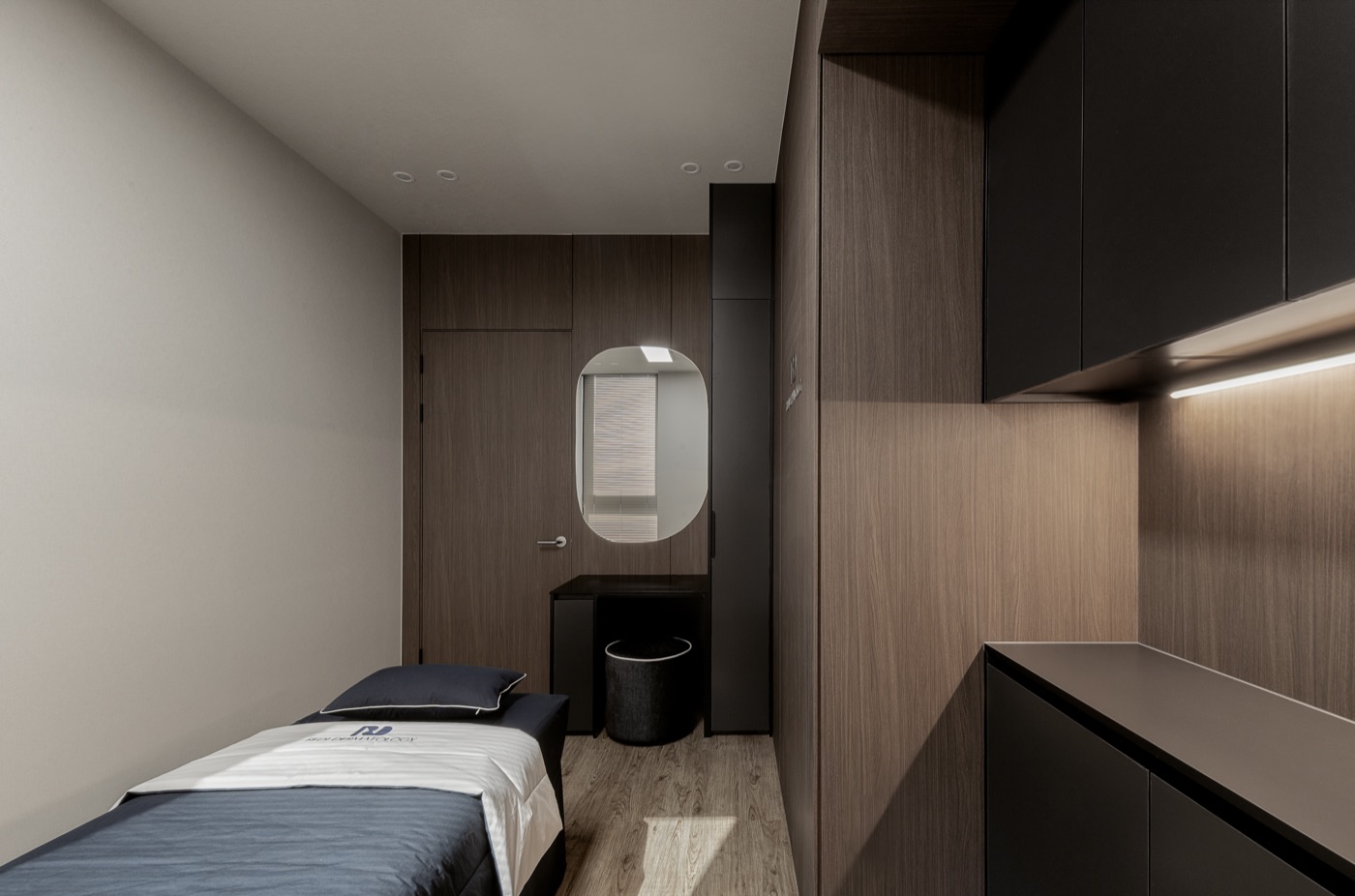
Interpreters for English and Chinese are on site for the consultation and the treatment, and I see you myself from the first assessment to the final pass. Once you're home, we keep in touch online, and a photo taken in the same light each time is the most useful way to track change. Potenza is an elective, non-insured aesthetic treatment, and your plan and its cost are explained at consultation after I've examined your skin.
Takeaways
- Potenza is microneedle RF for pores, acne scars and firmness, with separate acne and redness protocols.
- Outcomes depend on the setup: tip, depth, energy mode, frequency, stacking and how the hand applies pressure.
- Sessions take about 30 minutes; plan on one to three days of possible redness or mild swelling.
- Potenza Korea plans work as a series, so book early in your stay and continue follow-up online from home.
Related reading on this topic
- Freckles vs Melasma: Two Kinds of Brown Spots, Two Very Different Treatment Plans
- Laser Toning in Korea: Why It Works Slowly, Who It Suits, and What It Can't Fix
- Agnes Laser in Korea: The Not-Quite-Laser for Repeat Breakouts and Stubborn Nose Blackheads
- Pico Fraxel for Acne Scars and Pores: What It Can Rebuild Beneath the Surface, and What It Can't
More from the clinic
Frequently asked
What does Potenza treat?
Potenza is microneedle radiofrequency. At REDI we use it for enlarged pores, acne scars and loss of firmness, and there are separate protocols for active acne and for persistent redness. The settings change with the goal, so the same device is doing quite different work in each case.
Is Potenza painful?
Pain is relatively low for a microneedle treatment, and we use numbing cream or cooling when needed. Monopolar settings also tend to feel gentler. Sensation varies by person.
What is the downtime after Potenza?
Plan on one to three days of possible redness or mild swelling. Most people carry on with light daily activities, and makeup is usually fine once the redness has settled.
How many Potenza sessions do I need?
Potenza works through gradual collagen remodelling, so it is usually planned as a series with a few weeks between sessions rather than a single visit. How many depends on your concern and how your skin responds. Results vary by individual.
Can Potenza help with redness?
It can, for redness that hasn't settled with other care. It needs careful, lower-intensity settings, and very sensitised skin often needs calming first. Progress tends to come in steps rather than a straight line.
Keep reading
More on this from Dr. Min Jeong.




Dr. Min Jeong
Founding director, REDI Dermatology · Seoul
“A treatment isn't shopping. I'd rather diagnose first and recommend only what your skin genuinely needs — the same way I'd advise my own family.”
Board-certified dermatologist — trained at Kangbuk Samsung Hospital, and former Chief of Dermatology at the ROK Ministry of National Defense.
Juvelook Key Opinion Leader — 15,000+ vials administered, Korea's highest-volume clinic (Apr 2025). Key Opinion Leader titles are granted by device companies and carry no legal standing.
A regular speaker on clinical dermatology at Korean medical symposiums, including Juvelook clinical-experience panels.
Why international patients choose REDI
Interpreters in the room
English and Chinese, on site for your consultation and treatment.
Board-certified doctors only
Every procedure by a dermatology specialist — never unsupervised staff.
15,000+ Juvelook vials — No.1 in Korea
Hands-on volume most clinics have not reached.
Airport pickup arranged
So your first day in Seoul isn't spent lost with luggage.
Aftercare once you're home
Online follow-up, so a question next week still reaches your doctor.
Explore the treatment
Potenza
Minimal pain with little disruption to daily life. Microneedles are safely inserted into the dermis to deliver radiofrequency heat, improving acne and pores while boosting firmness.
Potenza
Minimal pain with little disruption to daily life. Microneedles are safely inserted into the dermis to deliver radiofrequency heat, improving acne and pores while boosting firmness.
Potenza
By delivering heat energy into the dermis with microneedle radiofrequency, it reduces inflammatory substances in the skin and eases the burning sensation.
Visit REDI Dermatology
4F & 5F, DM Tower Bldg. 2, 105 Bangbae-ro, Seocho-gu, Seoul, Korea
길찾기 (Get directions)Medically reviewed by Dr. Min Jeong · Last updated
This article is general information, not medical advice. Results vary by individual. These are elective, non-insured aesthetic treatments. Please consult a board-certified doctor about your own case.
Ask what your skin actually needs
Free online consultation