
Agnes Laser in Korea: The Not-Quite-Laser for Repeat Breakouts and Stubborn Nose Blackheads

Hi, I'm Dr. Min Jeong, a board-certified dermatologist and the founding director of REDI Dermatology in Seoul. I trained at Kangbuk Samsung Hospital and later served as Chief of Dermatology at Korea's Ministry of National Defense. "Can I get the Agnes laser while I'm in Korea?" arrives in my inbox surprisingly often, usually from someone whose chin breaks out in exactly the same place every month, or who has spent years fighting the same nose blackheads.
The short answer: Agnes is not really a laser. It is a single, insulated needle that delivers radiofrequency heat into one oil gland at a time, which is why it works on problems that keep returning to the same spot. It suits recurring, localized acne, closed-comedone bumps and nose blackheads. It is not a whole-face treatment, and it takes a few sessions. Stay with me to the end, because the planning details matter if you're flying in.
| At a glance | |
|---|---|
| What it is | Single-pin, insulated radiofrequency (not a light-based laser) |
| Best suited to | Acne in the same spot, recurring closed comedones, nose blackheads |
| Time per session | About 30 minutes |
| Downtime | One to three days, with possible redness or swelling |
| Follow-up | A quick extraction visit a day or two after treatment |
First, a gentle correction: it isn't a laser
Most people find it by typing "Agnes laser," and I understand why. It sounds like a laser, it's done in a dermatology clinic, and it treats the kind of thing we often use lasers for. But Agnes works with radiofrequency, not light.
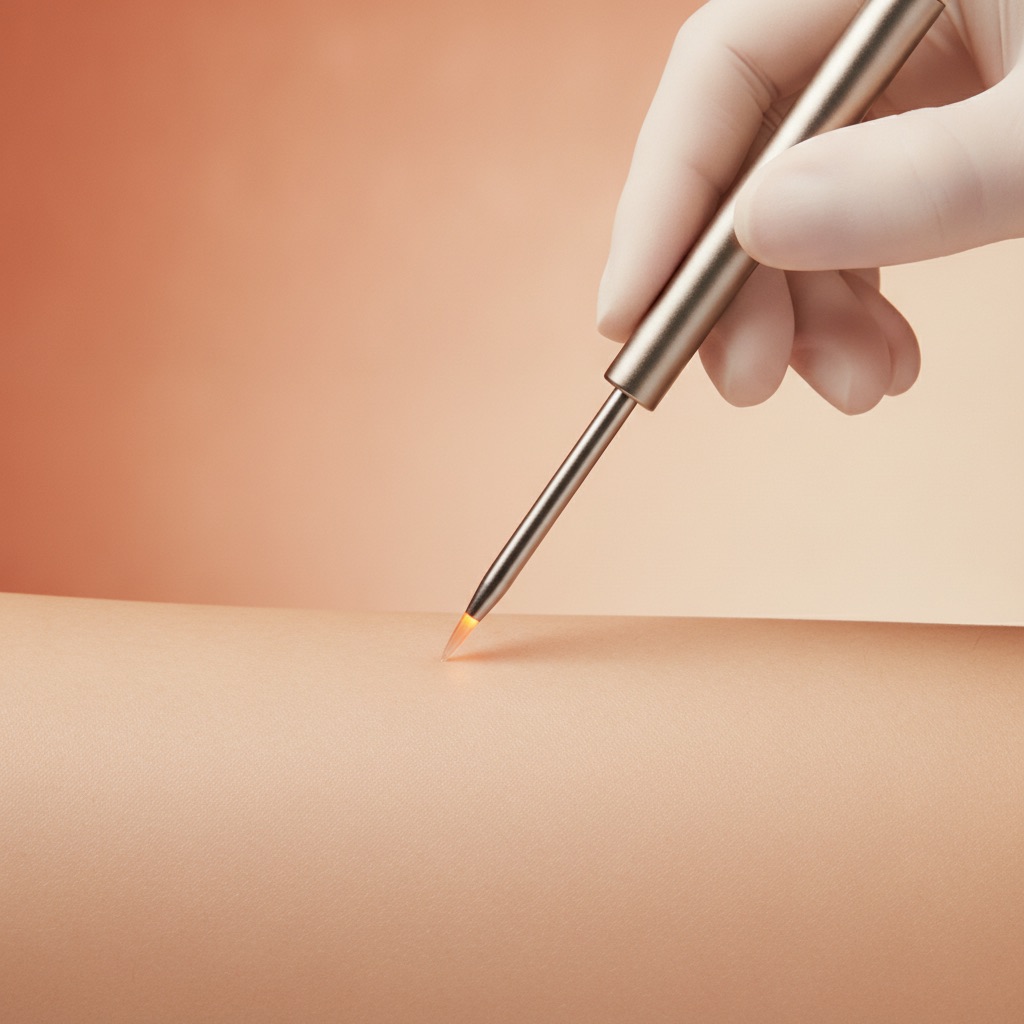
A very fine needle is placed into the opening of a single pore. The needle is insulated along its shaft, so the energy is released only at the tip, down where the oil gland sits. The skin surface, which the shaft passes through, is largely spared. That's the real advantage over a laser here: the heat goes precisely where the problem lives, rather than being delivered from the top down.
Pulling the weed instead of mowing the lawn
Here is how I explain it to patients. Most blackhead and acne care, from pore strips and oil cleansers to exfoliants, is like mowing a lawn. You cut down what's visible, and it looks tidy for a while, but the roots are untouched, so it grows back.
A blackhead is oil that couldn't drain properly, built up in the pore and turned dark as it met the air. The nose has more oil glands than almost anywhere else on the face, which is why it collects so many. Acne that erupts in the same spot every few weeks has a similar story: one overactive gland in one location.
The Agnes laser is the equivalent of pulling that weed out by the root. Its heat damages the gland itself, and a gland that no longer works stops producing the oil behind the problem in that spot. That's why I reserve it for recurring, localized trouble. It is a precise tool, not a blanket one.
Three situations where I reach for Agnes
Acne that returns to the same place. Women often tell me it's around the mouth; for men it's frequently along the jawline. If one area flares again and again, those glands are the ones to treat.
Small, recurring bumps. Many people describe tiny white bumps as "milia," but a lot of them are actually closed comedones, which are clogged pores. If they keep coming back in one area, treating the glands that feed them makes sense. If they're scattered and occasional, gentler care such as extraction and scaling comes first. I explain how to tell the two apart in my post on milia vs closed comedones.
Stubborn nose blackheads. Honestly, apart from very mild cases, home care rarely solves these for good. It helps for a while and then they're back, because the gland is still producing oil.
One more thing: not every bump is a gland problem. Some small, even bumps that sit in the pores, especially under the eyes, are normal oil-gland structures rather than acne, and they don't respond the way people hope. This is one of the reasons I examine first and decide second.
What happens in the chair
An Agnes laser session takes about 30 minutes. Extraction comes first, and it matters more than people expect. If blackheads or comedones are left in place, the energy doesn't reach the gland efficiently, so a careful extraction is part of the treatment, not a warm-up.
Then I place the needle into each target pore and deliver the energy. This is very hands-on work. The needle must be fully inserted before the energy is released, at the right angle, and in the right direction. Small differences in technique change the result, which is why I do it myself.
For blackheads, I follow an Agnes laser rule I pass on to younger doctors: look closely, treat sparingly. Blackheads cluster tightly, and treating every neighbouring gland in one sitting risks a burn. So I space them out and treat in rounds, which is why more than one session is needed.
What recovery and results look like
The next day, material from the treated glands often surfaces in the treated spots. I ask patients to come back a day or two later for a quick extraction, which keeps things comfortable and clean. After that, expect one to three days of possible redness or swelling.
For nose blackheads, I usually plan around three sessions about a month apart. For recurring acne, sessions are generally one to two months apart, treating new problem spots as they show themselves. Each round lowers how often breakouts appear. It doesn't make acne impossible, because no medication or treatment does, but the pattern becomes much quieter. Results vary by individual.
One detail surprises people. Once a blackhead is cleared, the empty pore can look a little larger for a while. As oil production drops, most pores tighten again over time. Pores that have stretched so far they behave more like scars won't shrink on their own, and those may need additional treatment such as pico fraxel.
Where Agnes fits in a wider acne plan
The Agnes laser is intense, and it asks something of both of us: some discomfort in the chair and an extra visit afterwards. So for widespread acne, it's rarely the whole plan. When breakouts are frequent across the face, calming the inflammation comes first, sometimes with medication. When acne is moderate but keeps returning, I often use one Agnes session to take out the worst-offending glands, then follow with Potenza for acne, a microneedle RF treatment that turns down oil production across a wider area with less aftercare. Think of Agnes as removing a few glands for good, and Potenza as lowering the volume everywhere.
If you'd like the full sequence, from active breakouts through marks to scars, my guide to Korean acne treatment walks through it stage by stage.
Fitting it into a trip to Seoul
The extraction visit shapes an Agnes laser itinerary. I recommend booking it near the start of your stay, not on your last afternoon, so you can return a day or two later and still have time for the redness to settle before you fly. A rough shape:
- Treatment day: extraction, then Agnes. Treated spots may look pink or slightly raised that evening.
- The following day or the one after: a short return visit for extraction.
- By the end of the first week: most people are back to their usual routine, and makeup is fine once the skin has calmed.
Because blackheads and recurring acne need spaced sessions, many patients do one round here and plan the next for a later trip.
For international patients
English- and Chinese-speaking interpreters are on site throughout, and I handle your case myself, from the first look at your skin through the treatment. After you're home, we continue online, and a clear photo of the treated area in daylight is the most useful update you can send. The Agnes laser is an elective, non-insured aesthetic treatment, and the plan and cost are explained at consultation once I've seen your skin.
Takeaways
- The Agnes laser isn't a laser at all. It is single-pin, insulated radiofrequency that treats the oil gland directly.
- It suits recurring, localized problems: same-spot acne, recurring closed comedones and nose blackheads.
- Sessions take about 30 minutes, with a short extraction visit afterwards and one to three days of possible redness or swelling.
- Blackheads and repeat acne need spaced sessions, so plan the first one early in your stay.
Related reading on this topic
- Freckles vs Melasma: Two Kinds of Brown Spots, Two Very Different Treatment Plans
- Laser Toning in Korea: Why It Works Slowly, Who It Suits, and What It Can't Fix
- Pico Fraxel for Acne Scars and Pores: What It Can Rebuild Beneath the Surface, and What It Can't
- Potenza Korea: What Your Dermatologist Should Be Adjusting Before the First Pass
More from the clinic
Frequently asked
Is the Agnes laser actually a laser?
No. Agnes is radiofrequency delivered through a single fine, insulated needle. The name 'Agnes laser' is simply how many people search for it. Instead of light, it releases heat at the needle tip, inside the oil gland, while the skin surface is protected.
What does Agnes treat?
I use it for acne that keeps returning to the same spot, small closed-comedone bumps that recur in one area, and stubborn nose blackheads. It works on the oil gland that feeds these problems, so it suits localized, recurring trouble rather than a single passing breakout.
How many Agnes sessions will I need?
For nose blackheads, I usually plan around three sessions about a month apart, because the glands are packed closely and I treat them in spaced-out rounds. For recurring acne, sessions are typically one to two months apart. The exact plan depends on your skin. Results vary by individual.
What is the downtime after Agnes?
Expect one to three days of possible redness or swelling. Material from the treated glands can surface the next day, so I usually ask you to come back for a quick extraction a day or two after treatment.
Does Agnes hurt?
It is one of the more intense acne treatments, so there is some discomfort. We use numbing cream or cooling as needed, and sensation varies from person to person.
Keep reading
More on this from Dr. Min Jeong.




Dr. Min Jeong
Founding director, REDI Dermatology · Seoul
“A treatment isn't shopping. I'd rather diagnose first and recommend only what your skin genuinely needs — the same way I'd advise my own family.”
Board-certified dermatologist — trained at Kangbuk Samsung Hospital, and former Chief of Dermatology at the ROK Ministry of National Defense.
Juvelook Key Opinion Leader — 15,000+ vials administered, Korea's highest-volume clinic (Apr 2025). Key Opinion Leader titles are granted by device companies and carry no legal standing.
A regular speaker on clinical dermatology at Korean medical symposiums, including Juvelook clinical-experience panels.
Why international patients choose REDI
Interpreters in the room
English and Chinese, on site for your consultation and treatment.
Board-certified doctors only
Every procedure by a dermatology specialist — never unsupervised staff.
15,000+ Juvelook vials — No.1 in Korea
Hands-on volume most clinics have not reached.
Airport pickup arranged
So your first day in Seoul isn't spent lost with luggage.
Aftercare once you're home
Online follow-up, so a question next week still reaches your doctor.
Explore the treatment
Agnes
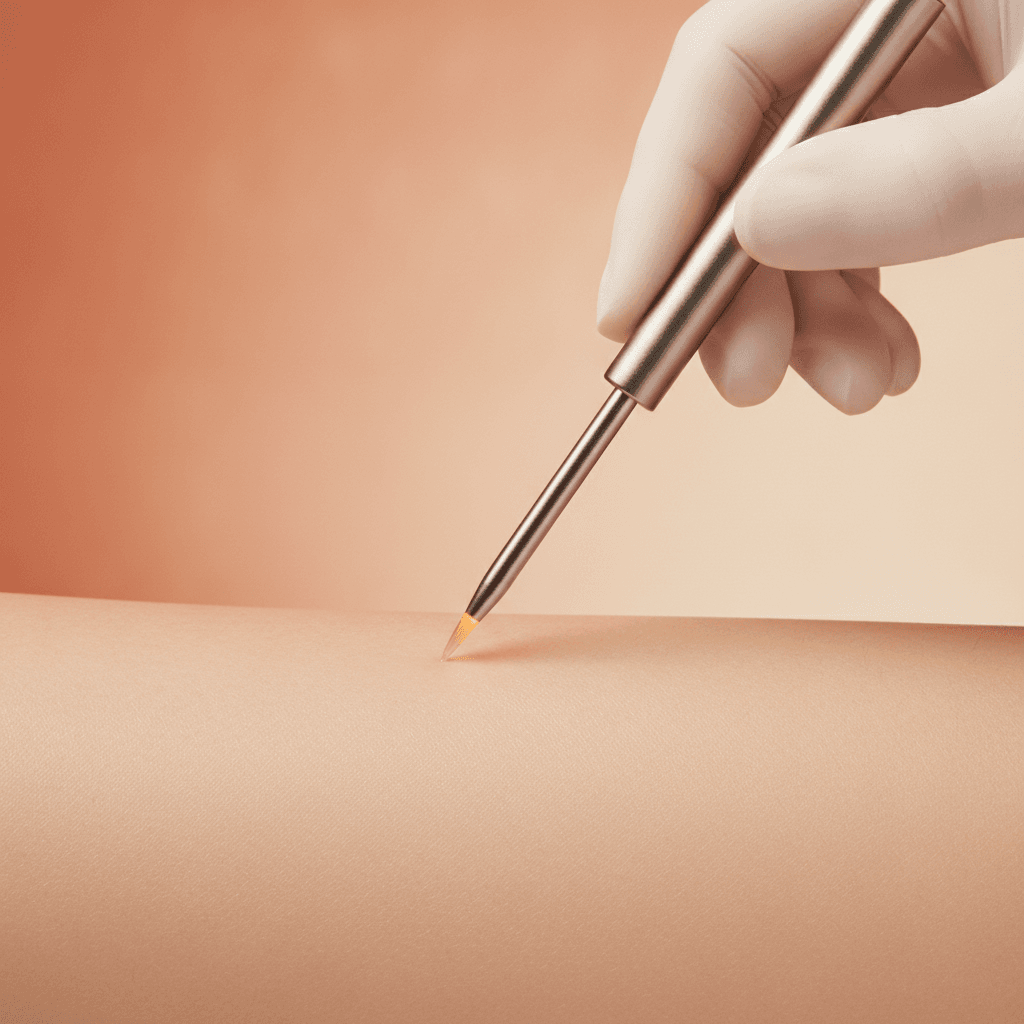
Agnes uses single-pin radiofrequency to destroy sebaceous glands — a powerful acne treatment. It's effective for severe acne, acne that recurs in the same spot, and nose blackheads.
Potenza
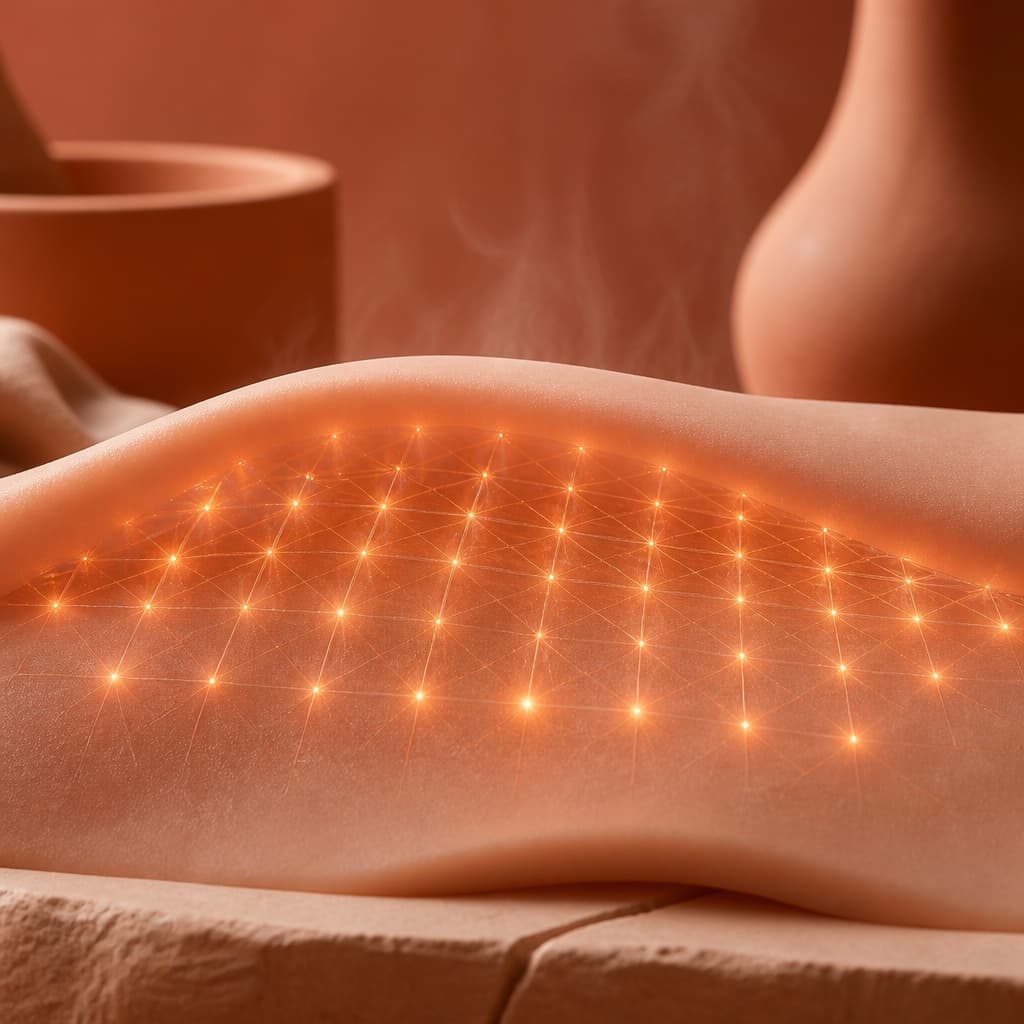
Minimal pain with little disruption to daily life. Microneedles are safely inserted into the dermis to deliver radiofrequency heat, improving acne and pores while boosting firmness.
Visit REDI Dermatology
4F & 5F, DM Tower Bldg. 2, 105 Bangbae-ro, Seocho-gu, Seoul, Korea
길찾기 (Get directions)Medically reviewed by Dr. Min Jeong · Last updated
This article is general information, not medical advice. Results vary by individual. These are elective, non-insured aesthetic treatments. Please consult a board-certified doctor about your own case.
Ask what your skin actually needs
Free online consultation