
Korean LDM Device for Stressed, Reactive Skin on a Short Trip to Seoul
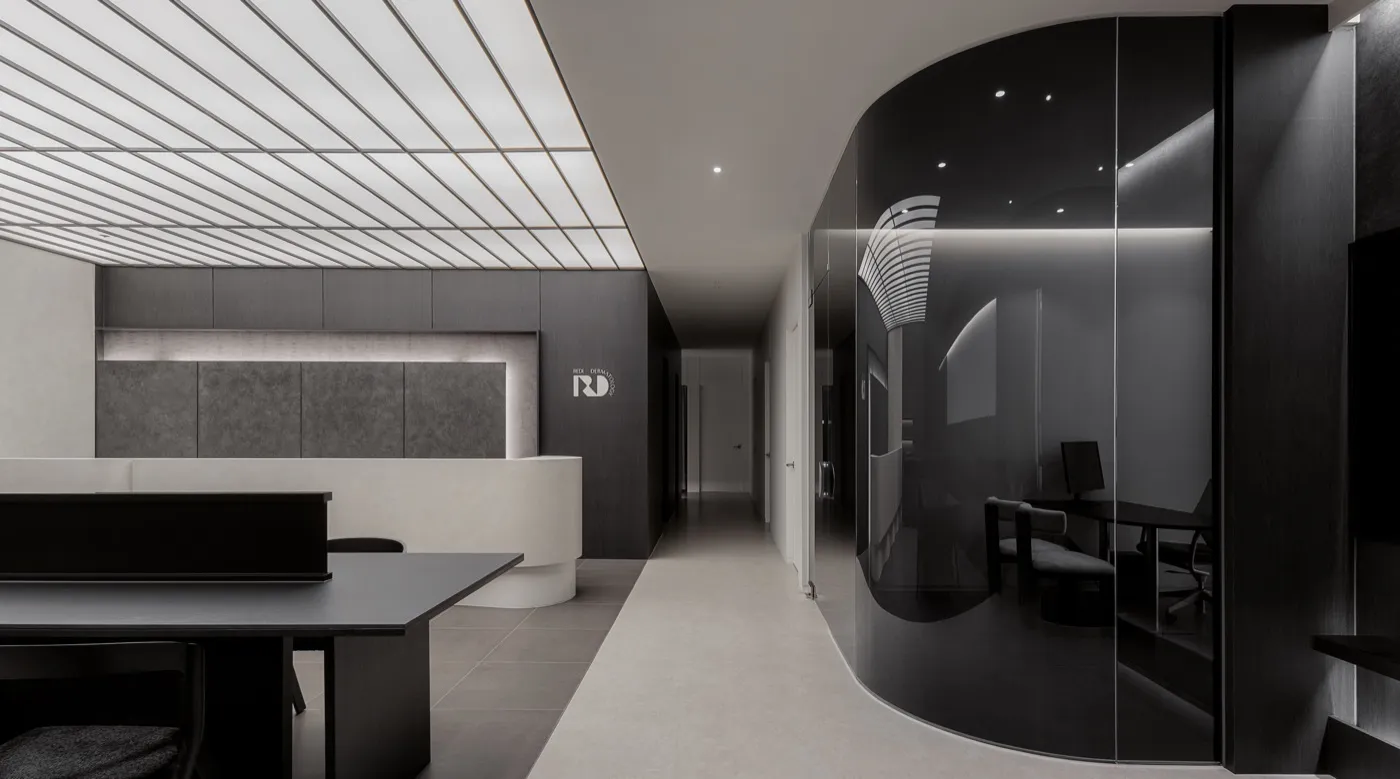
A session takes about 20 minutes, and downtime is little to none. If you're flying in for a few days, the usual worry is whether a face that already reacts to everything will be red on the flight home. At REDI Dermatology in Seoul, an English interpreter is on site during consultation and treatment, so you can explain exactly what stings and when.
I'm Dr. Min Jeong, founding director and a board-certified dermatologist at REDI. I hear about the Korean LDM device often because it sits on Seoul menus next to much stronger devices, and a menu can't tell you which one your skin needs. Please read to the end, since the section on who should hold off matters more than the device name.
If your skin is reactive right now, send one daylight photo of your face without makeup and the dates of your trip on WhatsApp.
What does the LDM device actually do in the skin?
A Korean LDM device sends high-density, ultra-high-frequency ultrasound vibration into the skin. The purpose is calming: settling stressed skin, supporting its hydration and texture, and stimulating fibroblasts, the cells that make collagen. That last part is where its mild firmness benefit comes from.
There are no needles and no incisions. On our LDM treatment page we describe it as having little pain and almost no downtime, and it is also used to support recovery after other treatments. A useful way to picture it: the stronger devices on a dermatology menu create a controlled injury and let the skin rebuild, while LDM works on the conditions the skin rebuilds in.
The Korean LDM device is a support tool, and that framing matters. It won't lift a jawline the way a dedicated lifting device is designed to, and it won't fill an indented scar. People who arrive expecting that tend to be disappointed, and people who arrive with raw, tight, stinging skin tend to find it the easiest appointment of their trip.
Which skin it suits, and which goals belong to other devices
A Korean LDM device suits skin whose main problem is irritation: stinging, tightness, a stressed barrier, or skin recovering from a stronger procedure. When the goal is a lifted contour, deep scars or brown spots, LDM plays a supporting role at most, and another treatment on the menu usually leads.
| What you want | Where LDM fits | What usually leads instead |
|---|---|---|
| Calm skin that stings or feels tight | Main option | — |
| Faster settling after a stronger treatment | Calming step alongside it | The stronger treatment itself |
| Less visible redness or flushing | Supporting role | Vbeam Perfecta (595 nm) |
| A firmer contour or softer sagging | Mild help only | Lifting devices such as Tune Face or Density |
| Indented acne scars | Not the main tool | Potenza and other scar options |
| Brown spots or uneven tone | Not the main tool | Laser toning or pico toning |
If your skin stings with most products
This is the person LDM was made for. Your skin may look fine in photos but burns when you apply a new serum, and you've cut your routine down to three products. Ultrasound soothing works on the hydration and texture environment without adding heat injury or needle channels, so it fits a barrier that can't take much more. Pair it with a routine that stops the irritation at home, or the effect fades back into the same cycle.
If you're having a stronger treatment on the same trip
Many visitors plan a laser or microneedle treatment and worry about how their skin will look afterwards. A Korean LDM device is used as a calming step after other treatments. Whether it goes on the same day or the next one is a call the dermatologist makes after seeing how your skin responds to the main treatment.
If firmness is the real goal
LDM's collagen stimulation is real but modest. If you're mostly bothered by a softening jawline, a lifting device does the heavier work. Tune Face takes about 30 minutes with little to no downtime. Density takes about 30 to 45 minutes, with minimal downtime of one to two days. I go through how those devices differ in this guide to skin tightening in Korea.
Risks, and who should hold off on LDM
For reactive skin, LDM is usually a reasonable choice, as long as the reaction is irritation. Reactive skin is the group LDM is aimed at. The exceptions are skin that is broken, infected or freshly wounded, and redness that comes from something other than irritation, because then a calming device treats the symptom and misses the cause.
In general, dermatologists hold off on energy-based facial devices over open wounds or an active skin infection, and LDM is no exception. Active inflammatory acne also changes the plan: the acne needs treating first, with options such as Gold PTT or Agnes, and calming comes alongside.
The harder case is redness. Stinging and tightness after products point to a stressed barrier. Redness that arrives in flushes, with visible small vessels, can be a vascular pattern such as rosacea, and that is where Vbeam Perfecta, which uses a 595 nm wavelength aimed at vascular conditions, may be considered instead. Rejuran is also on our redness menu, and I cover what it can and can't do in Rejuran Healer in Korea.
What you do at home decides whether a calmer face lasts past the flight.
The same AAD guidance lists alcohol, camphor, glycolic acid, lactic acid, menthol, sodium lauryl sulfate and urea as label ingredients to check for. Results vary by individual, and whether LDM suits you is decided at the in-person exam.
Doctor's note
A calming device is easy to say yes to, which is exactly why the diagnosis matters more than the device. REDI is named for "Reduce Distance": an accurate diagnosis should lead straight to the treatment you need, with no detours. With LDM, that means first asking whether your redness is irritation, a vascular pattern or active acne, because each one points to a different first treatment.
If you can't tell whether your redness is irritation or something vascular, send a close daylight photo of the red area and a list of the products you use now on WhatsApp. The doctor reviews it, and you'll know which direction the visit is likely to take and whether a short stop in Seoul is enough.
What to tell the doctor before the device goes on
Four details change the plan more than anything on the menu.
- Every product you've used in the last two weeks, including retinoids and exfoliating acids, since they explain a lot of stinging.
- Any procedure in the past month, at home or in Korea, and what it was.
- Whether your redness is constant or comes in flushes, and what sets it off: heat, alcohol, spicy food, the sun.
- Your flight date and time, so stronger treatments land early in the trip and calming comes after.
The flushing question is the one I lean on most when sorting irritation from a vascular pattern. Constant tight pinkness after a new product reads very differently from a face that turns red in a warm room and fades an hour later, and the answer moves the first treatment.
How does LDM fit into a short trip to Seoul?
With a session of about 20 minutes and little to no downtime, LDM is one of the easier treatments to place near the end of a trip. If it's paired with something stronger, the stronger treatment goes first, and LDM follows.
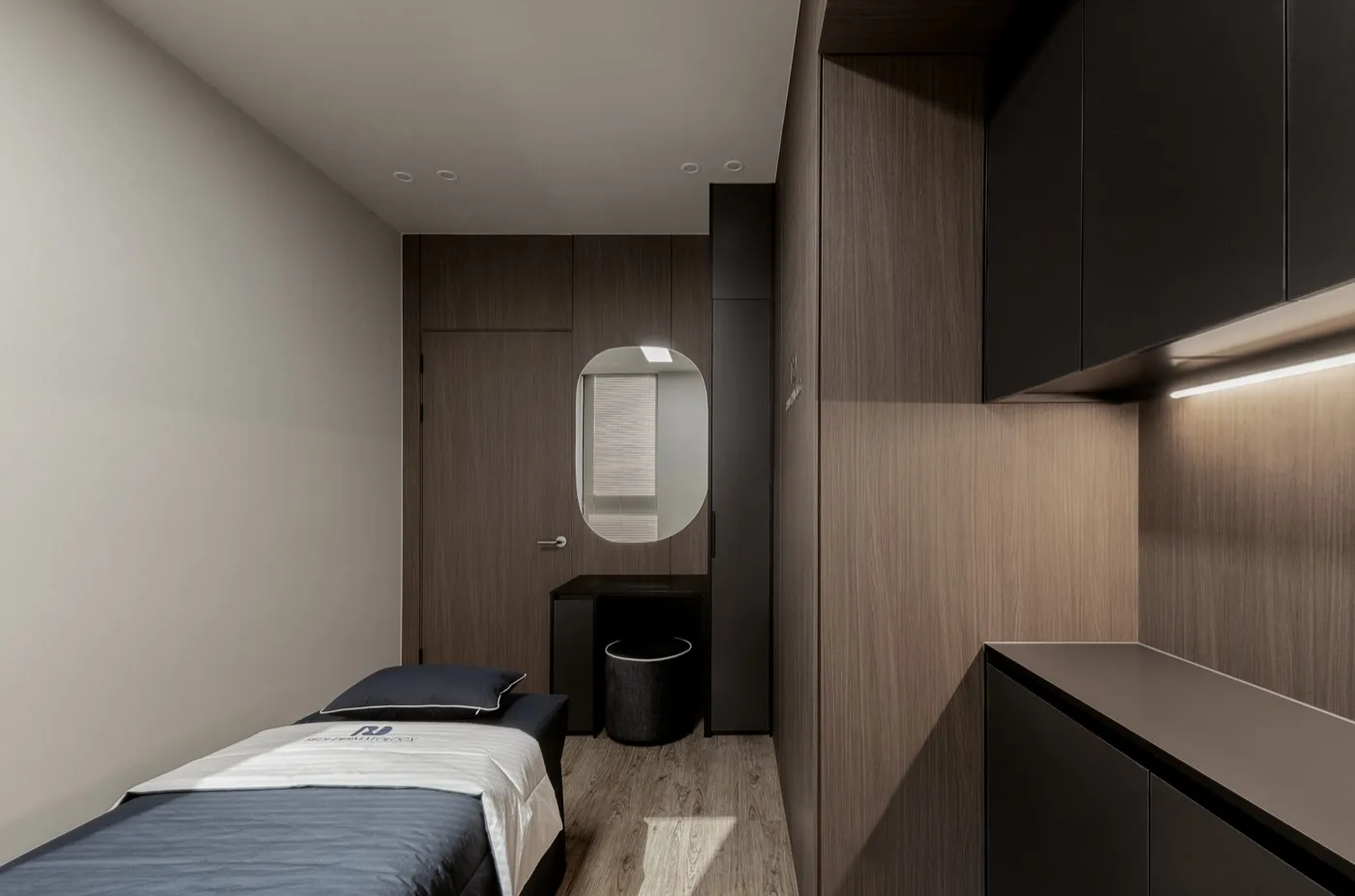
REDI is at 4F and 5F, DM Tower Bldg. 2, 105 Bangbae-ro, Seocho-gu, a 2 minute walk from Exit 3 of Bangbae Station on Line 2. We're open until 20:00 on Monday, Wednesday and Friday, until 19:00 on Tuesday and Thursday, and from 10:00 to 15:00 on Saturday, with a lunch break from 13:00 to 14:00 on weekdays. An evening slot after a day of sightseeing, or a Saturday morning before a flight, both work for a treatment this short.
Interpreters for English and Chinese are on site for both the consultation and the treatment, so nothing about your skin history gets lost in translation. If you're weighing LDM against other options for the same trip, our note on whether Korean skin treatment is safe covers the general questions travelers ask before booking.
Planning LDM with the rest of your skin goals
People searching for a Korean LDM device often want one thing fixed fast before a flight, and LDM can be that one thing when the problem is stressed skin. When it isn't, the honest plan names the treatment that leads and gives LDM its place behind it.
Send your travel dates and one photo of your skin on WhatsApp, along with any treatment you were already planning for this trip.
Frequently asked
Is LDM the same as a hydrafacial-type facial?
No. LDM is an ultrasound device that uses ultra-high-frequency vibration to soothe skin and support hydration and texture. It isn't a suction or extraction facial. Both can sit on a Korean clinic menu, but they work in different ways.
Does LDM hurt?
REDI's treatment description lists little pain and almost no downtime for LDM. There are no needles or incisions. If anything feels uncomfortable during the session, tell the interpreter so the doctor knows straight away.
Can I get LDM on a Saturday before flying home?
REDI is open from 10:00 to 15:00 on Saturday, and an LDM session takes about 20 minutes with little to no downtime. That makes a Saturday slot workable before an evening flight. If you're also having a stronger treatment, plan that one earlier in the week.
Does LDM help with active acne?
Active inflammatory acne usually needs an acne treatment first, such as Gold PTT or Agnes. LDM can be used alongside to calm the skin. The dermatologist decides the order after seeing your skin in person.
How many LDM sessions will I need?
REDI doesn't publish a fixed number of LDM sessions. The dermatologist sets it after examining your skin and hearing how long the irritation has lasted. For a short trip, the plan is built around the days you have.

Dr. Min Jeong
Founding director, REDI Dermatology · Seoul
“A treatment isn't shopping. I'd rather diagnose first and recommend only what your skin genuinely needs — the same way I'd advise my own family.”
Board-certified dermatologist — trained at Kangbuk Samsung Hospital, and former Chief of Dermatology at the ROK Ministry of National Defense.
Juvelook Key Opinion Leader — 15,000+ vials administered, Korea's highest-volume clinic (Apr 2025). Key Opinion Leader titles are granted by device companies and carry no legal standing.
A regular speaker on clinical dermatology at Korean medical symposiums, including Juvelook clinical-experience panels.
Why international patients choose REDI
Interpreters in the room
English and Chinese, on site for your consultation and treatment.
Board-certified doctors only
Every procedure by a dermatology specialist — never unsupervised staff.
15,000+ Juvelook vials — No.1 in Korea
Hands-on volume most clinics have not reached.
Airport pickup arranged
So your first day in Seoul isn't spent lost with luggage.
Aftercare once you're home
Online follow-up, so a question next week still reaches your doctor.
Visit REDI Dermatology
4F & 5F, DM Tower Bldg. 2, 105 Bangbae-ro, Seocho-gu, Seoul, Korea
길찾기 (Get directions)Medically reviewed by Dr. Min Jeong, Founding Director / Board-Certified Dermatologist · Last updated
Edited by: Dr. Min Jeong
This article is general information, not medical advice. Results vary by individual. These are elective, non-insured aesthetic treatments. Please consult a board-certified doctor about your own case.
Ask what your skin actually needs
Free online consultation