
Neck Lifting in Korea: What Actually Firms a Sagging Neck Without Surgery — Dr. Min Jeong

Why the neck is often the first place age shows
Hello, I'm Dr. Min Jeong, founding director of REDI Dermatology in Seoul. Before we get into devices and timelines, let me say what I tell almost every patient who comes in asking about neck lifting: the neck is honest. You can invest in your face for years, but a softening jawline and a loosening neck will still quietly give your age away. That's exactly why so many people search for neck lifting in Korea — and also why it's so easy to be sold the wrong thing. Please read to the end, because the right answer here depends far more on your neck than on any single "famous" device.
The neck ages differently from the cheeks. The skin here is thinner, moves constantly, and gets less of our daily skincare attention. So you tend to see three things together: a blurred jawline, horizontal neck creases, and a general loss of firmness under the chin. Non-surgical neck lifting works on the deeper layers that drive that sagging — not by cutting anything away, but by stimulating your own collagen to contract and rebuild.
I want to be honest about scope from the start. At REDI we are a non-surgical dermatology clinic. For mild to moderate neck laxity, energy-based devices do a genuinely good job. For very advanced sagging with heavy loose skin, a surgical consultation may be the more realistic route — and I'll tell you that directly rather than sell you sessions that can't reach your goal.
The main non-surgical neck lifting approaches
There is no single "best" neck lifting device — there are different technologies that suit different necks. Here's how I group the tools we actually use, and what each one is really for.
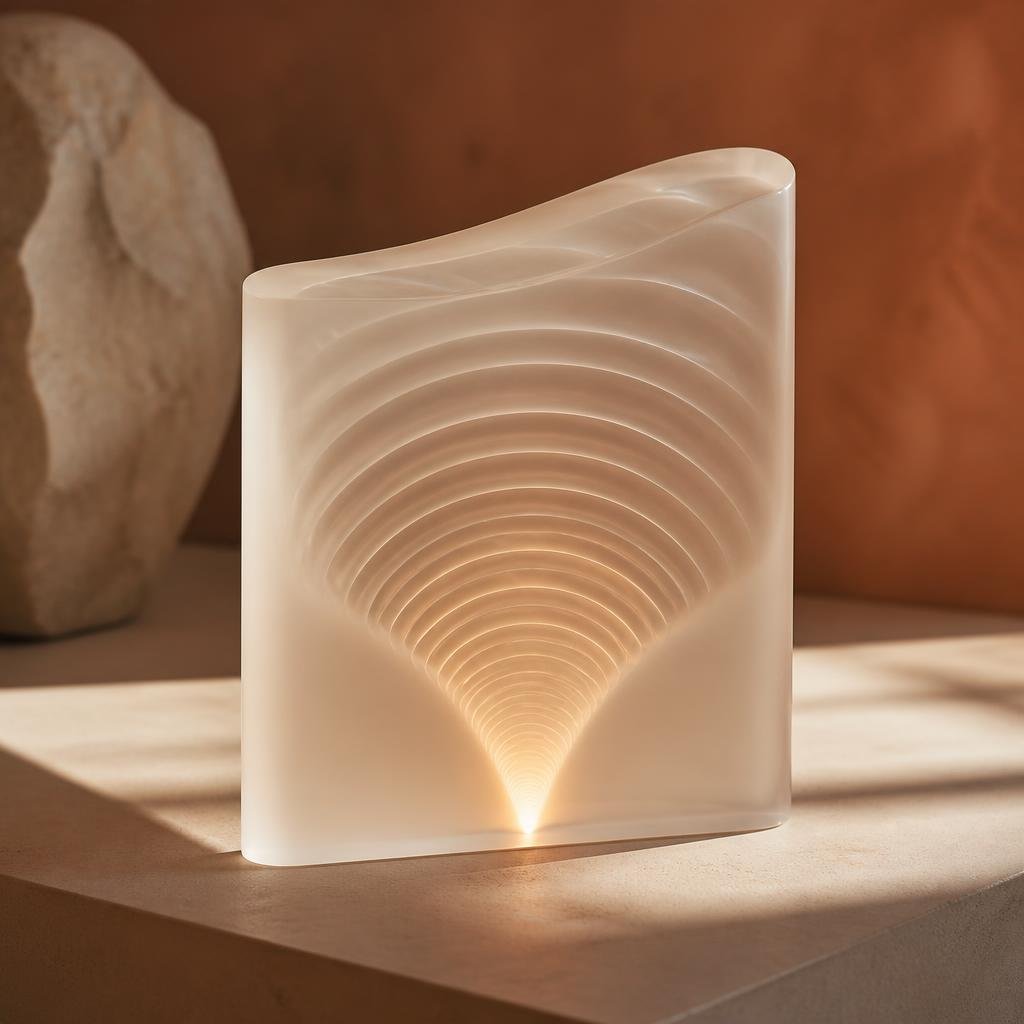
Focused ultrasound (HIFU). This is the classic choice for a softening jawline and neck. Ultherapy Prime delivers focused ultrasound energy precisely to the deep SMAS layer — the same layer surgeons address in a facelift — to contract the tissue that drives sagging and lift the contour without any incision. Because it works by stimulating new collagen, the lift settles in gradually over about 2–3 months. If your neck laxity is real but not extreme, this is often where I start. If you want to understand the technology more deeply, I go into it in my honest guide to Ultherapy in Korea.
Radiofrequency (RF). Devices like Density and Tune Face use radiofrequency rather than ultrasound to heat the deeper layers. They generally feel more comfortable, with a more immediate tightening sensation, and downtime is minimal. RF suits people who want firmness managed gently, without strong sensation.
Sofwave. Sofwave delivers ultrasound energy optimized for the ~1.5 mm depth where fine lines form, with a real-time cooling system that protects the surface. It's designed to work comfortably across a range of skin tones and is well suited to the delicate face and neck — especially when your main concern is crepey texture and fine lines rather than deep, heavy sagging.
Microwave lifting (Onda). Onda uses microwave (Coolwaves) technology to selectively heat deeper fat and the dermis. It's a comfortable option, and I find it particularly useful when a soft double chin and localized fullness under the jaw are part of the picture alongside laxity.
How I actually match a device to your neck
This is the part that matters most, and it's where a "diagnosis-first" clinic earns its keep. The same device on the wrong neck simply doesn't deliver — I've spent fifteen years watching that happen.
I use a simple test I share with patients. Look in the mirror and gently draw the skin of your jaw and neck upward with your fingers.
- If lifting the skin makes a big difference ("it looks so much younger when I pull it up"), your deeper structure has loosened. A surface-only treatment won't be enough — you need something that reaches the deep layer first, such as focused ultrasound.
- If the skin still looks crepey even when you pull it taut, the issue is more about thinned, collagen-depleted skin. That's where mid-dermal ultrasound like Sofwave, or radiofrequency, shines.
- If both are true, combining a deep-layer lift with a texture-focused device is usually the most satisfying plan.
At REDI we diagnose skin thickness and degree of laxity first, then design the depth and number of shots accordingly — I'd rather give you a lift that is both safe and genuinely noticeable than simply max out the intensity. For thinner necks, I'm deliberately conservative with energy to protect the tissue. And because neck skin is fragile, I often pair a lift with a collagen-stimulating skin booster so the surface quality improves alongside the firmness.
One more note for my international patients with deeper or richer skin tones (Fitzpatrick IV–VI): device choice and settings genuinely matter for safety here. Sofwave, for example, is designed to stimulate collagen while protecting the surface across a range of skin tones. We adjust protocols with your skin type front of mind.
What to realistically expect — timeline and downtime
Let me set honest expectations, because "instant neck lift" is a phrase I don't use.
Right away: you may feel mild tightening, but this isn't the real result. Think of it as the process starting, not finishing.
Weeks 2–4: early firmness begins to appear as collagen responds.
Months 2–3: the meaningful lift settles in for ultrasound-based treatments. For radiofrequency, contour refinement generally develops over roughly 4–12 weeks.
Longevity: with ultrasound lifting, results typically last about 1–1.5 years and vary by individual, so periodic maintenance is recommended. RF devices are often maintained once or twice a year.
Downtime is one of the reasons non-surgical neck lifting travels so well. Most of these treatments involve minimal downtime — around 1–2 days of mild redness or slight swelling, or little to none for gentler RF options. For a fuller day-by-day view, my skin treatment downtime guide breaks down what recovery actually looks like.
Planning a trip for neck lifting in Korea
If you're flying in, the good news is that most non-surgical neck lifting fits comfortably into a short visit. A rough sense of timing:
- Day 0 — treatment day: the session itself runs from around 20 to 60 minutes depending on the device. Mild redness or slight swelling may follow.
- Day 1–2: any redness or swelling typically eases; most people are back to normal activities and can wear makeup.
- Flying home: because downtime is minimal, short-haul travel soon after is usually manageable for these treatments — I'll confirm the specifics for your plan at consultation.
At REDI, I personally handle your consultation through to the treatment itself, and we have English- and Chinese-speaking interpreters on site, so you won't be navigating this alone. You can send photos and ask questions on WhatsApp before you even book a flight, we offer airport pickup, and we do online aftercare follow-ups once you're home so any questions get answered. Neck lifting is an elective, non-insured aesthetic treatment, and pricing is discussed transparently at your consultation once we've confirmed which approach actually fits your neck.
Takeaways
- Non-surgical neck lifting in Korea works well for mild to moderate laxity — it stimulates your own collagen in the deeper layers rather than cutting anything away. Very advanced sagging may need a surgical opinion, which is outside our scope.
- There's no single best device. Focused ultrasound (Ultherapy Prime) targets deep sagging; radiofrequency (Density, Tune Face) and Sofwave suit gentler firming and crepey texture; Onda (microwave) helps when a soft double chin is also a concern.
- Diagnosis comes first. The same device on the wrong neck disappoints — I match depth and settings to your skin thickness and degree of laxity, with skin tone in mind.
- Results build gradually — mild tightening at first, meaningful lift over 2–3 months, lasting roughly 1–1.5 years for ultrasound with maintenance. Results vary by individual.
- Downtime is minimal, making neck lifting practical for international patients on a short trip, with interpreters, airport pickup, and online aftercare.
Frequently asked
Can you lift a sagging neck in Korea without surgery?
Yes, for mild to moderate laxity. Energy-based devices like Ultherapy Prime, HIFU, radiofrequency and microwave lifting stimulate collagen in the deeper layers to firm and refine the neck and jawline contour gradually. Very advanced sagging may need a surgical opinion, which is outside our non-surgical scope. Results vary by individual.
How long does non-surgical neck lifting take to show results?
You may feel mild tightening right away, but the real lift develops gradually as new collagen forms — generally over about 2–3 months for ultrasound lifting, and roughly 4–12 weeks for radiofrequency devices. Results vary by individual.
How much downtime does neck lifting have?
For most energy-based neck lifting the downtime is minimal — usually 1–2 days of mild redness or slight swelling, and little to none for gentler radiofrequency devices. This makes it manageable for international patients on a short trip.
How long do non-surgical neck lifting results last?
With ultrasound lifting, results typically last about 1–1.5 years and vary by individual, so periodic maintenance is recommended. Radiofrequency devices are often maintained with sessions once or twice a year.
Is neck lifting painful?
It depends on the device. Ultrasound lifting can involve brief sensation as the deeper layer is stimulated, which we manage with numbing cream and cooling. Microwave and gentler RF options tend to be much more comfortable. We tune the intensity with you during treatment.
Keep reading
More on this from Dr. Min Jeong.




Dr. Min Jeong
Founding director, REDI Dermatology · Seoul
“A treatment isn’t shopping. I’d rather diagnose first and recommend only what your skin genuinely needs — the same way I’d advise my own family.”
Board-certified dermatologist — trained at Kangbuk Samsung Hospital, and former Chief of Dermatology at the ROK Ministry of National Defense.
Recognized by VAIM as Korea's highest-volume Juvelook injector, with 15,000+ vials of hands-on experience; KOL for MIRAJET, Potenza and Oligio.
A regular speaker on clinical dermatology at Korean medical symposiums, including Juvelook clinical-experience panels.
Why international patients choose REDI
Interpreters in the room
English and Chinese, on site for your consultation and treatment.
Board-certified doctors only
Every procedure by a dermatology specialist — never unsupervised staff.
15,000+ Juvelook vials
Hands-on volume most clinics have not reached.
Airport pickup arranged
So your first day in Seoul isn't spent lost with luggage.
Aftercare once you're home
Online follow-up, so a question next week still reaches your doctor.
Explore the treatment
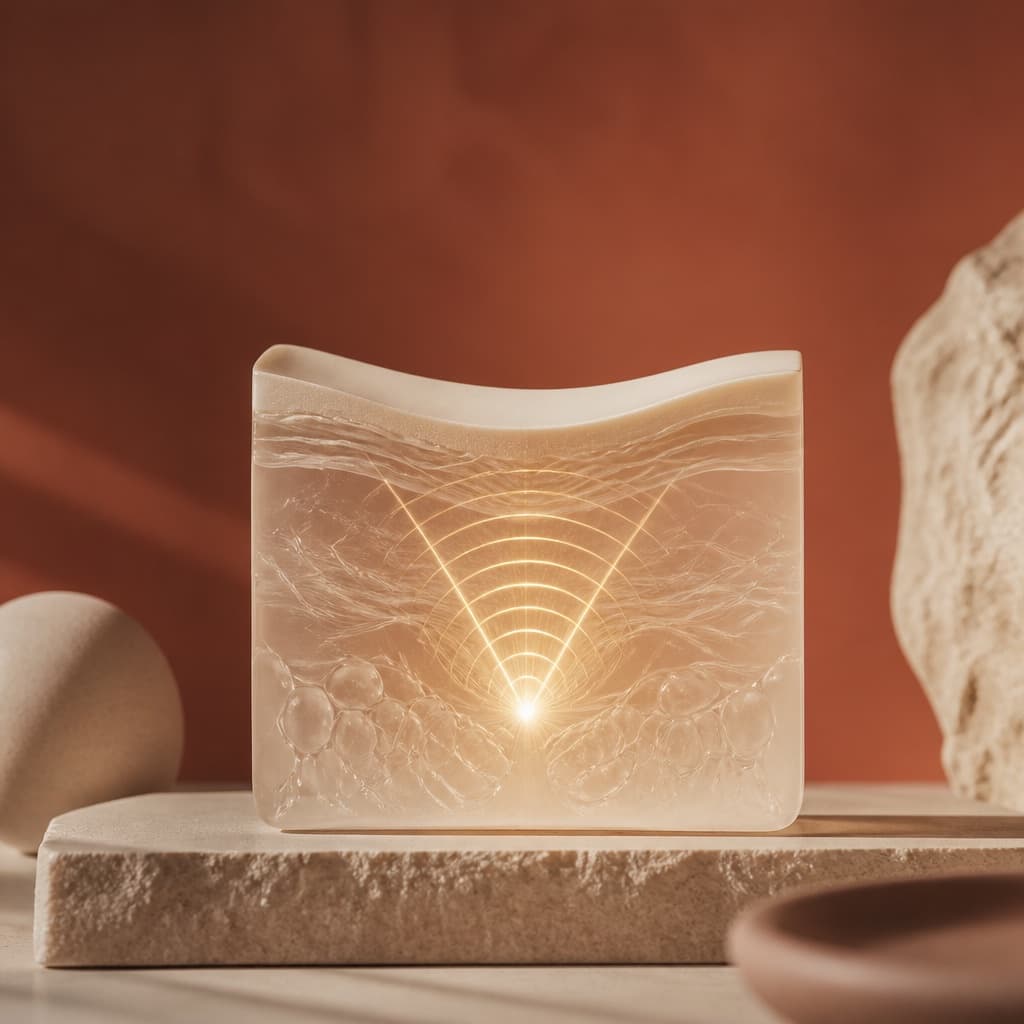
Ultherapy Prime
Ultherapy Prime is a globally validated non-surgical facelift. It delivers focused ultrasound energy precisely to the deep SMAS layer — the same layer addressed in surgical lifts — to contract the tissue that drives sagging and lift the contour without any incision. It can help with a softening jawline, neck, and eye area, and because it works by stimulating new collagen, results settle in gradually. At REDI, we diagnose your skin thickness and degree of laxity first, then design the depth and number of shots accordingly — prioritizing a lift that is both safe and genuinely noticeable over raw intensity.
Sofwave
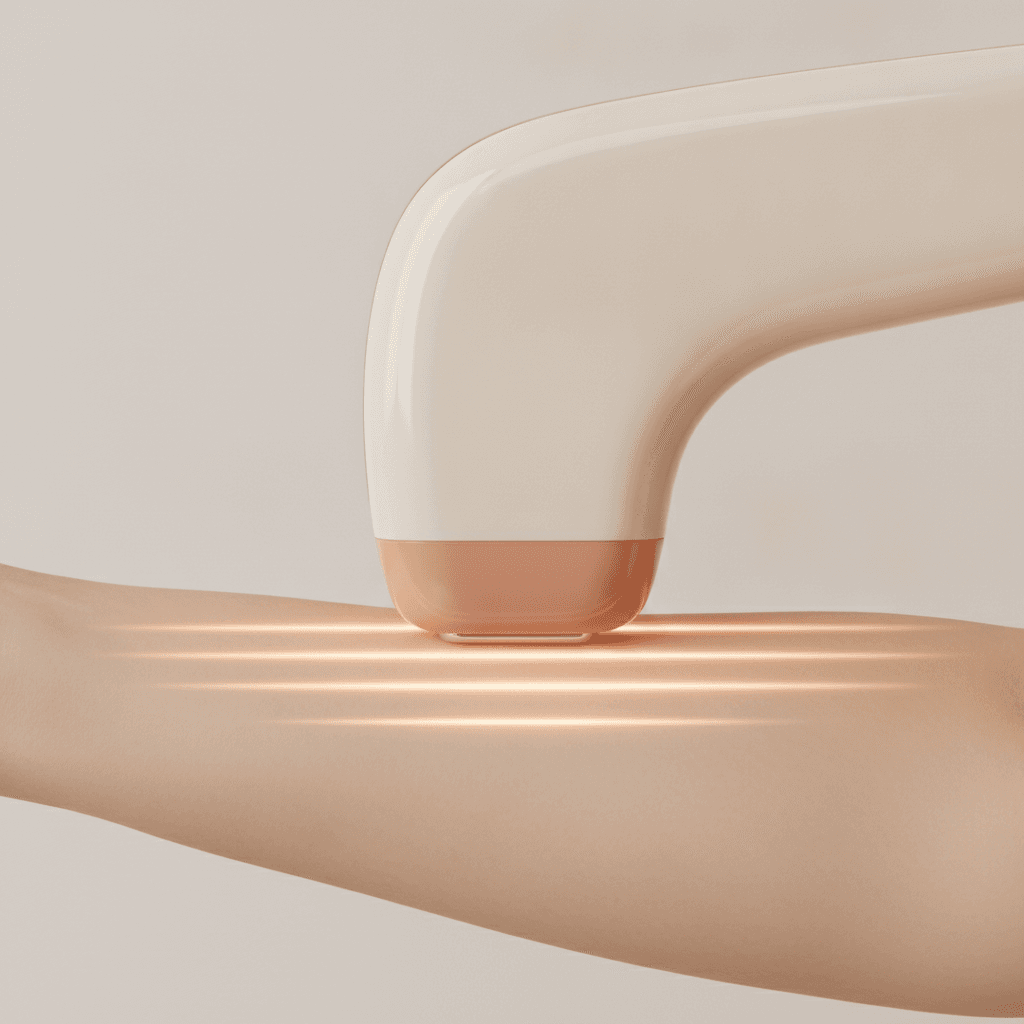
A non-invasive lift delivering ultrasound energy optimized for the 1.5 mm depth where wrinkles form. A powerful cooling system that senses skin temperature in real time minimizes discomfort while effectively smoothing wrinkles, even on delicate areas like the face and neck.
Visit REDI Dermatology
4F & 5F, DM Tower Bldg. 2, 105 Bangbae-ro, Seocho-gu, Seoul, Korea
길찾기 (Get directions)Medically reviewed by Dr. Min Jeong, board-certified dermatologist · Last updated September 10, 2026
This article is general information, not medical advice. Results vary by individual. These are elective, non-insured aesthetic treatments. Please consult a board-certified doctor about your own case.