
Onda vs Ultherapy: Which Lift Actually Fits Your Face? — Dr. Min Jeong

Why "Onda vs Ultherapy" is the wrong question to start with
Hello, I'm Dr. Min Jeong, and I lead REDI Dermatology in Seoul. If you're weighing Onda vs Ultherapy, you've probably already read a dozen pages telling you one is "better." I'd gently ask you to ignore that framing, and please read to the end — because in my clinic, the honest answer almost always depends on what your face is actually made of, not on which device has the louder reputation.
Here's the philosophy I've built over years of treating tens of thousands of lifting cases: modern dermatology devices are, on the whole, very good. The real difference isn't the machine — it's whether that machine was matched to your skin and used correctly. The same tool in two different hands, on two different faces, gives two completely different results. So the useful comparison isn't "Onda or Ultherapy?" It's "does my face need fat reduction, structural lift, or both?"
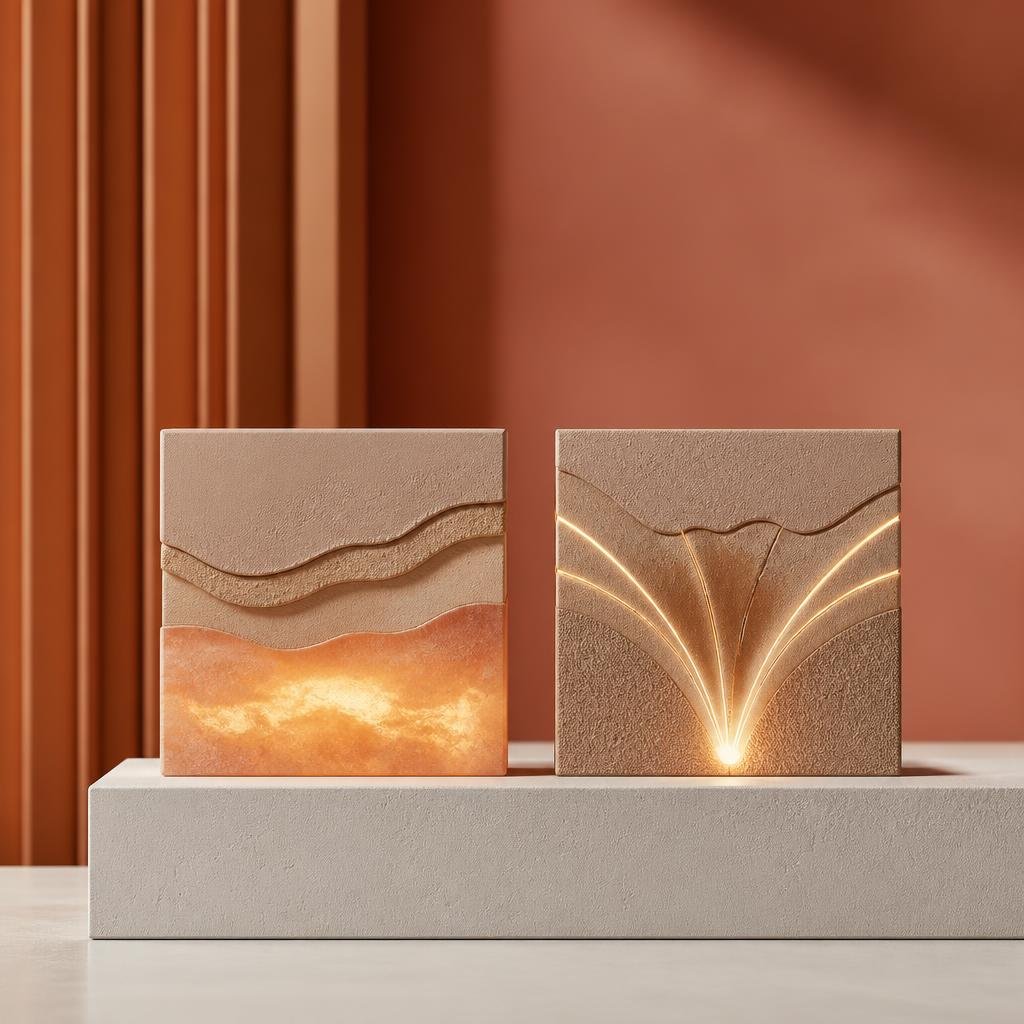
How Ultherapy works: lifting from the deep structural layer
Ultherapy Prime is a globally validated non-surgical lift that delivers focused ultrasound energy precisely to the deep SMAS layer — the same layer a surgeon addresses in a facelift. By heating and contracting that structural tissue, it lifts a sagging contour without any incision. Because it works by stimulating new collagen, the change isn't instant: you may feel a mild tightening right away, but the real lift settles in gradually over about two to three months.
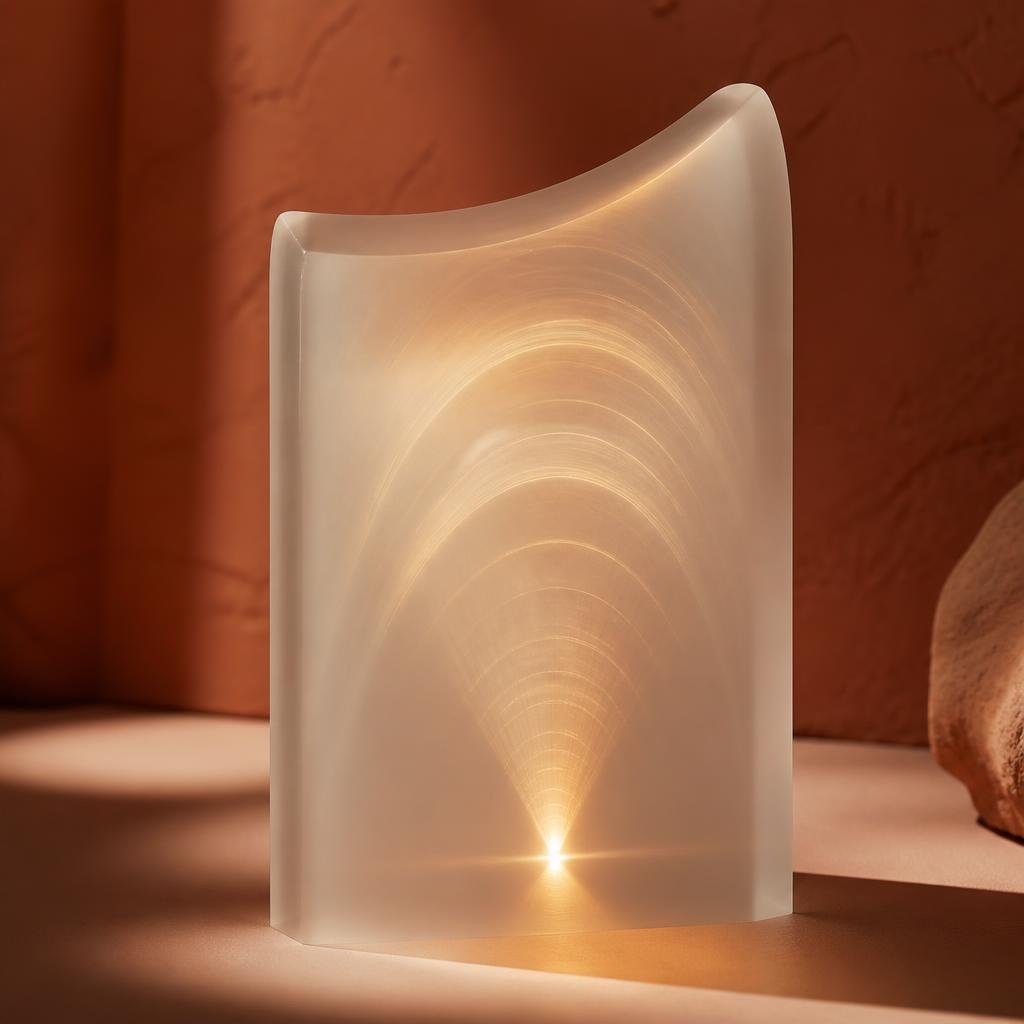
At REDI, I don't simply "max out the shots." I diagnose your skin thickness and degree of laxity first, then design the depth and number of passes accordingly — because a lift that is safe and genuinely noticeable matters far more than raw intensity. Ultherapy tends to suit a softening jawline, neck, or eye area where the tissue has descended but there isn't much excess fat. If you'd like the fuller picture on this device specifically, I've written a dedicated honest guide to who Ultherapy is actually for.
How Onda works: selective deep heat for fat and contour
Onda is a different animal entirely. It uses patented microwave technology (Coolwaves) to deliver heat energy in a way ultrasound and radiofrequency can't — reaching and selectively heating deeper fat as well as the dermis. That means Onda can address both sagging and localized volume together, which is exactly why it's such a useful tool for concerns like fullness under the chin or heavy cheeks.
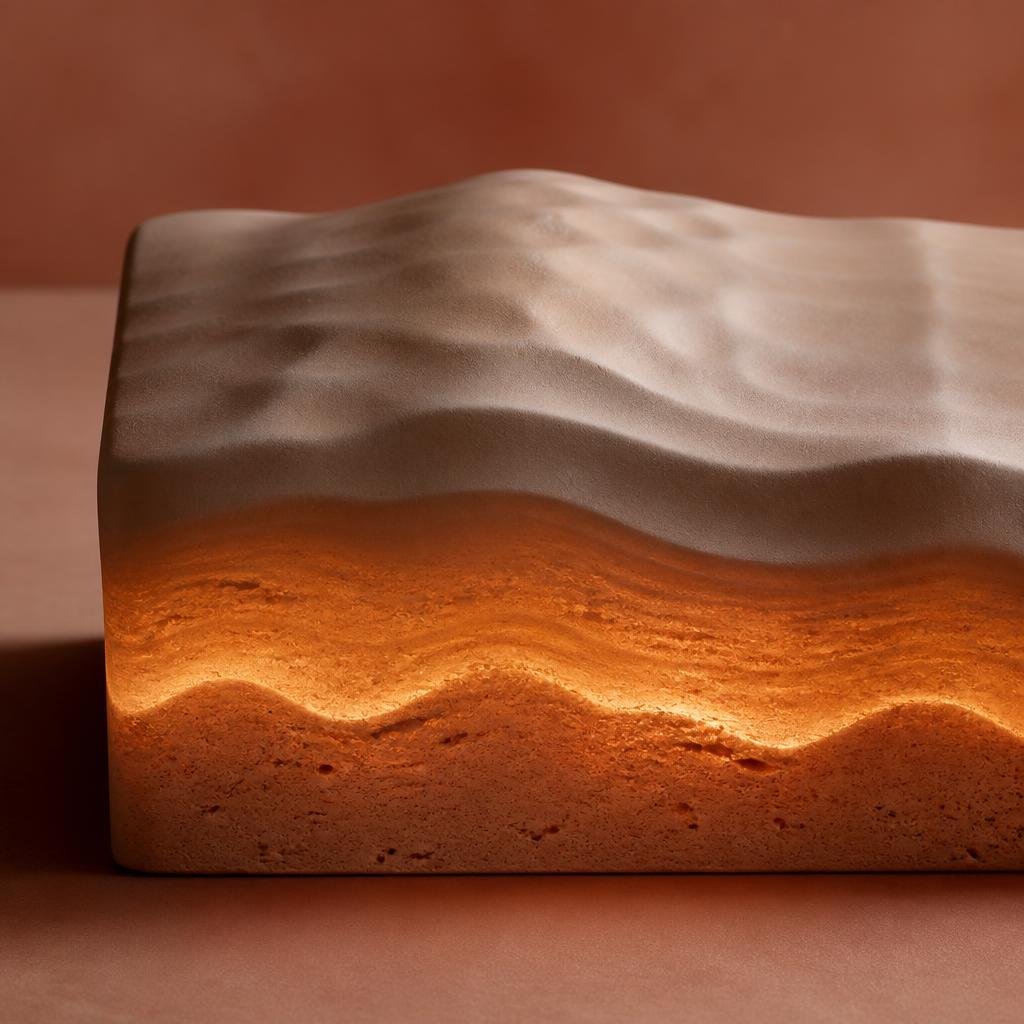
Practically, Onda tends to be comfortable — low pain, and little to no downtime — so it fits people who can't afford to look flushed or swollen the next day. It can also be applied by area and goal, on the face or the body. The key thing to understand is its target: Onda works on fat volume and contour, not on structural SMAS lifting. That distinction is the whole comparison in one sentence.
The mistake I see most: right device, wrong face
Let me share the pattern that walks into my consultation room over and over. Someone gets a lifting treatment their friend loved, and instead of looking sharper, their cheeks look hollowed and, frankly, older. The device wasn't defective. It just didn't match their face.
If someone with little facial fat receives a treatment designed to reduce fat, they can end up looking gaunt. If someone whose main issue is genuine fullness receives a purely tightening treatment, they feel like "nothing happened," because the fat that bothered them is still there. This is why I always ask patients to look in the mirror before booking anything and honestly identify their real problem: is it fat, or is it laxity?
- Mostly fat / fullness (a soft double chin, heavy lower cheeks) → Onda's selective deep heat is often the better starting point.
- Mostly laxity (a jawline or neck that has descended, thin skin that's lost firmness) → a SMAS-focused ultrasound lift like Ultherapy usually does more.
- Both at once → a thoughtful combination, which is genuinely the most common situation I see.
Why I often combine them rather than choose one
In real faces, fat and laxity rarely arrive separately. So I don't feel obligated to pick a single device. A very common plan in my practice is to use Onda to address fat-related fullness — say, under the chin — and a SMAS-focused lift to raise the jawline and cheek structure. Together they do something neither can do alone.
One honest, practical fact I always share: neither of these is a one-and-done magic eraser. A single session lets you experience the sensation and see an initial response, but microwave-type treatments generally reward a series done consistently. If your goal is genuinely to feel a strong lift from a single visit, a structural ultrasound or radiofrequency lift may be the more sensible route — and we'll talk that through openly. If a receding, sagging jawline is your main concern, my non-surgical double chin guide goes deeper into how these tools fit together. Results vary by individual, always.
What to expect: downtime, timeline, and planning your trip
For international patients, timing is everything, so here's a realistic view.
Onda: Duration is roughly 30 minutes. Downtime is little to none — mild warmth or slight redness that typically settles quickly. For most people this is a comfortable "fly-in, treat, carry on" option.
Ultherapy Prime: The session runs about 45–60 minutes. Downtime is minimal, usually 1–2 days, with the possibility of brief tenderness. You may feel immediate mild tightening, but plan your expectations around Week 8 to Week 12, when the collagen-driven lift becomes visible. Results typically last about one to one and a half years and vary by individual.
A rough travel calendar for a combination plan:
- Day 0: Consultation and treatment. Possible mild redness or warmth.
- Day 1–2: Any redness usually settles; back to normal activity.
- Day 3 onward: Comfortable to fly home.
- Week 8–12: The Ultherapy lift matures.
If you're mapping out a trip, our guide on how many days in Korea for skin treatment may help you plan around this. And because both are elective, non-insured aesthetic treatments, we discuss pricing transparently at your consultation rather than quoting numbers that don't yet account for your face.
For international patients specifically: we have English- and Chinese-speaking interpreters on site, I personally handle your consultation through to the procedure, and we offer online aftercare once you've flown home. You won't be left to figure out recovery alone.
Takeaways
- Onda vs Ultherapy isn't about which is "better" — it's about what your face needs. Onda targets fat and contour; Ultherapy targets structural SMAS lift.
- Onda uses microwave (Coolwaves) energy for fat-related fullness like a soft double chin, with little to no downtime.
- Ultherapy Prime uses focused ultrasound to lift sagging tissue from the deep SMAS layer; the lift develops over about 2–3 months and lasts roughly 1–1.5 years.
- The most common real-world answer is a combination — Onda for fat, a SMAS lift for laxity — designed after an in-person diagnosis.
- Neither is a one-session miracle, and results vary by individual. Diagnosis first, device second.
- International patients get on-site interpreters, doctor-led care start to finish, and remote aftercare after returning home.
Frequently asked
What is the main difference between Onda and Ultherapy?
Onda uses patented microwave (Coolwaves) energy to selectively heat deeper fat and refine contour, while Ultherapy Prime delivers focused ultrasound to the deep SMAS layer to lift sagging tissue. They target different things — fat volume versus structural lift — which is why the right choice depends on your face.
Which is better for a double chin?
When the concern is genuine fullness or fat under the chin, Onda's selective deep heating is often the better fit. When the jawline is sagging more than it is full, Ultherapy's SMAS lift tends to help more. Many faces have both, so we assess this in person.
Is Onda or Ultherapy more painful?
Onda tends to have low pain and little to no downtime. Ultherapy can involve brief sensation as the SMAS layer is stimulated; we manage it with numbing cream and cooling. Both are comfortable to return to daily life quickly, and experiences vary by individual.
Can Onda and Ultherapy be combined?
Yes. In the clinic I often treat fat-related fullness with Onda and structural sagging with a SMAS-focused lift in the same plan, because many faces have both concerns at once. We design this after diagnosis.
When will I see results from Ultherapy?
You may feel mild tightening right away, but the lifting develops gradually over roughly two to three months as new collagen forms. Results typically last about one to one and a half years and vary by individual.
Keep reading
More on this from Dr. Min Jeong.




Dr. Min Jeong
Founding director, REDI Dermatology · Seoul
“A treatment isn’t shopping. I’d rather diagnose first and recommend only what your skin genuinely needs — the same way I’d advise my own family.”
Board-certified dermatologist — trained at Kangbuk Samsung Hospital, and former Chief of Dermatology at the ROK Ministry of National Defense.
Recognized by VAIM as Korea's highest-volume Juvelook injector, with 15,000+ vials of hands-on experience; KOL for MIRAJET, Potenza and Oligio.
A regular speaker on clinical dermatology at Korean medical symposiums, including Juvelook clinical-experience panels.
Why international patients choose REDI
Interpreters in the room
English and Chinese, on site for your consultation and treatment.
Board-certified doctors only
Every procedure by a dermatology specialist — never unsupervised staff.
15,000+ Juvelook vials
Hands-on volume most clinics have not reached.
Airport pickup arranged
So your first day in Seoul isn't spent lost with luggage.
Aftercare once you're home
Online follow-up, so a question next week still reaches your doctor.
Explore the treatment
Onda
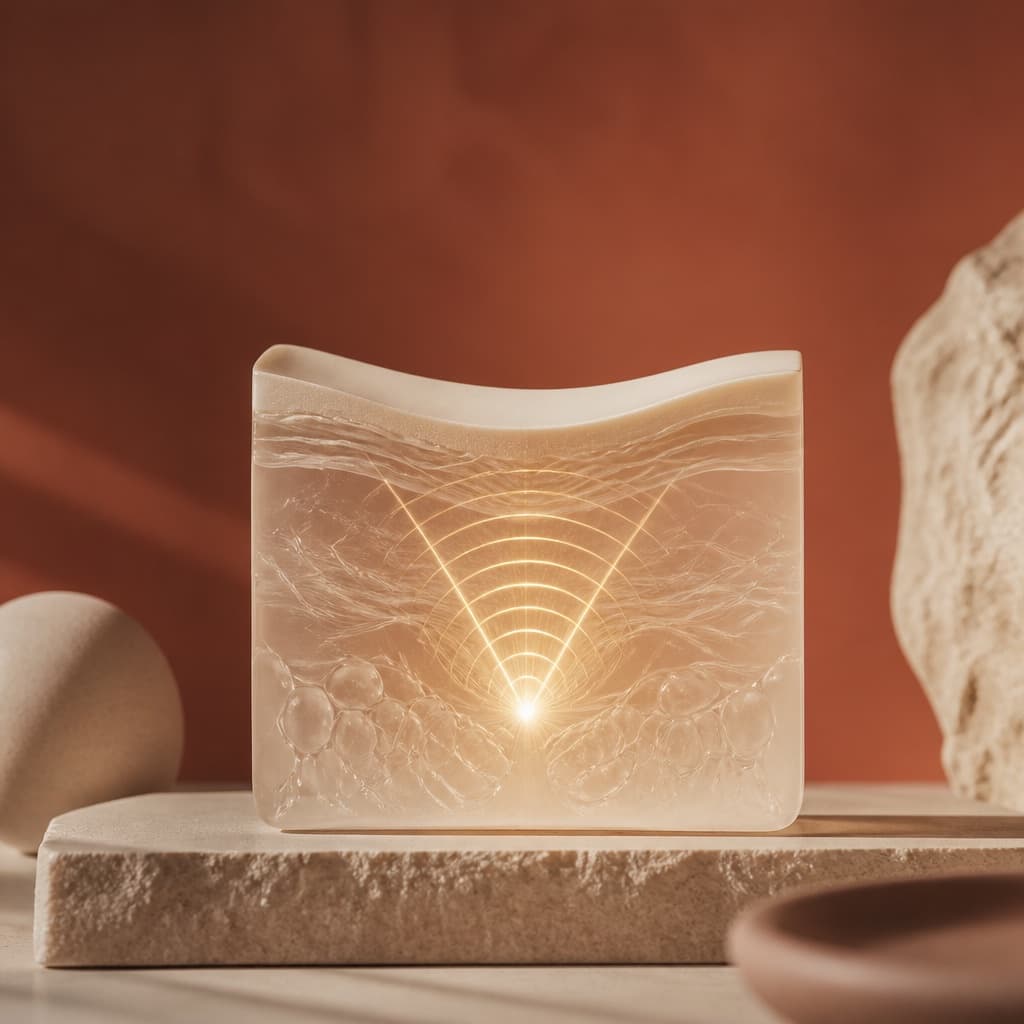
Using patented microwave technology, Onda delivers heat energy in a way never possible before — for dramatic firming and lifting without pain or downtime.
Ultherapy Prime
Ultherapy Prime is a globally validated non-surgical facelift. It delivers focused ultrasound energy precisely to the deep SMAS layer — the same layer addressed in surgical lifts — to contract the tissue that drives sagging and lift the contour without any incision. It can help with a softening jawline, neck, and eye area, and because it works by stimulating new collagen, results settle in gradually. At REDI, we diagnose your skin thickness and degree of laxity first, then design the depth and number of shots accordingly — prioritizing a lift that is both safe and genuinely noticeable over raw intensity.
Visit REDI Dermatology
4F & 5F, DM Tower Bldg. 2, 105 Bangbae-ro, Seocho-gu, Seoul, Korea
길찾기 (Get directions)Medically reviewed by Dr. Min Jeong, board-certified dermatologist · Last updated September 13, 2026
This article is general information, not medical advice. Results vary by individual. These are elective, non-insured aesthetic treatments. Please consult a board-certified doctor about your own case.