
How Many Days in Korea for Skin Treatment? A Dermatologist's Real Trip-Planning Guide

Why this is the first question I answer for international patients
Hello, I'm Dr. Min Jeong, founding director of REDI Dermatology in Seoul. Before anyone asks me about a specific treatment, most people flying in ask something more practical: how many days in Korea for skin treatment do I actually need? It's the right question — and I'd love for you to read to the end, because the honest answer depends less on the treatment name and more on how we sequence your consultation, procedure, and recovery around your flight home.
Here's the short version: for the non-surgical work we do at REDI — skin boosters, pigment lasers, energy-based lifting — most patients are very comfortable with 3 to 5 days. Some low-downtime treatments fit into a much shorter window. The key is planning the calendar backward from your flight, not forward from your arrival.
The single most important idea: plan around your flight, not your arrival
When you land, jet-lagged and excited, the instinct is to book treatment for Day 1. I usually gently slow that down. I like to keep at least one calm day between your treatment and your flight home, so I can confirm that any redness, swelling, or small bumps are settling the way I expect. This is elective, non-insured aesthetic treatment, so there's no rush that should override doing it well.
A simple frame I share with patients:
- Day 0 — arrival, settle in, rest.
- Day 1 — in-person consultation and diagnosis (we can pre-consult online before you fly, so this is fast).
- Day 1 or 2 — treatment.
- Day 2–4 — buffer day(s) for any mild redness or swelling to ease.
- Fly home with your skin calm.
That's the 3–5 day rhythm most treatments fit into.
Downtime by treatment type — a day-by-day view
Downtime is really what decides your trip length. Here's how the main categories behave, using REDI's own treatment data.
Little to no downtime (a very short trip works)
Some treatments let you return to daily life almost immediately. Laser Toning and pico toning for pigment, along with lifting devices like Tune Face, Emface, and Sofwave, are described as having little to no downtime. If your window is tight, these are the ones I lean toward — though pigment work in particular usually needs a series, which I'll come back to below.
Minimal / 1–2 days (the sweet spot for a 3–5 day trip)
Most of our injectable and energy treatments sit here. Juvelook and Rejuran Healer have minimal downtime — usually about 24 hours, with mild redness, swelling, or small temporary bumps typically settling within 24–48 hours. Ultherapy Prime and Radiesse also fall in this range. This is exactly why a few buffer days matter: the visible part passes quickly, but I'd rather you not fly on the day the swelling is at its peak.
1–3 days (plan a little more room)
Microneedling radiofrequency treatments — Potenza, Double Tite, and similar — and some fractional lasers may cause redness or swelling for 1–3 days. For these I'd steer you toward the longer end, around 4–5 days total, so you leave with your skin looking composed.
3–5 days (build your trip around recovery)
A few focal scar treatments, like CROSS and Subcision, can involve crusting or redness for 3–5 days. These are less about a quick glow-up trip and more about a dedicated visit. If acne scars are your main concern, my honest guide to acne scar treatment walks through what that journey realistically looks like.
The catch nobody tells you: some results need more than one visit
This is the honest part. A single trip rarely completes everything, and I'd rather you know that before you book flights than feel disappointed after.
Collagen-based boosters are the clearest example. Most people need about 3 Juvelook sessions spaced roughly 4–6 weeks apart, with a maintenance touch-up later. Pigment toning is also designed to work gradually across several sessions rather than in one dramatic pass. So for these, I plan a realistic version with you: sometimes one strong in-person session on this trip, then a continued plan; sometimes a couple of return visits if you travel often. If you're weighing your options, my comparison of Rejuran and Juvelook may help you decide what to prioritise on a first trip.
Energy-based lifting like Ultherapy Prime is friendlier to a single visit — one session can show effect, with the lift developing gradually over about 2–3 months as collagen forms. Results vary by individual, and we confirm what's achievable in one trip at your consultation.
How we make a short trip actually work for you
The way to fit real treatment into a few days is to do the thinking before you land. At REDI, I run a free online video consultation first — just message us and mention you found us through the blog. We review your concerns, your travel dates, and your skin history, so your in-person day is spent on diagnosis and treatment, not starting from zero.
We also keep English- and Chinese-speaking interpreters on site, and I personally handle you from consultation through the procedure — so arriving alone is not something to worry about. We can arrange airport pickup, and after you fly home, we continue with online aftercare: if anything looks unexpected, you reach us directly. That remote follow-up is a big part of why a short in-person window is enough.
On cost: we don't publish fixed price tables, because the right plan depends on your diagnosis. Pricing is discussed transparently at your consultation, and we can give you a clear sense in your language before you commit to dates.
Takeaways
- For most non-surgical skin treatments at REDI, 3 to 5 days in Korea is comfortable and unhurried.
- Plan your calendar backward from your flight: consultation and treatment early, then a buffer day or two before you leave.
- Little-to-no-downtime treatments (toning, Tune Face, Emface, Sofwave) suit very short trips; 1–2 day downtime treatments (Juvelook, Rejuran, Ultherapy Prime) fit the 3–5 day window; microneedling RF and focal scar work need a bit more room.
- Some results — collagen boosters, pigment toning — need a series, so we design a realistic plan across one or more visits.
- Message us on WhatsApp before you travel for a free online consultation, so we can reserve dates, arrange pickup and an interpreter, and use your in-person time well. Results vary by individual.
Frequently asked
How many days should I stay in Korea for skin treatment?
For most non-surgical treatments — skin boosters, toning, energy-based lifting — 3 to 5 days is comfortable. That lets you have a consultation on Day 1, treatment on Day 1 or 2, and a calm buffer before flying. Injectable or microneedling treatments with mild swelling settle within 1–3 days, so a shorter trip works too if you plan the timing well.
Can I fly home the same day as my treatment?
For low-downtime treatments like laser toning or a gentle skin booster, many patients fly within a day or two. I usually prefer at least one full day between treatment and your flight so I can check that any redness or swelling is settling as expected. Results vary by individual, so we confirm your timeline at consultation.
Do I need multiple visits to Korea for a full result?
Often no single trip completes everything. Collagen-based boosters like Juvelook typically need about 3 sessions spaced 4–6 weeks apart, which most international patients handle with one in-person session plus a plan they continue at home, or repeat visits. We design a realistic version around your travel.
Which treatments have the least downtime for a short trip?
Laser toning, Tune Face, Emface, Sofwave, and MIRAJET tend to have little to no downtime. These are good choices when your window is tight. We match the treatment to both your skin and your calendar.
How far in advance should I book?
I recommend messaging us on WhatsApp before you travel so we can do a free online video consultation, reserve your dates, and arrange airport pickup and an interpreter. That way your in-person time is used for treatment, not paperwork.
Keep reading
More on this from Dr. Min Jeong.




Dr. Min Jeong
Founding director, REDI Dermatology · Seoul
“A treatment isn't shopping. I'd rather diagnose first and recommend only what your skin genuinely needs — the same way I'd advise my own family.”
Board-certified dermatologist — trained at Kangbuk Samsung Hospital, and former Chief of Dermatology at the ROK Ministry of National Defense.
Juvelook Key Opinion Leader — 15,000+ vials administered, Korea's highest-volume clinic (Apr 2025). Key Opinion Leader titles are granted by device companies and carry no legal standing.
A regular speaker on clinical dermatology at Korean medical symposiums, including Juvelook clinical-experience panels.
Why international patients choose REDI
Interpreters in the room
English and Chinese, on site for your consultation and treatment.
Board-certified doctors only
Every procedure by a dermatology specialist — never unsupervised staff.
15,000+ Juvelook vials — No.1 in Korea
Hands-on volume most clinics have not reached.
Airport pickup arranged
So your first day in Seoul isn't spent lost with luggage.
Aftercare once you're home
Online follow-up, so a question next week still reaches your doctor.
Explore the treatment
Juvelook Skin Booster
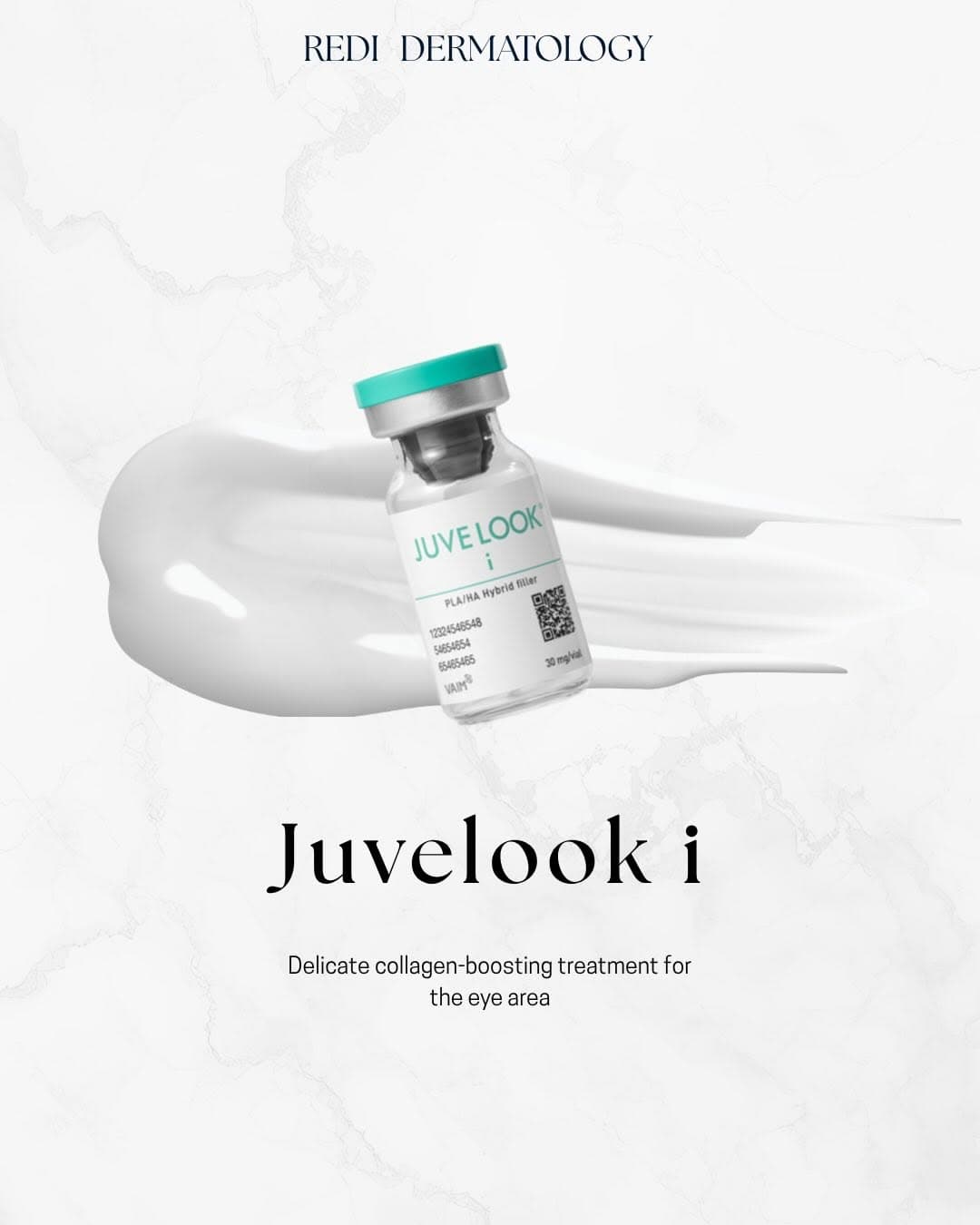
Juvelook is a PDLLA (poly-D,L-lactide) collagen booster that stimulates your skin's own collagen production to improve pores, firmness, fine lines, scars, and overall tone. Unlike a filler that simply adds volume, it helps the skin rebuild itself, so results develop naturally over time. At REDI, the blend and hydration protocol was refined by our Juvelook key doctor, and we match the delivery method — Dermashine Pro, Potenza, MIRAJET, Double Tite, and more — to your specific skin condition. With 15,000+ vials of hands-on experience, we know that the same product can deliver very different results depending on technique.
Ultherapy Prime
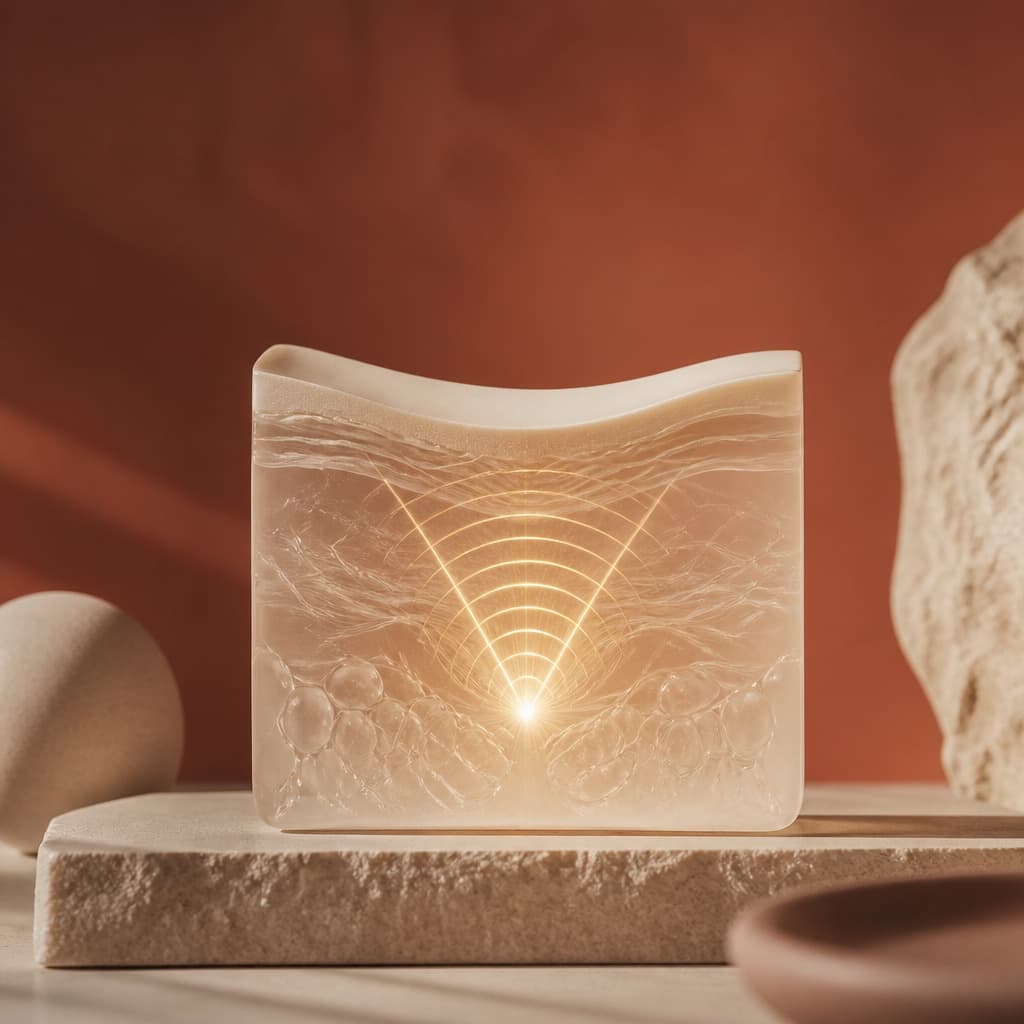
Ultherapy Prime is a globally validated non-surgical facelift. It delivers focused ultrasound energy precisely to the deep SMAS layer — the same layer addressed in surgical lifts — to contract the tissue that drives sagging and lift the contour without any incision. It can help with a softening jawline, neck, and eye area, and because it works by stimulating new collagen, results settle in gradually. At REDI, we diagnose your skin thickness and degree of laxity first, then design the depth and number of shots accordingly — prioritizing a lift that is both safe and genuinely noticeable over raw intensity.
Visit REDI Dermatology
4F & 5F, DM Tower Bldg. 2, 105 Bangbae-ro, Seocho-gu, Seoul, Korea
길찾기 (Get directions)Medically reviewed by Dr. Min Jeong · Last updated
This article is general information, not medical advice. Results vary by individual. These are elective, non-insured aesthetic treatments. Please consult a board-certified doctor about your own case.
Ask what your skin actually needs
Free online consultation