
REDI Dermatology in Seoul: What a Visit Actually Looks Like for an International Patient

Hello — I'm Dr. Min Jeong, founding director of REDI Dermatology in Seoul.
Most people who search for REDI Dermatology aren't browsing. They're trying to settle something practical: where exactly we are, whether anyone will speak their language, what we actually treat, and whether a clinic visit fits inside a short trip to Korea. Directory listings give you a "book" button and not much else. This guide answers the rest, in the order the questions usually arrive.
What REDI Dermatology is — and what we don't do
We are a non-surgical dermatology clinic. Our name stands for Reduce Distance, and that is mostly about the distance between what you want your skin to do and what it currently does — though for our overseas patients it turns out to be literal too.
We treat skin: acne, pigmentation, redness, pores, scars, texture and laxity. We do not perform plastic surgery. No nose, no eyelids, no jaw contouring. If that is what you came to Korea for, a surgical clinic is the right place and I will tell you so.
We are also an individual clinic rather than a high-volume chain. That shapes the consultation more than anything else on this page: we recommend only the treatment you actually need, not the longest package.
Where REDI Dermatology is in Seoul — and is it Gangnam?
Our address is 4F–5F, DM Tower Building 2, 105 Bangbae-ro, Seocho-gu, Seoul. In Korean, the clinic name is 레디피부과 — worth screenshotting for a taxi driver, along with the address.
Strictly speaking we're in Seocho-gu, not Gangnam-gu. In practice the two districts sit side by side south of the Han River, and most visitors who describe a "REDI Gangnam" appointment are thinking of exactly this area. If your hotel is near Gangnam Station, you are a short ride away.
Our hours: Monday, Wednesday and Friday 10:00–20:00; Tuesday and Thursday 10:00–19:00; Saturday 10:00–15:00; closed Sunday. Lunch is 13:00–14:00 on weekdays. The Saturday slot fills earliest, so plan around it if you're here on a weekend trip.
Who treats you, and what "English-speaking" really means here
Four doctors practise at the clinic, all board-certified dermatologists — among the top 2% of Korean physicians. You will be diagnosed and treated by your key doctor: the same specialist reads your skin in person, explains the options, and performs the treatment. Nothing is handed to unsupervised staff.
On language: Chinese- and English-speaking interpreters are on site for both consultation and treatment. Interpreters in the room, not just on chat. That matters more during the procedure than before it — that's when you want to say "this feels sharper than the last pass" and be understood immediately. If you want a wider view of what to look for anywhere in Seoul, I wrote a longer piece on choosing a skin clinic in Seoul.
One credential you'll see on our site: REDI is a Juvelook Key Opinion Leader — 15,000+ vials administered, Korea's highest-volume Juvelook clinic (Apr 2025). To be honest about what that title is: Key Opinion Leader designations are granted by medical-device companies to physicians with extensive experience using a device or who have lectured on it, and they carry no legal standing. What the number tells you is technique volume, not a promise of your result.
What treatments REDI Dermatology offers
Our menu is non-surgical dermatology across lifting, volume and skin boosters, pores and scars, pigment, acne and redness. Three that international patients ask about most:
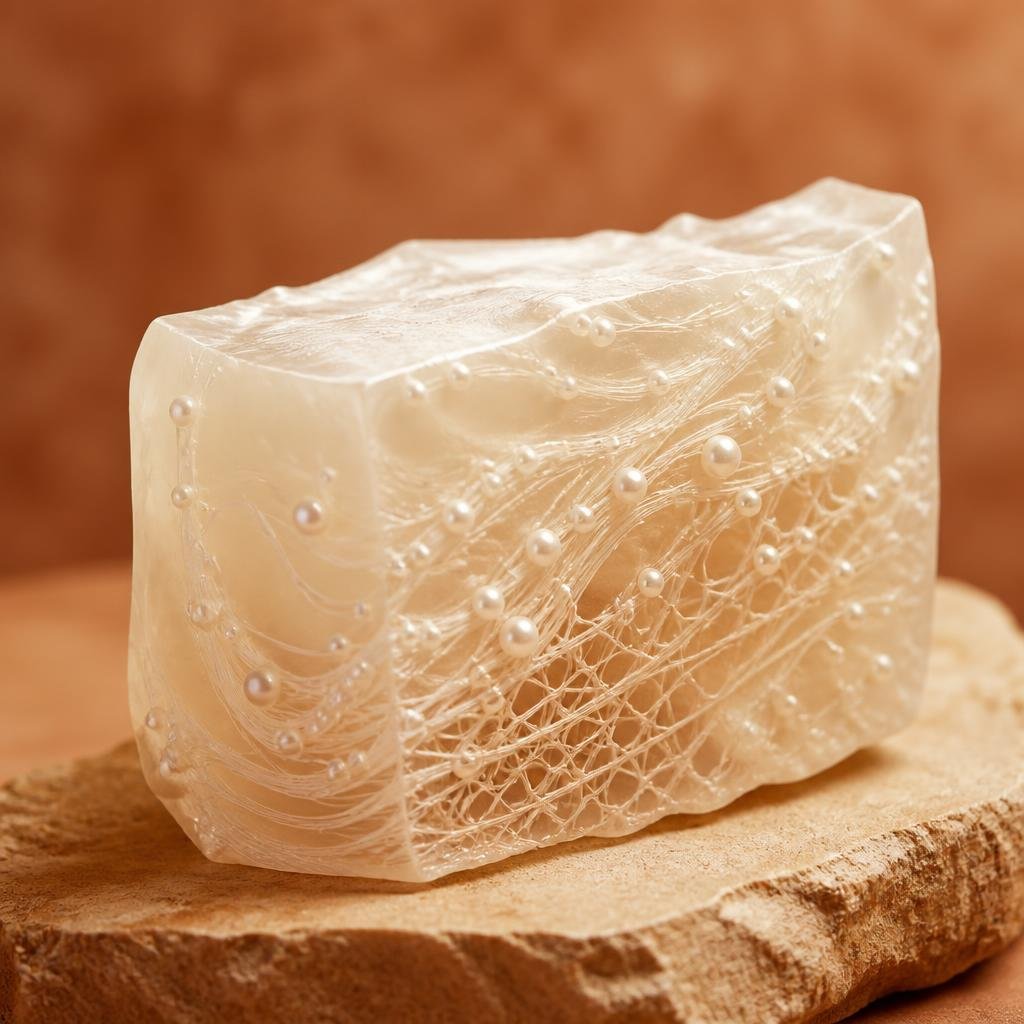
Juvelook Skin Booster — a PDLLA collagen booster that stimulates your own collagen rather than simply adding volume, aimed at pores, fine lines, firmness and tone. About 30 minutes, minimal downtime of roughly 1–2 days. Most people need around 3 sessions spaced 4–6 weeks apart. Results vary by individual.
Rejuran Healer & Rejuran HB Plus — a tissue-regenerating substance derived from salmon, used to support texture, hydration and resilience. About 20 minutes, minimal downtime of 1–2 days. HB Plus contains lidocaine if you're sensitive to pain. Results vary by individual. If you're weighing the two, Rejuran vs Juvelook goes deeper.
Ultherapy Prime — focused ultrasound to the deep SMAS layer for a softening jawline, neck or eye area. About 45–60 minutes, minimal downtime. Lifting develops gradually over roughly 2–3 months as collagen regenerates, and typically lasts about 1–1.5 years. Results vary by individual.
Planning your treatment around your flight home
This is the question no directory page answers, and it's the one I ask first when someone tells me their return date.
Day 0 is treatment day. After injectable work you can expect small injection points, some redness and possible pinpoint bruising. Day 1–2 is when swelling looks its worst in the mirror and best in photographs taken later — it settles. By Day 3 most patients look ordinary in daylight.
My own scheduling preference for visitors: leave at least two full days between any injectable session and a long-haul flight. Not because flying is dangerous, but because a bruise you can still cover with concealer on Day 2 is far easier to manage at home than one that surprises you at an airport. Energy-based lifting is generally the more flight-friendly of the two categories, since there's nothing to bruise. I've set out the full timeline in flying after skin treatment.
Fitting more than one treatment into a short trip
A 3–5 day trip is enough for a meaningful start, not for a full course. That distinction saves a lot of disappointment.
A collagen booster course runs across months, not days — sessions sit 4–6 weeks apart for a reason, and compressing them doesn't speed up collagen. So on a single trip you're realistically doing one booster session, possibly alongside one lifting treatment on a separate day. I prefer lifting first, boosters second, with a day in between, so I can see how your skin reacts before adding anything else.
If your trip is still flexible, how many days in Korea for skin treatment maps out the common itineraries.
Booking at REDI Dermatology as a visitor
Bring your passport, or your Alien Registration Card if you live in Korea. You do not need a Korean phone number — appointments are arranged through our messenger channels before you arrive, and that's also where we confirm accepted payment methods for your date, so nothing is a surprise at the counter.
Aesthetic dermatology is elective, non-insured care. Neither Korean national health insurance nor your travel insurance applies to it. Book ahead where you can: evening and Saturday slots go first, and a consultation before you fly means we can hold the right length of appointment rather than squeezing you into a short one.
After you fly home
Your care doesn't end at the airport. We follow up online after you return, which is the part of REDI Dermatology that surprises people most — we would rather see a photo of something on Day 4 than hear about it a month later.
What's expected: mild swelling, tenderness, small bruises, a little redness for a day or two. What warrants prompt attention wherever you are: pain that increases rather than fades after Day 3, redness that spreads and feels hot, or fever. Message us, and see a local doctor in parallel.
One practical tip. Korean-developed injectables aren't always familiar by name to physicians abroad. Keep a written note of exactly what was used and when, so a doctor at home has something concrete to work with.
How we talk about cost
We don't publish a price list, and I won't quote a figure in an article. Your plan and final price are confirmed in a one-to-one consultation, after I've actually looked at your skin. We explain the cost clearly before anything is done, and there are no hidden fees.
That isn't evasiveness. Two people asking for "the pore treatment" often need different session counts, and quoting one number to both of them would be the actual misinformation.
Takeaways
- REDI Dermatology is a non-surgical dermatology clinic on Bangbae-ro in Seocho-gu, Seoul — next door to Gangnam-gu, closed Sundays, with a short Saturday clinic.
- Four board-certified dermatologists practise here, and Chinese- and English-speaking interpreters are on site for consultation and treatment.
- Core treatments for visitors: Juvelook, Rejuran Healer, and Ultherapy Prime — each with minimal downtime of about 1–2 days. Results vary by individual.
- Leave two full days between injectable treatment and a long flight; plan one booster session per trip, not a whole course.
- No Korean phone number or insurance is needed. Bring your passport, book ahead, and we'll confirm cost transparently at your consultation.
Frequently asked
Where is REDI Dermatology located in Seoul?
We are on the 4th and 5th floors of DM Tower Building 2, 105 Bangbae-ro, Seocho-gu, Seoul — in Seocho District, directly next to Gangnam-gu.
Do the doctors at REDI Dermatology speak English?
Chinese- and English-speaking interpreters are on site for both your consultation and your treatment, so you can follow every option and decide with full understanding rather than guessing.
Do I need a Korean phone number or insurance to visit a dermatology clinic in Seoul?
Aesthetic dermatology is elective, non-insured care, so no Korean or travel insurance applies. Appointments are arranged through our messenger channels, so a Korean phone number is not required. Bring your passport, or your ARC if you live in Korea.
What is Juvelook and how is it different from Rejuran?
Juvelook is a PDLLA collagen booster that stimulates your own collagen for pores, fine lines, texture and firmness. Rejuran uses a tissue-regenerating substance derived from salmon to support the skin's recovery environment. Results vary by individual.
What treatments does REDI Dermatology offer?
Non-surgical dermatology only: lifting, volume and skin boosters, pore and scar work, pigment, acne and redness. We do not perform plastic surgery.
Keep reading
More on this from Dr. Min Jeong.


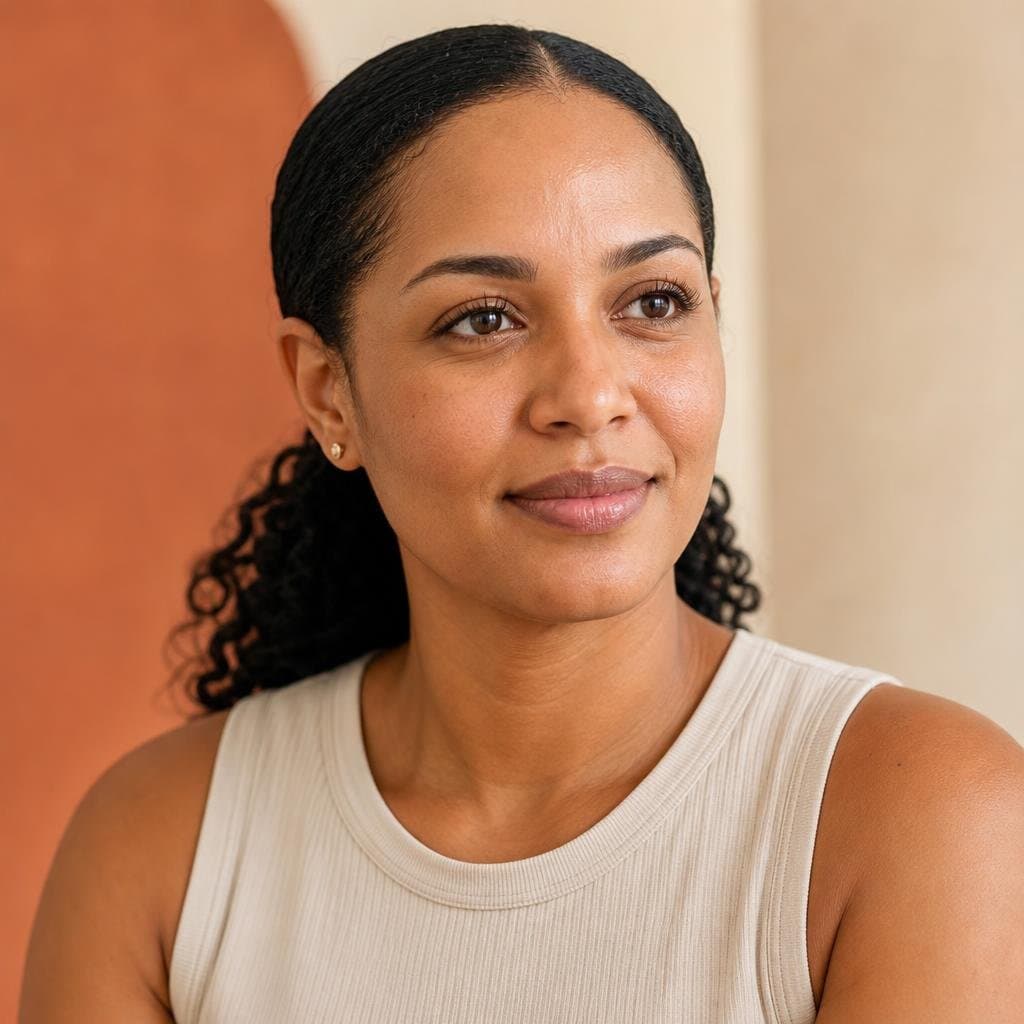
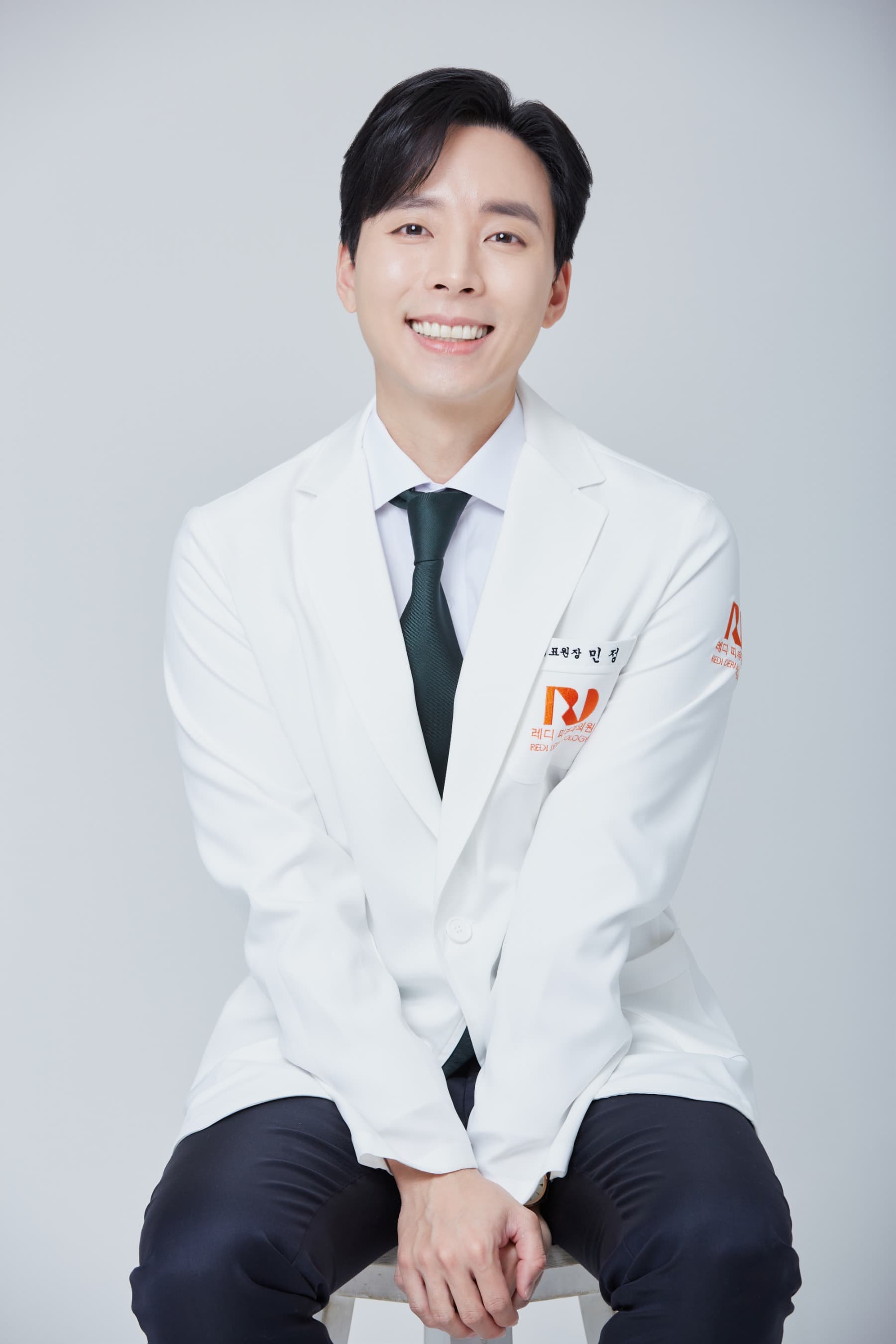
Dr. Min Jeong
Founding director, REDI Dermatology · Seoul
“A treatment isn't shopping. I'd rather diagnose first and recommend only what your skin genuinely needs — the same way I'd advise my own family.”
Board-certified dermatologist — trained at Kangbuk Samsung Hospital, and former Chief of Dermatology at the ROK Ministry of National Defense.
Juvelook Key Opinion Leader — 15,000+ vials administered, Korea's highest-volume clinic (Apr 2025). Key Opinion Leader titles are granted by device companies and carry no legal standing.
A regular speaker on clinical dermatology at Korean medical symposiums, including Juvelook clinical-experience panels.
Why international patients choose REDI
Interpreters in the room
English and Chinese, on site for your consultation and treatment.
Board-certified doctors only
Every procedure by a dermatology specialist — never unsupervised staff.
15,000+ Juvelook vials — No.1 in Korea
Hands-on volume most clinics have not reached.
Airport pickup arranged
So your first day in Seoul isn't spent lost with luggage.
Aftercare once you're home
Online follow-up, so a question next week still reaches your doctor.
Explore the treatment
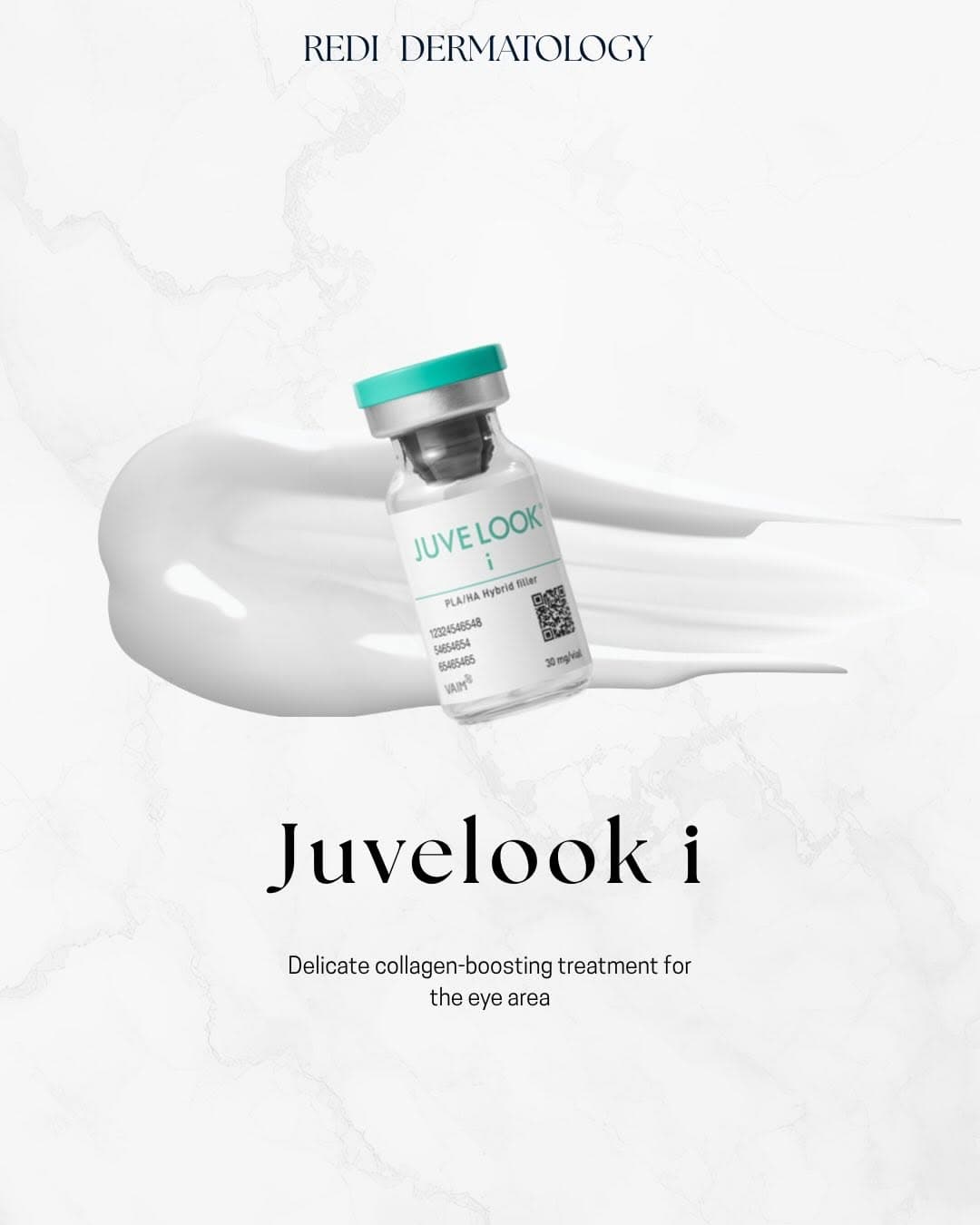
Juvelook Skin Booster
Juvelook is a PDLLA (poly-D,L-lactide) collagen booster that stimulates your skin's own collagen production to improve pores, firmness, fine lines, scars, and overall tone. Unlike a filler that simply adds volume, it helps the skin rebuild itself, so results develop naturally over time. At REDI, the blend and hydration protocol was refined by our Juvelook key doctor, and we match the delivery method — Dermashine Pro, Potenza, MIRAJET, Double Tite, and more — to your specific skin condition. With 15,000+ vials of hands-on experience, we know that the same product can deliver very different results depending on technique.
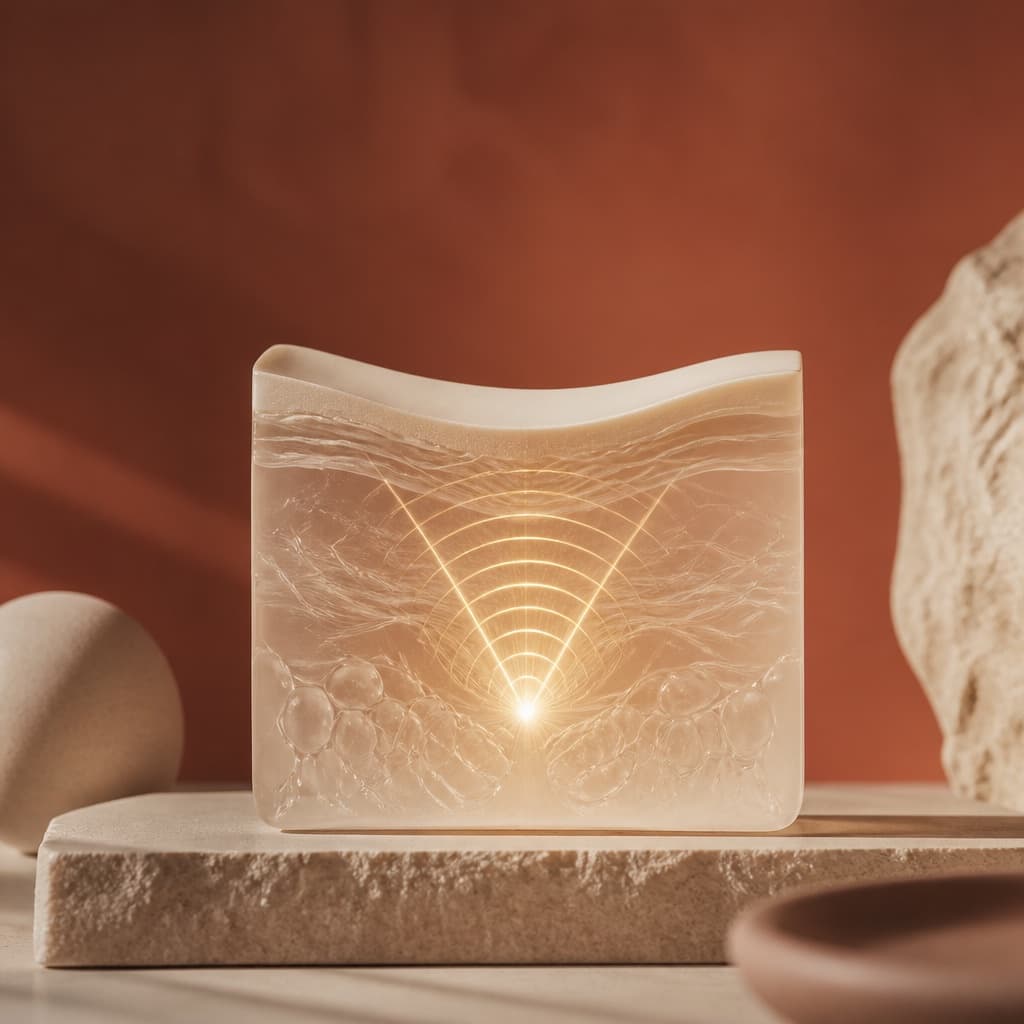
Ultherapy Prime
Ultherapy Prime is a globally validated non-surgical facelift. It delivers focused ultrasound energy precisely to the deep SMAS layer — the same layer addressed in surgical lifts — to contract the tissue that drives sagging and lift the contour without any incision. It can help with a softening jawline, neck, and eye area, and because it works by stimulating new collagen, results settle in gradually. At REDI, we diagnose your skin thickness and degree of laxity first, then design the depth and number of shots accordingly — prioritizing a lift that is both safe and genuinely noticeable over raw intensity.
Visit REDI Dermatology
4F & 5F, DM Tower Bldg. 2, 105 Bangbae-ro, Seocho-gu, Seoul, Korea
길찾기 (Get directions)Medically reviewed by Dr. Min Jeong · Last updated September 18, 2026
This article is general information, not medical advice. Results vary by individual. These are elective, non-insured aesthetic treatments. Please consult a board-certified doctor about your own case.
Ask what your skin actually needs
Free online consultation