
Flying After Skin Treatment: A Dermatologist's Timeline for Travelers

Why "when can I fly?" is the first question I answer
Hello, I'm Dr. Min Jeong, director of REDI Dermatology in Seoul. If you're flying in for skin treatment — or you're already here on a short trip — one question tends to come before all the others: when is it actually safe to fly after this? It's a smart question, and I'd rather answer it honestly than have you guess. Please read to the end, because the timeline changes quite a bit depending on which treatment you have, and planning it well is often the difference between a smooth trip and a stressful one.
The short version: most non-surgical skin treatments do not make flying unsafe. But dry cabin air and long-haul travel can make normal swelling or redness feel more noticeable in the first day or two. So the goal isn't "can I physically board a plane" — usually yes — it's "how do I sequence my treatments so I fly home comfortable, not puffy." That's the framing I use with every international patient.
The general rule: downtime, not danger
For the elective, non-insured aesthetic treatments we do at REDI, the risk of flying isn't medical — it's comfort. There's no incision, no surgical wound to worry about at altitude. What changes with flying is that dry, pressurized cabin air and hours of sitting still can make mild swelling linger a little longer. That's the whole story for most of our menu.
So instead of a single rule, I think in tiers based on how much downtime a treatment carries. The official downtime ranges we work with are consistent and worth knowing before you book your flight home.
A Day 0 → Week 1 timeline by treatment type
Here's how I map recovery for the treatments travelers ask about most. Remember these are typical ranges — results and recovery vary by individual, and I'll confirm your specific plan at consultation.
Skin boosters (minimal, ~1–2 days). Treatments like Juvelook and Rejuran Healer have minimal downtime — usually about 24 hours. Skin looks hydrated right away; mild redness, swelling, or small temporary bumps typically settle within 24–48 hours.
- Day 0: mild redness, possible tiny bumps. Keep it low-key.
- Day 1–2: bumps and redness usually settling. A short-haul flight is generally comfortable.
- Week 1: looking like yourself. Collagen-driven changes develop over weeks after this.
Gentle lifting (little to none → 1–2 days). Devices such as Ultherapy Prime, Onda, Sofwave, Tune Face, and Emface carry minimal downtime — some redness that often eases within hours to a couple of days.
- Day 0: mild tightening feel, possible transient redness.
- Day 1–2: back to daily life for most people. Flying home is usually fine.
Microneedle RF and fractional lasers (1–3 days). Potenza, Legato, Double Tite, and Fractional Picosecond Laser can have 1–3 days of redness or mild swelling. I'd give a buffer before a long-haul flight so you're not travelling on Day 0.
Scar work with more downtime (3–5 days). CROSS and Subcision for depressed scars can involve crusting or redness for 3–5 days. These deserve the longest buffer, and I schedule them early in a patient's stay when I can.
If you want the full recovery breakdown, I've written a more detailed day-by-day recovery guide that pairs well with this article.
How I sequence treatments around your flight
This is where planning ahead really pays off. When a patient tells me their flight dates before they arrive, I build the whole schedule backwards from the departure.
The principle is simple: anything with more downtime goes early. If you're here for five days and want both a scar treatment (3–5 days) and a skin booster (1–2 days), I'll do the scar work first so it has the most time to settle before you fly, and place the gentler treatment closer to departure. That way you leave Seoul looking calm rather than travelling with fresh redness.
This is also why I ask about your trip length up front. If you're still planning, my guide on how many days to budget in Korea walks through realistic trip lengths for different goals.
Practical tips for flying comfortably afterward
A few things I tell every patient who's flying soon after treatment:
- Hydrate. Cabin air is very dry. Drink water and keep your skin barrier well moisturized — this matters most after boosters and lasers.
- Sun protection at your destination. After pigment and laser treatments especially, sun exposure needs care. This is even more important for darker skin tones (Fitzpatrick IV–VI), where we already adjust laser and toning protocols to reduce the risk of post-treatment pigmentation. We'll give you specific aftercare instructions.
- Don't panic over mild swelling on the plane. If a booster area feels a little puffier mid-flight, that's the dry air, not a complication.
- Keep our contact handy. Our interpreters are on site during your visit, and after you fly home we do online follow-up. If anything worries you, message us — you're not on your own once you leave.
For patients concerned about sensitivity or easy flushing before a flight, my note on sensitive skin explains how we calm the skin first rather than pushing intensity.
Takeaways
- Flying after non-surgical skin treatment is usually about comfort, not safety — there's no surgical wound at altitude.
- Skin boosters and gentle lifting are the most flight-friendly (minimal to 1–2 days). Microneedle RF and lasers want a 1–3 day buffer. Scar treatments like CROSS or Subcision deserve 3–5 days.
- The smart move is sequencing: schedule higher-downtime treatments early in your stay so you fly home calm.
- Tell us your flight dates before you arrive and we'll build your plan around them.
- Recovery and results vary by individual — we confirm your specific timeline at consultation.
Frequently asked
How long should I wait to fly after a skin booster like Juvelook or Rejuran?
For most skin boosters, downtime is minimal — usually about 1–2 days. Mild redness, swelling, or small bumps typically settle within 24–48 hours, so short-haul flights the next day are usually comfortable. I still prefer patients keep a low-key day right after. Results vary by individual, so we confirm your plan at consultation.
Is it safe to fly the same day as a laser or lifting treatment?
It's usually possible, but I don't recommend it if I can avoid it. Cabin air is dry and long flights can worsen swelling. For lifting devices with minimal downtime you may be fine within a day or two; for treatments with 1–3 days of possible redness or crusting, I suggest planning a small buffer.
Does flying make swelling or bruising worse?
Long flights and dry cabin air can make mild swelling feel more noticeable, especially in the first day or two. It's not dangerous for routine aesthetic treatments, but a short buffer before a long-haul flight simply makes recovery more comfortable.
Which treatments need the most buffer before flying home?
Treatments with 3–5 days of possible crusting or redness — like CROSS or Subcision for scars — deserve the longest buffer. Microneedle radiofrequency and fractional lasers usually need 1–3 days. Skin boosters and gentle lifting are the most flight-friendly.
Can I plan my treatments around my flight schedule?
Yes, and I encourage it. Tell us your flight dates before you arrive, ideally over WhatsApp, and we'll sequence your treatments so the ones with more downtime happen early in your stay. Your first online video consultation is free.
Keep reading
More on this from Dr. Min Jeong.




Dr. Min Jeong
Founding director, REDI Dermatology · Seoul
“A treatment isn't shopping. I'd rather diagnose first and recommend only what your skin genuinely needs — the same way I'd advise my own family.”
Board-certified dermatologist — trained at Kangbuk Samsung Hospital, and former Chief of Dermatology at the ROK Ministry of National Defense.
Juvelook Key Opinion Leader — 15,000+ vials administered, Korea's highest-volume clinic (Apr 2025). Key Opinion Leader titles are granted by device companies and carry no legal standing.
A regular speaker on clinical dermatology at Korean medical symposiums, including Juvelook clinical-experience panels.
Why international patients choose REDI
Interpreters in the room
English and Chinese, on site for your consultation and treatment.
Board-certified doctors only
Every procedure by a dermatology specialist — never unsupervised staff.
15,000+ Juvelook vials — No.1 in Korea
Hands-on volume most clinics have not reached.
Airport pickup arranged
So your first day in Seoul isn't spent lost with luggage.
Aftercare once you're home
Online follow-up, so a question next week still reaches your doctor.
Explore the treatment
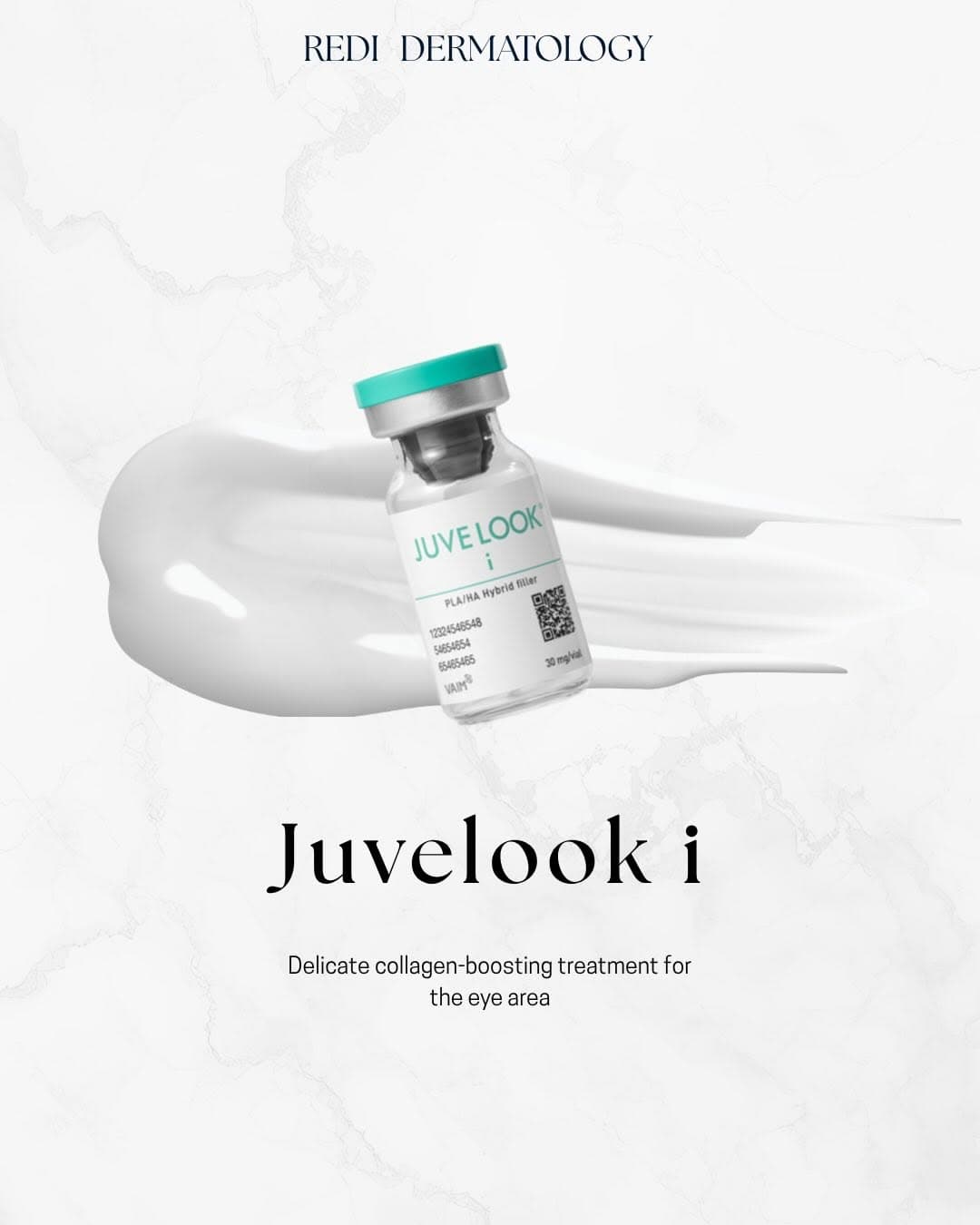
Juvelook Skin Booster
Juvelook is a PDLLA (poly-D,L-lactide) collagen booster that stimulates your skin's own collagen production to improve pores, firmness, fine lines, scars, and overall tone. Unlike a filler that simply adds volume, it helps the skin rebuild itself, so results develop naturally over time. At REDI, the blend and hydration protocol was refined by our Juvelook key doctor, and we match the delivery method — Dermashine Pro, Potenza, MIRAJET, Double Tite, and more — to your specific skin condition. With 15,000+ vials of hands-on experience, we know that the same product can deliver very different results depending on technique.
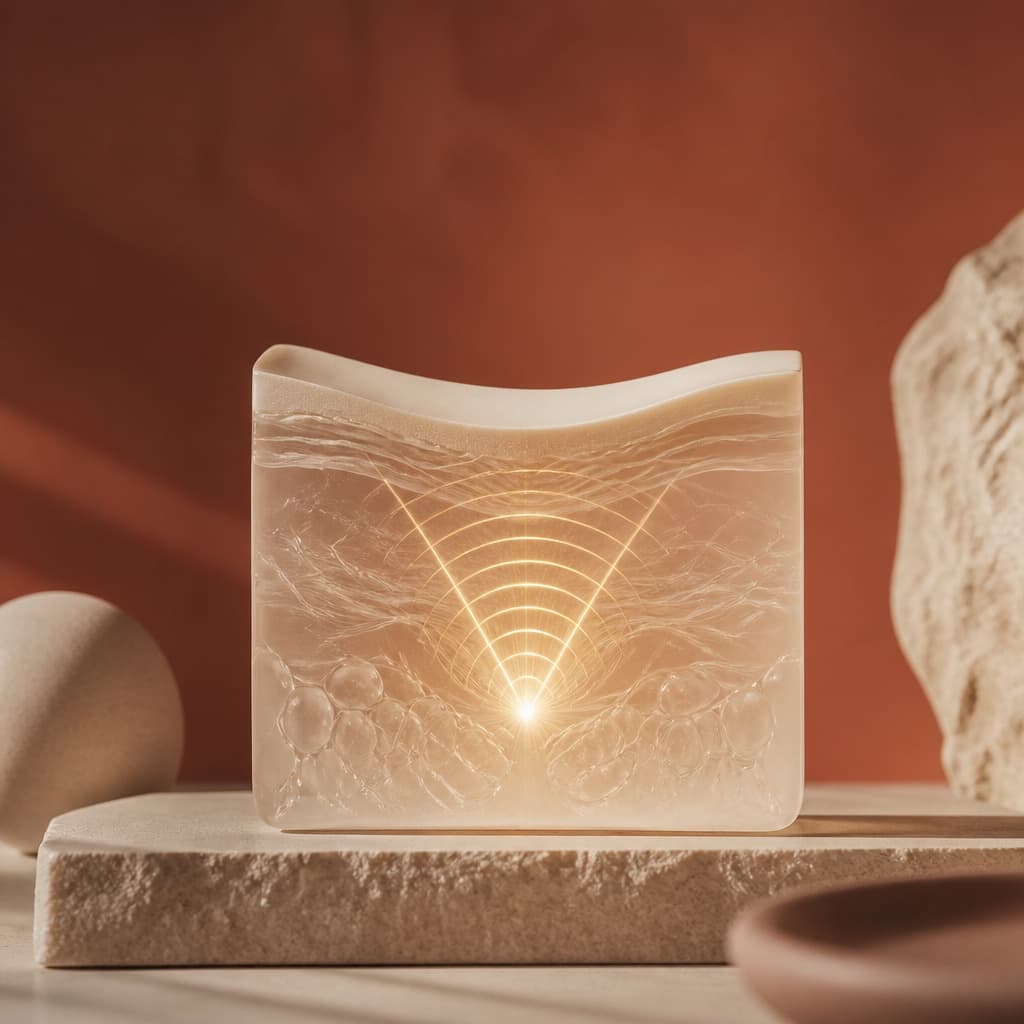
Ultherapy Prime
Ultherapy Prime is a globally validated non-surgical facelift. It delivers focused ultrasound energy precisely to the deep SMAS layer — the same layer addressed in surgical lifts — to contract the tissue that drives sagging and lift the contour without any incision. It can help with a softening jawline, neck, and eye area, and because it works by stimulating new collagen, results settle in gradually. At REDI, we diagnose your skin thickness and degree of laxity first, then design the depth and number of shots accordingly — prioritizing a lift that is both safe and genuinely noticeable over raw intensity.
Visit REDI Dermatology
4F & 5F, DM Tower Bldg. 2, 105 Bangbae-ro, Seocho-gu, Seoul, Korea
길찾기 (Get directions)Medically reviewed by Dr. Min Jeong · Last updated
This article is general information, not medical advice. Results vary by individual. These are elective, non-insured aesthetic treatments. Please consult a board-certified doctor about your own case.
Ask what your skin actually needs
Free online consultation