
Skin Barrier Repair in Korea: A Dermatologist's Calm-First Plan
A quick note before we start
Hello, I'm Dr. Min Jeong, founding director of REDI Dermatology in Seoul. Of all the concerns international patients message me about, a struggling skin barrier is one of the most misunderstood — and one of the most fixable when we approach it calmly. Please read to the end, because the single most important decision in skin barrier repair isn't which treatment you book; it's knowing when not to do something aggressive to skin that's already asking for a rest.
What "skin barrier repair" actually means
Your skin barrier is the outermost protective layer of your skin. When it's healthy, it holds moisture in and keeps irritation out. When it's compromised — after over-exfoliation, harsh actives, travel, or a run of aggressive treatments — the skin feels tight, looks dull or red, stings with products it used to tolerate, and never quite settles. So "skin barrier repair" isn't a single machine or injection you buy. It's a plan: calm the skin, support its own recovery environment, and stop whatever keeps aggravating it.
I say this because the most common mistake I see in the consultation room is a barrier problem being treated as a "brightening" or "pore" problem. When you pile actives and lasers onto skin that is already inflamed, you make it worse. At REDI we're diagnosis-first: we look at your skin condition, your routine, and what changed recently, before we suggest anything at all.
How I approach a compromised barrier at REDI
My first move is almost always to subtract, not add. That means pausing harsh actives and heat-heavy treatments, and starting with something soothing. Two gentle, low-irritation options I reach for often are Rejuran and LDM.
Rejuran is a skin-booster–type treatment that uses polynucleotide (PN) to support the skin's own recovery environment — helping with soothing, texture, and hydration together. For patients who are sensitive to pain, there's Rejuran HB Plus, which contains lidocaine for a more comfortable experience; we distinguish between the two based on your skin. LDM uses ultra-high-frequency ultrasound vibration to calm stressed skin and manage its hydration and texture environment, with little pain and almost no downtime. It's also useful for supporting recovery after other treatments.
If your barrier trouble comes with persistent facial redness or flushing, the plan may look different again — that's a whole topic in itself, and I've written more on my approach to sensitive, easily flushing skin if you want the deeper version. The point is that the treatment follows the diagnosis, not the other way around.
What's realistic — timelines and downtime
Here's the honest part: barrier repair is gradual. Soothing effects can feel noticeable fairly early, but rebuilding real resilience happens over weeks, and it depends heavily on what you do between visits. If you go home and resume the same harsh routine that broke the barrier down, no in-clinic treatment will hold.
For international patients, the good news is that these soothing treatments are kind to a travel schedule. Both Rejuran and LDM carry minimal to no downtime:
- Day 0: Rejuran takes about 20 minutes; you may have mild redness or small temporary bumps. LDM is about 20 minutes with essentially no downtime.
- Day 1–2: Mild redness from Rejuran typically settles. You can usually wear makeup and fly comfortably.
- Week 1 onward: Skin feels calmer; texture and hydration improvements build gradually over subsequent weeks. Results vary by individual.
Because these are elective, non-insured aesthetic treatments, we talk through the plan and pricing transparently at your consultation rather than committing you to a fixed package sight unseen.
Skin tone matters more than people expect
For patients with darker or more reactive skin — Fitzpatrick types IV to VI — I'm especially careful while the barrier is compromised. Heat-heavy and aggressive resurfacing treatments can trigger post-inflammatory pigmentation on reactive skin, which is exactly the kind of setback we're trying to avoid. So we favour gentler, soothing-first options and adjust intensity conservatively. If pigment concerns are also on your list, we address them only once the barrier is stable — and I explain that sequencing in more detail in my writing on hyperpigmentation for international patients.
Coming from abroad: how the practical side works
REDI means "Reduce Distance," and a lot of that is logistical. We have English- and Chinese-speaking interpreters on site, so you won't be navigating a consultation alone. You can message us on WhatsApp before you even book a flight, and I personally handle the consultation through to the treatment — so the person who diagnoses your barrier is the person who treats it. After you fly home, we continue with online aftercare, which matters a great deal for barrier repair specifically, since so much of the outcome depends on the routine you follow between visits.
Takeaways
- Skin barrier repair is a plan, not a single procedure — the first step is often removing what's aggravating your skin, not adding more.
- At REDI I lean on soothing, low-irritation options like Rejuran and LDM, chosen after a diagnosis rather than by default.
- Timelines are gradual and depend heavily on your at-home routine; soothing feels early, resilience builds over weeks. Results vary by individual.
- These treatments suit short trips — minimal to no downtime, with online aftercare once you're home.
- Skin tone shapes the plan — for reactive or darker skin, I stay especially conservative while the barrier heals.
Frequently asked
What actually is skin barrier repair, and is it a single treatment?
It isn't one procedure. A compromised skin barrier means the skin's outermost protective layer is struggling to hold moisture and keep out irritation, so 'repair' is really a plan — calming the skin, supporting its own recovery environment, and removing whatever keeps aggravating it. At REDI we diagnose the cause first, then choose gentle treatments accordingly.
Which treatments help support a damaged skin barrier at REDI?
We lean on soothing, low-irritation options such as Rejuran, which uses polynucleotide to support the skin's own recovery environment, and LDM, an ultra-high-frequency ultrasound that calms stressed skin. The right choice depends on your diagnosis, and we may combine or stage them.
How long does it take to see a calmer, stronger skin barrier?
It's gradual, not overnight. Soothing effects can feel noticeable early, but rebuilding resilience develops over weeks and depends on consistent care and avoiding aggravating factors. Results vary by individual.
I'm flying in for a short trip — is barrier repair realistic?
Yes, and it's often the safest place to start. Soothing treatments like Rejuran and LDM carry minimal to no downtime, so they suit short stays. We'll plan around your travel dates and continue with online aftercare once you're home.
Does skin tone affect a barrier-repair plan?
It can. For darker or more reactive skin (Fitzpatrick IV–VI), we're especially cautious about heat and aggressive resurfacing while the barrier is compromised, and we favour gentler, diagnosis-led options. This is discussed at your consultation.
Keep reading
More on this from Dr. Min Jeong.

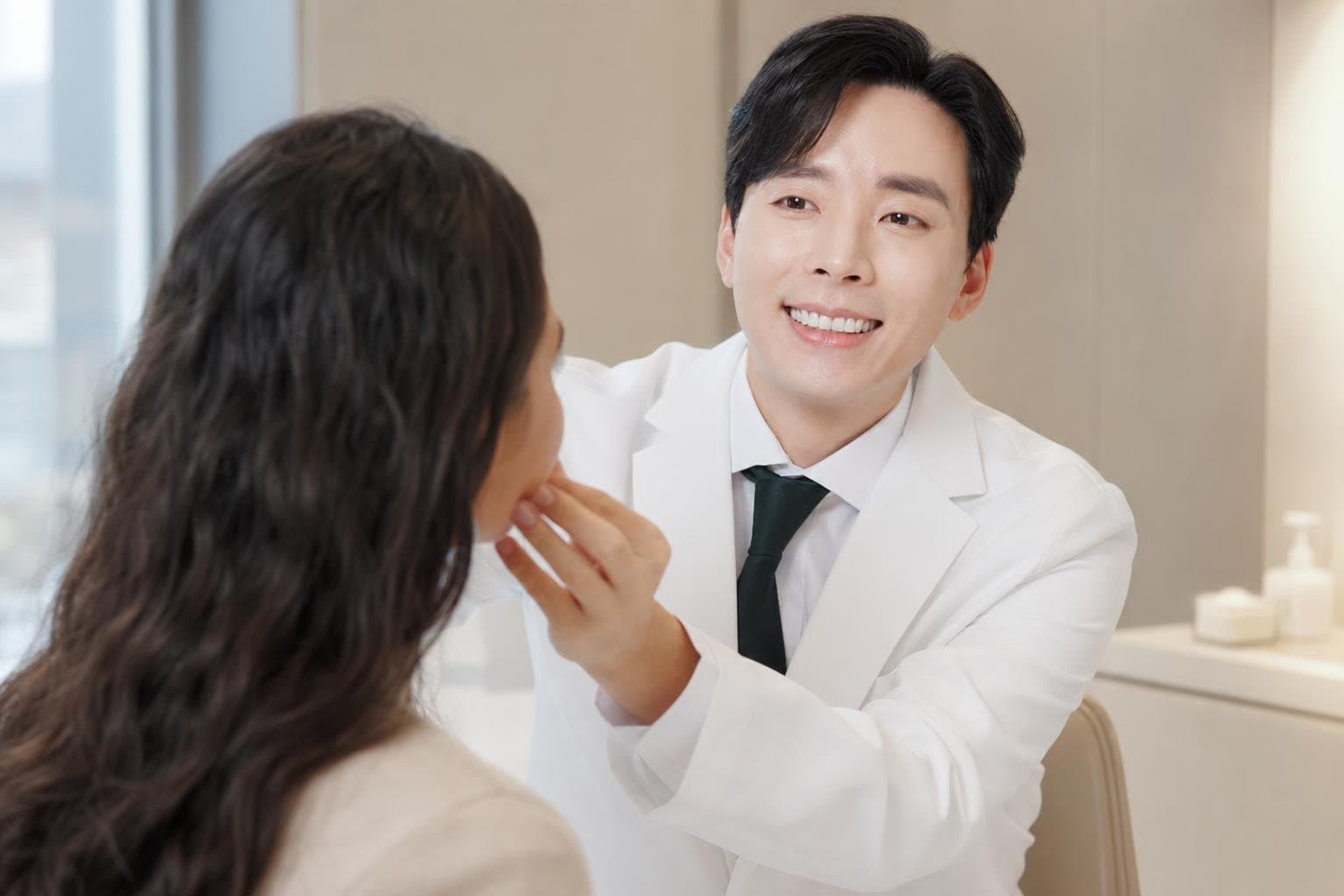


Dr. Min Jeong
Founding director, REDI Dermatology · Seoul
“A treatment isn't shopping. I'd rather diagnose first and recommend only what your skin genuinely needs — the same way I'd advise my own family.”
Board-certified dermatologist — trained at Kangbuk Samsung Hospital, and former Chief of Dermatology at the ROK Ministry of National Defense.
Juvelook Key Opinion Leader — 15,000+ vials administered, Korea's highest-volume clinic (Apr 2025). Key Opinion Leader titles are granted by device companies and carry no legal standing.
A regular speaker on clinical dermatology at Korean medical symposiums, including Juvelook clinical-experience panels.
Why international patients choose REDI
Interpreters in the room
English and Chinese, on site for your consultation and treatment.
Board-certified doctors only
Every procedure by a dermatology specialist — never unsupervised staff.
15,000+ Juvelook vials — No.1 in Korea
Hands-on volume most clinics have not reached.
Airport pickup arranged
So your first day in Seoul isn't spent lost with luggage.
Aftercare once you're home
Online follow-up, so a question next week still reaches your doctor.
Explore the treatment
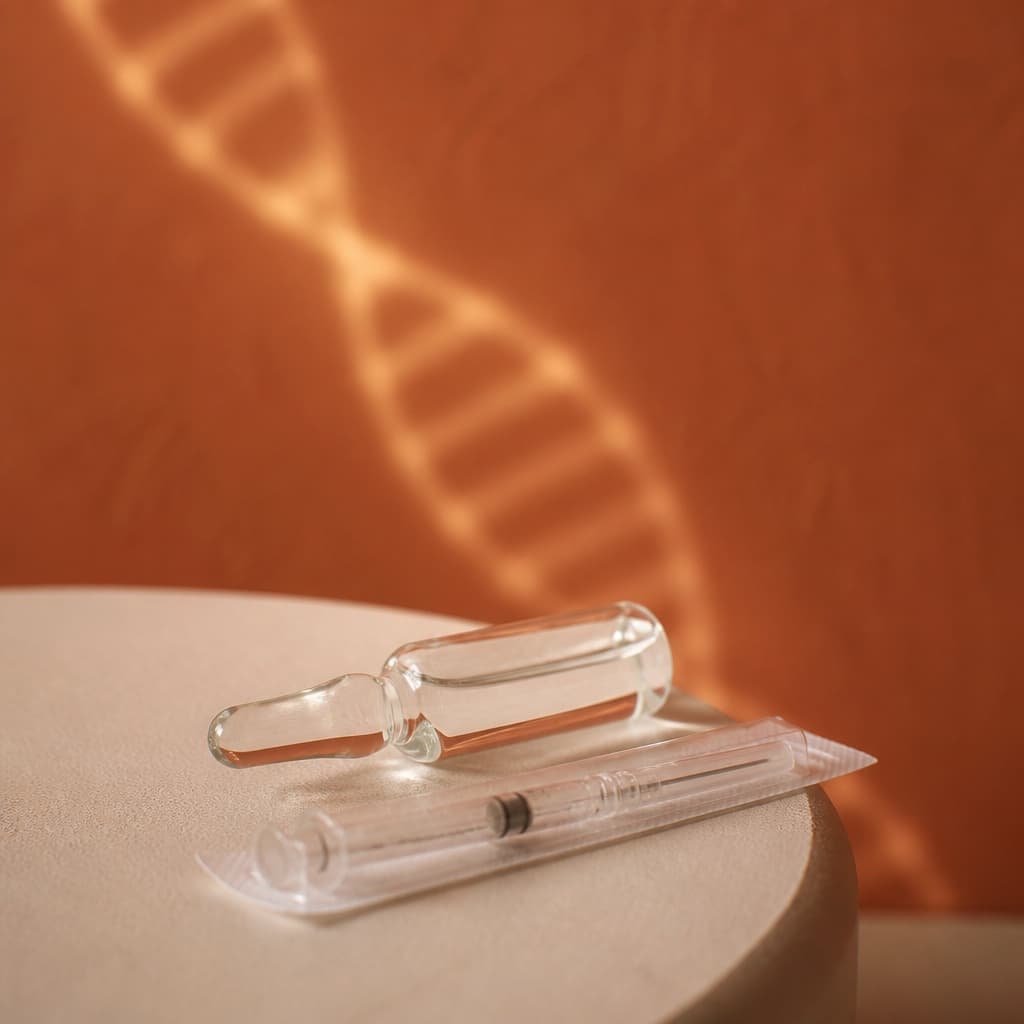
Rejuran Healer & Rejuran HB Plus
Rejuran Healer, a tissue-regenerating substance derived from salmon, is injected to effectively renew damaged skin. If you're sensitive to pain, Rejuran HB Plus — which contains lidocaine — offers a more comfortable treatment.
LDM
Uses high-density ultrasound to stimulate fibroblast production, soothing the skin and improving firmness.
Visit REDI Dermatology
4F & 5F, DM Tower Bldg. 2, 105 Bangbae-ro, Seocho-gu, Seoul, Korea
길찾기 (Get directions)Medically reviewed by Dr. Min Jeong · Last updated
This article is general information, not medical advice. Results vary by individual. These are elective, non-insured aesthetic treatments. Please consult a board-certified doctor about your own case.
Ask what your skin actually needs
Free online consultation