
Exosomes Korea: Why Seoul Dermatologists Don't Inject Them, and How They're Used Instead

Hello, I'm Dr. Min Jeong, the board-certified dermatologist who leads REDI Dermatology in Seoul. When international patients search for exosomes Korea often comes up first, and the question they bring me is usually a practical one: "Will you inject exosomes for me?" I don't, and the reason says a lot about how to get real value from them. Please read to the end, because once you know why, choosing a delivery method and a trip length becomes much easier. I trained and was board-certified at Kangbuk Samsung Hospital, and I have used exosomes alongside other skin boosters for years.
The short answer: the exosomes Korean clinics use are registered as cosmetics here, not as injectable medicines, so I don't inject them directly. I deliver them into the skin through tiny channels opened by a device, or with ultrasound. They help most with inflamed, reactive skin, and they support glow and texture. They are not a substitute for collagen-stimulating or volumising boosters.
| At a glance | |
|---|---|
| What they are | Messenger vesicles from stem-cell cultures that carry signalling molecules |
| How REDI delivers them | Device-opened channels or ultrasound, never direct injection |
| Who benefits most | Acne-prone, sensitive and redness-prone skin |
| Time | About 20–30 minutes |
| Downtime | Minimal, about one day |
Why the exosomes Korean clinics use aren't injected
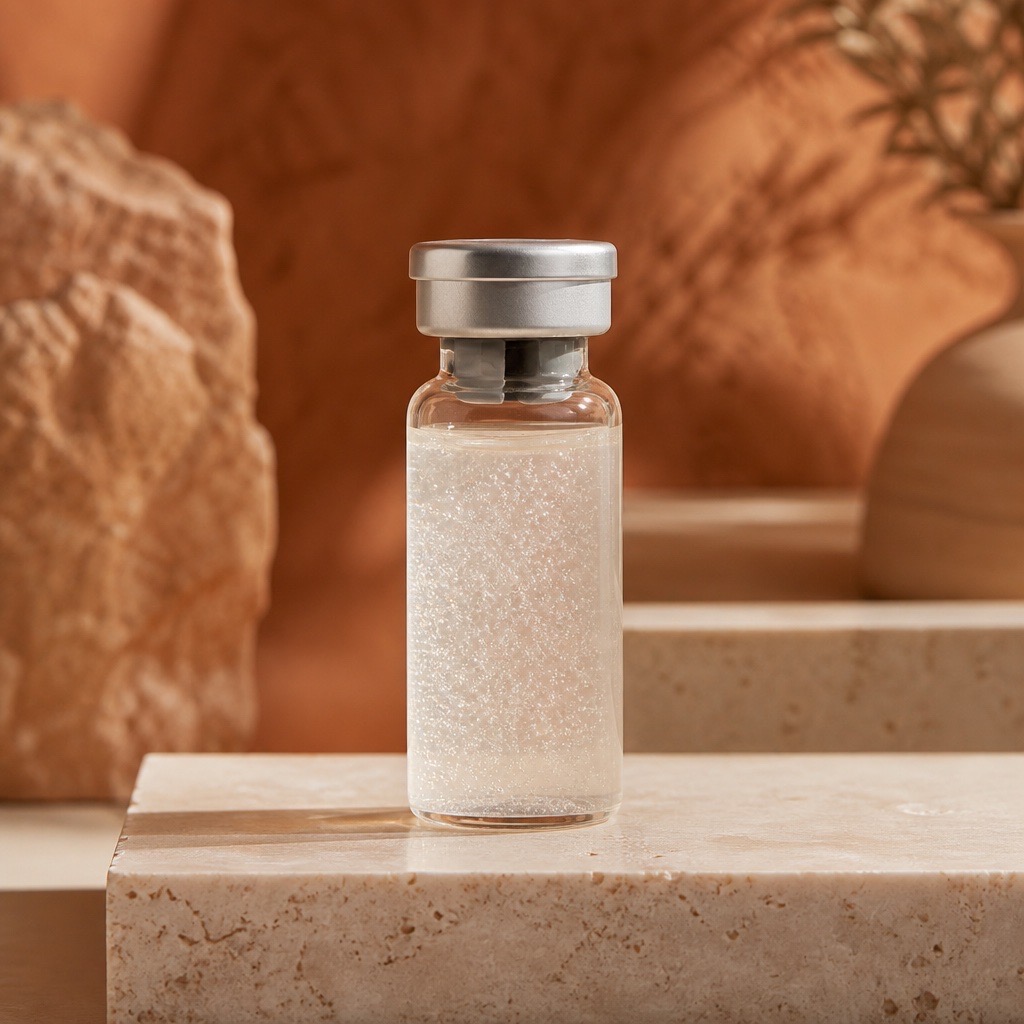
This is the part most articles skip. The exosomes Korea permits in clinics are sold as cosmetic ingredients. The difference between a cosmetic and an injectable medicine is not a technicality: medicines are manufactured under sterile conditions and approved on safety and efficacy data, while cosmetics are not required to meet those standards. For years many clinics injected exosomes directly anyway, and reports of problems were rare. But if something did go wrong, it would be difficult to manage and difficult to answer for.
So my approach is conservative. Treatments that are approved as injectables, such as Rejuran or Juvelook, I inject. Exosomes I deliver another way. If you had exosomes injected elsewhere in the past and feel fine, there is no reason to worry now; it's simply not how I work.
Simply rubbing them on isn't the answer either. The skin barrier keeps most of what you apply from getting in, which is why delivery is the real question.
Three ways I deliver them, and who each one suits
1. RF microneedling with Potenza. Fine insulated needles create channels while radiofrequency works in the skin, and exosomes go in through those channels. The most product reaches the skin this way, so it's where I choose an exosome product with the longest track record. Expect some redness for a short time afterwards.
2. Radiofrequency channels with Legato. A roller delivers fractional radiofrequency that opens micro-channels on the surface. For pores and scars I set it stronger; when the goal is simply to help exosomes in, it can be set gently, and held flat to the skin it causes very little discomfort. Adding low-frequency ultrasound afterwards helps push product further in.
3. Ultrasound infusion only. No channels at all. For very reactive skin I use LDM, which soothes but pushes less product in; for less sensitive skin, a low-frequency ultrasound device delivers more. There's nothing to see afterwards, which makes it a good choice right before a wedding or a photo shoot.
People often ask for the best Korean exosomes for microneedling or for the face. My honest answer is that the product and the delivery method should be chosen together. An expensive product pushed in by ultrasound alone is partly wasted; a basic product in deep channels may be underpowered for what you want.
What exosomes do well, and where other boosters win
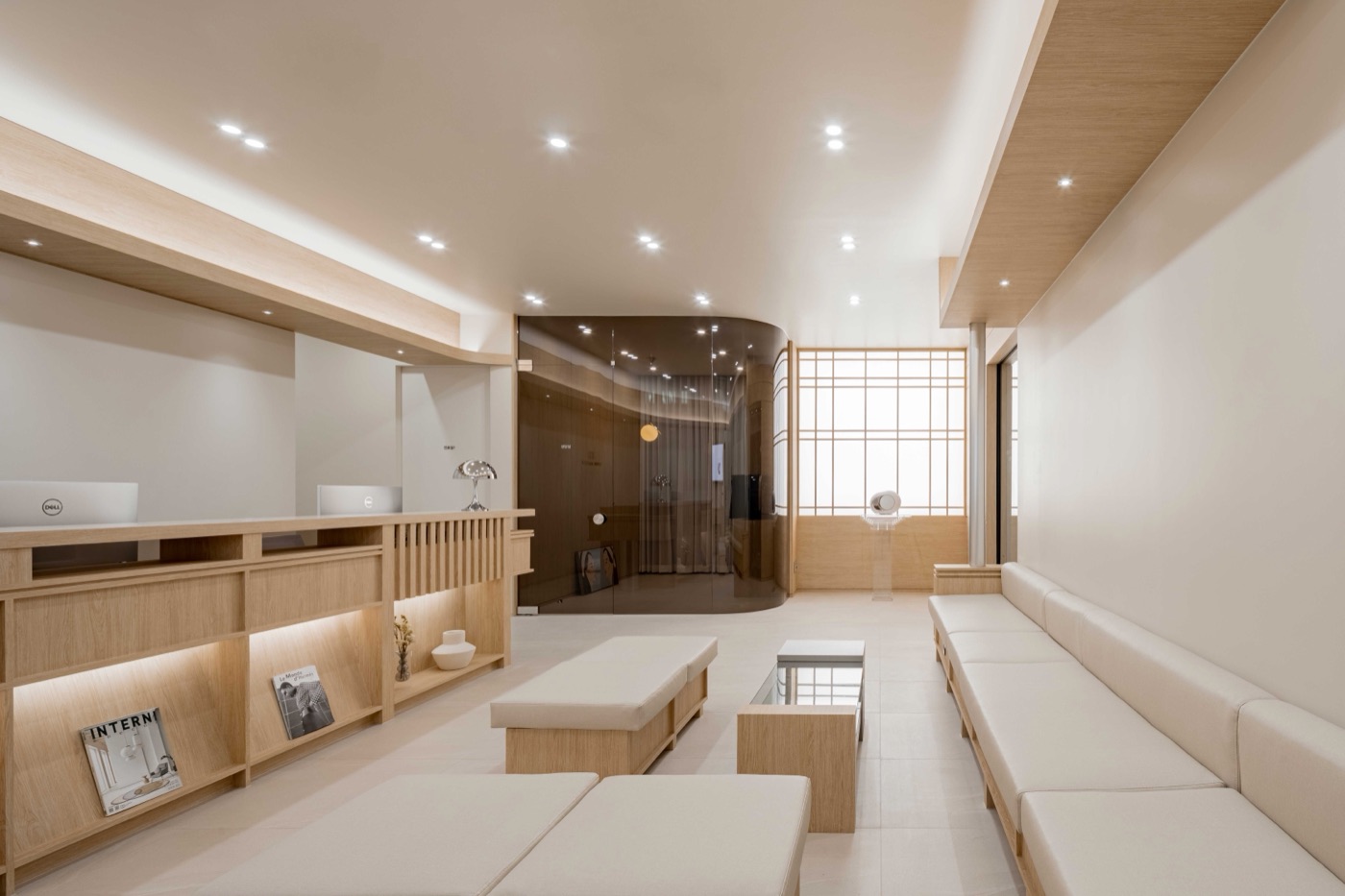
Exosomes carry growth factors and signalling molecules between cells. Like other boosters, they support the barrier and the dermal environment, so skin can look brighter and smoother. Where they stand apart, in my experience, is calming inflammation. That's why I reach for them first for:
- Acne-prone and breakout-prone skin
- Sensitive skin that reacts to almost everything
- Redness-prone skin and skin recovering from over-treatment
- Faster settling after procedures such as Legato
Where I usually prefer something else: for thickening thin skin, collagen and volume, Rejuran or Juvelook generally do more. I compare these in my exosome skin booster guide, and I explain how channels and products interact in microneedling with exosomes. Results vary by individual.
Korean exosomes vs American exosomes
I'm asked this surprisingly often, usually by someone comparing K-beauty products online with clinic treatments at home. I can't rank countries, and I'd be wary of anyone who does. What I can tell you is what matters in the room: how the product is registered where you're treated, what else is in the vial besides exosomes, and how it gets into your skin. The exosomes Korean skincare brands sell in jars and the ones used in a clinic after channels are opened are different experiences, even if the label looks similar.
Planning exosomes around a trip to Korea
A session takes about 20–30 minutes, and downtime is minimal, about one day. That makes the exosomes Korean clinics offer one of the easiest treatments to fit into a visit, and pairing them with another procedure can shorten how long that procedure's redness lasts.
- Short trip, important event soon after: ultrasound infusion only, nothing visible afterwards.
- Acne or sensitive skin, a few days in Seoul: Legato set gently with exosomes, done early in your stay.
- Pores or scars as well: Potenza or Legato at treatment strength, with exosomes to help the skin settle. Allow a day or two of redness before photos.
Flying the next day is generally fine. Interpreters for English and Mandarin are on site, and I see you personally from diagnosis to treatment. Once you're home, we follow up online with photos in similar light. Exosome treatments are elective and non-insured, and the plan and cost are explained at consultation. You can find more on our exosome skin booster page.
A note for deeper skin tones
For patients with Fitzpatrick skin types IV to VI, the exosomes Korea-based clinics use are rarely the issue; any device that creates channels carries a higher chance of darkening after inflammation. With exosomes, I lean toward gentler channel settings or ultrasound-only delivery, and build up only if the skin tolerates it well.
Takeaways
- The exosomes Korean clinics use are registered as cosmetics, so at REDI they are delivered into the skin, not injected.
- Delivery matters as much as the product: RF microneedling, radiofrequency channels or ultrasound, chosen for your skin and schedule.
- Exosomes help most with inflamed, sensitive and acne-prone skin; for collagen and volume, other boosters usually do more.
- Downtime is minimal, so exosomes fit easily into a short stay, with online follow-up once you're home.
Related reading on this topic
- Density Skin Tightening Treatment Korea: What the RF Tip Does, Who It Suits, and How Long to Stay
- Elravie Korea: What Re2O Puts Back Into Your Skin, and Why the Delivery Method Matters
- Korean Anti Aging, Layer by Layer: What a Seoul Dermatologist Actually Plans for Your Face
- Korean Dark Circle Treatment: Why the Type of Shadow Decides Everything
- Korean Dark Spot Treatment: Which Spots One Trip Can Clear, and Which Need a Course
- Korean Laser Treatment: A Dermatologist's Map of Which Laser Does What, and How Long Each Keeps You in Seoul
- Korean Wrinkle Treatment: Why Seoul Dermatologists Treat Lines in Layers, Not With One Injection
- LDM Seoul: When I Book This Ultrasound Facial on a Trip, and When I Don't
- Lifting Laser Korea: Most Korean Lifts Aren't Lasers, and Why That Changes How You Plan a Trip
- Pico Laser Seoul: Toning or Fraxel? Know Which One You're Booking Before You Fly
- Radiesse Korea: Why It Isn't a Filler, Where It Works, and What Happens After the First Month
- Rejuran Korea: Why Technique Matters More Than the Vial, and What to Ask a Clinic in Seoul
- Sofwave Korea: Why Seoul Took to This Lift for Thin Faces, and Who Should Skip It
- Tune Face Korea: The Lift for Faces That Aren't Too Full or Too Thin
More from the clinic
Frequently asked
Can exosomes be injected in Korea?
In Korea, exosome products are registered as cosmetics rather than as injectable medicines, so they have not been approved for direct injection. At REDI we don't inject them; we deliver them into the skin through channels opened by a device, or with ultrasound.
What are the best Korean exosomes for microneedling?
There isn't one answer. Products differ in what else they contain, and the delivery method changes how much reaches the skin. With deeper channels such as RF microneedling, I choose a product with a long track record; for gentle ultrasound infusion, a simpler product is usually enough.
Who benefits most from an exosome treatment?
In my practice, people with inflamed or reactive skin: acne-prone skin, sensitive skin and redness-prone skin. Exosomes can also support glow and texture, but for collagen or volume I usually prefer other boosters.
Is there downtime after exosomes?
Downtime is minimal, about one day. With ultrasound infusion there is usually nothing to see; when channels are opened with a device, mild redness can appear.
Korean exosomes vs American exosomes: which is better?
I can only speak to how products are regulated and used in Korea. Rules and labels differ by country, so the useful question is how a product is registered where you are treated and how it is delivered, not where it was made.
Keep reading
More on this from Dr. Min Jeong.
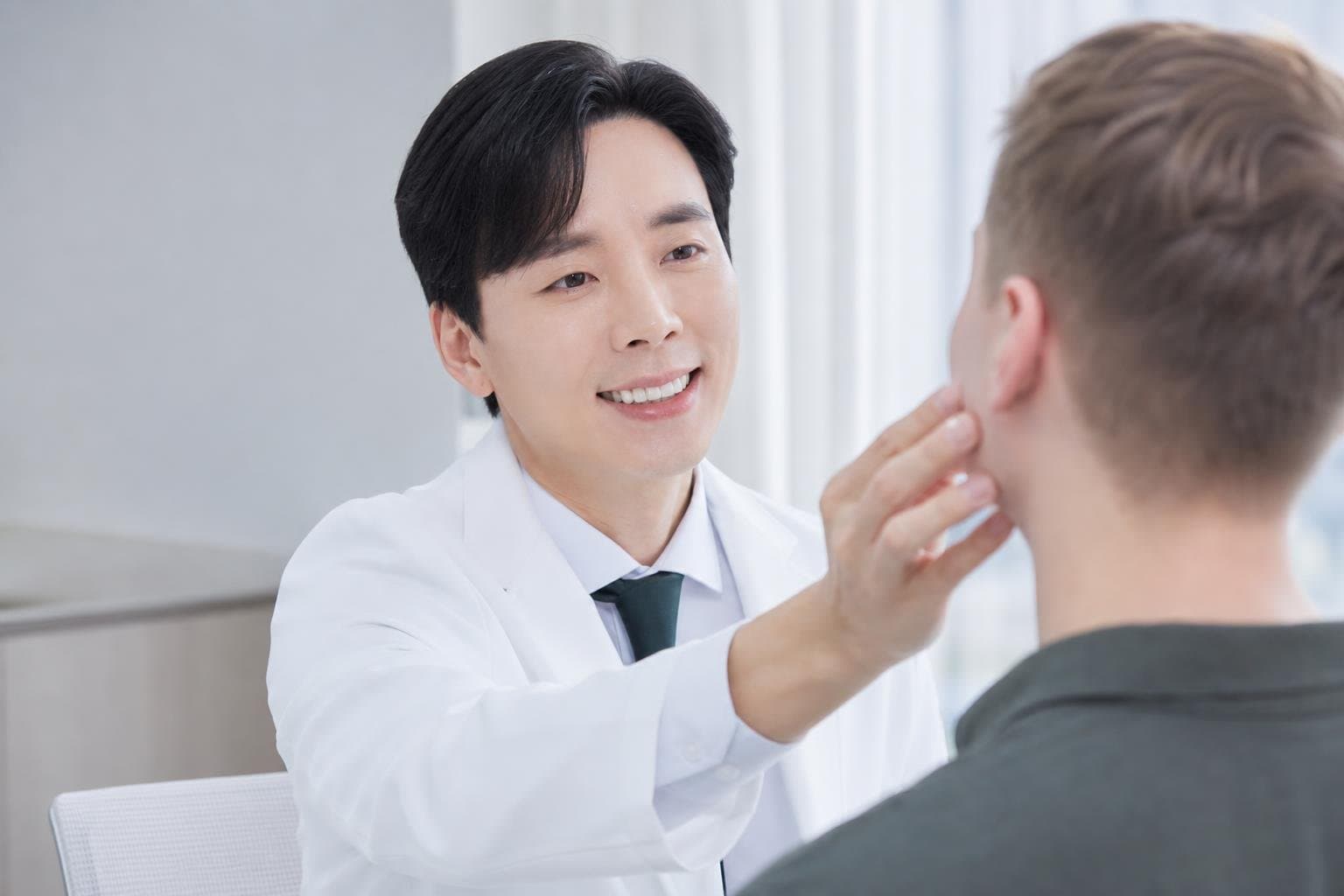

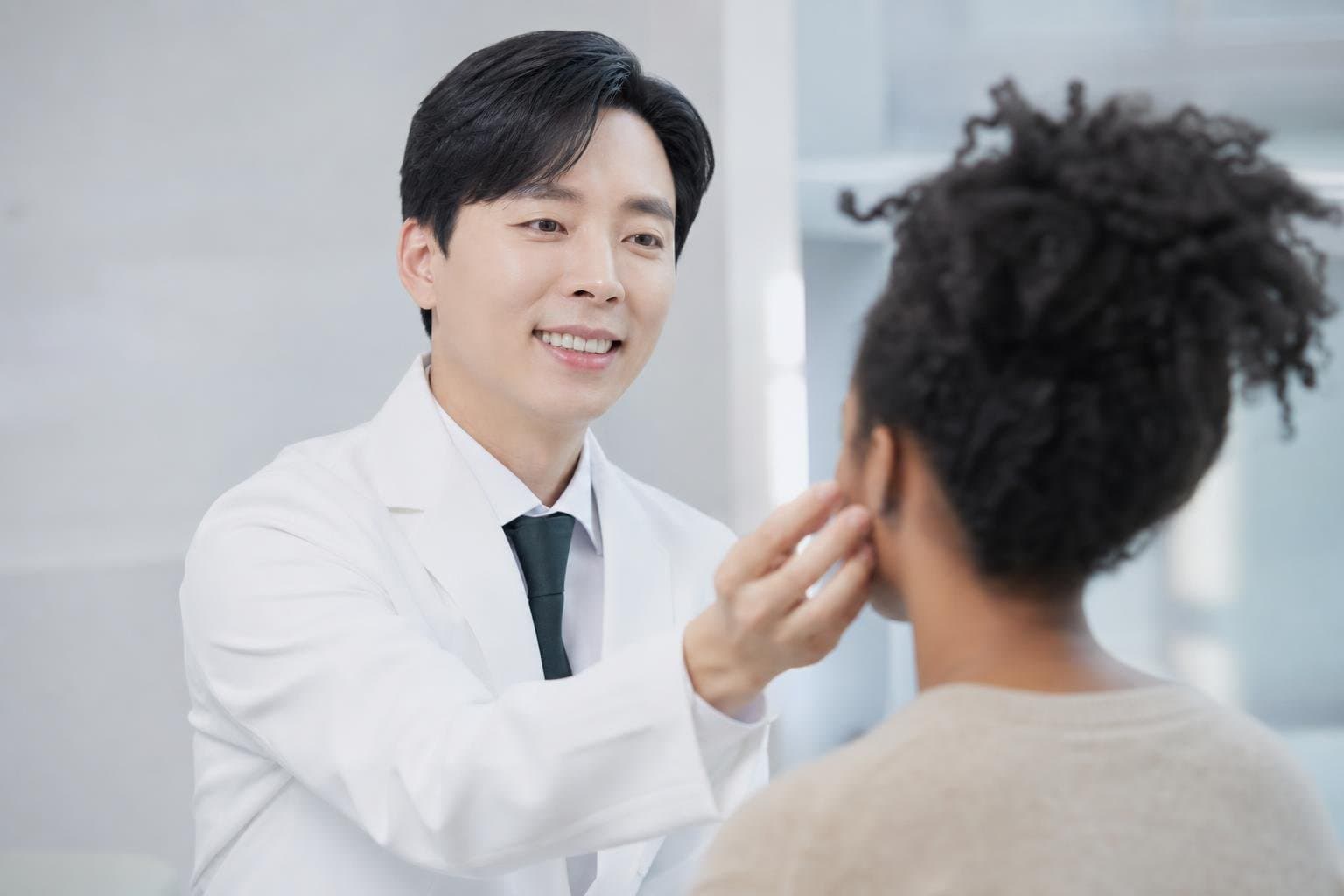

Dr. Min Jeong
Founding director, REDI Dermatology · Seoul
“A treatment isn't shopping. I'd rather diagnose first and recommend only what your skin genuinely needs — the same way I'd advise my own family.”
Board-certified dermatologist — trained at Kangbuk Samsung Hospital, and former Chief of Dermatology at the ROK Ministry of National Defense.
Juvelook Key Opinion Leader — 15,000+ vials administered, Korea's highest-volume clinic (Apr 2025). Key Opinion Leader titles are granted by device companies and carry no legal standing.
A regular speaker on clinical dermatology at Korean medical symposiums, including Juvelook clinical-experience panels.
Why international patients choose REDI
Interpreters in the room
English and Chinese, on site for your consultation and treatment.
Board-certified doctors only
Every procedure by a dermatology specialist — never unsupervised staff.
15,000+ Juvelook vials — No.1 in Korea
Hands-on volume most clinics have not reached.
Airport pickup arranged
So your first day in Seoul isn't spent lost with luggage.
Aftercare once you're home
Online follow-up, so a question next week still reaches your doctor.
Explore the treatment
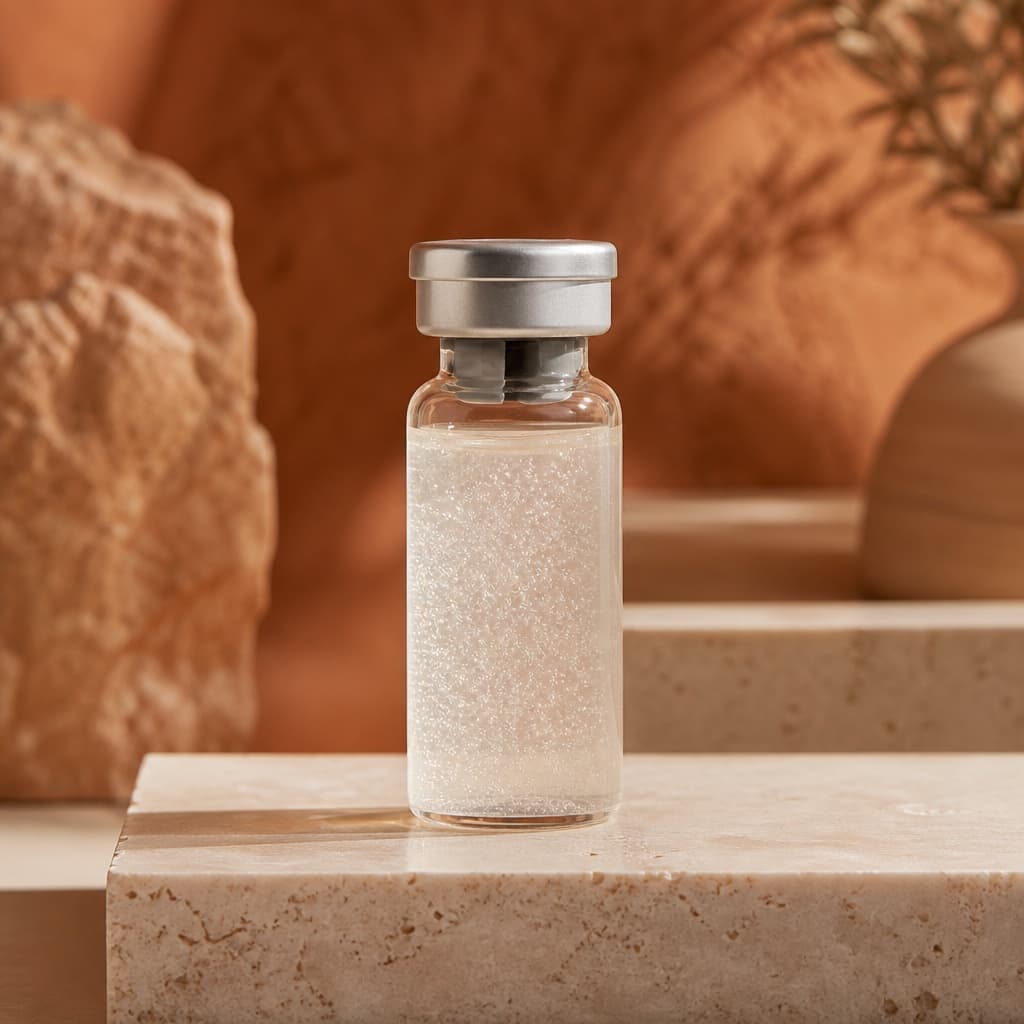
Exosome Skin Booster
A skin booster that delivers exosomes — messenger vesicles from stem-cell cultures — into the skin to support cell-to-cell signaling and the skin’s renewal environment. Used to manage texture, tone, and the skin barrier.
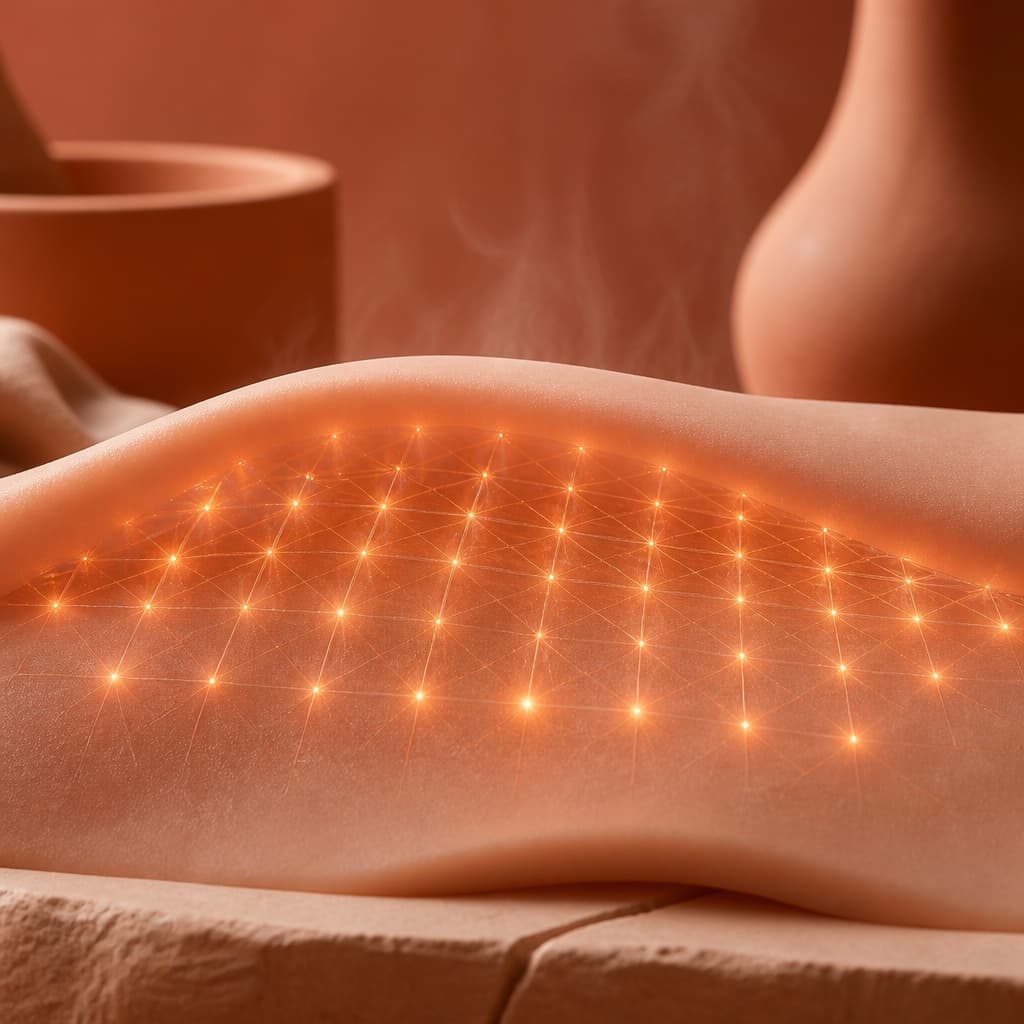
Legato
A device that uses radiofrequency energy to create micro-channels in the fibrous tissue clustered in scars, regenerating collagen. Four depth settings allow efficient skin renewal, and its anti-inflammatory effect makes it highly effective for inflammatory acne as well.
Potenza
Minimal pain with little disruption to daily life. Microneedles are safely inserted into the dermis to deliver radiofrequency heat, improving acne and pores while boosting firmness.
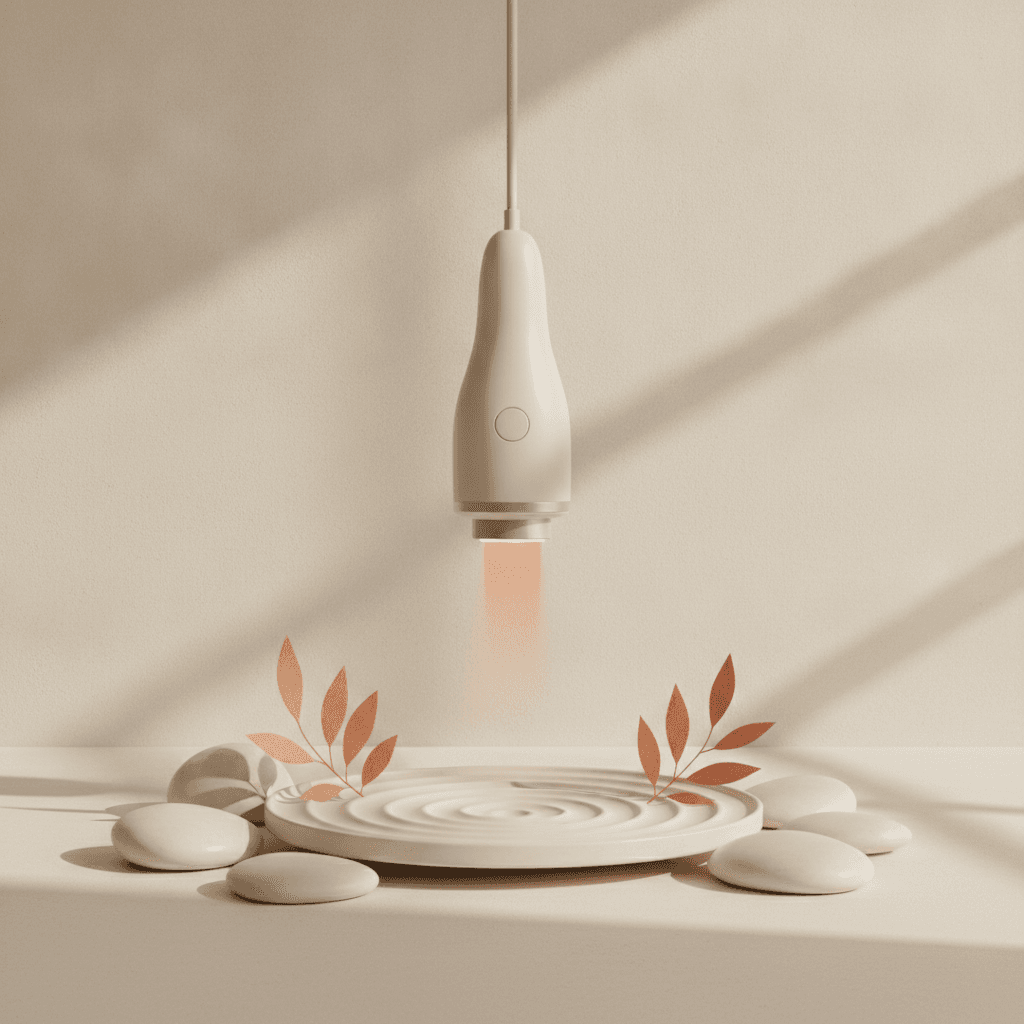
LDM
Uses high-density ultrasound to stimulate fibroblast production, soothing the skin and improving firmness.
Visit REDI Dermatology
4F & 5F, DM Tower Bldg. 2, 105 Bangbae-ro, Seocho-gu, Seoul, Korea
길찾기 (Get directions)Medically reviewed by Dr. Min Jeong · Last updated
This article is general information, not medical advice. Results vary by individual. These are elective, non-insured aesthetic treatments. Please consult a board-certified doctor about your own case.
Ask what your skin actually needs
Free online consultation