
Sensitive Skin Treatment in Korea: What a Seoul Dermatologist Actually Does First
Why "sensitive skin" needs a different conversation
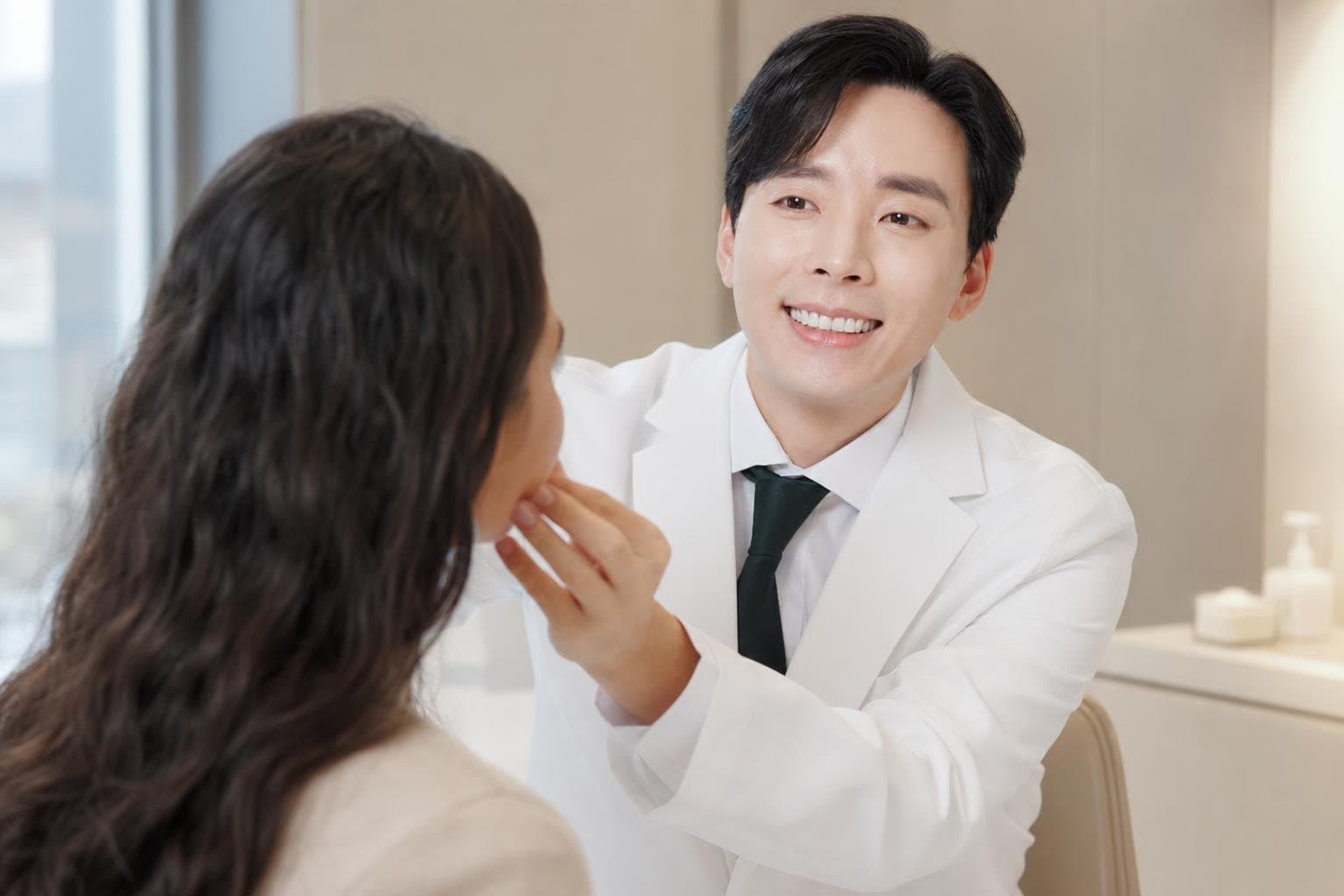
Hello, I'm Dr. Min Jeong, founding director of REDI Dermatology in Seoul. If your skin flushes easily, stings when you try new products, or reacts to treatments that seemed fine for everyone else, I want you to read this to the end — because sensitive skin treatment in Korea should start very differently from the aggressive, "more energy is better" approach you may have heard about.
At REDI we are a non-surgical dermatology clinic, and I've learned over many years that the same device can calm one person's skin and inflame another's. The variable isn't the machine — it's the diagnosis. So before I ever choose a treatment for a reactive complexion, I want to understand why that skin is reacting.
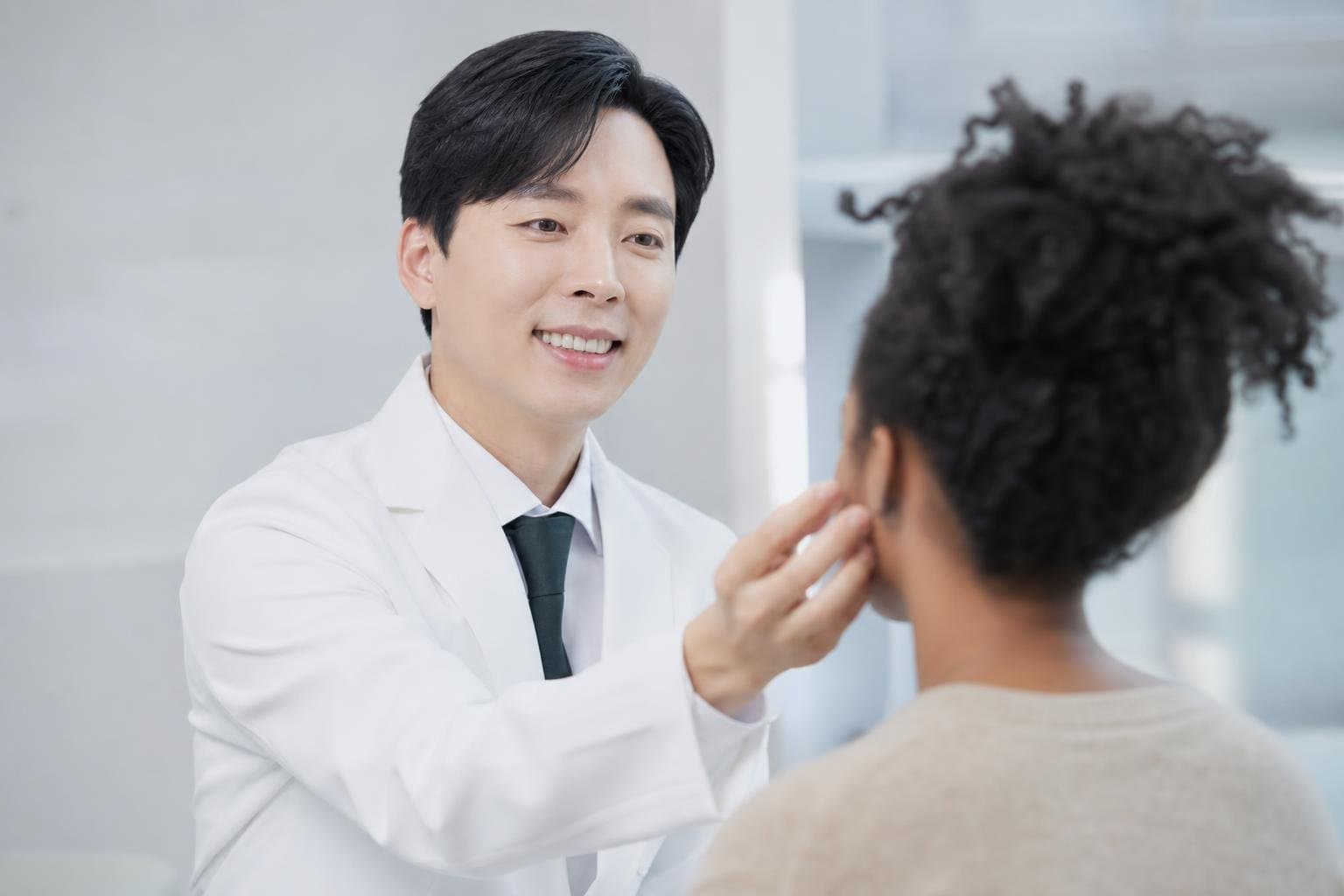
Sensitive skin is not a single condition. Sometimes it's a compromised barrier that lets everything irritate it. Sometimes it's visible redness — flushing and dilated capillaries, which at a certain point is better understood as rosacea. Sometimes it's stressed, over-treated skin that simply needs to be left to recover. Each of these points to a different plan, and none of them respond well to being pushed hard.
The REDI approach: diagnosis first, gentleness by default
Everyone who walks in gets a consultation before anything is decided. I review your skin condition, your history of reactions, your lifestyle, and your goals — and then I suggest the most suitable approach rather than fitting you to one fixed answer. For sensitive skin, "the most suitable approach" is very often the gentlest one that will still move you forward.
That philosophy matters most for reactive skin, because the wrong first step can set you back weeks. I would rather do something mild and well-tolerated than something dramatic that flares your skin. If your barrier is fragile, soothing and rebuilding comes before anything corrective.
A few of the calming, low-irritation options I reach for:
- LDM ultrasound — ultra-high-frequency ultrasound vibration to soothe the skin and manage its hydration and texture environment. It's frequently used to calm stressed skin or to support recovery after other treatments, with little pain and almost no downtime.
- Cryocell — cooling stimulation that soothes while gently supporting tone.
- Rejuran (Healer / HB Plus) — a PN (polynucleotide) skin booster that manages the skin's own recovery environment, used to support the soothing and renewal of stressed, easily flushing skin.
When redness is the main concern
If your sensitivity shows up mostly as facial redness, flushing, or visible little vessels, that's a slightly different target. Here I often consider Vbeam Perfecta, a 595 nm pulsed-dye laser that's well suited to vascular concerns. It's used to help manage facial redness, flushing, and dilated capillaries, and we adjust the intensity by first diagnosing how much redness there is and how sensitive your skin is.
For redness that comes with texture or firmness concerns, Potenza — microneedle radiofrequency — can be tuned to help settle inflammatory feeling while it works on texture. But note that microneedle-based treatments carry a bit more downtime (about 1–3 days of possible redness or swelling), so for a purely sensitive, calm-first plan I usually start softer and build up only if your skin tolerates it well.
If redness is your main reason for coming, I've written a fuller guide to treating facial redness in Seoul that goes deeper into the options than I can here.
The theme across all of this is restraint. With reactive skin, I'd rather do a little and confirm your skin is happy than do a lot and firefight a flare.
Downtime, calmed for the traveller
If you're flying into Korea for this, the schedule matters as much as the treatment. Here's a realistic calendar for the gentler sensitive-skin options.
Day 0 (treatment day): LDM has little to no downtime — you can carry on with your day. Rejuran and Vbeam are minimal, with mild redness possible.
Day 1–2: Any mild redness from Rejuran or Vbeam typically eases. LDM leaves essentially nothing to wait out.
Because these calming options are low-burden, they suit a short trip well — you're not building your whole itinerary around hiding swelling. If your plan does involve something with a touch more downtime, we map the days against your flight during consultation so you know exactly what to expect before you book anything. Results vary by individual, and I'll always give you the honest version of the timeline rather than the optimistic one.
The practical side for international patients
A worry I hear often from patients travelling alone: what if something reacts and I've already flown home? At REDI we keep English and Chinese interpreters on site, so you can explain a subtle reaction precisely, and I handle your care from consultation through the treatment itself. After you return home, we continue with online follow-up, so if anything feels off you have a direct line back to us.
On cost: these are elective, non-insured aesthetic treatments, and I don't like surprises for my patients. We discuss pricing openly and transparently at your consultation once we've agreed on a plan, with a USD sense of the numbers so you can weigh it properly — rather than committing you to a figure before I've even seen your skin.
One more note on safety across skin tones: sensitivity and pigment risk are precisely why we diagnose first. For darker skin tones (Fitzpatrick IV–VI), laser and energy settings need thoughtful adjustment — the same caution that governs how we approach hyperpigmentation, and choosing gentler, well-controlled options is part of protecting your skin, not a limitation.
Takeaways
- Sensitive skin isn't one thing. It may be a fragile barrier, visible redness, or over-treated skin — and each points to a different, gentler plan.
- REDI is diagnosis-first. For reactive skin I start with the mildest option that still helps, such as LDM ultrasound, Cryocell, or a PN-based booster like Rejuran, then build only if your skin tolerates it.
- Redness has its own tools. Vbeam Perfecta (595 nm) is a common choice for flushing and dilated capillaries, with intensity tuned to your sensitivity.
- Downtime is light. Gentle options range from none (LDM) to minimal (Rejuran, Vbeam, ~1–2 days), which suits short trips — we map it to your flight.
- You're supported. Interpreters on site, comfort managed with numbing and cooling, and online follow-up after you fly home. Results vary by individual.
If your skin has been treated too harshly elsewhere, or you're just cautious about trying something new far from home, message us and mention you found us through the blog — I'll set up a free online video consultation in your language so we can look at your skin together before you plan anything.
Frequently asked
Can sensitive skin be treated safely in Korea?
Yes, when the approach is gentle and diagnosis-first. At REDI we assess your skin's sensitivity and barrier condition before choosing anything, and we favour soothing, low-irritation options such as LDM ultrasound or a PN-based skin booster like Rejuran. Results vary by individual.
Which treatments are gentlest for reactive, easily flushing skin?
For soothing and calming, we often consider LDM ultrasound, Cryocell cooling, and Rejuran Healer or HB Plus, which supports the skin's own recovery environment. For visible redness and dilated capillaries, Vbeam Perfecta is a common choice. The right fit is decided after diagnosis.
How much downtime should I plan for as an international patient?
The gentlest options like LDM have little to no downtime. Rejuran and Vbeam are minimal — mild redness for about 1–2 days. We map your calendar around your flight and stay during consultation.
Is a numbing option available if I'm sensitive to pain?
Yes. We use numbing cream and cooling where needed, and for Rejuran there is an HB Plus formulation containing lidocaine for a more comfortable treatment. We tune intensity with you.
Do you treat darker skin tones with these lasers?
We diagnose your skin type and pigment tendency first and adjust settings accordingly. Sensitivity and pigment risk are exactly why REDI is diagnosis-first rather than one-size-fits-all. Results vary by individual.
Keep reading
More on this from Dr. Min Jeong.


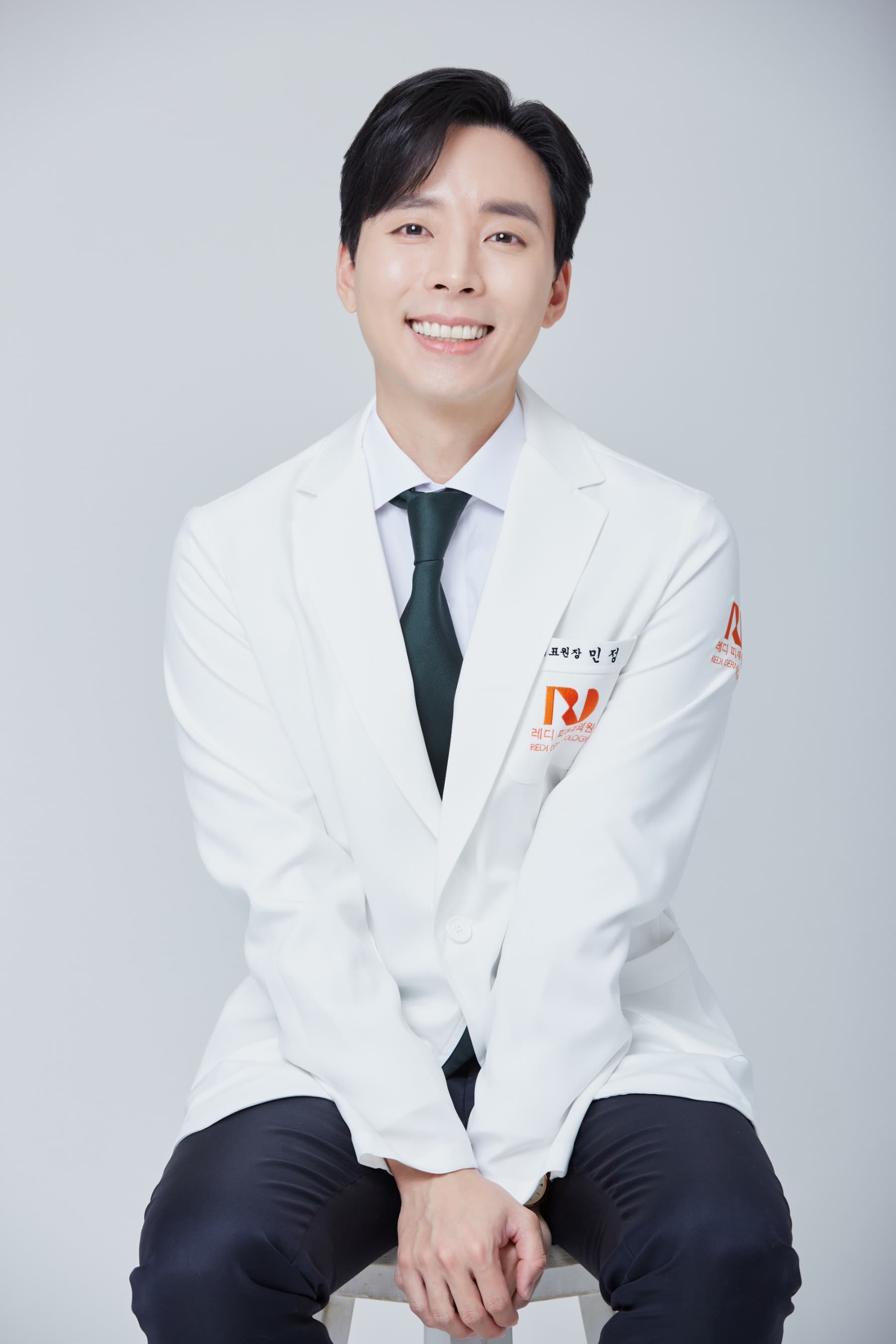
Dr. Min Jeong
Founding director, REDI Dermatology · Seoul
“A treatment isn't shopping. I'd rather diagnose first and recommend only what your skin genuinely needs — the same way I'd advise my own family.”
Board-certified dermatologist — trained at Kangbuk Samsung Hospital, and former Chief of Dermatology at the ROK Ministry of National Defense.
Juvelook Key Opinion Leader — 15,000+ vials administered, Korea's highest-volume clinic (Apr 2025). Key Opinion Leader titles are granted by device companies and carry no legal standing.
A regular speaker on clinical dermatology at Korean medical symposiums, including Juvelook clinical-experience panels.
Why international patients choose REDI
Interpreters in the room
English and Chinese, on site for your consultation and treatment.
Board-certified doctors only
Every procedure by a dermatology specialist — never unsupervised staff.
15,000+ Juvelook vials — No.1 in Korea
Hands-on volume most clinics have not reached.
Airport pickup arranged
So your first day in Seoul isn't spent lost with luggage.
Aftercare once you're home
Online follow-up, so a question next week still reaches your doctor.
Explore the treatment
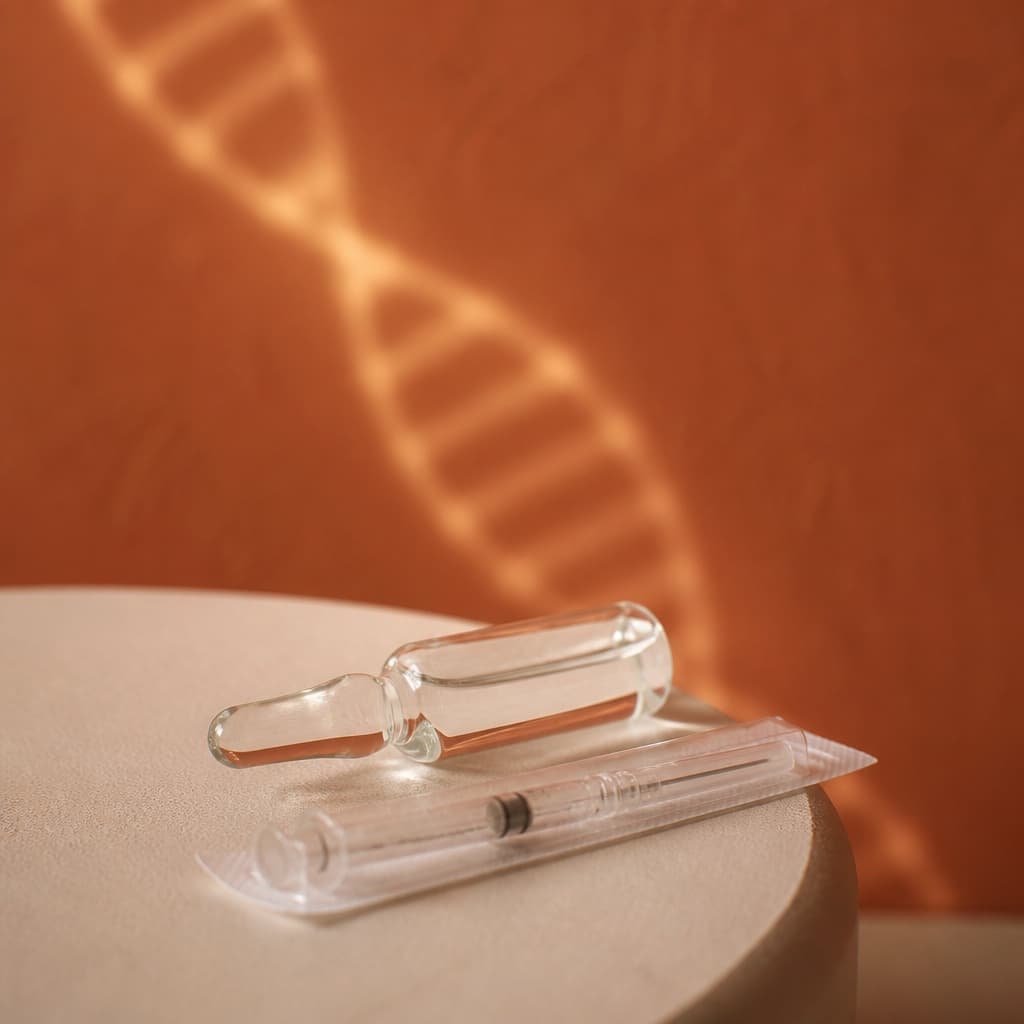
Rejuran
Rejuran Healer, a tissue-regenerating substance derived from salmon, is injected to effectively renew damaged skin. If you're sensitive to pain, Rejuran HB Plus — which contains lidocaine — offers a more comfortable treatment.
LDM
Uses high-density ultrasound to stimulate fibroblast production, soothing the skin and improving firmness.
Visit REDI Dermatology
4F & 5F, DM Tower Bldg. 2, 105 Bangbae-ro, Seocho-gu, Seoul, Korea
길찾기 (Get directions)Medically reviewed by Dr. Min Jeong · Last updated
This article is general information, not medical advice. Results vary by individual. These are elective, non-insured aesthetic treatments. Please consult a board-certified doctor about your own case.
Ask what your skin actually needs
Free online consultation