
Textured Skin: Why It Happens, and What Actually Smooths It
Hello — I'm Dr. Min Jeong, founding director of REDI Dermatology in Seoul.
Patients rarely walk in and say "I have textured skin." They say their makeup sits badly, or that their skin looks fine in the mirror and rough in a photograph, or that they have started avoiding side lighting. All of those describe the same thing, and it is one of the most common concerns I see in my consultation room. This guide is what I actually explain when someone sits down and asks me why their skin feels uneven, and what can genuinely be done about it.
What "textured skin" actually describes
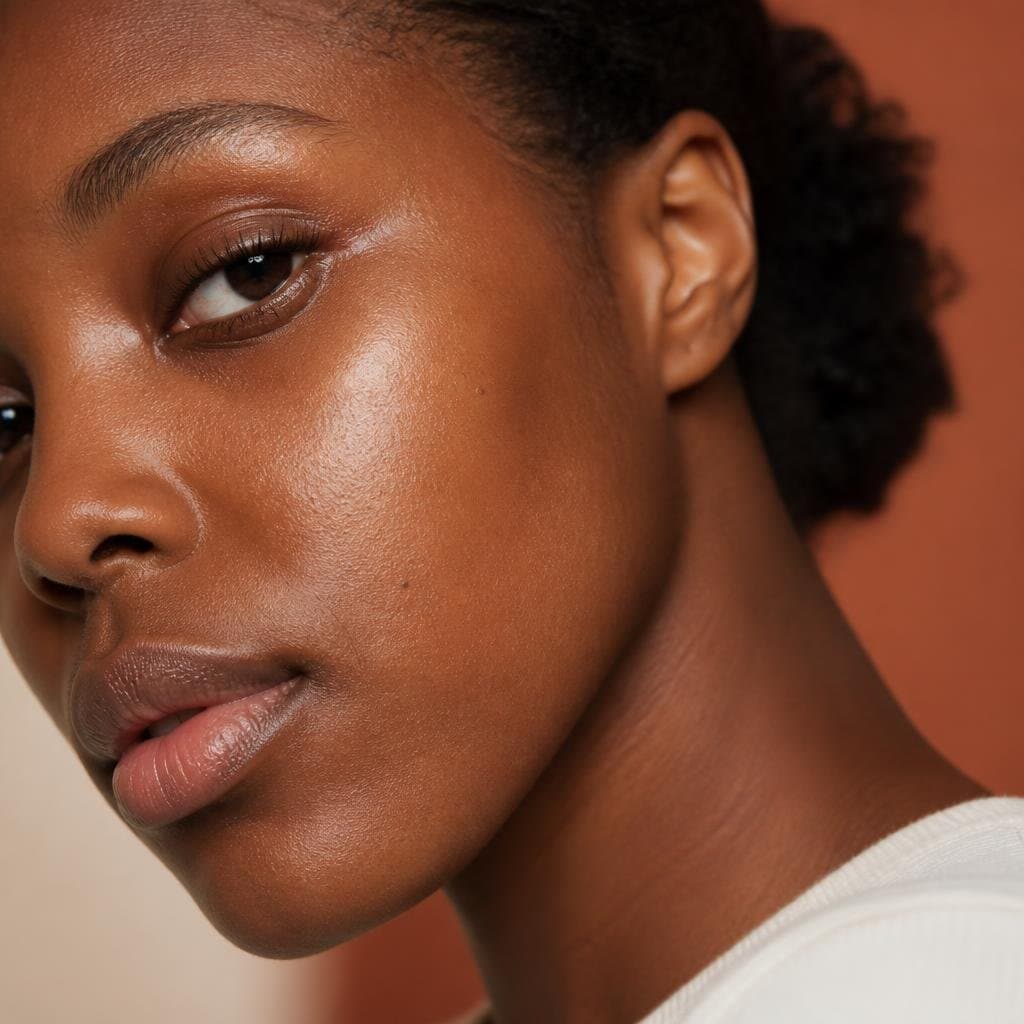
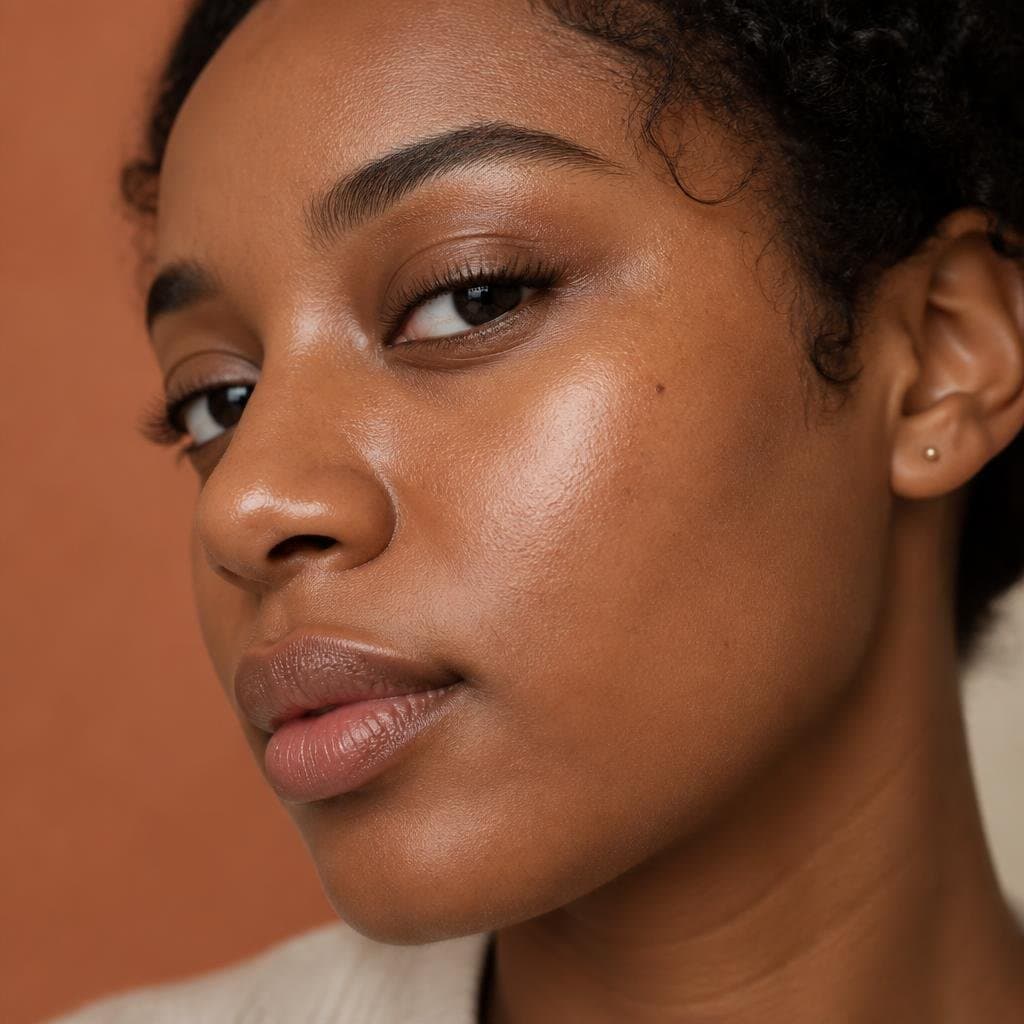
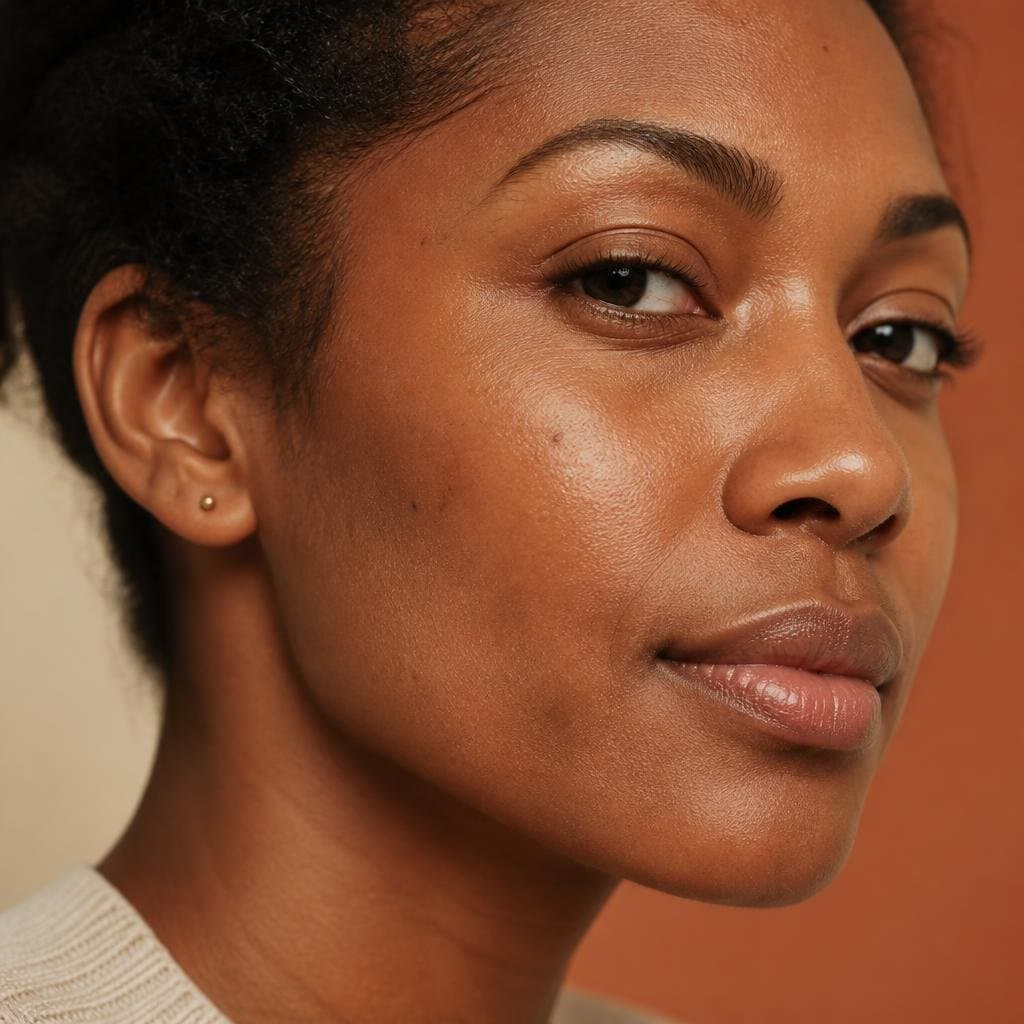
Textured skin is a description, not a diagnosis. It means light no longer reflects evenly off the surface, so the skin reads as rough rather than smooth.
That unevenness comes from the microscopic relief of the skin — tiny elevations and depressions. Enlarged pore openings create small shadows. Shallow acne scars create larger ones. A thickened layer of dead cells scatters light instead of reflecting it. Underneath all of that, the dermis provides the support that keeps the surface taut, and as that support thins, the relief becomes more visible.
This matters practically. When someone asks me to treat textured skin, my first job is to work out which of those layers is producing it, because they respond to completely different things.
The four causes I look for
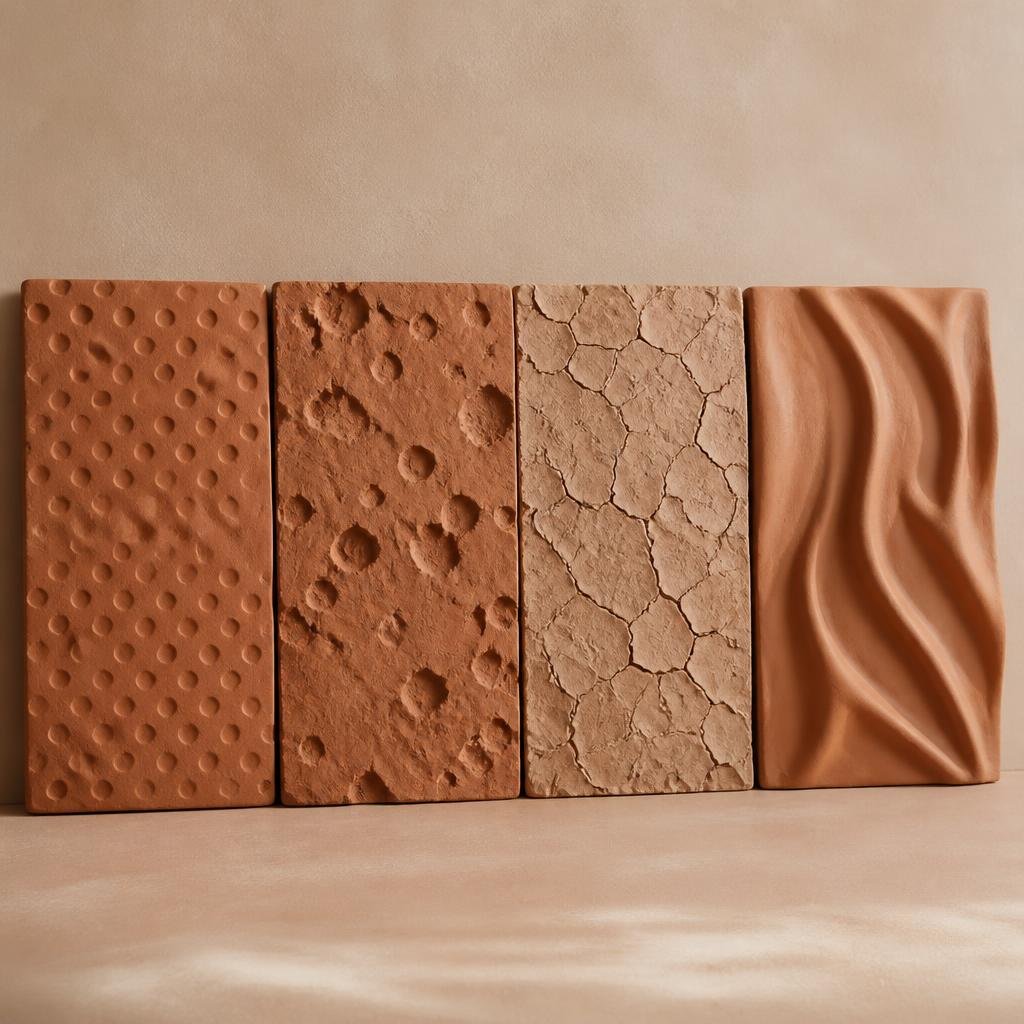
Enlarged pores. Pore openings widen when sebum output is high and when the collagen ring supporting each opening weakens. Pores cannot be closed, but the opening can be made less shadowed by firming the tissue around it.
Shallow scarring. Old acne leaves depressions with sloped or sharp edges. These are structural, and no surface treatment reaches them. They need collagen rebuilt from underneath.
Surface buildup. Dead cells that fail to shed create a diffuse roughness you can feel with a fingertip. This is the fastest to improve and the most likely to return without maintenance.
Loss of dermal support. As the underlying framework thins, everything above it sits less tightly. The same pores look larger at forty than at twenty for this reason alone.
Most people have two or three of these at once. I have rarely seen textured skin caused by only one.
How I approach it at REDI
I examine the skin under magnification before I recommend anything, because the plan differs so much by cause. That sounds obvious, but a great deal of disappointing treatment happens because a machine was chosen before the skin was read.
For surface irregularity and pore shadowing, I usually work with collagen stimulation rather than aggressive resurfacing. Juvelook is a PDLLA-based collagen booster that prompts your own collagen to rebuild over the following weeks — it works with the dermal support layer rather than stripping the surface. Rejuran Healer supports the skin's recovery environment, which matters when the barrier is already irritated and cannot tolerate much.
For indented scarring, surface work is not enough. Potenza delivers radiofrequency through microneedles at a controlled depth, so the energy lands where the scar actually sits. Where the depression is tethered from below, that tether has to be released before anything else will lift it.
The decision between these is not a preference. It follows from what I see on the skin.
What you can realistically expect
Textured skin improves gradually because collagen does. Nothing I do rebuilds dermal support overnight, and I am wary of any explanation that suggests otherwise.
What patients usually notice first is that makeup sits differently — foundation stops settling into pores and the skin catches light more evenly. That tends to arrive before any visible change in the pores themselves. Structural improvement in scarring follows much later, over months rather than weeks.
I tell people to judge the result in photographs taken under the same lighting, several weeks apart. Mirrors are unreliable for this; you see your own face too often to notice gradual change. Results vary by individual.
Downtime and how many sessions
Downtime depends entirely on depth. Surface-level work may leave a few hours of flushing. Microneedling radiofrequency can leave visible marks for several days. Collagen boosters typically leave small injection points that settle within a day or two.
Session counts follow the same logic. Surface roughness often responds within a few sessions spaced several weeks apart. Indented scarring takes longer, because you are waiting on biology rather than on a machine.
If you are flying in for a short trip, that sequencing matters more than anything else on this page. Tell us your travel dates before we plan, not after. I would rather choose a treatment that fits your flight than one that leaves you boarding a plane with a healing face.
How I think about cost
I do not quote prices in an article, because the honest answer depends on what your skin needs and how many sessions that takes. Quoting a number here would mean quoting it for someone whose skin I have not examined.
What I will commit to is that you hear the full plan before anything begins — what we are doing, how many sessions I expect, and what each stage involves. Our interpreters are in the room for that conversation, so you are deciding with full understanding rather than nodding along.
The worries patients actually raise
Will it make my skin worse first? Some treatments have a visible recovery phase. That is expected and temporary, and I will tell you before we start rather than after.
Is it safe for sensitive skin? Often yes, but it changes what I choose. A barrier that is already compromised cannot take aggressive resurfacing, and pushing it produces irritation rather than improvement.
Will anyone understand me? English- and Chinese-speaking interpreters are on site for both the consultation and the treatment itself, so you are not relying on gestures at the moment it matters.
Coming from overseas
Airport pickup is arranged if you want it, and aftercare continues online once you are home — which matters for textured skin specifically, because most of the visible change happens after you have left Korea. Being able to send me a photograph at week four is more useful than one more appointment while you are here.
Takeaways
Textured skin is almost never one problem. It is usually pores, old scarring, surface buildup and thinning dermal support in some combination, and the treatment that helps depends on which of those dominates in your skin.
Improvement is real but gradual, it is judged in photographs rather than mirrors, and it is maintained rather than finished. If you are planning a trip around it, plan the treatment around the flight rather than the other way round.
Frequently asked
What causes textured skin?
Rough texture is usually several things at once: enlarged pores, shallow acne scarring, dead cell buildup, and loss of dermal support as collagen thins. Because the causes differ, the treatment that helps one person may do very little for another, which is why I examine the skin before recommending anything.
Can textured skin be fixed permanently?
Texture can be improved substantially, but skin keeps ageing and pores do not disappear. I describe it to patients as resetting the surface and then maintaining it, rather than a one-time fix. Results vary by individual.
How many sessions does textured skin usually need?
It depends on the cause and depth. Surface irregularity often responds within a few sessions spaced several weeks apart, while indented scarring takes longer because collagen has to rebuild. We will plan a realistic number at your consultation rather than quoting one in advance.
Is there downtime for textured skin treatment?
It ranges from a few hours of flushing to several days of visible crusting, depending on which treatment we choose and how deep we work. If you are visiting Korea on a short trip, tell us your flight date first and I will plan around it.
Can I treat textured skin and pigmentation at the same visit?
Sometimes, and sometimes it is better to separate them. Stacking treatments can raise irritation for sensitive skin. I would rather stage them properly than compress everything into one appointment and manage the consequences afterwards.
Keep reading
More on this from Dr. Min Jeong.
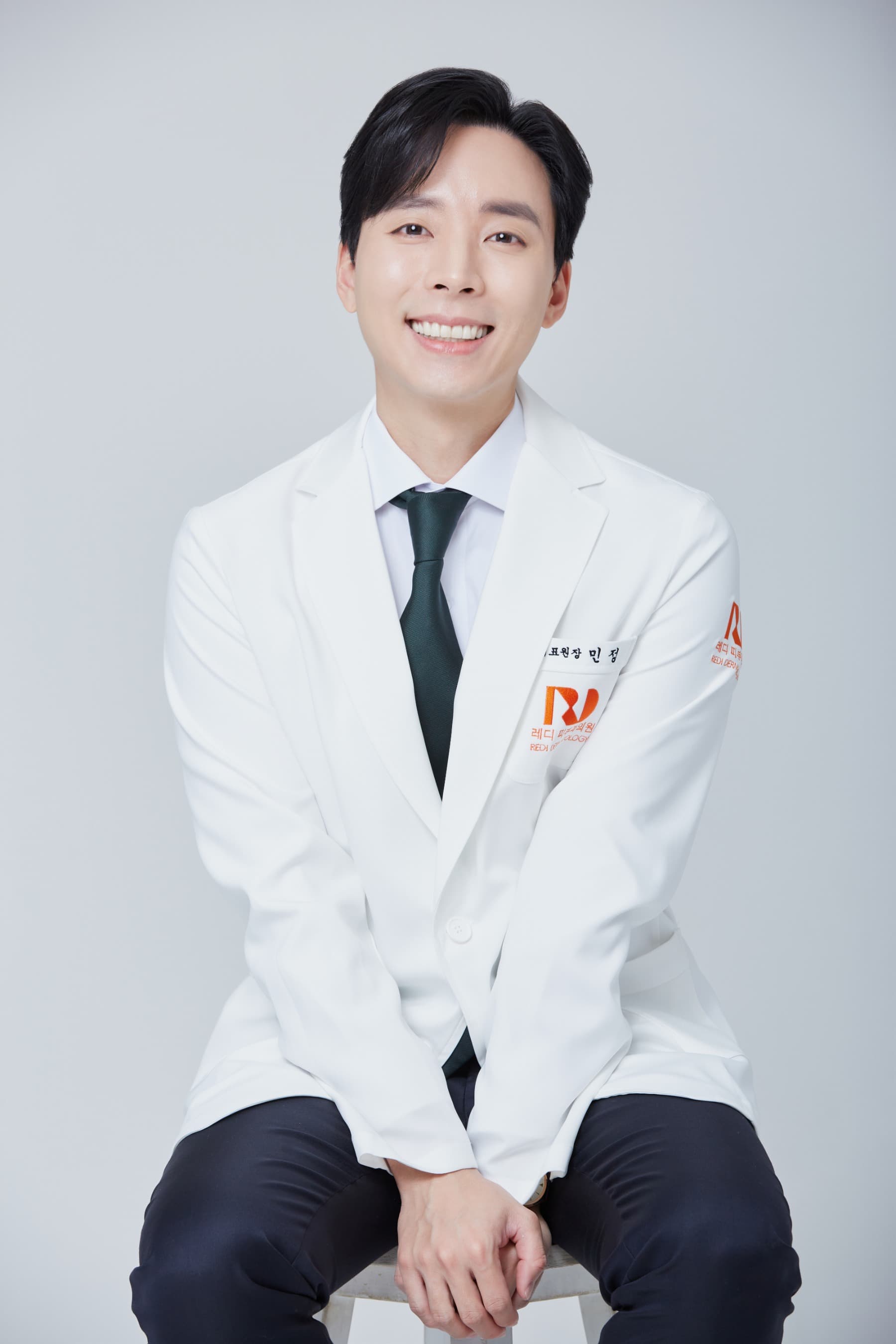
Dr. Min Jeong
Founding director, REDI Dermatology · Seoul
“A treatment isn't shopping. I'd rather diagnose first and recommend only what your skin genuinely needs — the same way I'd advise my own family.”
Board-certified dermatologist — trained at Kangbuk Samsung Hospital, and former Chief of Dermatology at the ROK Ministry of National Defense.
Juvelook Key Opinion Leader — 15,000+ vials administered, Korea's highest-volume clinic (Apr 2025). Key Opinion Leader titles are granted by device companies and carry no legal standing.
A regular speaker on clinical dermatology at Korean medical symposiums, including Juvelook clinical-experience panels.
Why international patients choose REDI
Interpreters in the room
English and Chinese, on site for your consultation and treatment.
Board-certified doctors only
Every procedure by a dermatology specialist — never unsupervised staff.
15,000+ Juvelook vials — No.1 in Korea
Hands-on volume most clinics have not reached.
Airport pickup arranged
So your first day in Seoul isn't spent lost with luggage.
Aftercare once you're home
Online follow-up, so a question next week still reaches your doctor.
Explore the treatment
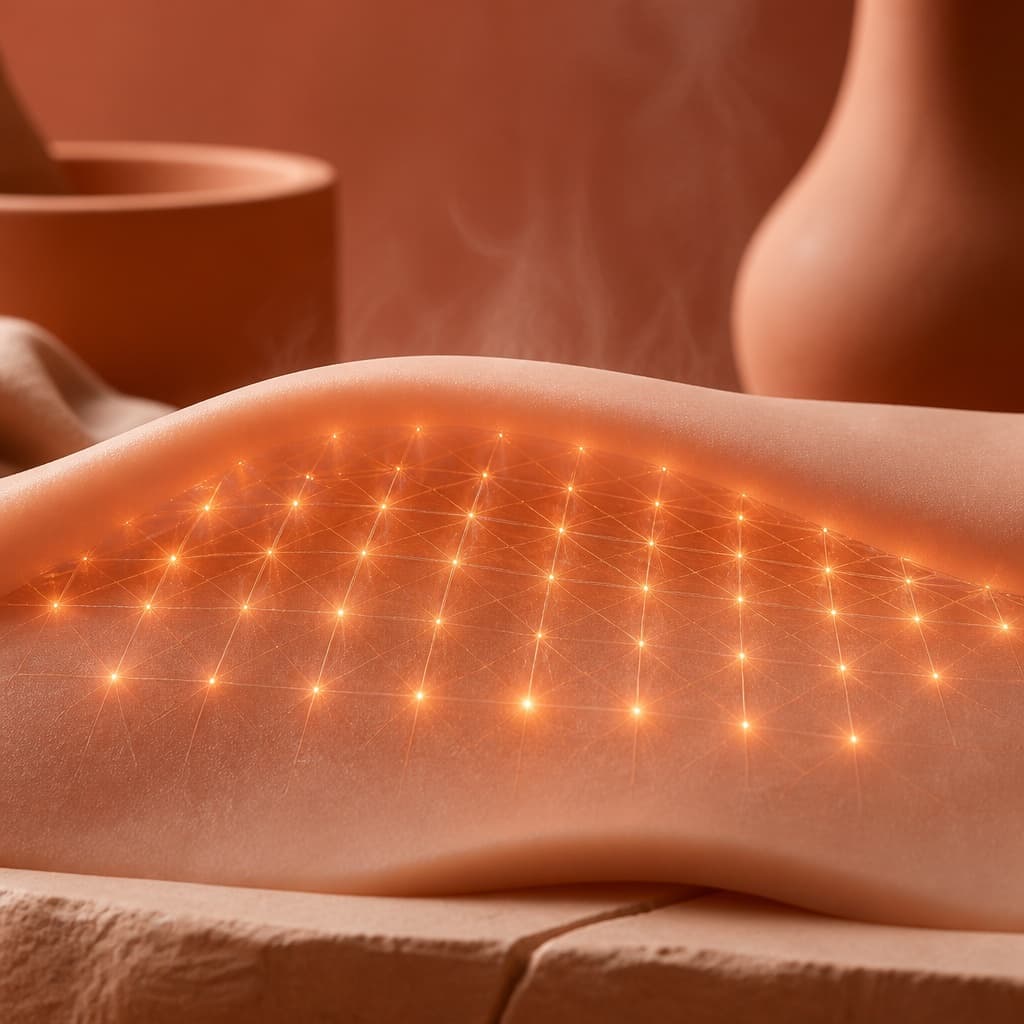
Potenza
Minimal pain with little disruption to daily life. Microneedles are safely inserted into the dermis to deliver radiofrequency heat, improving acne and pores while boosting firmness.
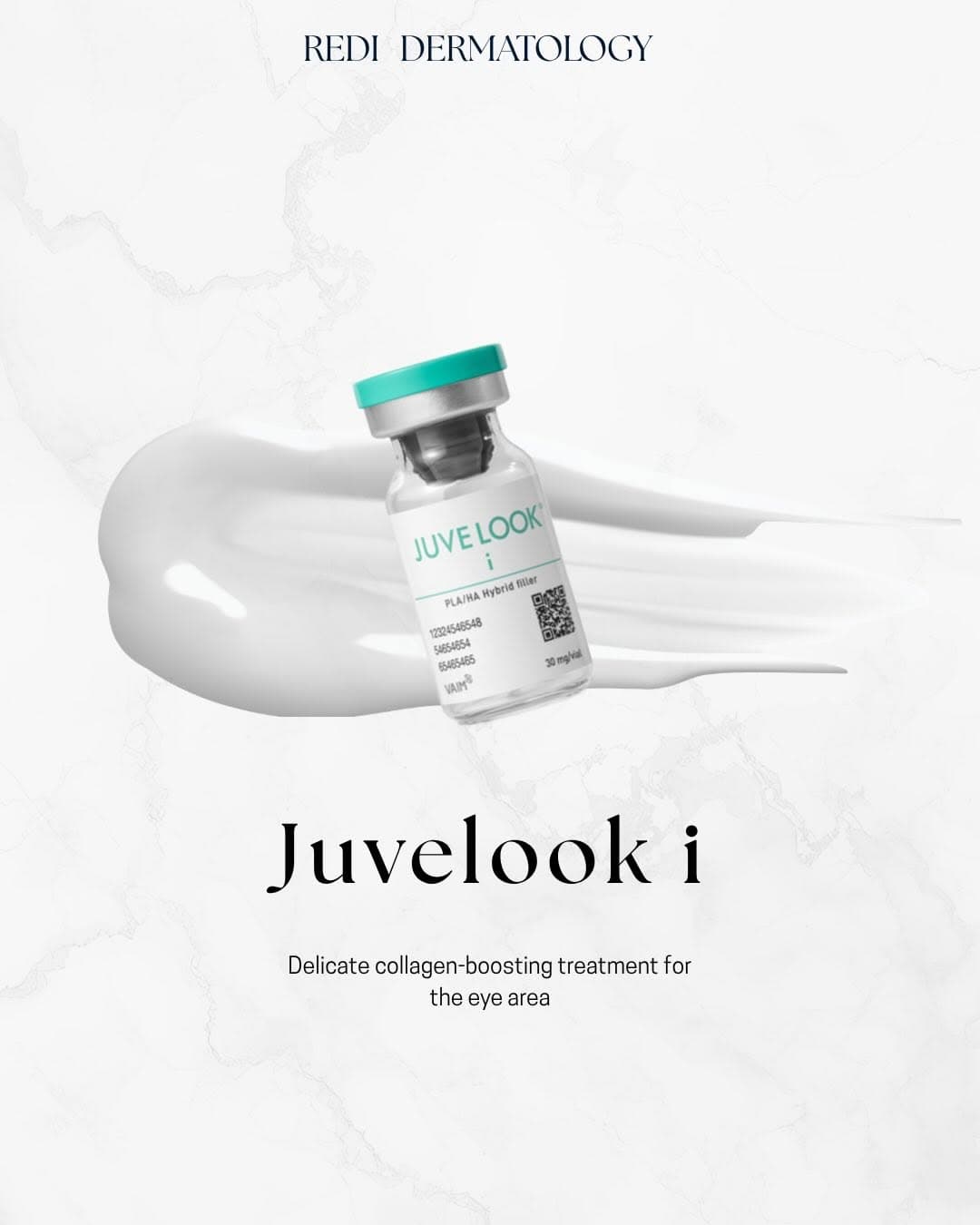
Juvelook Skin Booster
Juvelook is a PDLLA (poly-D,L-lactide) collagen booster that stimulates your skin's own collagen production to improve pores, firmness, fine lines, scars, and overall tone. Unlike a filler that simply adds volume, it helps the skin rebuild itself, so results develop naturally over time. At REDI, the blend and hydration protocol was refined by our Juvelook key doctor, and we match the delivery method — Dermashine Pro, Potenza, MIRAJET, Double Tite, and more — to your specific skin condition. With 15,000+ vials of hands-on experience, we know that the same product can deliver very different results depending on technique.
Rejuran Healer & Rejuran HB Plus
Rejuran Healer, a tissue-regenerating substance derived from salmon, is injected to effectively renew damaged skin. If you're sensitive to pain, Rejuran HB Plus — which contains lidocaine — offers a more comfortable treatment.
Visit REDI Dermatology
4F & 5F, DM Tower Bldg. 2, 105 Bangbae-ro, Seocho-gu, Seoul, Korea
길찾기 (Get directions)Medically reviewed by Dr. Min Jeong · Last updated September 23, 2026
This article is general information, not medical advice. Results vary by individual. These are elective, non-insured aesthetic treatments. Please consult a board-certified doctor about your own case.
Ask what your skin actually needs
Free online consultation