
Skin Texture Treatment in Korea: What Actually Smooths Rough Skin (A Dermatologist Explains)
Why "rough texture" is never just one problem
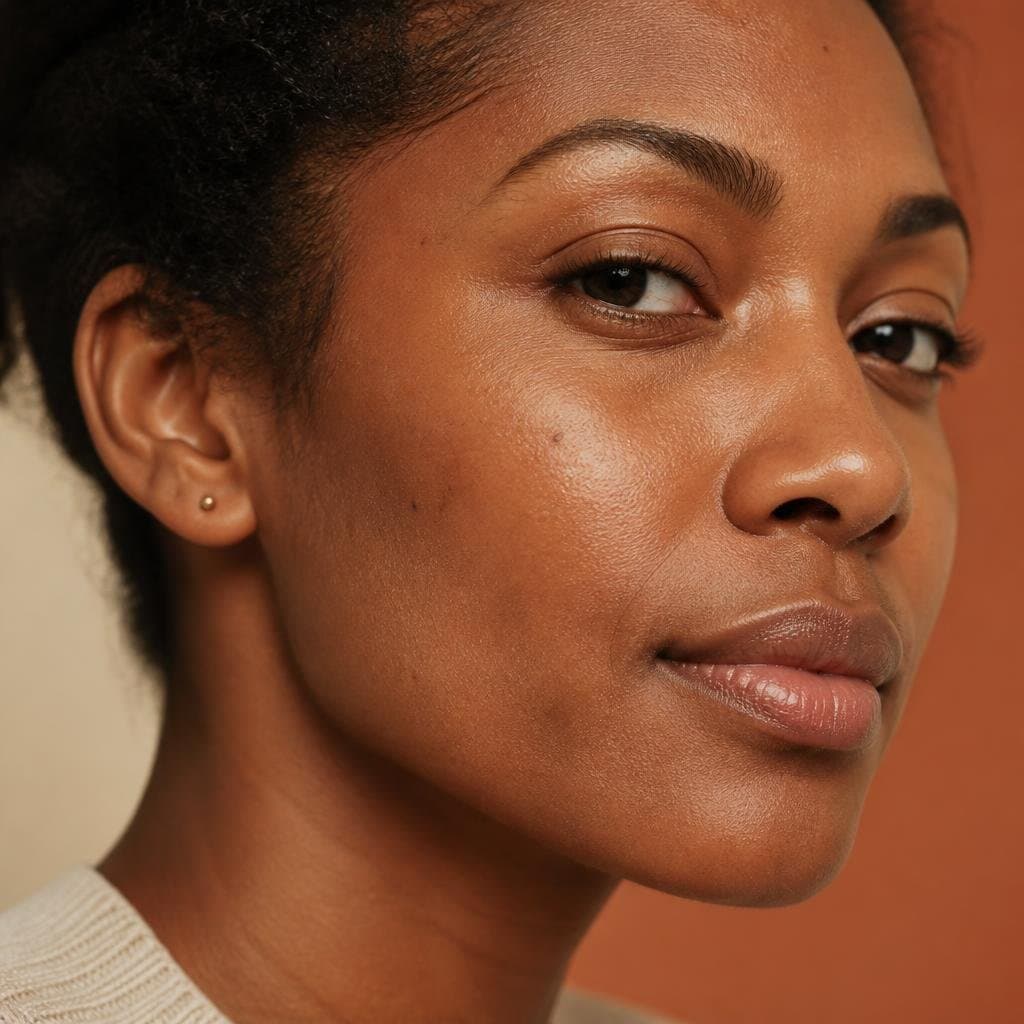
Hello, I'm Dr. Min Jeong, and I run REDI Dermatology in Seoul. If you've searched for skin texture treatment in Korea, you've probably noticed the same thing I hear in my consultation room every week: everyone means something slightly different by "texture." For one person it's enlarged pores across the cheeks. For another it's the papery, crepey look of thinning skin. For someone else it's shallow acne scars, or a dull, uneven surface that never quite reflects light evenly. Please read to the end — because the honest answer is that the right treatment depends entirely on which of those you actually have, and choosing wrong is how people spend money without seeing a difference.
So rather than sell you a single miracle procedure, I want to walk you through how I actually think about rough texture: what's happening underneath, which tools address which cause, and what a realistic timeline looks like — especially if you're flying in from abroad.
What's actually causing your texture
Before any device, I diagnose the layer that's driving the problem. Broadly, rough texture comes from three places.
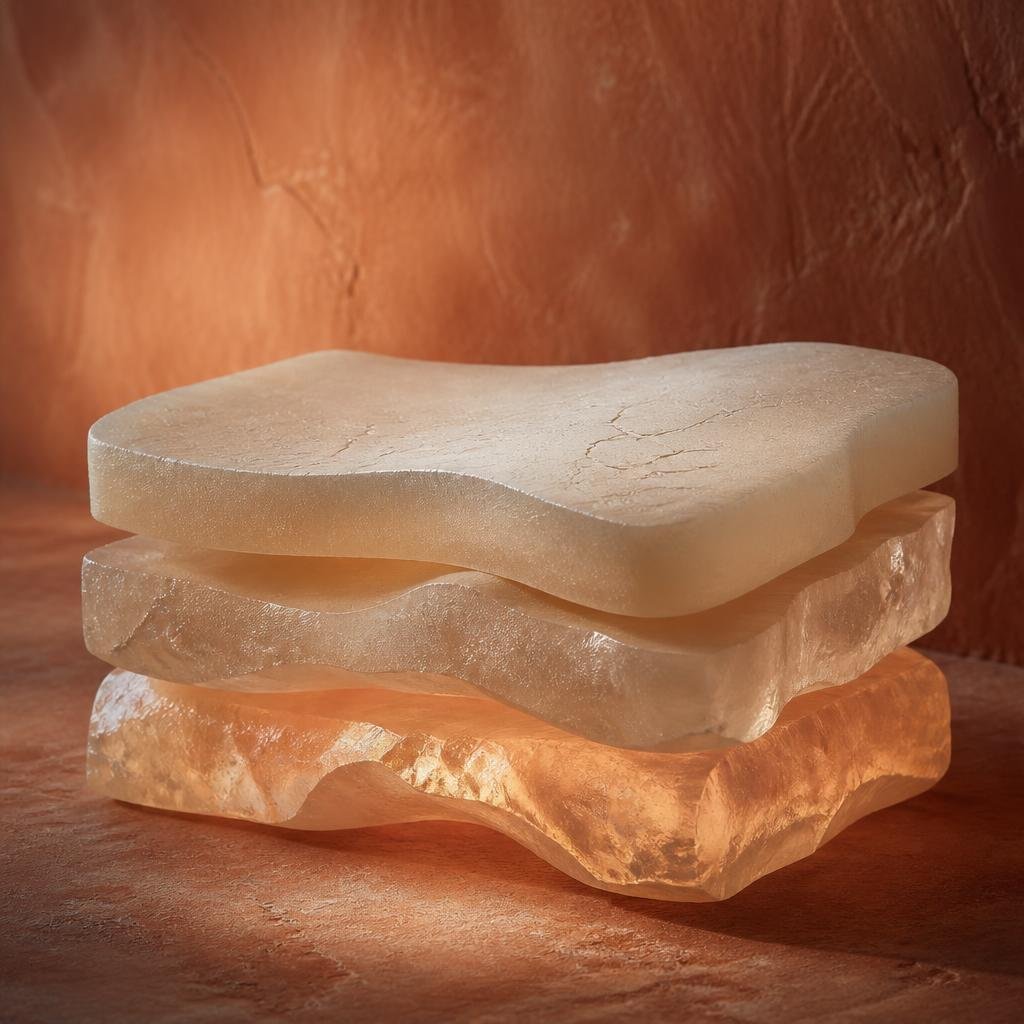
The surface layer holds sun damage, roughness, and shallow irregularities — this responds to resurfacing. The dermis, deeper down, is where collagen and elastin have thinned, which is why skin can look crepey or feel like it's lost its "bounce." And the pore and scar environment — the fibrous, textured tissue around enlarged pores and old acne marks — sits between the two. Most people who describe "rough skin" actually have a mix of all three, which is why a single treatment rarely fixes everything. The plan matters more than any one machine.
Collagen boosters: rebuilding texture from the inside
If your texture problem is dryness, thinning, and an overall lack of smoothness, I usually start below the surface. Juvelook is a PDLLA collagen booster — and this is an important distinction — it is not a filler. A filler simply adds volume to a space; Juvelook stimulates your own skin to produce collagen, so texture, fine lines, and firmness improve gradually and naturally over weeks to months.
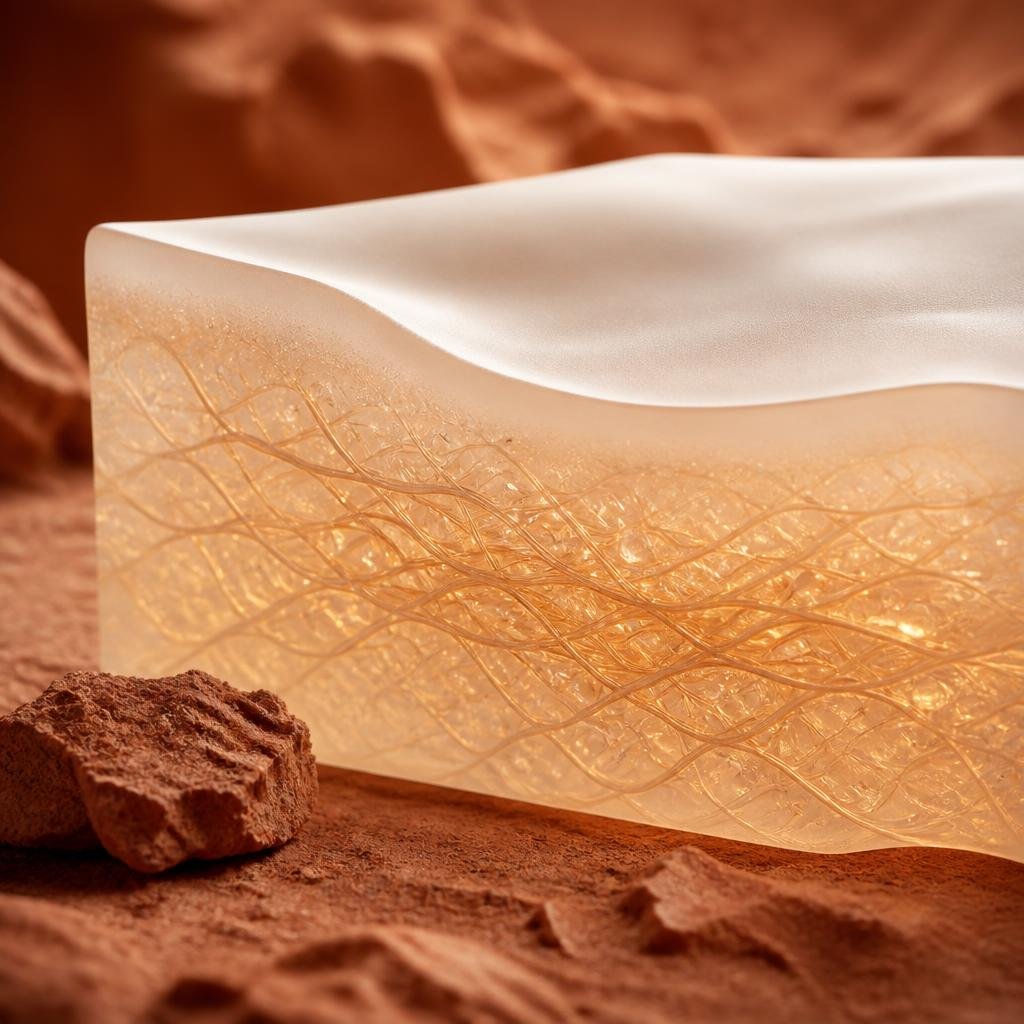
Most people need about three Juvelook sessions spaced roughly four to six weeks apart, with skin looking hydrated fairly quickly and firmness developing from around two to four weeks onward. At REDI, our Juvelook key doctor refined the blend and hydration protocol, and we match the delivery method — whether that's a microinjection device or a needle-free jet — to your specific skin. With 15,000+ vials of hands-on experience, one thing I can tell you plainly is that the same product delivers very different results depending on technique. If you're weighing options here, my write-up on choosing the right skin booster goes deeper into how I decide. Results vary by individual.
Microneedle RF and lasers: refining pores and resurfacing
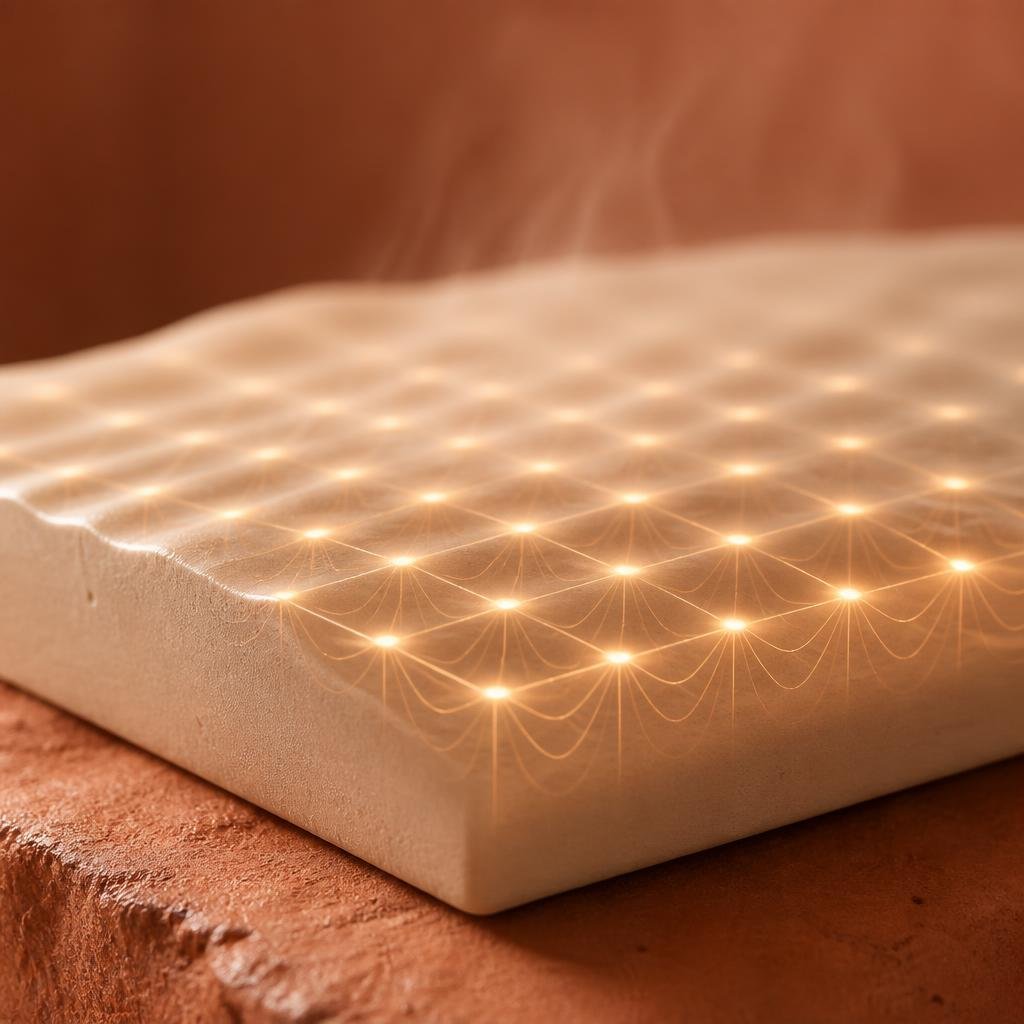
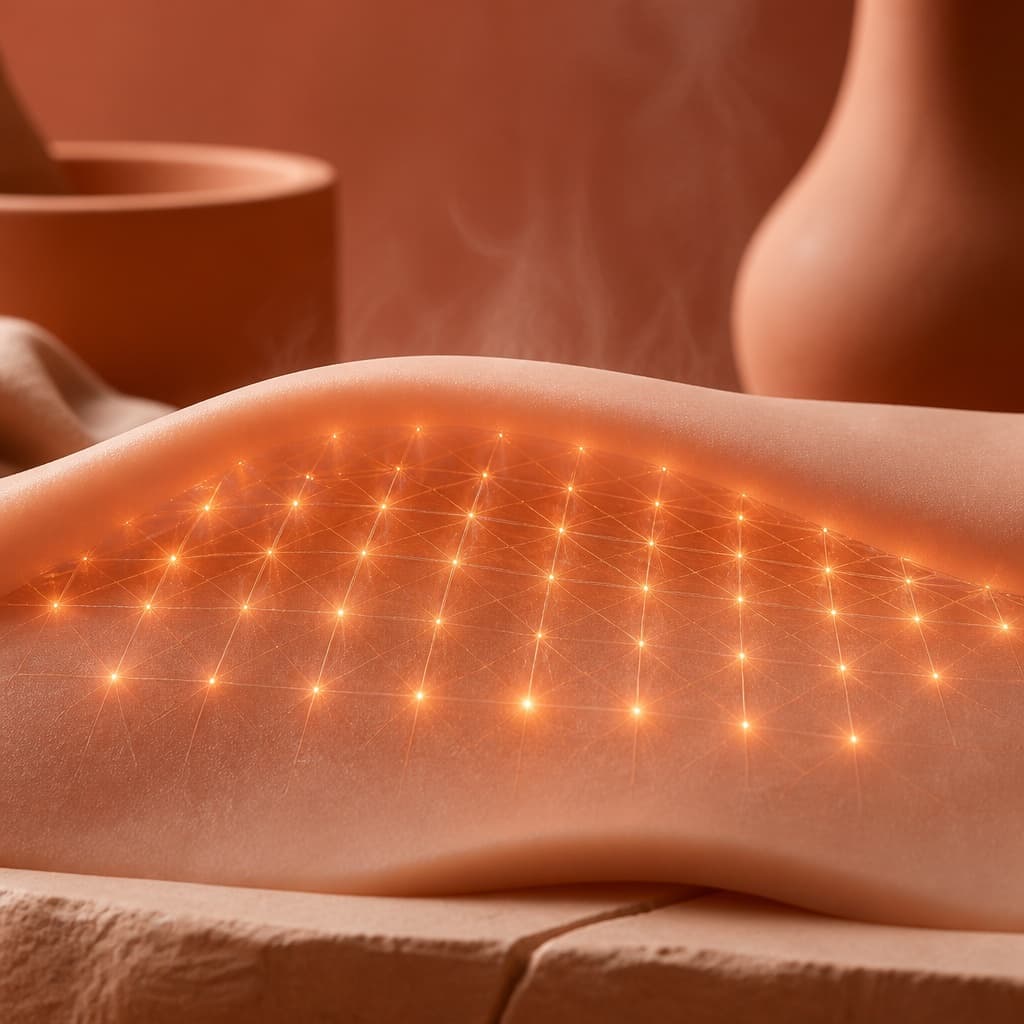
When pores and old acne marks are the main texture complaint, I move to treatments that stimulate the dermis more directly. Potenza uses microneedle radiofrequency — fine needles deliver heat into the dermis to refine pores and scars while boosting firmness, with relatively little pain and usually one to three days of possible redness. For surface-level roughness and shallow scarring, a fractional picosecond laser can resurface without heavily damaging the surface, creating micro-channels that prompt collagen renewal.
The device choice here really matters for international patients with deeper skin tones. Some lasers carry more pigment risk on Fitzpatrick IV–VI skin, so I diagnose your skin type and adjust settings — or choose a gentler route — rather than running one fixed protocol on everyone. If acne scars are your specific concern, I've written a fuller honest guide to acne scar treatment that covers what's realistic. Results vary by individual, and these are elective, non-insured aesthetic treatments.
Planning your trip: timeline and downtime
Because so many of my patients fly in for a short window, I plan texture treatments around travel rather than the other way around. Here's how downtime generally falls:
- Day 0: Gentle boosters and needle-free delivery have little to no downtime. Microneedle RF and fractional lasers may leave redness or mild swelling.
- Day 1–3: Redness and minor swelling from RF or laser treatments typically settle. Small temporary bumps from a collagen booster usually calm within 24–48 hours.
- Week 1 onward: Skin looks and feels calmer. For collagen boosters, the real texture change is still building over the following weeks and months.
If your itinerary is tight, I usually favour treatments with minimal downtime for the trip itself, and we continue your plan through online aftercare once you're home. For a fuller breakdown, my guide on how many days to budget in Korea is a practical place to start. We have English- and Chinese-speaking interpreters on site, I handle everything from your consultation through the treatment itself, and pricing is discussed transparently at your consultation — no guessing from a menu online.
Takeaways
- "Rough texture" is rarely one problem — it usually comes from the surface, the dermis, and the pore/scar environment at once, so the diagnosis matters more than any single machine.
- Juvelook and other collagen boosters rebuild texture gradually from the dermis; Potenza and lasers refine pores and resurface the surface.
- Downtime ranges from little to none up to 1–3 days of redness — we plan around your travel so it settles before you fly.
- Darker skin tones need careful device and setting choices; this is why I diagnose first and adjust rather than applying one fixed protocol.
- These are elective, non-insured treatments, and results vary by individual — the honest plan comes after seeing your skin, not before.
Frequently asked
What is the best skin texture treatment in Korea?
There is no single best one — it depends on why your texture is rough. Collagen boosters like Juvelook rebuild the dermis for overall smoothness, microneedle RF such as Potenza refines pores and firmness, and fractional lasers resurface the surface. At REDI we diagnose the cause first, then match the method. Results vary by individual.
How many sessions do I need to improve skin texture?
It depends on the treatment and your starting point. A collagen booster like Juvelook usually involves about 3 sessions spaced roughly 4–6 weeks apart, while some resurfacing and RF treatments are planned as a short series. We set the exact plan together after diagnosis.
Is skin texture treatment safe for darker skin tones?
Many texture treatments can be adapted for Fitzpatrick IV–VI, but device choice and settings matter, since some lasers carry more pigment risk on deeper tones. This is exactly why we diagnose first and adjust intensity rather than applying one fixed protocol. Results vary by individual.
How much downtime should I expect?
It ranges from little to none for gentle boosters and needle-free delivery, up to 1–3 days of redness or mild swelling for microneedle RF and fractional lasers. We plan the treatment around your travel dates so redness settles before you fly.
Is this an insured medical treatment?
No — these are elective, non-insured aesthetic treatments. Pricing is discussed transparently at your consultation.
Keep reading
More on this from Dr. Min Jeong.

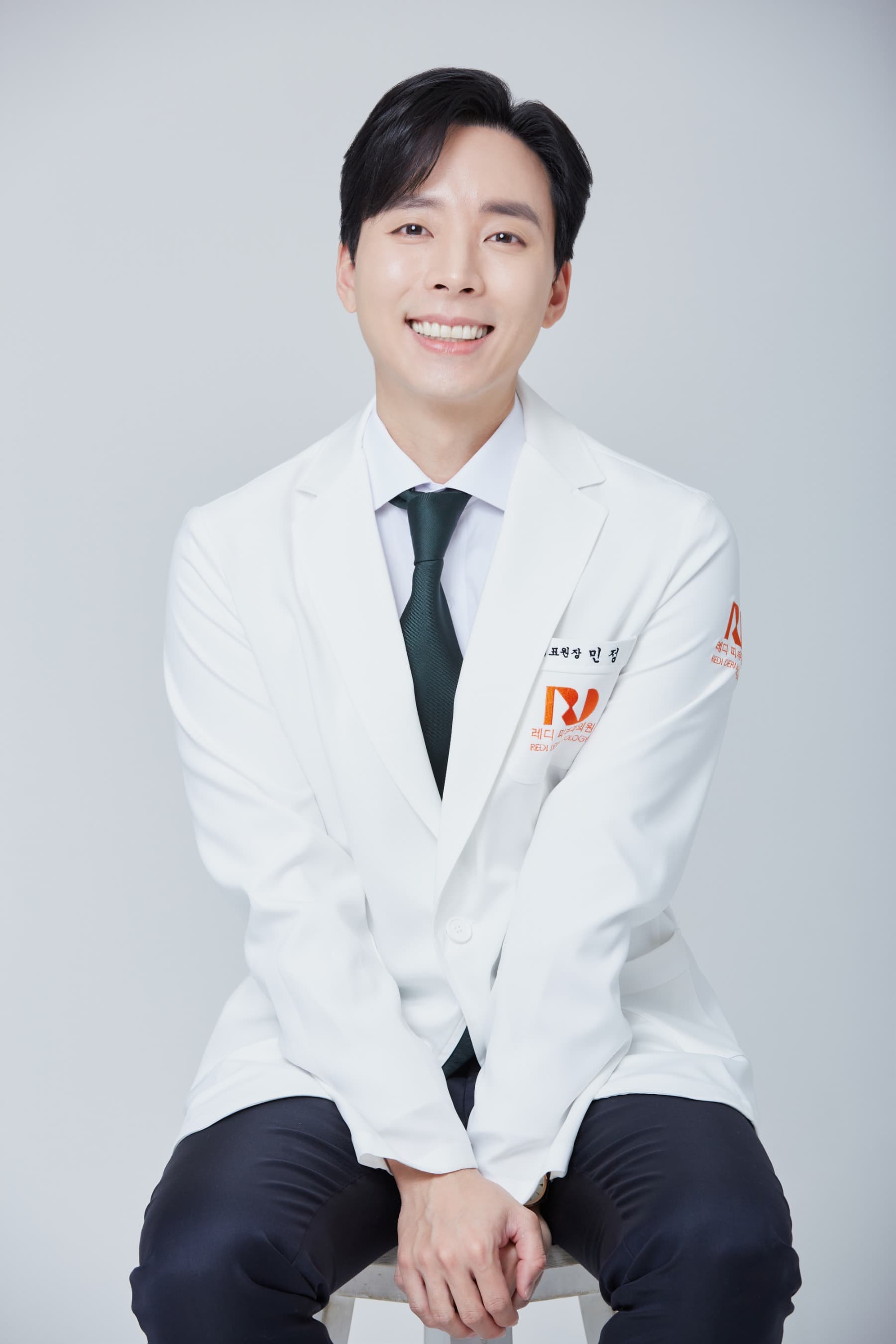
Dr. Min Jeong
Founding director, REDI Dermatology · Seoul
“A treatment isn’t shopping. I’d rather diagnose first and recommend only what your skin genuinely needs — the same way I’d advise my own family.”
Board-certified dermatologist — trained at Kangbuk Samsung Hospital, and former Chief of Dermatology at the ROK Ministry of National Defense.
Recognized by VAIM as Korea's highest-volume Juvelook injector, with 15,000+ vials of hands-on experience; KOL for MIRAJET, Potenza and Oligio.
A regular speaker on clinical dermatology at Korean medical symposiums, including Juvelook clinical-experience panels.
Why international patients choose REDI
Interpreters in the room
English and Chinese, on site for your consultation and treatment.
Board-certified doctors only
Every procedure by a dermatology specialist — never unsupervised staff.
15,000+ Juvelook vials
Hands-on volume most clinics have not reached.
Airport pickup arranged
So your first day in Seoul isn't spent lost with luggage.
Aftercare once you're home
Online follow-up, so a question next week still reaches your doctor.
Explore the treatment
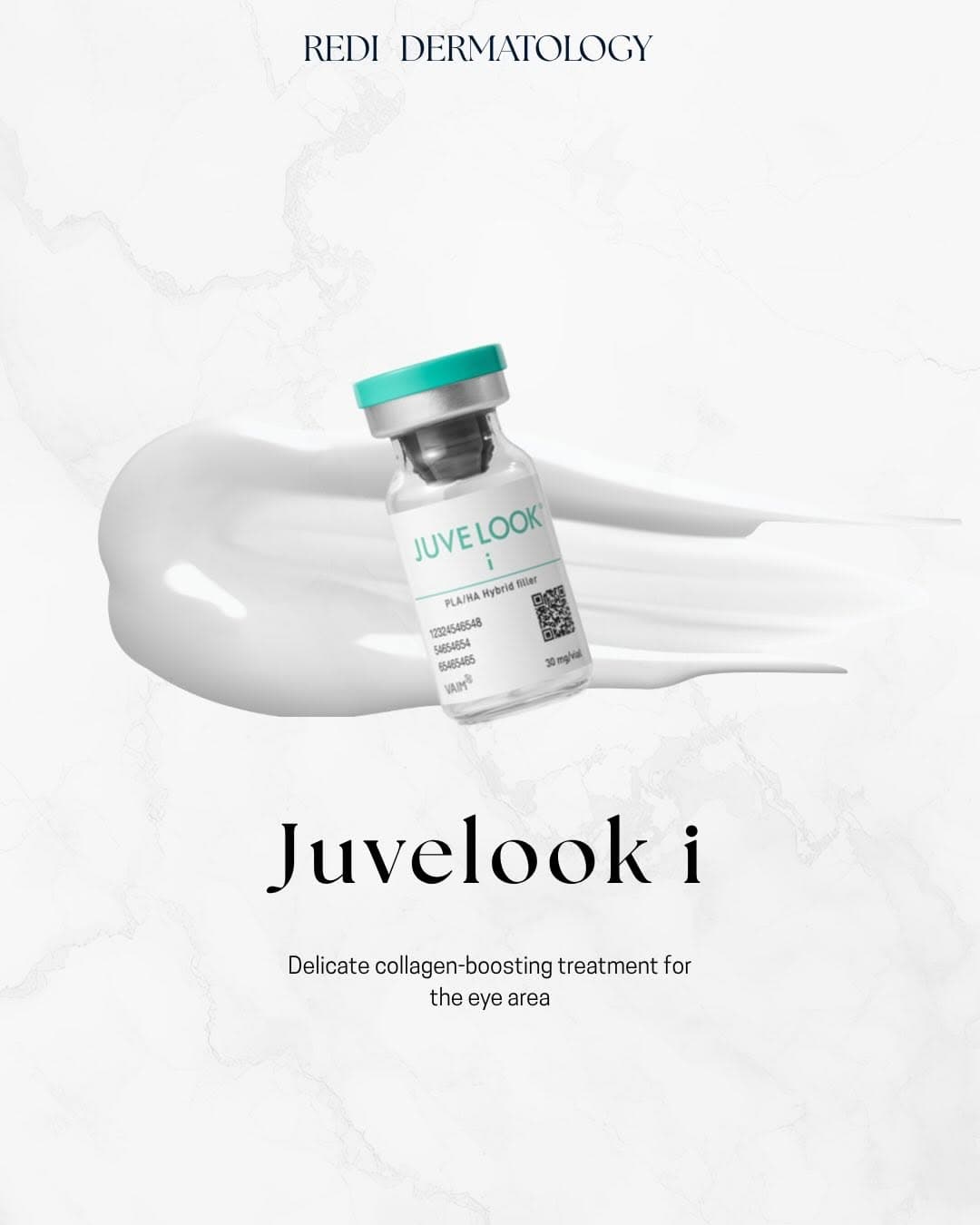
Juvelook Skin Booster
Juvelook is a PDLLA (poly-D,L-lactide) collagen booster that stimulates your skin's own collagen production to improve pores, firmness, fine lines, scars, and overall tone. Unlike a filler that simply adds volume, it helps the skin rebuild itself, so results develop naturally over time. At REDI, the blend and hydration protocol was refined by our Juvelook key doctor, and we match the delivery method — Dermashine Pro, Potenza, MIRAJET, Double Tite, and more — to your specific skin condition. With 15,000+ vials of hands-on experience, we know that the same product can deliver very different results depending on technique.
Potenza
Minimal pain with little disruption to daily life. Microneedles are safely inserted into the dermis to deliver radiofrequency heat, improving acne and pores while boosting firmness.
Visit REDI Dermatology
4F & 5F, DM Tower Bldg. 2, 105 Bangbae-ro, Seocho-gu, Seoul, Korea
길찾기 (Get directions)Medically reviewed by Dr. Min Jeong, board-certified dermatologist · Last updated September 8, 2026
This article is general information, not medical advice. Results vary by individual. These are elective, non-insured aesthetic treatments. Please consult a board-certified doctor about your own case.