
Acne Scar Treatment in Korea: A Dermatologist's Honest Guide to What Actually Works

Why I wanted to write this one carefully
Hello, I'm Dr. Min Jeong, director of REDI Dermatology in Seoul. Acne scars are one of my main focus areas — I lecture on scar treatment to other dermatologists, and it's a topic I care about deeply. So if you're reading this because you're frustrated by scars that acne left behind, I'd gently ask you to read all the way to the end. Acne scar treatment in Korea is often marketed with big promises, and I'd rather give you an honest picture of what's realistic, how it's planned, and what a visit actually looks like when you're flying in from abroad.
Here's the truth I tell every patient in consultation: acne scar treatment is one of the harder things we do in dermatology. There's no single machine that fixes everything, and that's not a sales problem — it's the nature of scars. Let me walk you through why.
First, your scars are not all the same type
The single most important step — and the one I emphasized most when I lectured on this — is correctly classifying the scars before touching them. Most people have more than one type at once, which is exactly why one-size-fits-all treatment disappoints.
The three classic depressed acne scar types are:
- Icepick scars — very narrow and deep, like a tiny puncture.
- Rolling scars — round, wide, and tethered from underneath so they pull the surface down.
- Boxcar scars — box-like depressions; the difference from rolling scars is whether the edges drop sharply or gradually.
Why does this matter so much? Because each shape responds best to a different tool. A narrow, deep icepick scar needs something focal; a tethered rolling scar needs its underlying bands released; textured, shallower scarring responds to resurfacing and collagen stimulation. Treating all of them with the same setting is how people end up underwhelmed — or worse, with skin that feels more sensitive afterward.
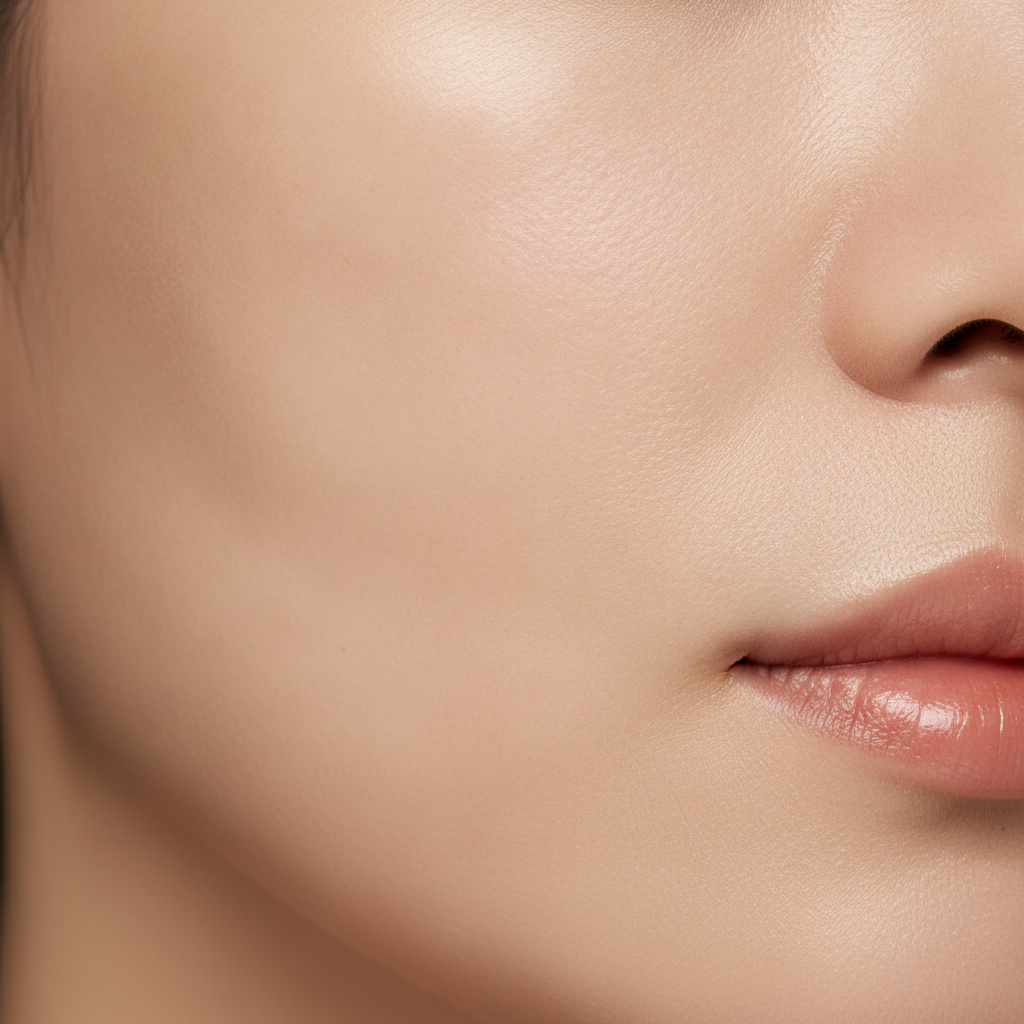
The tools I actually use for acne scar treatment in Korea
At REDI, acne scar treatment is a toolbox, not a single button. After diagnosis I match the method — often combining a few — to your specific scar mix. Here are the main ones in our pore & scar treatment menu:
- Potenza (microneedle RF) — microneedles deliver radiofrequency heat into the dermis to work on scars and pores while boosting firmness, with relatively little disruption to daily life. Downtime is roughly 1–3 days of possible redness or swelling.
- Legato (microneedle RF) — creates micro-channels in the fibrous tissue of scars to stimulate collagen, and it has an anti-inflammatory effect that also helps active inflammatory acne.
- Subcision — a needle releases the fibrous bands tethering a rolling scar's base, addressing a root cause of the indentation so new tissue can fill in. Often combined with other methods.
- CROSS — high-concentration TCA applied focally to deep, narrow icepick scars to prompt regeneration at that exact spot.
- Fractional Picosecond Laser — creates microscopic channels to stimulate surrounding collagen and soften scars, and also helps with pigment and dullness.
- Ultra Clear — a cold-ablative laser to refine surface texture, pores, and mild scars with relatively lower thermal burden.
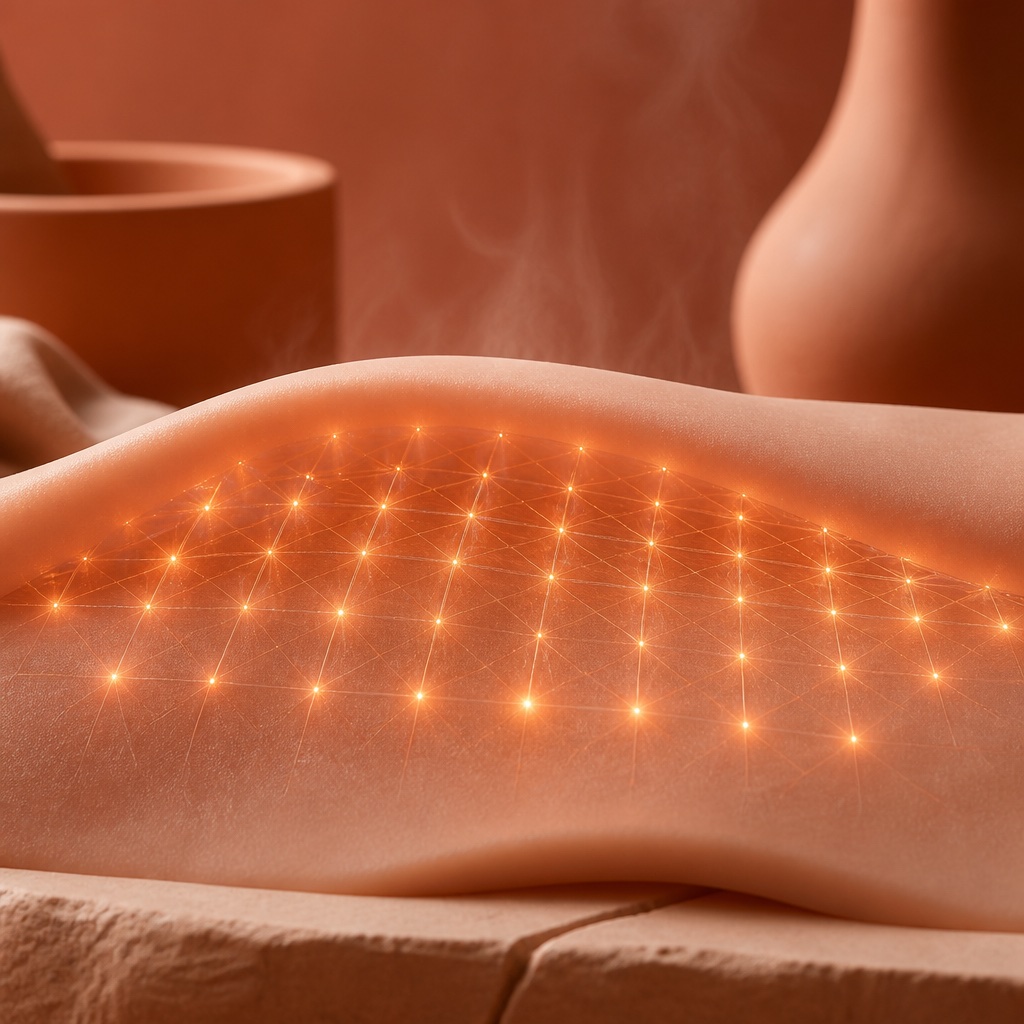
Don't just chase the scars — treat skin quality
This is the heart of what I teach. When I lectured on combination treatment for acne scars, my core message was this: after scar treatment, no one should walk away saying their skin became more sensitive. And you shouldn't fixate only on the pitted scars while ignoring overall tone, redness, and firmness.
So in real practice I often pair scar work with collagen and skin-quality support. A Juvelook collagen booster — a PDLLA booster that stimulates your own collagen — can help soften scars and improve texture around pores, and it's something I have deep hands-on experience with. Where redness from healed acne is the main leftover issue, a 595 nm Vbeam Perfecta laser can target red post-acne marks. The plan is always built around your skin, not a fixed protocol. Results vary by individual.
Realistic timelines and downtime — planned around your flight
If you're travelling to Korea specifically for this, timing matters. Here's the honest picture I give international patients:
- Scars need a series, not one session. Small or early scars respond faster; deeper, long-standing scars take more sessions. People who come in early — before scars fully set — typically need fewer sessions than those who've had them for years.
- Downtime varies by method. Microneedle RF (Potenza, Legato, Double Tite) usually means 1–3 days of possible redness or swelling. CROSS and Subcision can mean 3–5 days with crusting or redness. Non-ablative options like MIRAJET have little to no downtime.
A rough travel-planning view for a resurfacing or RF-based session:
- Day 0: Treatment. Redness, sometimes mild swelling.
- Day 1–3: Redness settling; for CROSS/Subcision, possible crusting.
- Day 5–7: Most surface redness usually calming for many people.
If you can only visit once, we'll be honest about what a single trip can achieve and set up online aftercare for when you're back home. Because scars need a series, many patients plan an initial in-person visit and continue guidance remotely — and we can layer in additional sessions on future trips.
Coming in from abroad — and different skin tones
Two practical points I want you to feel reassured about.
Language. We have English and Chinese interpreters on site, and you can start a consultation with me over WhatsApp before you ever book a flight. I personally handle the consultation through to the treatment, so you're not passed around.
Skin tone. Post-acne marks show up differently depending on your complexion — lighter skin tends toward red erythema, while deeper skin tends toward brown pigmentation, and many people have both. For Fitzpatrick IV–VI skin, I'm more cautious with laser intensity to reduce the risk of pigment changes, and often favour RF-based or focal approaches. This is exactly why we diagnose first and tune intensity to your skin rather than applying one default setting.
On pricing: acne scar treatment is an elective, non-insured aesthetic treatment, and because plans are so individual, we discuss cost transparently at your consultation rather than quoting a number that wouldn't fit your actual scar mix. USD equivalents can be provided during that conversation.
Takeaways
- Acne scars aren't one thing — icepick, rolling, and boxcar scars each need different tools, and most people have a mix. Correct diagnosis first is everything.
- REDI uses a toolbox, not a single machine: Potenza, Legato, Subcision, CROSS, Fractional Picosecond Laser, Ultra Clear, and collagen boosters like Juvelook, combined to fit your scars.
- Treat overall skin quality too — tone, redness, and firmness — not just the pits, and never at the cost of leaving skin more sensitive.
- It's a series, and honest expectations matter. Small scars can improve dramatically; severe scars usually can't be fully erased. Results vary by individual.
- Downtime ranges from little to 3–5 days depending on method, so we plan it around your travel, with interpreters on site and online aftercare after you fly home.
Frequently asked
What is the best acne scar treatment in Korea?
There isn't a single 'best' one — the right approach depends on your scar type. Icepick scars, rolling scars, and boxcar scars each respond to different tools. At REDI we diagnose the scar type first, then combine treatments such as Potenza, Subcision, CROSS, or Fractional Picosecond Laser accordingly. Results vary by individual.
How many sessions do acne scars need?
Scars almost always need a series rather than one session, and deeper or long-standing scars take more sessions than early ones. We set an exact plan together after diagnosis, since scar depth, type, and skin condition all affect the number needed.
Is there downtime after acne scar treatment?
It depends on the method. Microneedle RF treatments like Potenza or Legato usually involve 1–3 days of possible redness or swelling, while CROSS and Subcision can involve 3–5 days with crusting or redness. We'll map the timeline to your travel plans at consultation.
Can acne scars be treated on darker skin tones?
Yes, but the approach is adjusted. For Fitzpatrick IV–VI skin we're more cautious with laser intensity to reduce the risk of pigment changes, and often lean on RF-based or focal methods. REDI is diagnosis-first, so intensity is tuned to your skin.
Can you completely remove acne scars?
Very small scars can often be improved so they're hard to notice, but severe scars usually cannot be erased entirely. Honest expectations matter — we aim for meaningful improvement in texture and overall skin quality. Results vary by individual.
Keep reading
More on this from Dr. Min Jeong.

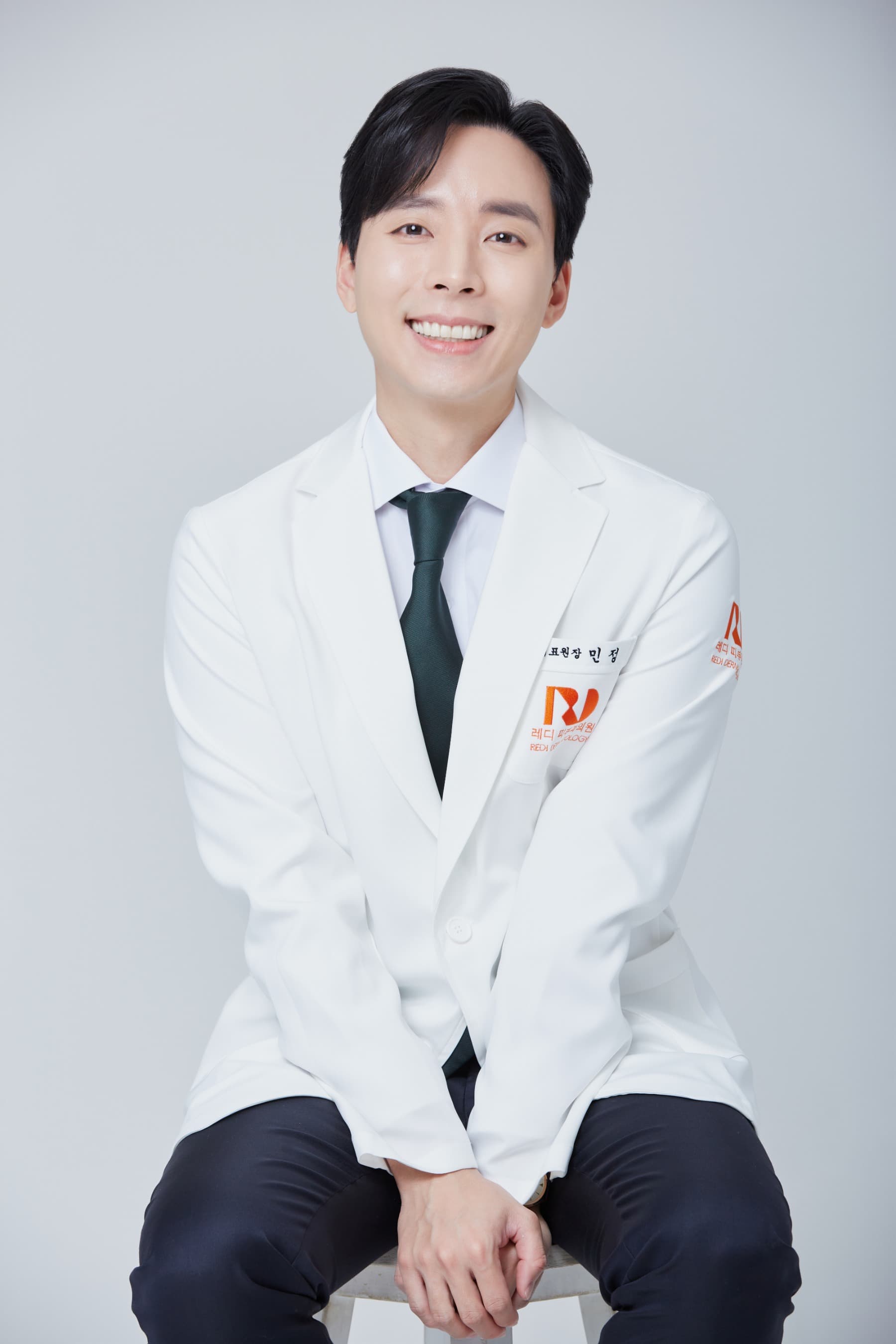
Dr. Min Jeong
Founding director, REDI Dermatology · Seoul
“A treatment isn't shopping. I'd rather diagnose first and recommend only what your skin genuinely needs — the same way I'd advise my own family.”
Board-certified dermatologist — trained at Kangbuk Samsung Hospital, and former Chief of Dermatology at the ROK Ministry of National Defense.
Juvelook Key Opinion Leader — 15,000+ vials administered, Korea's highest-volume clinic (Apr 2025). Key Opinion Leader titles are granted by device companies and carry no legal standing.
A regular speaker on clinical dermatology at Korean medical symposiums, including Juvelook clinical-experience panels.
Why international patients choose REDI
Interpreters in the room
English and Chinese, on site for your consultation and treatment.
Board-certified doctors only
Every procedure by a dermatology specialist — never unsupervised staff.
15,000+ Juvelook vials — No.1 in Korea
Hands-on volume most clinics have not reached.
Airport pickup arranged
So your first day in Seoul isn't spent lost with luggage.
Aftercare once you're home
Online follow-up, so a question next week still reaches your doctor.
Explore the treatment
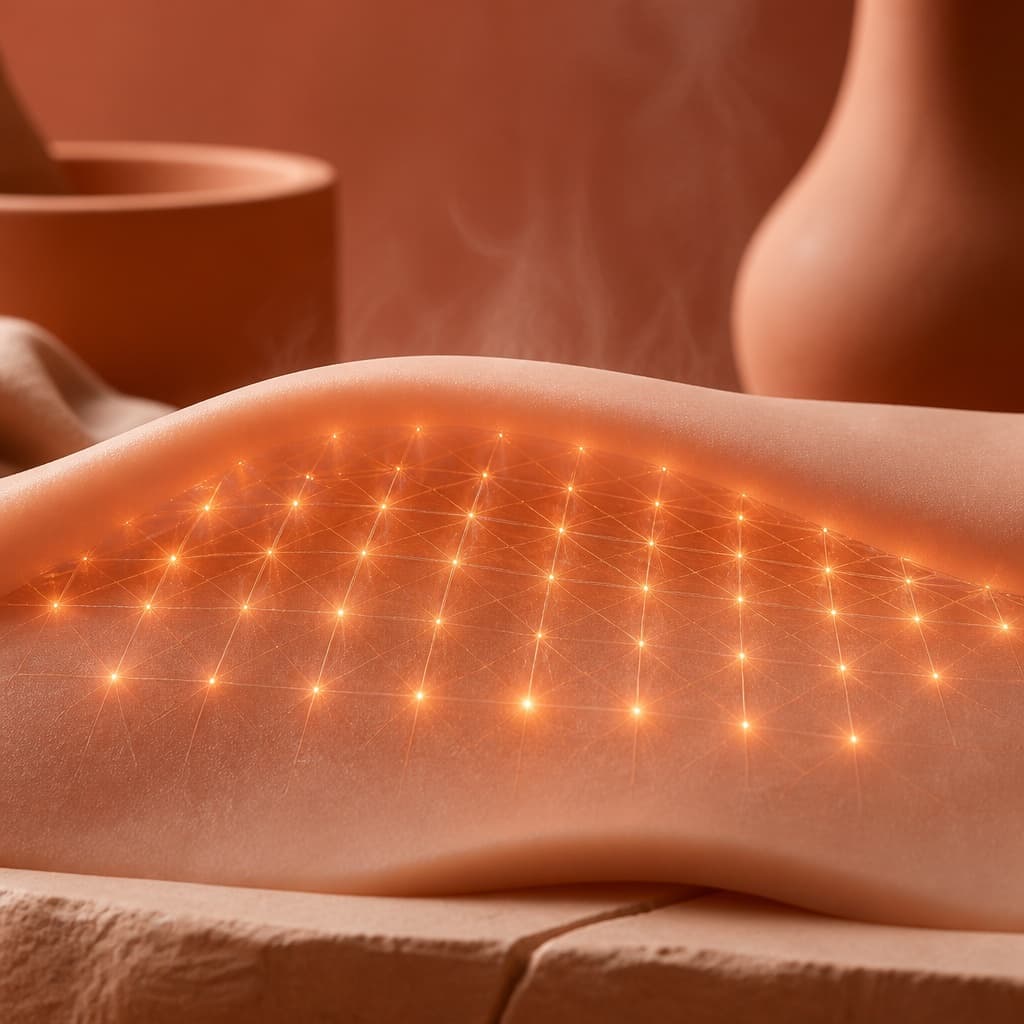
Potenza
Minimal pain with little disruption to daily life. Microneedles are safely inserted into the dermis to deliver radiofrequency heat, improving acne and pores while boosting firmness.

Subcision
A needle is inserted at the boundary between the dermis and subcutaneous fat to release the fibrous bands tethering the scar base, allowing new tissue to fill in and improve the scar.
Visit REDI Dermatology
4F & 5F, DM Tower Bldg. 2, 105 Bangbae-ro, Seocho-gu, Seoul, Korea
길찾기 (Get directions)Medically reviewed by Dr. Min Jeong · Last updated August 3, 2026
This article is general information, not medical advice. Results vary by individual. These are elective, non-insured aesthetic treatments. Please consult a board-certified doctor about your own case.
Ask what your skin actually needs
Free online consultation