
Atrophic Scar Treatment: Why Indented Acne Scars Need Depth

Hello — I'm Dr. Min Jeong, founding director of REDI Dermatology in Seoul.
Patients who come to me about indented acne scarring have usually already tried a great deal — acids, home rollers, several courses of something a clinic recommended — and are discouraged that none of it changed the shape of their skin. There is a reason for that, and it is structural rather than a matter of trying harder. This is what I explain in the consultation room.
What an atrophic scar actually is
An atrophic scar is an indentation. During inflammation, collagen in the dermis was destroyed; when the skin healed, it rebuilt with less tissue than it had before. The surface closed over a deficit, and the deficit is what you are seeing.
That is a different thing from a mark. A flat red or brown patch left by acne is a colour problem in intact skin. An atrophic scar is a shape problem — the skin is genuinely lower there, and light falls into it.
The practical consequence is straightforward. Anything that works on the surface changes the colour and the smoothness around the scar, but does not raise its floor. The indentation survives every treatment that does not reach the depth where the collagen was lost.
The three types, and why they matter
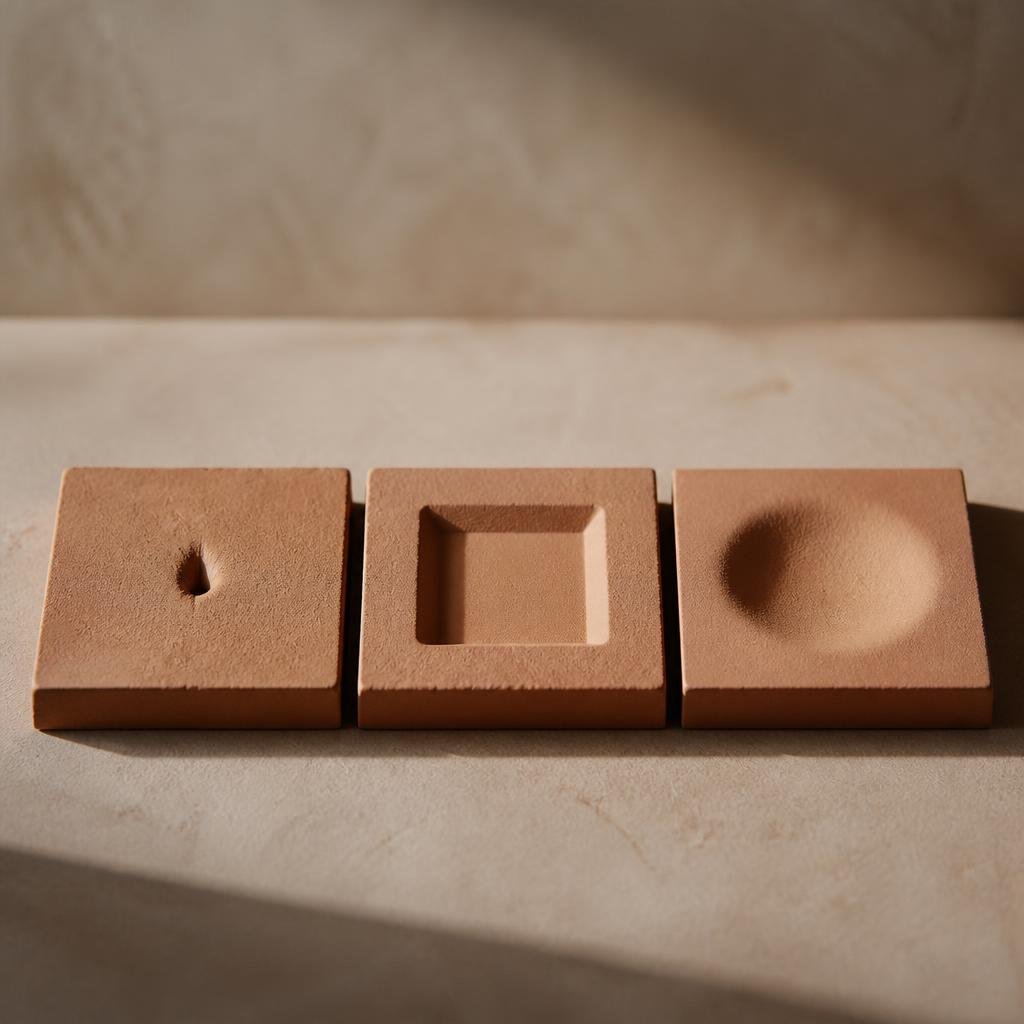
They are not interchangeable, and a plan that ignores the distinction tends to disappoint.
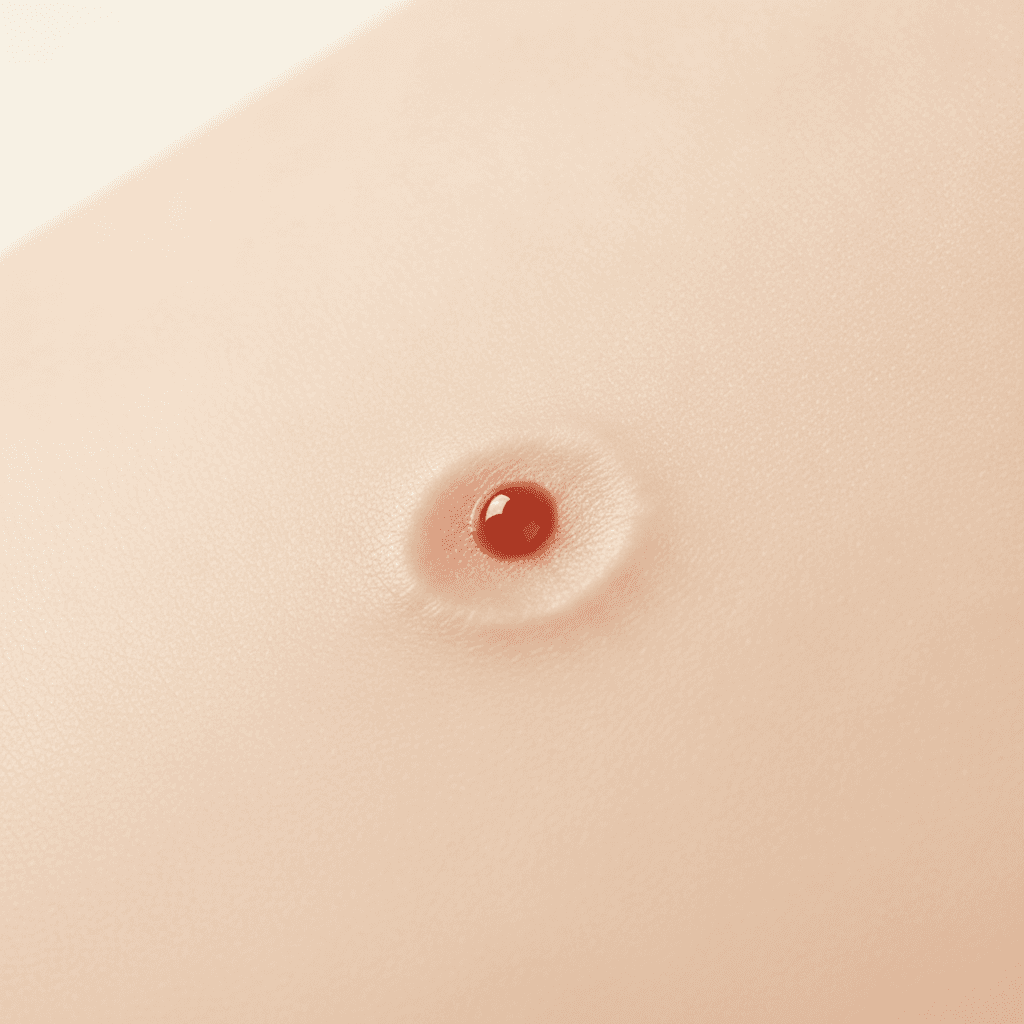
Ice pick. Narrow and deep, like a puncture. The opening is small but the tract runs a long way down. Treating these by broad resurfacing means removing a great deal of healthy skin to reach the bottom of a very small hole.
Boxcar. Wider, with defined vertical edges and a flat floor. These respond to rebuilding collagen underneath and softening the edge so light stops catching it.
Rolling. Broad and soft-edged, with a tethering band pulling the floor down from below. This one matters most for planning: while the tether holds, nothing you add on top will lift it. The band has to be released first.
Most faces carry more than one type. Assessing which dominates is the part that determines whether a course of treatment does anything.
How I approach an atrophic scar at REDI
I examine under magnification and with raking light, because scar type is much easier to read in a shadow than head-on.
Where collagen needs rebuilding at a controlled depth, Potenza delivers radiofrequency through microneedles, so the energy is placed where the deficit is rather than spread across the surface. That depth control is the whole point for boxcar and rolling scars.
Where a rolling scar is tethered, Subcision releases the band holding the floor down. Doing this before or alongside collagen stimulation is usually the difference between a scar that lifts and one that does not.
For narrow ice pick scars, treating the tract directly makes more sense than resurfacing everything around it — CROSS works on that principle, focusing on the individual scar rather than the surrounding skin.
Most of my atrophic scar plans combine more than one of these, in a sequence. The sequence is not arbitrary.
What to realistically expect
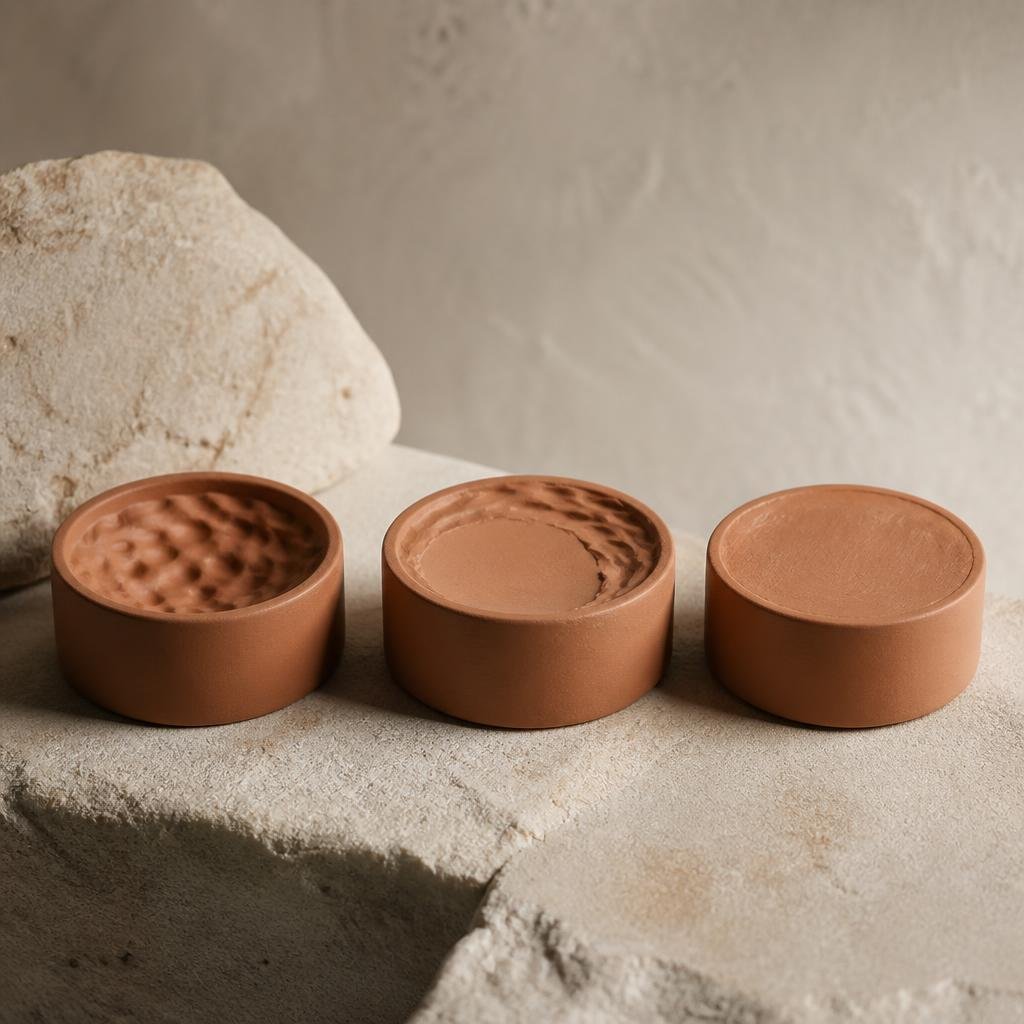
Improvement, not erasure. I say this early in every consultation, because it is the single biggest cause of disappointment in scar treatment and it is entirely avoidable by being honest at the start.
Change arrives slowly, because collagen builds slowly. The visible result of a session continues developing for months afterwards, which means judging too early tells you nothing. I ask patients to photograph in consistent raking light — a window to one side, same time of day — rather than under flat bathroom lighting that hides exactly what we are treating.
If you have already had treatment elsewhere that did nothing, bring that history. It usually tells me which layer was being worked on, and therefore which one was not.
Downtime, sessions and timing a trip
Depth brings downtime. Work that reaches the dermis leaves visible marks for several days, and releasing a tether can bruise. That is expected, and I will tell you what to expect before we start rather than afterwards.
A course is spaced weeks apart, so scar treatment sits awkwardly with a short visit. If you are flying in, tell us the dates before we plan. Sometimes the right answer is to begin a course here and continue the sequence on a later trip, and I would rather say that than compress something that should not be compressed.
Interpreters are on site for the consultation and the treatment, which matters for scar work specifically — you should understand which scar type you have and why the plan is what it is.
How I think about cost
I do not quote figures for scar treatment in an article, because the number depends entirely on scar type, area and session count. What I commit to is explaining the full plan before anything begins, including how many sessions I actually expect.
Takeaways
An atrophic scar is missing tissue, not a discoloured patch, which is why surface treatment leaves it unchanged. The three types — ice pick, boxcar and rolling — need different approaches, and a tethered rolling scar has to be released before anything can lift it.
Expect improvement rather than erasure, expect it slowly, and judge it in side light several months apart.
Frequently asked
What is an atrophic scar?
It is a scar that sits below the surrounding skin — an indentation left after inflammation destroyed collagen and the skin healed with less tissue than it started with. Acne is the most common cause.
What are the three types of atrophic scar?
Ice pick scars are narrow and deep. Boxcar scars are wider with defined edges. Rolling scars have soft sloping edges and are tethered to tissue underneath. They frequently occur together on the same face and do not respond to the same treatment.
Why do surface treatments not fix indented scars?
Because the missing tissue is below the surface. Exfoliating or resurfacing the top layer smooths the skin around the scar without raising the scar floor, so the indentation stays. The collagen has to be rebuilt at the depth where it was lost.
How long does atrophic scar treatment take?
Longer than most people expect, because you are waiting on collagen rather than on a device. Improvement continues for months after a session, and a course is usually spaced several weeks apart. We plan a realistic timeline at your consultation.
Can atrophic scars be removed completely?
Meaningful improvement is realistic; complete erasure generally is not. I would rather tell you that before we begin than have you measure a good result against an impossible one. Results vary by individual.
Keep reading
More on this from Dr. Min Jeong.




Dr. Min Jeong
Founding director, REDI Dermatology · Seoul
“A treatment isn't shopping. I'd rather diagnose first and recommend only what your skin genuinely needs — the same way I'd advise my own family.”
Board-certified dermatologist — trained at Kangbuk Samsung Hospital, and former Chief of Dermatology at the ROK Ministry of National Defense.
Juvelook Key Opinion Leader — 15,000+ vials administered, Korea's highest-volume clinic (Apr 2025). Key Opinion Leader titles are granted by device companies and carry no legal standing.
A regular speaker on clinical dermatology at Korean medical symposiums, including Juvelook clinical-experience panels.
Why international patients choose REDI
Interpreters in the room
English and Chinese, on site for your consultation and treatment.
Board-certified doctors only
Every procedure by a dermatology specialist — never unsupervised staff.
15,000+ Juvelook vials — No.1 in Korea
Hands-on volume most clinics have not reached.
Airport pickup arranged
So your first day in Seoul isn't spent lost with luggage.
Aftercare once you're home
Online follow-up, so a question next week still reaches your doctor.
Explore the treatment
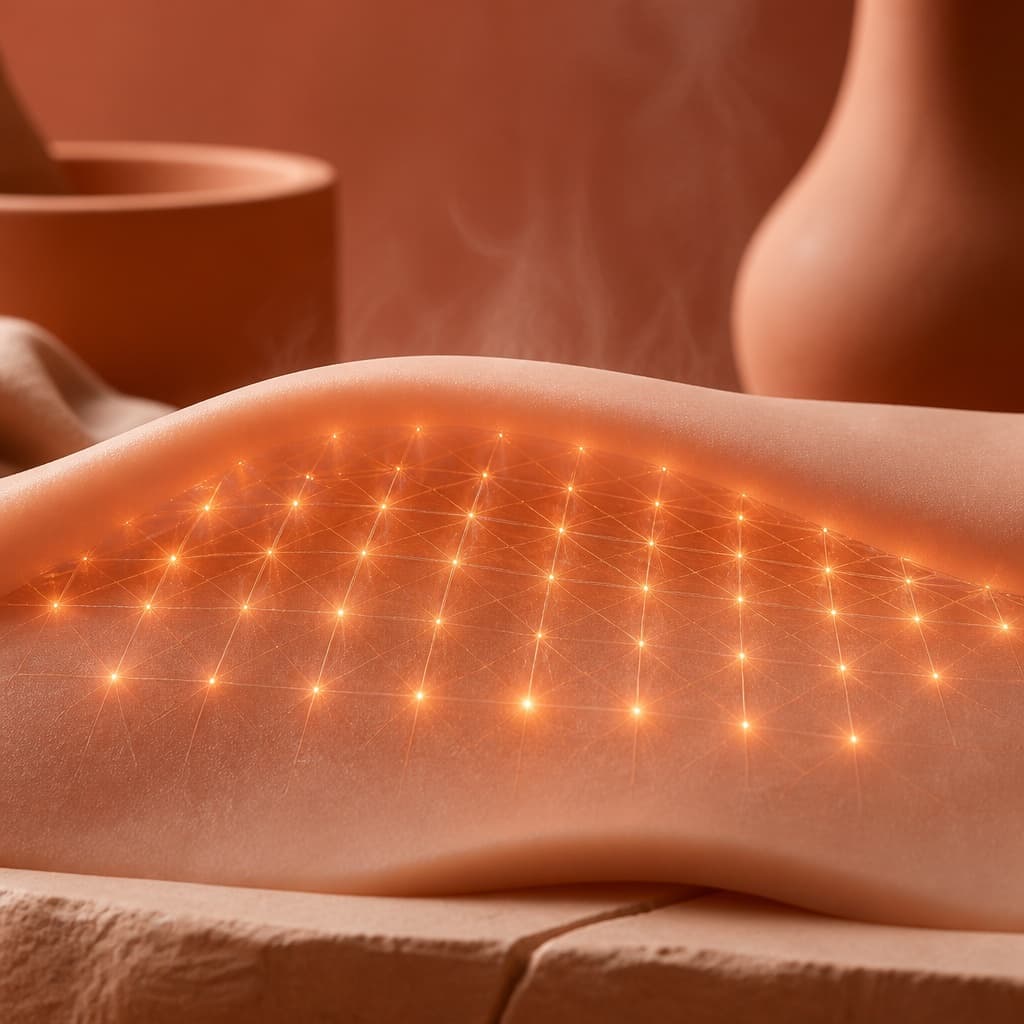
Potenza
Minimal pain with little disruption to daily life. Microneedles are safely inserted into the dermis to deliver radiofrequency heat, improving acne and pores while boosting firmness.
Subcision
A needle is inserted at the boundary between the dermis and subcutaneous fat to release the fibrous bands tethering the scar base, allowing new tissue to fill in and improve the scar.
CROSS
Recommended for ice-pick scars, this treatment applies TCA to induce fundamental regeneration of deep, narrow, pitted scars.
Visit REDI Dermatology
4F & 5F, DM Tower Bldg. 2, 105 Bangbae-ro, Seocho-gu, Seoul, Korea
길찾기 (Get directions)Medically reviewed by Dr. Min Jeong · Last updated September 23, 2026
This article is general information, not medical advice. Results vary by individual. These are elective, non-insured aesthetic treatments. Please consult a board-certified doctor about your own case.
Ask what your skin actually needs
Free online consultation