
Pore Treatment in Korea: A Dermatologist's Honest Guide to What Actually Refines Pores
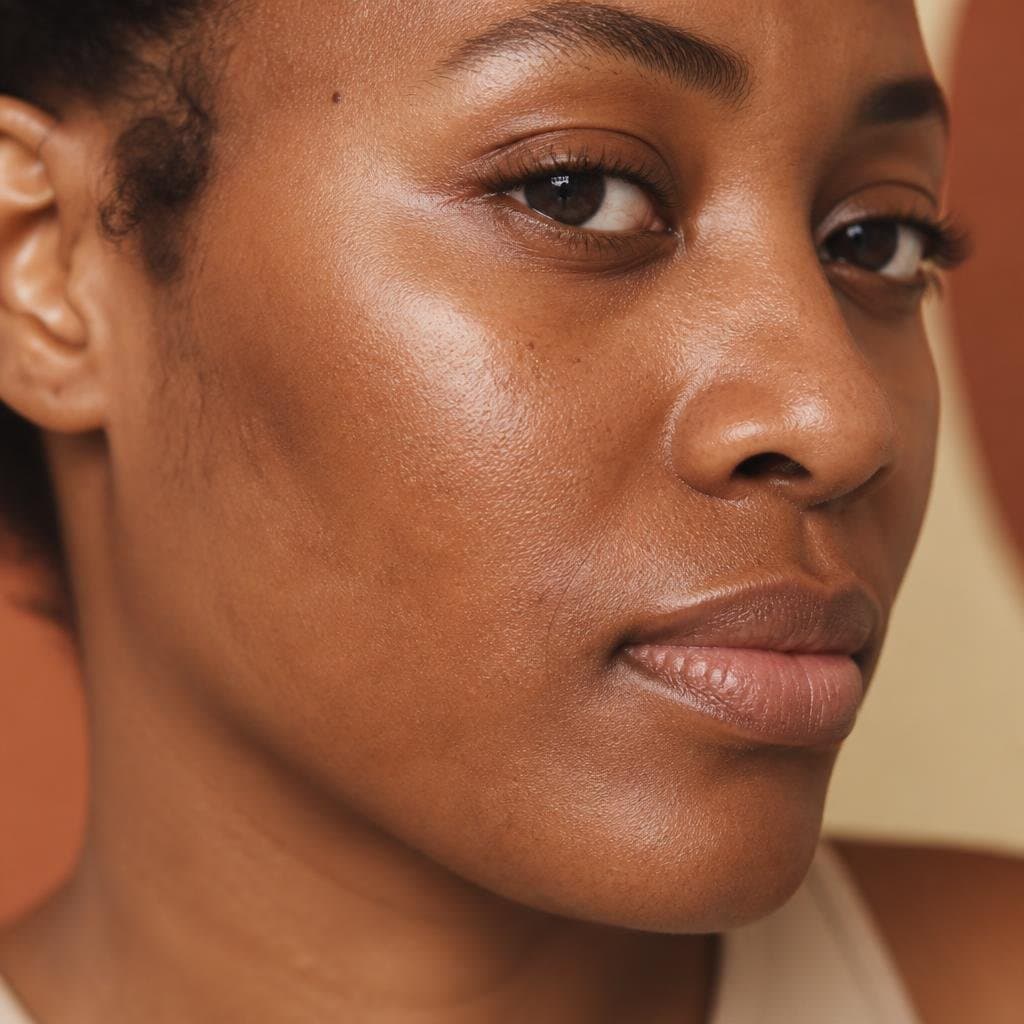
Why "big pores" are more complicated than they look
Hello, I'm Dr. Min Jeong, director of REDI Dermatology in Seoul. Pores are one of the most common concerns I hear about in my consultation room — and also one of the most misunderstood. If you've ever pressed your nose against the mirror and wished for a "pore eraser," I'd gently ask you to read to the end of this article, because the honest answer is that different pores need different treatments.
Here's the part most people don't hear: the size of a pore on the surface is usually a symptom of something happening underneath. Sometimes it's excess sebum. Sometimes it's loss of firmness in the dermis, so the pore opening loses its support and stretches. Sometimes it's fine textural change or old acne scarring that makes pores look larger than they are. This is why I don't believe in a single "best pore treatment in Korea" — I believe in matching the treatment to the cause. At REDI we're diagnosis-first, and pores are exactly the kind of concern where that matters most.
The main pore treatment approaches we use in Korea
Rather than list every device, let me group them by how they actually work on pores. This is closer to how I think when I plan a treatment.
1. Microneedle radiofrequency (for pores tied to laxity and texture)
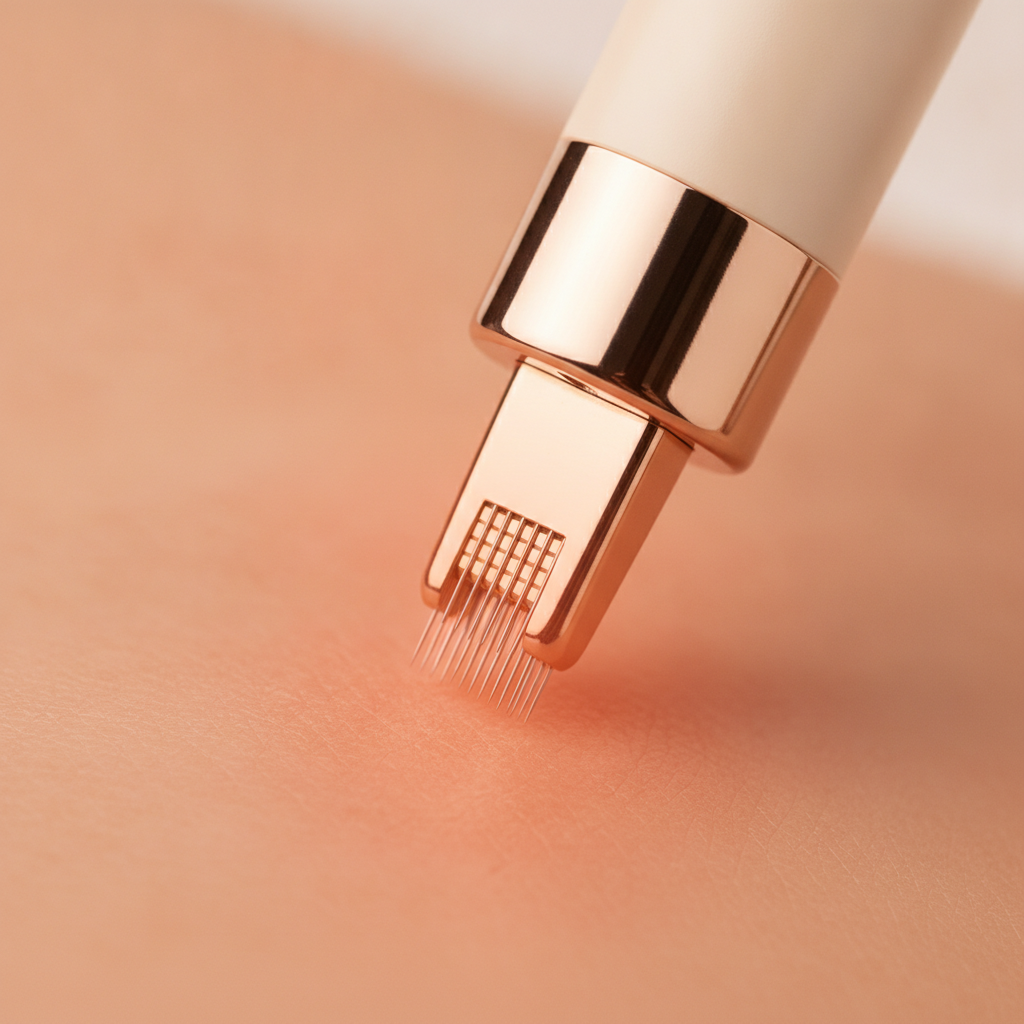
When enlarged pores come with a loss of firmness, I lean toward microneedle RF. Potenza safely inserts fine microneedles into the dermis and delivers radiofrequency heat, helping refine pores and scars while boosting firmness — with relatively little pain and minimal disruption to daily life. Double Tite works on a similar principle, combining needle-based RF with drug delivery to address pores, texture, and firmness together, and Legato uses microneedle RF with an anti-inflammatory benefit that also helps acne-prone skin.
For all of these, the typical downtime is 1–3 days with possible redness or swelling, and each session takes about 30 minutes. We design the depth and intensity by region based on your diagnosis. Results vary by individual.
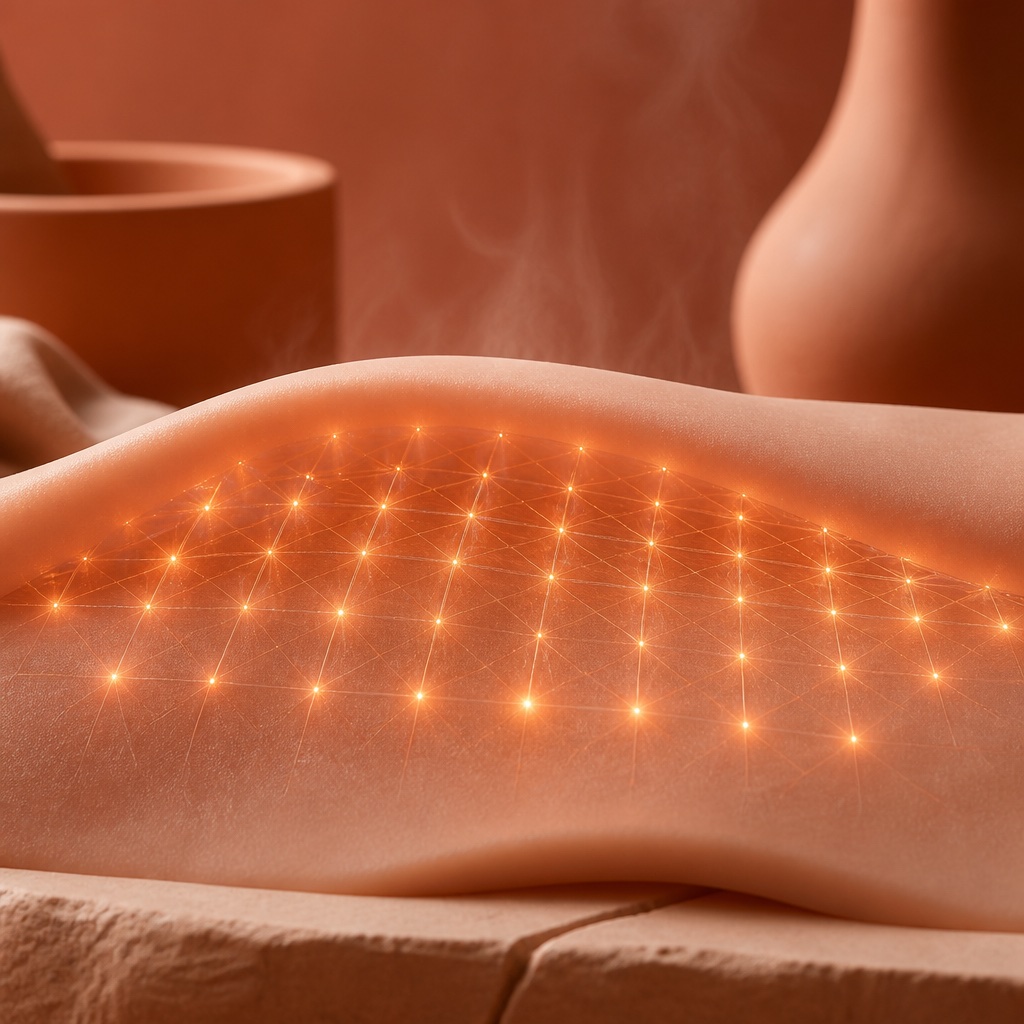
2. Collagen stimulation (rebuilding support around the pore)
If pores look enlarged partly because the skin has lost its own structure, I often think about stimulating your collagen rather than just resurfacing the surface. Juvelook is a PDLLA collagen booster that encourages your skin to rebuild itself, helping manage pores, fine lines, firmness, and tone together — and, importantly, without the artificial look some people worry about. At REDI, our Juvelook key doctor refined the blend and hydration protocol, and we match the delivery method (Dermashine Pro, Potenza, MIRAJET, Double Tite) to your specific pore and texture condition.
A realistic timeline for Juvelook: most people need about 3 sessions spaced roughly 4–6 weeks apart. Skin looks more hydrated and radiant fairly soon, collagen-driven firmness tends to appear from around 2–4 weeks, and fuller improvement in texture and pores develops over roughly 3–6 months. Downtime is usually minimal — about 24 hours, with mild redness or small temporary bumps typically settling within 24–48 hours. Results vary by individual.
3. Needle-free and laser options
Not everyone wants needles, and not every pore needs strong energy. MIRAJET delivers active ingredients into the skin via a jet spray with little to no downtime — a comfortable option for those who find needles uncomfortable, and one we also use as a delivery route for skin and collagen boosters. For pores combined with pigment or dullness, the Fractional Picosecond Laser applies short pico pulses in a fractional pattern to stimulate collagen and refine pores and scars, with 1–3 days of possible redness.
There's also Exion, a newer platform that combines microneedle RF with AI-controlled energy. It's designed to address laxity, pores, and fine lines together — the AI adjusts output to your skin as it works. Mild redness may occur but usually settles within 1–2 days.
What's realistic — and what isn't
I want to be direct here, because pore expectations are where I see the most disappointment. Pores don't "close" permanently, and I won't promise that. What good treatment can do is refine the appearance of pores — reduce their prominence, smooth texture, and improve the firmness that supports them. That improvement is real, and for many people meaningful, but it's gradual and it needs maintenance. Anyone promising a permanent one-session fix isn't being honest with you.
This is also why I plan pore treatment as a series rather than a single visit, and why I often combine approaches — for example, microneedle RF to work the dermis, paired with a skin booster to support hydration and recovery. Because these are elective, non-insured aesthetic treatments, I'd rather set honest expectations up front than oversell a result. Results vary by individual.
A flight-and-downtime plan for visiting patients
Roughly half the people who ask me about pore treatment are already in Korea; the other half are planning a trip. If you're flying in, here's the practical picture so you can plan your calendar.
- Day 0 (treatment day): For needle-free MIRAJET, expect little downtime. For microneedle RF like Potenza or Double Tite, expect redness and possibly some swelling.
- Day 1–3: Microneedle RF redness/swelling generally settles within this window. Juvelook's small bumps and redness usually calm within 24–48 hours.
- Week 1 onward: Skin settles; collagen-based results continue to build over the following weeks.
If your schedule is tight, I usually suggest gentler, lower-downtime options for a first visit and save stronger sessions for when you have a few buffer days. During your consultation we map the plan to your actual flight dates. We also have English- and Chinese-speaking interpreters on site, so you don't have to navigate this alone, airport pick-up is available, and we continue online after-care once you're back home.
A note on skin tone
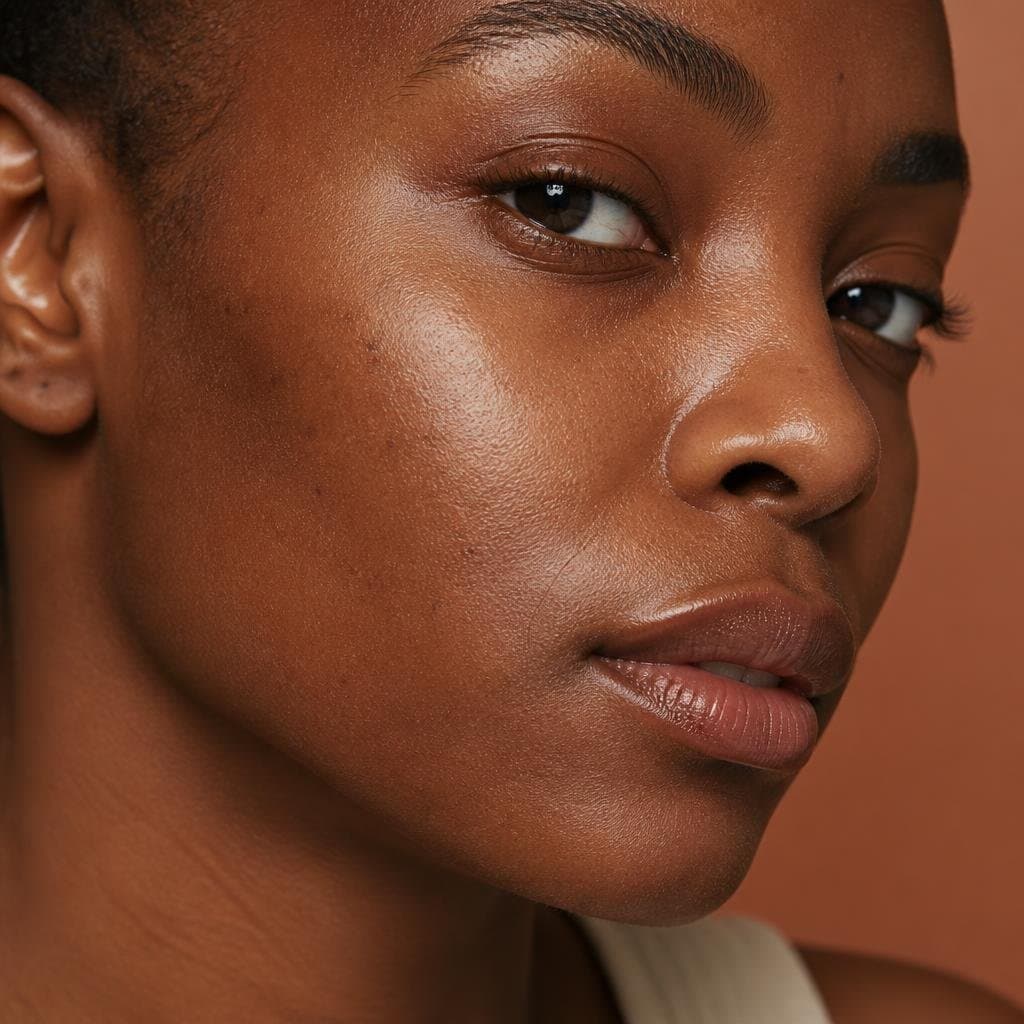
If you have a deeper skin tone (Fitzpatrick IV–VI) or pigment-prone skin, please raise this at your consultation. Laser and energy-based pore treatments can be very effective, but settings matter — we adjust intensity and depth carefully to reduce the risk of unwanted pigment change, and sometimes favor collagen-based or gentler approaches. This is exactly the kind of judgment call that diagnosis-first care is built for. If you're unsure whether a specific treatment suits your skin, we can check together freely in a consultation. Results vary by individual.
Takeaways
- There's no single "best" pore treatment in Korea — the right one depends on why your pores look enlarged (sebum, laxity, texture, or scarring).
- At REDI we commonly use microneedle RF (Potenza, Double Tite, Legato) for pores tied to firmness, Juvelook to stimulate your own collagen, MIRAJET for a needle-free route, and the Fractional Picosecond Laser when pigment is also involved.
- Downtime ranges from little-to-none (MIRAJET) to 1–3 days of redness/swelling (microneedle RF and pico laser) — we map it to your travel dates.
- Pores are refined, not permanently "closed"; results are gradual, need maintenance, and vary by individual.
- Deeper skin tones are welcome — we adjust settings after a diagnosis to treat safely.
Frequently asked
What is the best pore treatment in Korea?
There isn't one single answer — the right choice depends on why your pores look enlarged. At REDI we commonly use microneedle RF like Potenza or Double Tite for pores tied to laxity and texture, Juvelook to stimulate your own collagen around pores, and MIRAJET for a needle-free option. We decide together after a diagnosis. Results vary by individual.
How many sessions do I need to see a difference in my pores?
It varies by skin. Collagen-based approaches like Juvelook often involve about 3 sessions spaced roughly 4–6 weeks apart, with results developing over several weeks to months. We set your exact plan after diagnosis, and results vary by individual.
Is there downtime after pore treatment?
It depends on the treatment. Needle-free MIRAJET has little to none, while microneedle RF treatments such as Potenza, Double Tite, and Legato typically involve 1–3 days of possible redness or swelling. We map the timeline to your travel dates.
Can pore treatment help acne scars and texture at the same time?
Often yes. Devices like Potenza, Legato, and the Fractional Picosecond Laser can address enlarged pores alongside scars and rough texture. We diagnose your scar type first to decide the right combination.
Is pore treatment safe for darker skin tones?
Many pore treatments can be adjusted for a range of skin tones, and we tailor intensity and depth after diagnosis. For pigment-prone or Fitzpatrick IV–VI skin, we're especially careful with laser settings. Results vary by individual.
Keep reading
More on this from Dr. Min Jeong.



Dr. Min Jeong
Founding director, REDI Dermatology · Seoul
“A treatment isn't shopping. I'd rather diagnose first and recommend only what your skin genuinely needs — the same way I'd advise my own family.”
Board-certified dermatologist — trained at Kangbuk Samsung Hospital, and former Chief of Dermatology at the ROK Ministry of National Defense.
Juvelook Key Opinion Leader — 15,000+ vials administered, Korea's highest-volume clinic (Apr 2025). Key Opinion Leader titles are granted by device companies and carry no legal standing.
A regular speaker on clinical dermatology at Korean medical symposiums, including Juvelook clinical-experience panels.
Why international patients choose REDI
Interpreters in the room
English and Chinese, on site for your consultation and treatment.
Board-certified doctors only
Every procedure by a dermatology specialist — never unsupervised staff.
15,000+ Juvelook vials — No.1 in Korea
Hands-on volume most clinics have not reached.
Airport pickup arranged
So your first day in Seoul isn't spent lost with luggage.
Aftercare once you're home
Online follow-up, so a question next week still reaches your doctor.
Explore the treatment
Potenza
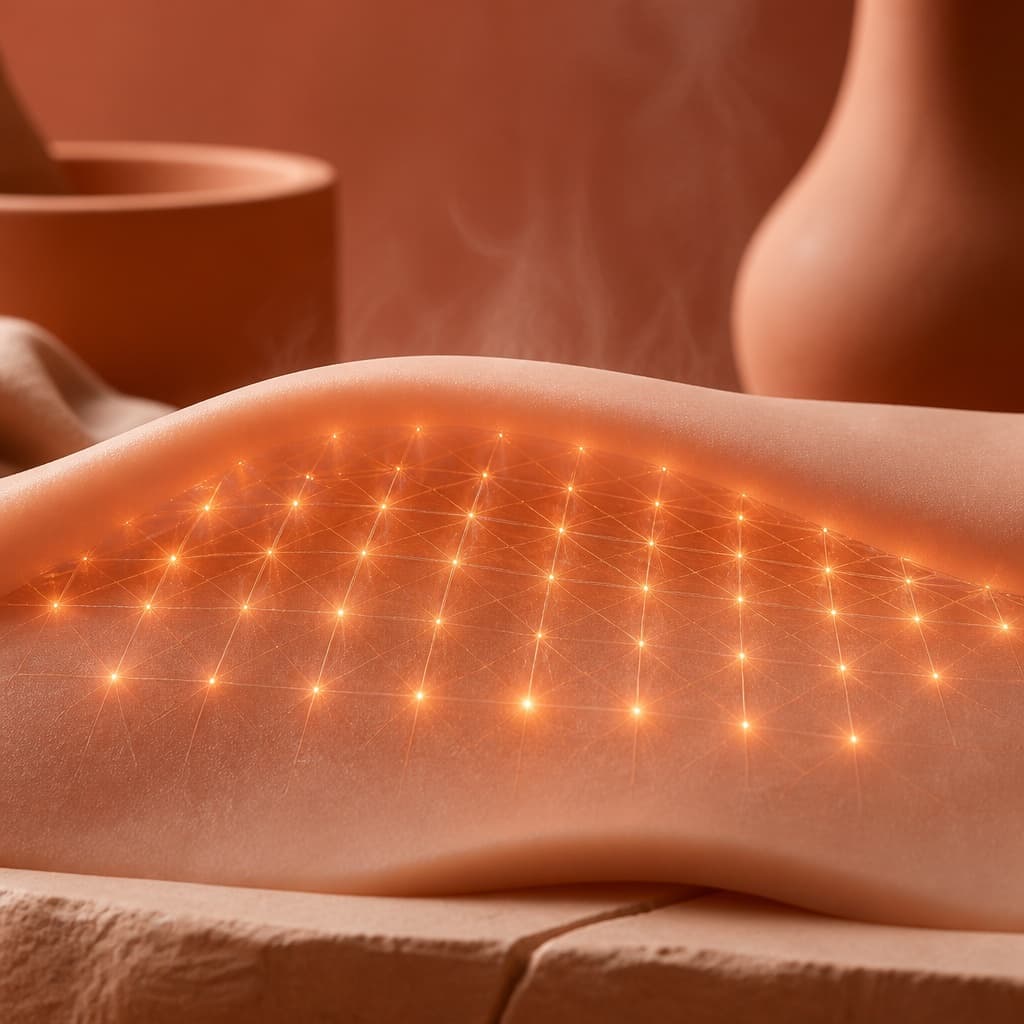
Minimal pain with little disruption to daily life. Microneedles are safely inserted into the dermis to deliver radiofrequency heat, improving acne and pores while boosting firmness.
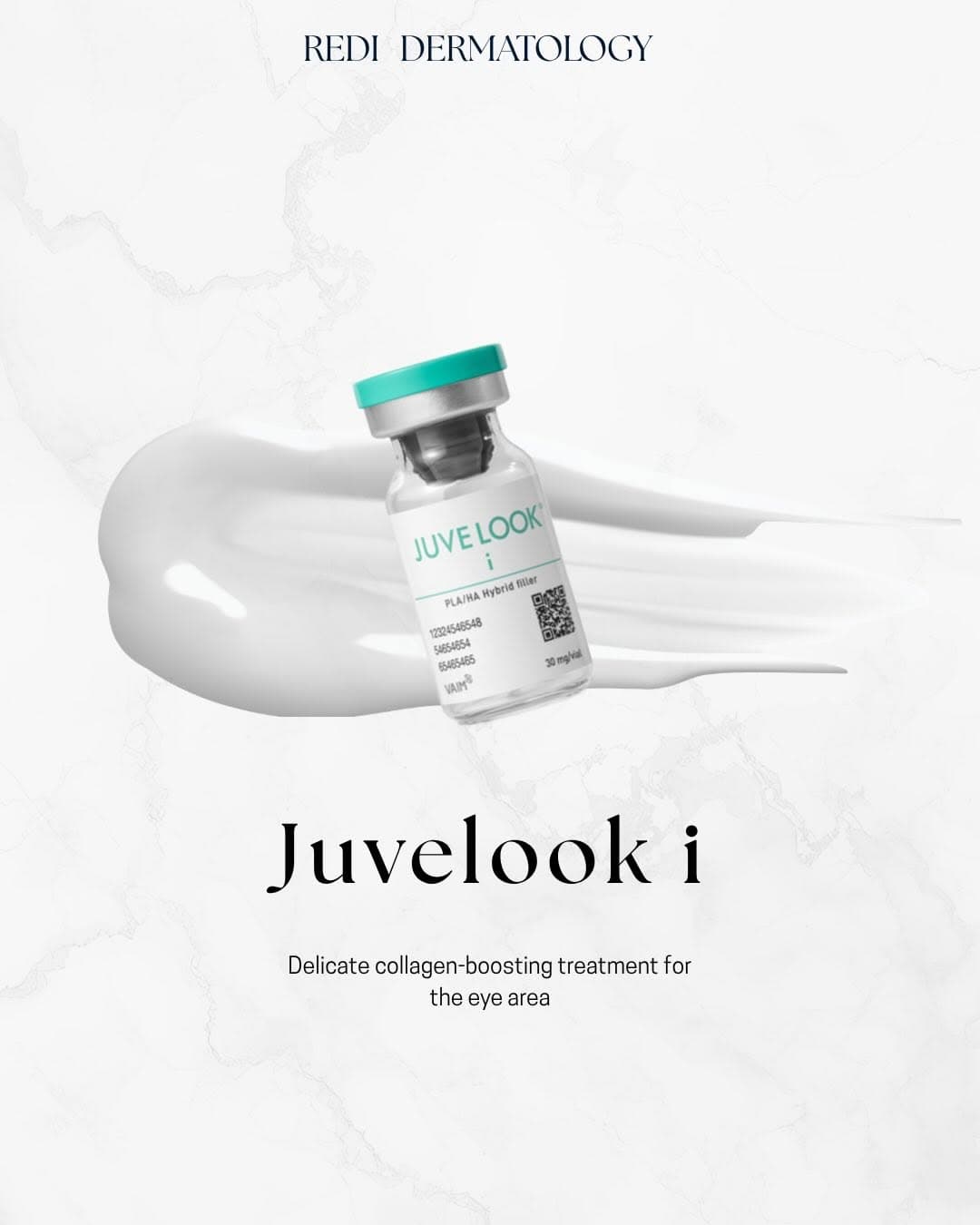
Juvelook
A special blend and hydration know-how developed by our Juvelook key doctor. With outstanding results on pores, firmness, fine lines, and skin tone, it's delivered via the method best suited to your skin — Dermashine Pro, Potenza, MIRAJET, Double Tite, and more.
Visit REDI Dermatology
4F & 5F, DM Tower Bldg. 2, 105 Bangbae-ro, Seocho-gu, Seoul, Korea
길찾기 (Get directions)Medically reviewed by Dr. Min Jeong · Last updated August 4, 2026
This article is general information, not medical advice. Results vary by individual. These are elective, non-insured aesthetic treatments. Please consult a board-certified doctor about your own case.
Ask what your skin actually needs
Free online consultation