
dr korea pdrn for a short Seoul trip: pharmacy cream or a dermatologist's injection
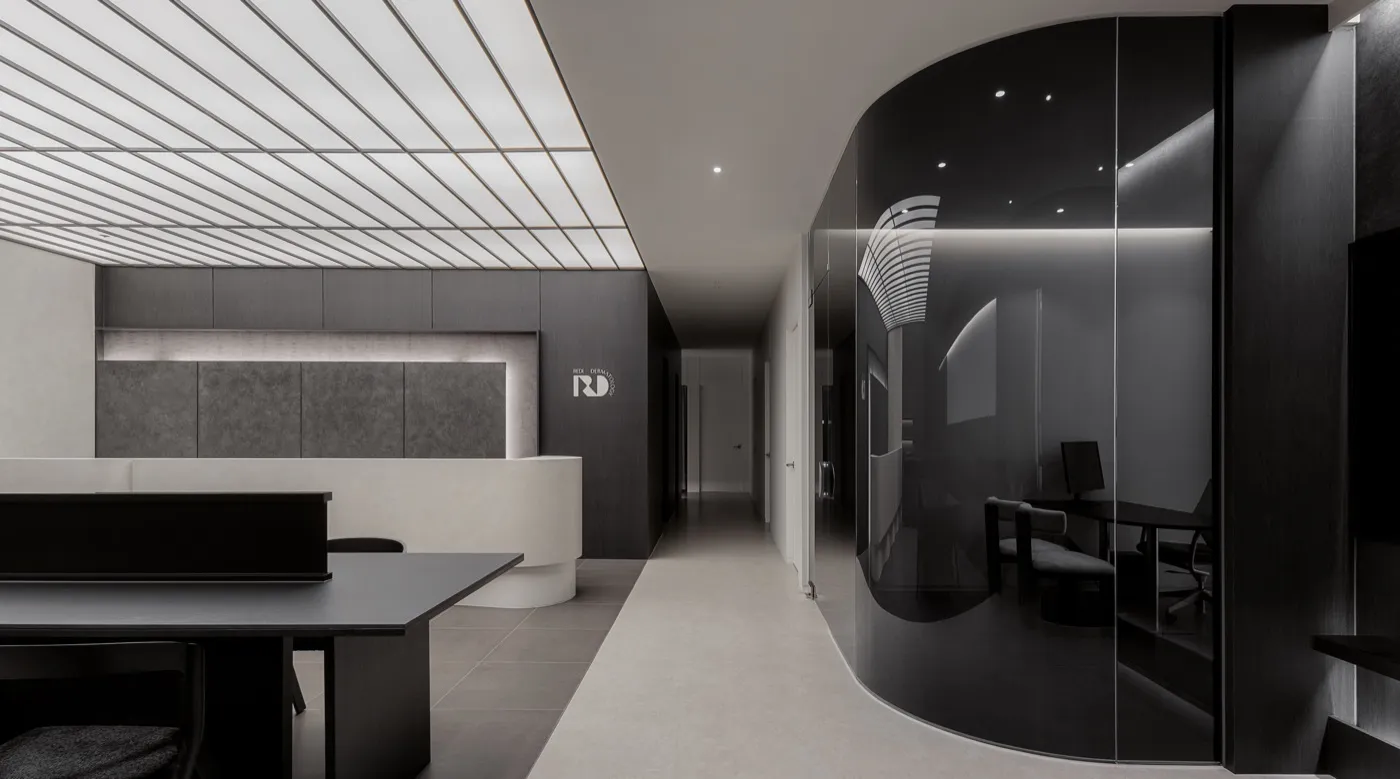
At REDI Dermatology in Seoul, the injectable on our menu from this family is Rejuran Healer, along with Rejuran HB Plus, which contains lidocaine for people sensitive to pain, and English and Chinese interpreters are on site for consultations and treatments. On a short trip, the real worry is usually whether an injection leaves marks you'll still have on the flight home, and you should have an answer to that before you book anything.
People ask this question a lot because PDRN shows up in two very different places in Seoul, the beauty aisle and the clinic menu, under almost the same name. Please read to the end, because the section on side effects and flights is the one that changes plans.
I'm Dr. Min Jeong, founding director of REDI and a board-certified dermatologist.
If you already have a product in your basket or a flight booked, send one of them on WhatsApp: a photo of the product label, or the dates you'll be in Seoul. Your first consultation with REDI happens in that chat, so you can ask there whether an injection belongs in this trip at all.
What PDRN actually is, and why it's on every shelf
PDRN stands for polydeoxyribonucleotide, a mix of short DNA fragments usually purified from salmon or trout sperm cells. That research is mostly about wounds and medical preparations. It isn't about beauty creams.
The ingredient became known through clinic injections. Today Korean cosmetic brands print the same four letters on ampoules, sheet masks and pharmacy creams, and some put "Dr" in the brand name. A "Dr" on a label is branding. It doesn't turn a cosmetic into a treatment, and it doesn't tell you how much PDRN the formula contains.
Polynucleotides (PN) are the longer-chain relative. It explains that PN forms a thicker gel that also acts as a physical scaffold in the tissue, while the shorter PDRN fragments mostly act as a signal. You'll see both names on Korean menus, and you can't swap one for the other.
Why a cream and an injection reach different layers
Molecule size decides it. DNA fragments are far heavier than that.
So a PDRN cream mostly works where it lands. In a well-made formula it can help with hydration and make the surface feel calmer while you use it. It's unlikely to get anything like injection-level amounts into the dermis. That matters because firmness, fine texture and early scarring all sit in the dermis.
An injection goes past the barrier. A doctor places small amounts into the dermis with a needle or a delivery device, and the effect usually builds over a course of sessions instead of appearing after one visit. It also noted that many of the studies were small, which fairly sums up where the evidence stands.
Doctor's note
If your skin is calm and you mainly want it to feel hydrated, keep using a PDRN cream your skin tolerates well. There's no medical reason to swap it for a needle. The injection question comes up when the concern sits deeper: crepey fine texture, a barrier that keeps flaring, early acne scarring. That's the line I'd draw for a friend standing in a Myeongdong pharmacy.
Which one fits a short trip with a shopping list?
For most short-trip visitors, the cream is an easy yes and the injection is a scheduling question. The table puts the practical differences side by side.
| Question | Pharmacy PDRN cream | Injected polynucleotide |
|---|---|---|
| Where it acts | Outer layer of the skin | Dermis |
| Who applies it | You, at home | A doctor, after examining your skin |
| Visible marks | Usually none | Small bumps or redness at injection points for a short time |
| How often | Daily, for as long as you use it | Usually a course of sessions |
| Effect on your flight | Liquids rules for carry-on | Better early in the trip than the day before you fly |
If you're shopping from a dr korea pdrn list, buy the cream if you like how it feels. Patch-test it on your jaw first, because a new product plus travel stress often leads to irritation. If an injection is on your list too, book it in the first half of your stay so any redness has the rest of the trip to settle.
You should also know what polynucleotides don't do. They don't lift sagging along the jaw, because that needs an energy device. Our guide to Ultherapy Prime and SMAS lifting covers that. Brown spots and melasma need a pigment plan, which is covered separately in which spots one trip can clear. For an overview of how the different boosters compare, start with choosing the right skin booster in Korea.
Is Rejuran the same thing as PDRN?
Close relatives, not twins. Rejuran HB Plus adds lidocaine for people who are sensitive to pain.
A dr korea pdrn search often ends up at Rejuran anyway, and two older posts go deeper. What PDRN injections actually do for skin explains the injectable in detail, and what's realistic with Rejuran Healer covers expectations and sessions.
Exosome boosters often come up in the same conversation, but they work differently: they use vesicles that carry signals between cells. At REDI, the doctor advises whether to combine an exosome booster with Rejuran or Juvelook based on your skin. What exosome boosters do and don't do explains the differences.
Side effects, the flight home, and who should wait
After a polynucleotide injection, the common effects are redness, mild swelling, small raised bumps where the product went in, and occasional bruising. These usually fade over the following days. Less common problems include lumps that last longer and, rarely, infection, which is why injections belong in a medical setting with clean technique. Results vary by individual.
Some people should hold off or talk it through first:
- Anyone with a known fish or salmon allergy, because the material is salmon-derived.
- Anyone who is pregnant or breastfeeding, because safety data is limited.
- Anyone with active infection, inflamed acne or a rash in the area to be treated.
- People on blood thinners, who bruise more easily. Don't stop a prescribed medicine on your own.
Creams carry much smaller risks: stinging, redness, or breakouts in people sensitive to a formula's other ingredients. If your skin burns, wash the product off and stop using it.
On the flight question, the U.S. Centers for Disease Control and Prevention advises medical travelers to allow time to recover before flying home and to carry copies of their records. For a skin booster, that mostly means not booking it on your last afternoon. Whether an injection suits you at all is decided at the in-person exam, once a doctor has seen your skin.
If the flight is what worries you, send your arrival and departure dates on WhatsApp with a daylight photo of the area that bothers you. That message starts your consultation with REDI, and you can work out the order of your days in Seoul there before you commit to anything.
Planning the visit around flights, interpreters and home
REDI Dermatology is at 4F & 5F, DM Tower Bldg. 2, 105 Bangbae-ro, Seocho-gu. It's a 2 min walk from Bangbae Station Exit 3 on Line 2, or a 5 min walk from Naebang Station Exit 3 on Line 7. Hours are Mon/Wed/Fri 10:00–20:00, Tue/Thu 10:00–19:00 and Sat 10:00–15:00, with a lunch break from 13:00 to 14:00 (no lunch break on Saturday).
With evening hours on Monday, Wednesday and Friday, you can come in late in the afternoon after a day elsewhere in the city. English and Chinese interpreters are on site during consultations and treatments, so you can ask in the room what's being injected and why. For a broader look at visiting as an international patient, see what an international patient gets at REDI.
Before you leave Seoul, write down the product name and the date of each session, and take photos of anything that looked unusual. If something needs checking after you're home, a local dermatologist can work from those notes.
Before the next pharmacy run
Take a photo of the label on the PDRN product you use now or plan to buy, and write down the dates you'll be in Seoul. The details, such as whether a polynucleotide injection makes sense for your skin and how many sessions fit your stay, are confirmed in consultation. Send those two things on WhatsApp so your consultation with REDI can start from what's actually in your basket.
Frequently asked
Can you buy PDRN injections at a Korean pharmacy?
Pharmacy and beauty-store shelves carry topical products: creams, serums, ampoules and masks. Injectable polynucleotides are given by a doctor in a clinic after the skin has been examined. If a shop offers to sell you an injectable to use yourself, don't buy it.
Does 'Dr' on a Korean PDRN product mean a doctor made it?
Not necessarily. 'Dr' is common in Korean cosmetic brand names and works as branding.
Is salmon DNA skincare the same as PDRN?
Often, yes. 'Salmon DNA' is a marketing name for PDRN or polynucleotides purified from salmon. In a cream it acts on the surface. An injectable like Rejuran Healer is placed in the dermis, which makes it a different treatment with different risks.
Can I keep using my PDRN serum after a skin booster injection?
Usually yes, once the injection points have closed and the redness has calmed. On the day of treatment and the day after, keep your routine simple: a gentle cleanser, moisturizer and sunscreen. Ask the doctor who treated you about your specific products.
Will people see marks from a polynucleotide injection?
Small raised bumps or redness at the injection points are common at first and usually fade over the following days. Bruising can happen, especially if you take blood thinners. If you have an event or a flight soon after, schedule the injection early in your stay.
Keep reading
More on this from Dr. Min Jeong.




Dr. Min Jeong
Founding director, REDI Dermatology · Seoul
“A treatment isn't shopping. I'd rather diagnose first and recommend only what your skin genuinely needs — the same way I'd advise my own family.”
Board-certified dermatologist — trained at Kangbuk Samsung Hospital, and former Chief of Dermatology at the ROK Ministry of National Defense.
Juvelook Key Opinion Leader — 15,000+ vials administered, Korea's highest-volume clinic (Apr 2025). Key Opinion Leader titles are granted by device companies and carry no legal standing.
A regular speaker on clinical dermatology at Korean medical symposiums, including Juvelook clinical-experience panels.
Why international patients choose REDI
Interpreters in the room
English and Chinese, on site for your consultation and treatment.
Board-certified doctors only
Every procedure by a dermatology specialist — never unsupervised staff.
15,000+ Juvelook vials — No.1 in Korea
Hands-on volume most clinics have not reached.
Airport pickup arranged
So your first day in Seoul isn't spent lost with luggage.
Aftercare once you're home
Online follow-up, so a question next week still reaches your doctor.
Visit REDI Dermatology
4F & 5F, DM Tower Bldg. 2, 105 Bangbae-ro, Seocho-gu, Seoul, Korea
길찾기 (Get directions)Medically reviewed by Dr. Min Jeong, Founding Director / Board-Certified Dermatologist · Last updated
Edited by: Dr. Min Jeong
This article is general information, not medical advice. Results vary by individual. These are elective, non-insured aesthetic treatments. Please consult a board-certified doctor about your own case.
Ask what your skin actually needs
Free online consultation