
Melasma Treatment in Korea: A Dermatologist's Honest Guide to What Works (and What to Expect)

Why melasma is one of the most misunderstood skin concerns
Hello, I'm Dr. Min Jeong, founding director of REDI Dermatology in Seoul. If you've been searching for melasma treatment in Korea, I want you to read this all the way to the end — because melasma is one of those conditions where the wrong approach can make things worse, and I'd rather you understand it clearly before you book anything.
Melasma shows up as brown or greyish patches, usually across the cheeks, forehead, or upper lip, and it tends to be symmetrical. What makes it tricky is that it's a chronic, recurring condition. It's driven by a mix of hormones, sun exposure, and skin sensitivity — so it's not something we "zap once and it's gone." Any clinic that promises a one-session cure is, honestly, setting you up for disappointment.
At REDI, our philosophy is diagnosis-first. Before any laser touches your skin, we look at what type of pigment you're dealing with and how deep it sits, because melasma treatment that ignores your specific skin can trigger rebound pigmentation instead of fixing it.
Why so many people come to Korea for melasma treatment
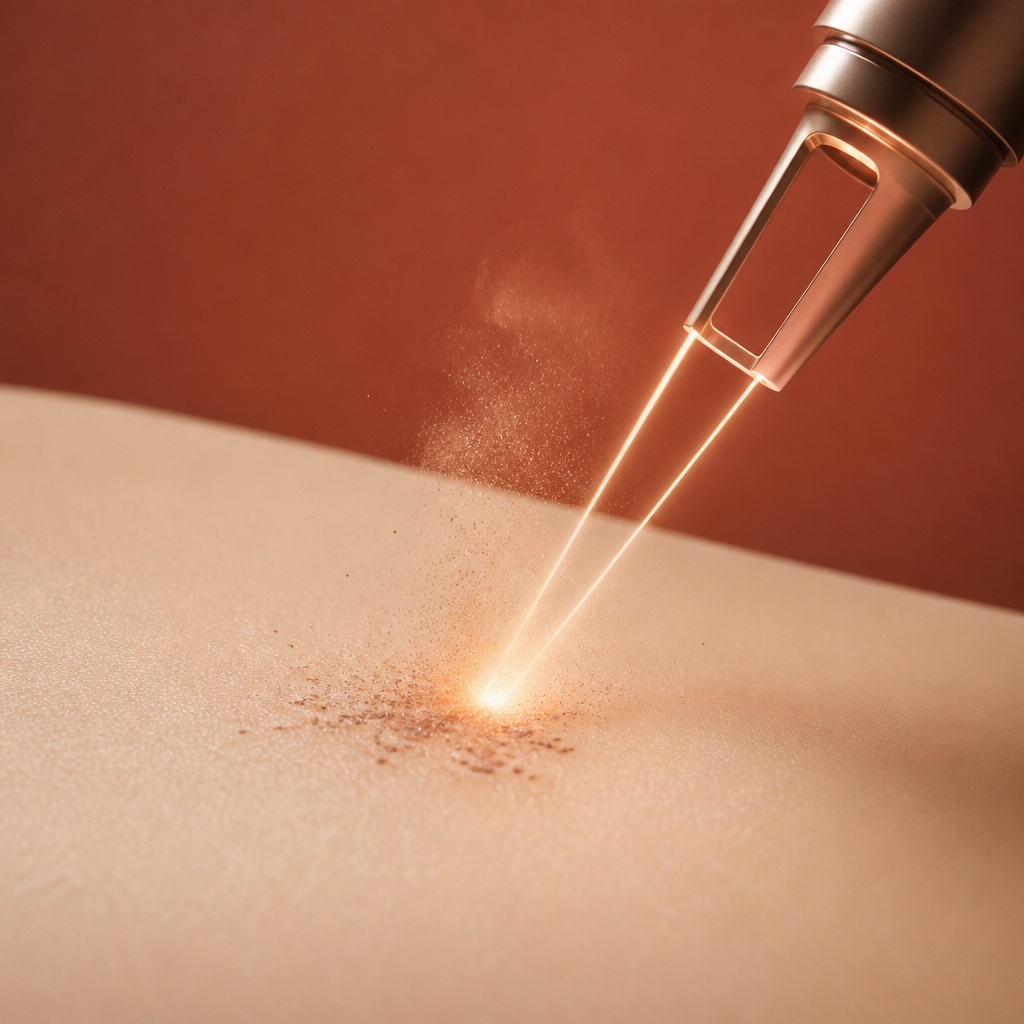
Korea has a deep, everyday familiarity with pigment-focused laser care, and that shows in how gently and steadily these treatments are designed. Rather than chasing one dramatic result, the approach here leans toward gradual, controlled sessions that respect the skin barrier — which is exactly what stubborn melasma needs.
For international patients, that matters. Melasma responds best to patient, well-spaced care, and I'd rather guide you toward a realistic plan than a quick fix that flares your pigment back up. We adjust everything to your pigment type — this is not a one-menu-fits-all condition.
The melasma treatments we actually use at REDI
Here's an honest look at the non-surgical, pigment-focused tools we reach for, and when each makes sense.
Laser toning — the gentle, gradual workhorse
Laser toning uses a uniform, low-intensity laser beam that minimizes damage to the epidermis while working on melasma, blemishes, and stubborn pigment. The key word is gradual: rather than removing pigment aggressively in one go, it refines toward an even tone across several sessions while limiting irritation. This makes it well suited to steady, ongoing melasma care. Downtime is little to none, and each session runs about 15 minutes. Results vary by individual.
Pico toning — lower thermal irritation
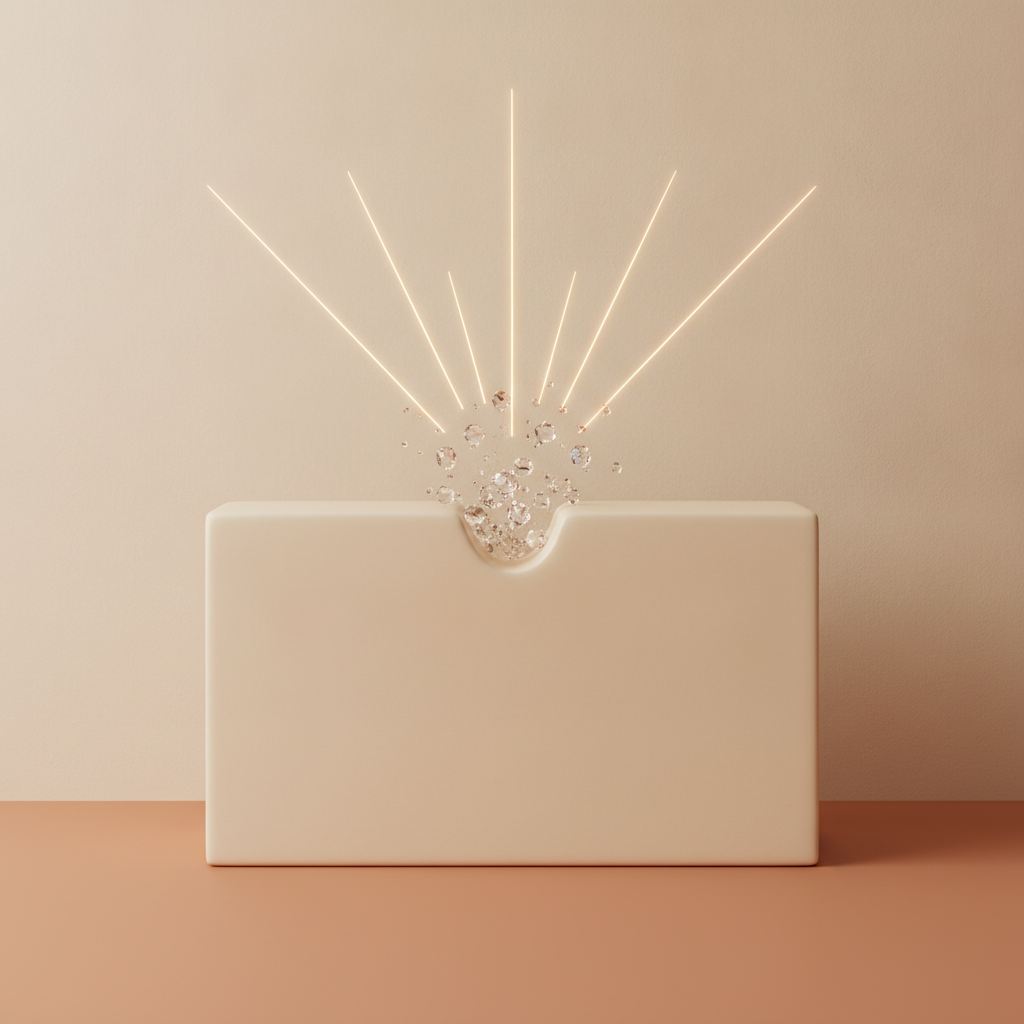
Pico toning delivers high energy in picoseconds (one-trillionth of a second), breaking pigment into fine particles while reducing thermal irritation compared with conventional toning. For melasma — especially in more reactive or darker skin — that lower heat load can matter, because too much heat is one of the things that provokes melasma to rebound. It's used for melasma, blemishes, and dull tone, and we adjust the parameters to your pigment depth and type. Little to no downtime, about 15 minutes per session.
Helios IV — flexible Q-switched laser
Helios IV uses a 785 nm wavelength with high melanin absorption and is used flexibly for blemishes, melasma, and pigmented lesions as well as toning. We select the mode and intensity by diagnosing your pigment type and depth. Downtime is minimal — usually 1–2 days.
Supporting the skin, not just chasing the pigment
Melasma sits in irritable, easily inflamed skin, so calming and barrier support are part of the plan — not an afterthought. Depending on your skin, we may fold in soothing options such as LDM ultrasound to calm the skin, or Ionzyme to support hydration and tone gently without irritation. A calmer skin barrier is a melasma barrier. Results vary by individual.
Melasma treatment and darker skin tones (Fitzpatrick IV–VI)
This is where I want to be very direct, because it matters most for many of my international patients. If you have a deeper skin tone, aggressive laser settings are risky — they can trigger post-inflammatory hyperpigmentation, which looks like the very thing you came to fix.
That's exactly why the gentle, repeated, low-irritation philosophy of laser toning and pico toning suits melasma so well. We start conservatively, watch how your skin responds, and build the plan around your tolerance rather than a fixed protocol. This is not a treatment where "stronger" means "better." Results vary by individual.
Downtime and a realistic timeline for visitors flying in
Melasma care is a series, not a single dramatic visit — so let me set expectations honestly.
- Day 0 (treatment day): Laser toning and pico toning have little to no downtime, so you can usually go about your day. Helios IV may leave minimal redness.
- Day 1–2: Any mild redness typically settles. This is a fine window to fly if you've had toning.
- Week 1 onward: Tone evens gradually. You will not walk out "clear" after one session — and that's normal and intended for melasma.
If you're visiting Korea, we can front-load a few sessions during your stay and then continue your care remotely. Because melasma is ongoing, this is a condition where our online aftercare really earns its keep — we stay in touch after you fly home, guide your sun protection and home care, and adjust as needed.
Language, consultation, and how a visit works
You won't have to navigate this alone. We have English- and Chinese-speaking interpreters on site, and I consult and treat my patients personally — from diagnosis through the procedure. You can message us on WhatsApp beforehand so we understand your concern before you even arrive, and airport pickup is available.
Melasma is an elective, non-insured aesthetic treatment, and we discuss pricing transparently at your consultation rather than quoting a one-size number online — because your plan depends entirely on your pigment type and how many sessions we map out together (roughly USD figures included so there are no surprises).
Takeaways
- Melasma is chronic and recurring — realistic, gradual care beats any promised "one-session cure." Results vary by individual.
- At REDI we're diagnosis-first, matching you to laser toning, pico toning, or Helios IV based on your pigment type and depth.
- Darker skin tones (Fitzpatrick IV–VI) need a gentle, low-irritation approach to avoid rebound pigmentation — which is exactly how these toning treatments are designed.
- Downtime is minimal, so visitors can often fly within a day or two after toning, and continue with online aftercare from home.
- Interpreters are on site, and I handle your consultation and treatment personally — melasma care works best as an ongoing partnership, not a one-time visit.
Frequently asked
Can melasma be cured in one laser session in Korea?
No. Melasma is a chronic, recurring condition, and laser toning is designed to work gradually across several gentle sessions rather than clearing pigment in one go. At REDI we diagnose your pigment type first, then plan the number and interval of sessions together. Results vary by individual.
Is melasma treatment safe for darker skin tones (Fitzpatrick IV–VI)?
Melasma in darker skin needs a careful, lower-irritation approach because aggressive lasers can trigger post-inflammatory pigmentation. We favor gentle, repeated toning and options like pico toning that reduce thermal irritation, and we always begin with a diagnosis. Results vary by individual.
How much downtime does melasma laser treatment have?
Laser toning and pico toning have little to no downtime, so most visitors return to daily activities right away. Helios IV toning may involve minimal redness for 1–2 days. We confirm your expected recovery at consultation.
How many sessions will I need, and can I do them while visiting Korea?
Melasma care is a series, not a single visit, so we plan a realistic number and interval based on your pigment type. If you're flying in, we can front-load sessions during your stay and continue with online aftercare once you're home.
What's the difference between laser toning and pico toning for melasma?
Laser toning uses low-intensity laser across sessions to even tone gently, while pico toning delivers ultra-short picosecond pulses to break pigment with lower thermal irritation. We choose or combine them based on your pigment depth and skin type.
Keep reading
More on this from Dr. Min Jeong.



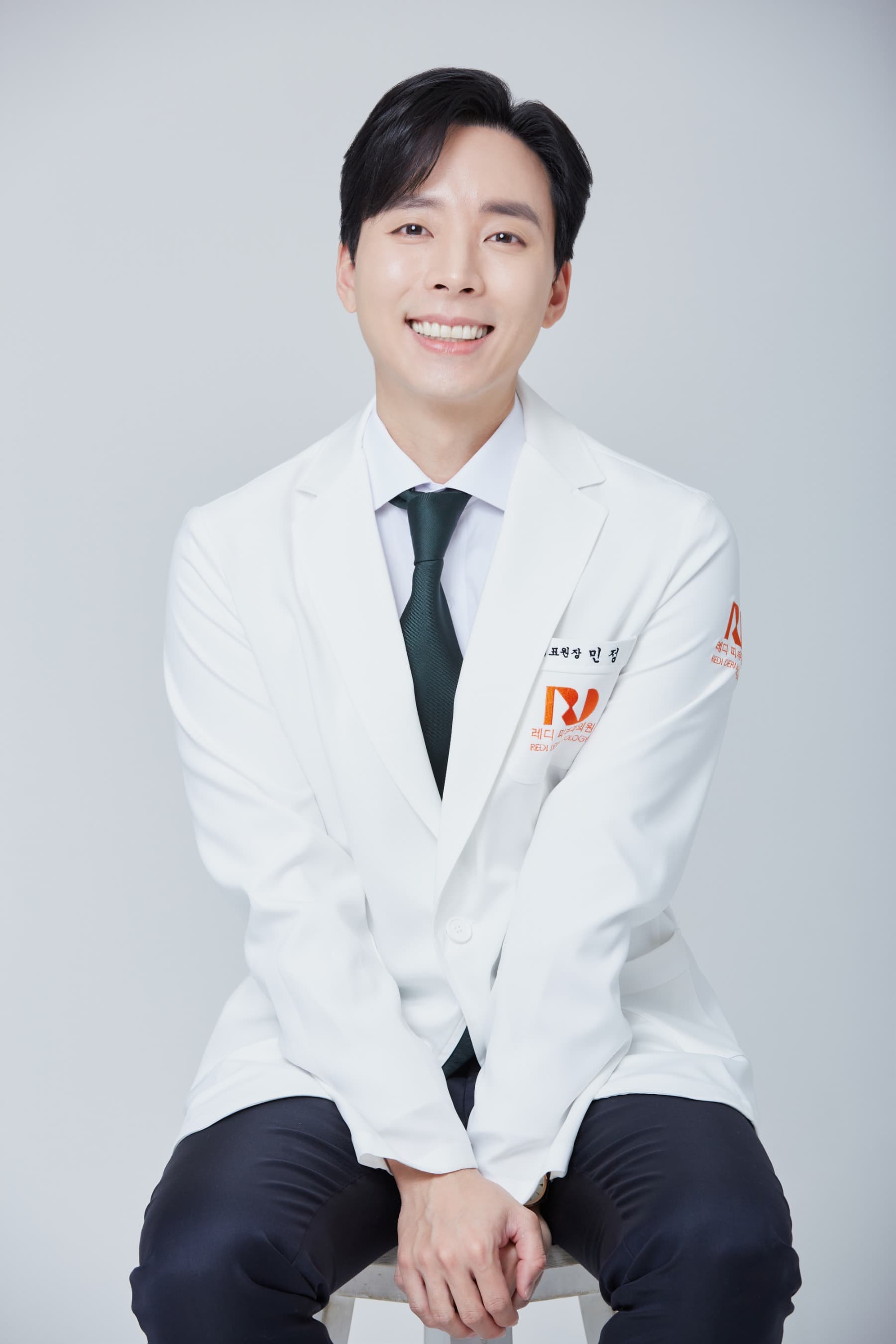
Dr. Min Jeong
Founding director, REDI Dermatology · Seoul
“A treatment isn’t shopping. I’d rather diagnose first and recommend only what your skin genuinely needs — the same way I’d advise my own family.”
Board-certified dermatologist — trained at Kangbuk Samsung Hospital, and former Chief of Dermatology at the ROK Ministry of National Defense.
Recognized by VAIM as Korea's highest-volume Juvelook injector, with 15,000+ vials of hands-on experience; KOL for MIRAJET, Potenza and Oligio.
A regular speaker on clinical dermatology at Korean medical symposiums, including Juvelook clinical-experience panels.
Why international patients choose REDI
Interpreters in the room
English and Chinese, on site for your consultation and treatment.
Board-certified doctors only
Every procedure by a dermatology specialist — never unsupervised staff.
15,000+ Juvelook vials
Hands-on volume most clinics have not reached.
Airport pickup arranged
So your first day in Seoul isn't spent lost with luggage.
Aftercare once you're home
Online follow-up, so a question next week still reaches your doctor.
Explore the treatment
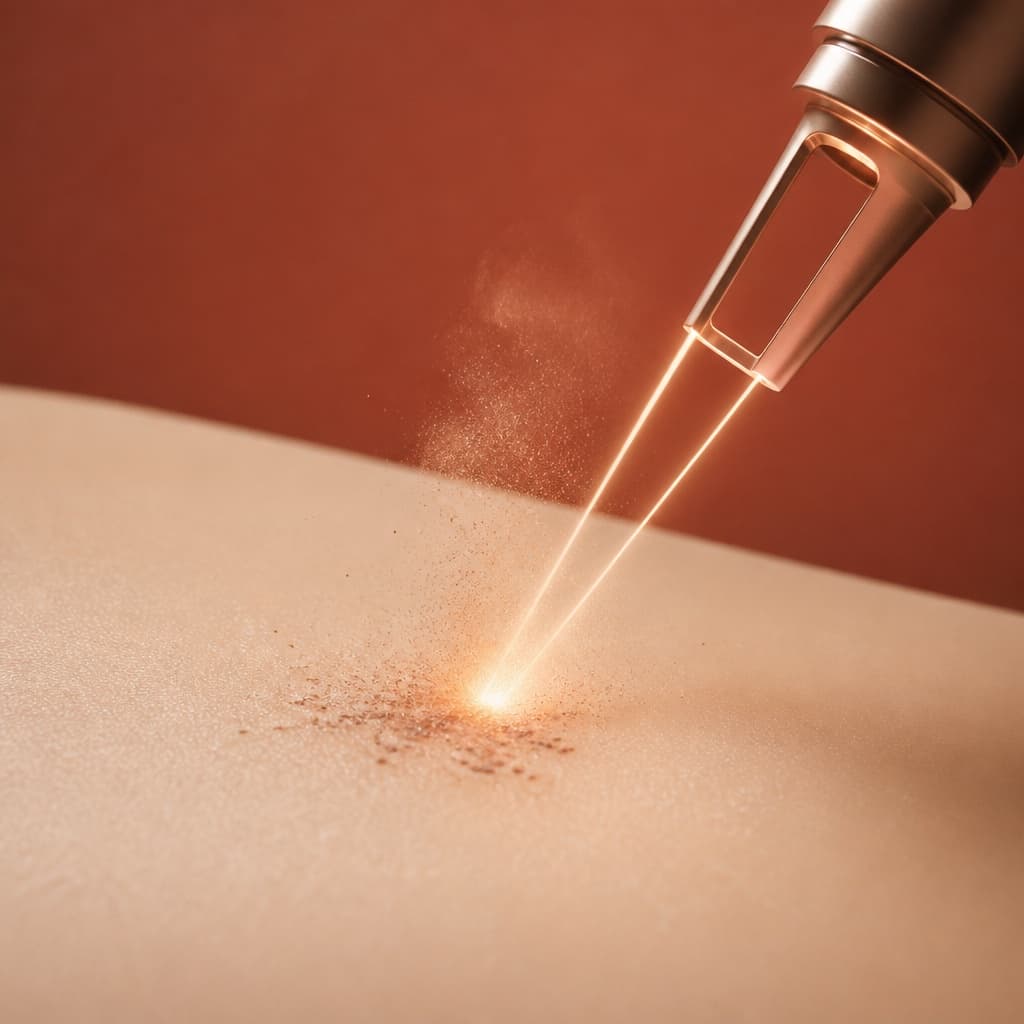
Laser Toning
A uniform laser beam minimizes damage to the epidermis while treating melasma, blemishes, and stubborn pigmentary conditions.
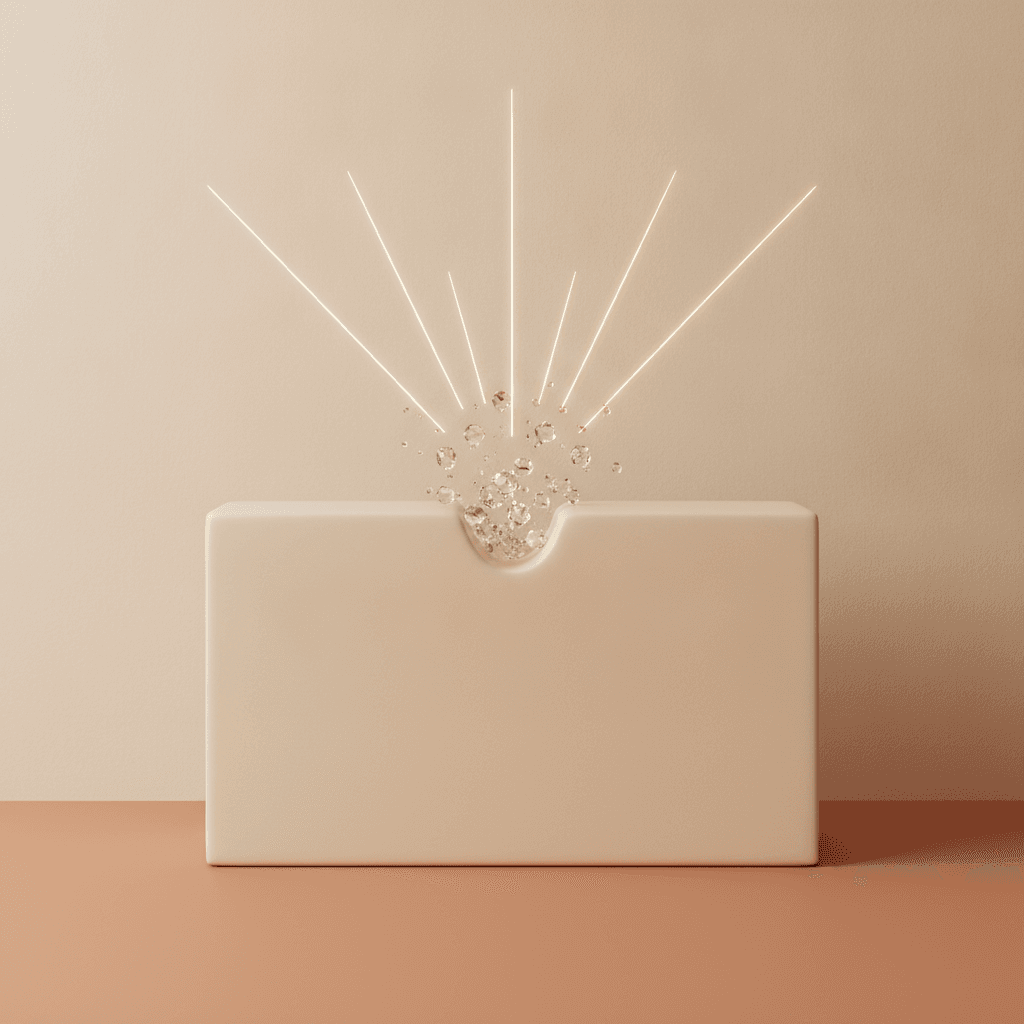
Pico Toning
By delivering high energy in picoseconds (one-trillionth of a second), it minimizes skin damage and clears pigmented lesions that were previously difficult to treat.
Visit REDI Dermatology
4F & 5F, DM Tower Bldg. 2, 105 Bangbae-ro, Seocho-gu, Seoul, Korea
길찾기 (Get directions)Medically reviewed by Dr. Min Jeong, board-certified dermatologist · Last updated August 1, 2026
This article is general information, not medical advice. Results vary by individual. These are elective, non-insured aesthetic treatments. Please consult a board-certified doctor about your own case.