
Pico Laser Seoul: Toning or Fraxel? Know Which One You're Booking Before You Fly
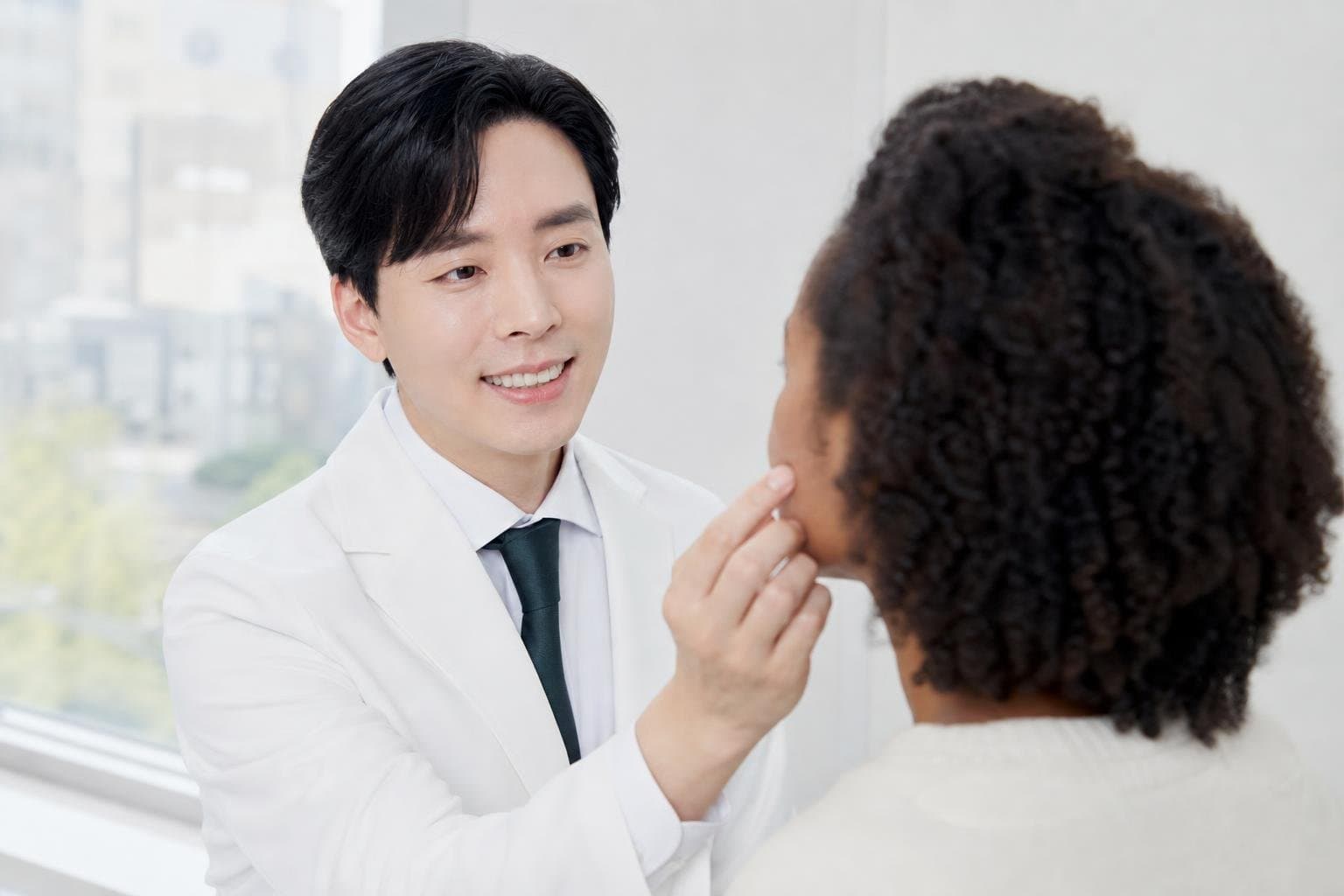
Hello, I'm Dr. Min Jeong, and I run REDI Dermatology in Seoul. My training is in hospital dermatology: residency and board certification at Kangbuk Samsung Hospital, then Chief of Dermatology at the Medical Office of Korea's Ministry of National Defense. Visitors often write to us asking for "pico laser Seoul" appointments, and when I ask what they want it for, the answers range from melasma to acne scars to a tattoo.
The short answer: "pico laser" is a family of treatments, not a single one. At our clinic it means two quite different things: pico toning for pigment, and pico fraxel for scars, pores and texture. They use similar technology, but they suit different people, feel different and recover differently. Please read to the end, because booking the wrong one is the most common mistake I see from patients planning a short stay.
| Pico toning | Pico fraxel | |
|---|---|---|
| Main use | Melasma, blemishes, dull or uneven tone | Acne scars, pores, rough texture, with some pigment |
| How the energy is laid down | Low energy spread evenly across the face | A fractional pattern of tiny stimulation zones |
| Time per session | About 15 minutes | About 20 minutes |
| Downtime (our data) | Little to none | One to three days of possible redness or swelling |
| Typical plan | A course of sessions, then maintenance | A few sessions spaced weeks apart |
What makes a laser "pico" at all
Picosecond lasers deliver energy in trillionths of a second. That is roughly a thousand times shorter than the nanosecond pulse of a conventional toning laser. The practical point is less heat spreading into the skin around each target. Pigment can be shattered into finer particles, and the surrounding tissue is disturbed less.
That gentleness is the reason pico laser Seoul clinics use it so widely for pigment. It is valuable in Korean pico toning, because melasma darkens when it is provoked by heat and irritation. It is also why pico fraxel can build collagen inside the skin while largely sparing the surface.
Pico toning in Korea: for pigment, patiently
Pico toning is the one most people mean. The energy is low and laid down evenly in repeated passes, breaking pigment down gradually. It suits:
- Melasma that has been properly diagnosed as melasma
- A mix of fine blemishes and uneven tone
- People who want visible change without peeling or a recovery period
It is not a one-visit eraser. I have written separately about how it fits alongside laser toning in my pico toning article, so I won't repeat that here. What I want to add for pico laser Seoul visitors is why the same name can give very different results from clinic to clinic.
Why the device and the handpiece matter more than the brand
Before I opened REDI, I tried more picosecond lasers than I would like to admit. They differ far more than their shared label suggests, and I chose mine only after a long comparison.
One detail patients never ask about is spot size. A larger spot carries the laser deeper into the dermis, which matters for melasma because its pigment sits at varying depths. The trade-off is that the same energy setting feels very different over a larger area. Think of a hot bath: dipping one finger in is not the same as climbing in. So a large spot has to be used with more care, not less, and I set my own parameters for it rather than simply following the preset.
This is also my honest answer to people searching for "PicoSure Korea" or "PicoSure Seoul". PicoSure is one brand of picosecond laser. The name on the machine tells you much less than how it is set up for your skin type, the depth of your pigment and how your skin has reacted before.
Pico fraxel Seoul: for scars, pores and texture
Pico fraxel uses picosecond pulses in a fractional pattern. Instead of an even wash of energy, it creates many microscopic zones of stimulation inside the skin, below an intact surface, which prompt collagen to rebuild around them. It suits:
- Rolling or shallow acne scars
- Enlarged pores and rough texture
- Scarring that comes with pigment or dullness
The depth at which those zones form decides how well it works. I have tested this myself on my own settings, because matching that depth is what separates a helpful session from one that only reddens the skin. For deeper scars, pico fraxel is often one part of a plan rather than the whole plan; I cover the wider options in my guide to acne scar treatment in Korea and in my pico fraxel article.
Which pico laser Seoul patients actually need
A quick way to sort yourself before you message us about a pico laser Seoul appointment:
- Is your concern colour, or shape? Brown patches, blotchy tone and melasma are colour; that points to toning. Pitted scars and pores are shape; that points to fraxel.
- Do you have both? Many faces do. Then we decide the order, and whether both belong in the same trip, at consultation.
- Have you had toning elsewhere that stopped working? Sometimes the pigment has been broken down as far as one approach can take it, and the plan needs to change rather than repeat.
- Is it actually melasma? Look-alikes need different settings. That is why diagnosis comes before any laser.
Patients with deeper skin tones, Fitzpatrick types IV to VI, are more prone to darkening after inflammation, so I start conservatively with either treatment and increase only when the skin allows.
Fitting a pico laser into a trip to Seoul
Pico toning takes about 15 minutes with little to none in the way of downtime, so you can have a session in the morning and walk around the city in the afternoon. The limit is the course, not recovery. On a short trip, one session soon after landing and another before you fly is realistic. Staying a few weeks allows a steadier rhythm.
Pico fraxel takes about 20 minutes, and recovery is one to three days of possible redness or mild swelling. I schedule it early in a stay so the skin has settled before your flight home. Mineral sunscreen and a gentle routine matter in the days after.
English- and Chinese-speaking interpreters are on site for consultation and treatment. A specialist reads your skin in person before anything is recommended, and the same doctor performs the treatment. Once you are home, we keep in touch online; photos taken in the same daylight every few weeks tell me more than any description. Both are elective, non-insured aesthetic treatments, and the plan and cost are explained at consultation.
Takeaways
- A pico laser Seoul booking can mean two different treatments: pico toning for pigment, or pico fraxel for scars, pores and texture.
- Pico toning has little to no downtime but works as a course; pico fraxel needs one to three days of possible redness or swelling.
- Spot size, depth and settings matter more than the brand on the machine.
- Deeper skin tones need a conservative start. Results vary by individual.
- Diagnosis first: colour problems and shape problems need different lasers.
Related reading on this topic
- Density Skin Tightening Treatment Korea: What the RF Tip Does, Who It Suits, and How Long to Stay
- Elravie Korea: What Re2O Puts Back Into Your Skin, and Why the Delivery Method Matters
- Exosomes Korea: Why Seoul Dermatologists Don't Inject Them, and How They're Used Instead
- Korean Anti Aging, Layer by Layer: What a Seoul Dermatologist Actually Plans for Your Face
- Korean Dark Circle Treatment: Why the Type of Shadow Decides Everything
- Korean Dark Spot Treatment: Which Spots One Trip Can Clear, and Which Need a Course
- Korean Laser Treatment: A Dermatologist's Map of Which Laser Does What, and How Long Each Keeps You in Seoul
- Korean Wrinkle Treatment: Why Seoul Dermatologists Treat Lines in Layers, Not With One Injection
- LDM Seoul: When I Book This Ultrasound Facial on a Trip, and When I Don't
- Lifting Laser Korea: Most Korean Lifts Aren't Lasers, and Why That Changes How You Plan a Trip
- Radiesse Korea: Why It Isn't a Filler, Where It Works, and What Happens After the First Month
- Rejuran Korea: Why Technique Matters More Than the Vial, and What to Ask a Clinic in Seoul
- Sofwave Korea: Why Seoul Took to This Lift for Thin Faces, and Who Should Skip It
- Tune Face Korea: The Lift for Faces That Aren't Too Full or Too Thin
More from the clinic
Frequently asked
What is the difference between pico toning and pico fraxel?
Both use picosecond pulses, but they are different treatments. Pico toning passes low energy evenly across the skin to break down pigment such as melasma and dull tone, with little to no downtime. Pico fraxel applies the pulses in a fractional pattern to create tiny zones of stimulation inside the skin for pores, acne scars and texture, and can leave some redness or mild swelling for one to three days.
Is PicoSure available in Korea?
PicoSure is one brand of picosecond laser, and many clinics in Korea use several different picosecond devices. The brand matters less than how the laser is set up for your skin: the pulse, the spot size and the energy. At consultation we explain exactly which device and settings we plan to use.
How many pico toning sessions will I need?
Pigment such as melasma responds to a course rather than a single session. On a short trip you may have one or two sessions, then continue at home or on your next visit. The plan depends on your diagnosis, and results vary by individual.
Can I fly home the day after pico fraxel?
Usually yes. Recovery is one to three days of possible redness or mild swelling. Flying does not stop healing, but I prefer to schedule pico fraxel early in your stay so any redness settles before you travel.
Does pico laser hurt?
Pico toning is generally comfortable and most people do not need numbing. For pico fraxel we apply numbing cream or cooling when needed. Sensation varies by person.
Keep reading
More on this from Dr. Min Jeong.

Pico Fraxel for Acne Scars and Pores: What It Can Rebuild Beneath the Surface, and What It Can't
8 min read

Pico Toning for Melasma: Why Stronger Isn't Better, and When I Switch From Laser Toning
5 min read

Melasma Treatment in Korea: A Dermatologist's Honest Guide to What Works (and What to Expect)
6 min read

Dr. Min Jeong
Founding director, REDI Dermatology · Seoul
“A treatment isn't shopping. I'd rather diagnose first and recommend only what your skin genuinely needs — the same way I'd advise my own family.”
Board-certified dermatologist — trained at Kangbuk Samsung Hospital, and former Chief of Dermatology at the ROK Ministry of National Defense.
Juvelook Key Opinion Leader — 15,000+ vials administered, Korea's highest-volume clinic (Apr 2025). Key Opinion Leader titles are granted by device companies and carry no legal standing.
A regular speaker on clinical dermatology at Korean medical symposiums, including Juvelook clinical-experience panels.
Why international patients choose REDI
Interpreters in the room
English and Chinese, on site for your consultation and treatment.
Board-certified doctors only
Every procedure by a dermatology specialist — never unsupervised staff.
15,000+ Juvelook vials — No.1 in Korea
Hands-on volume most clinics have not reached.
Airport pickup arranged
So your first day in Seoul isn't spent lost with luggage.
Aftercare once you're home
Online follow-up, so a question next week still reaches your doctor.
Explore the treatment
Pico Toning
By delivering high energy in picoseconds (one-trillionth of a second), it minimizes skin damage and clears pigmented lesions that were previously difficult to treat.
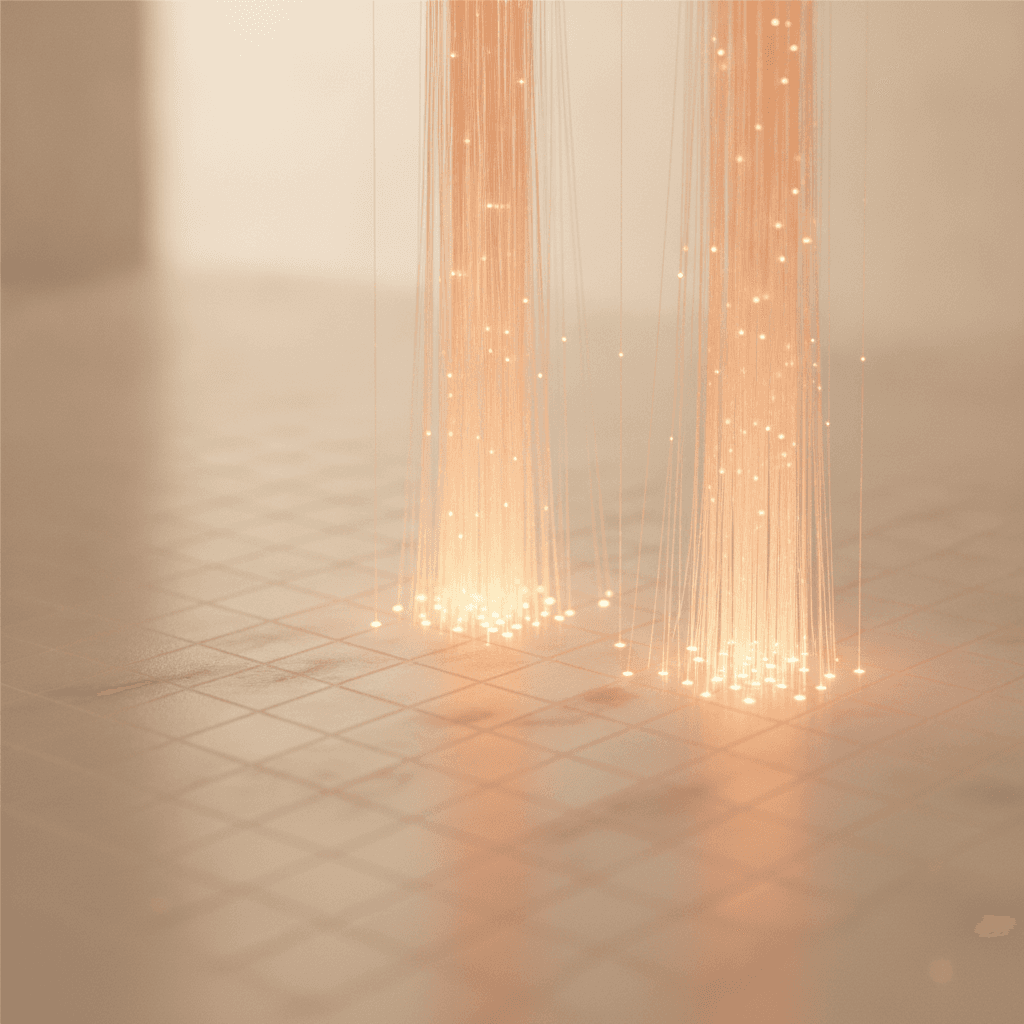
Fractional Picosecond Laser
Without damaging the skin's surface, it creates microscopic channels within the skin to stimulate surrounding collagen regeneration and soften acne scars. MLA and DOE technologies make pore and scar improvement even more effective.
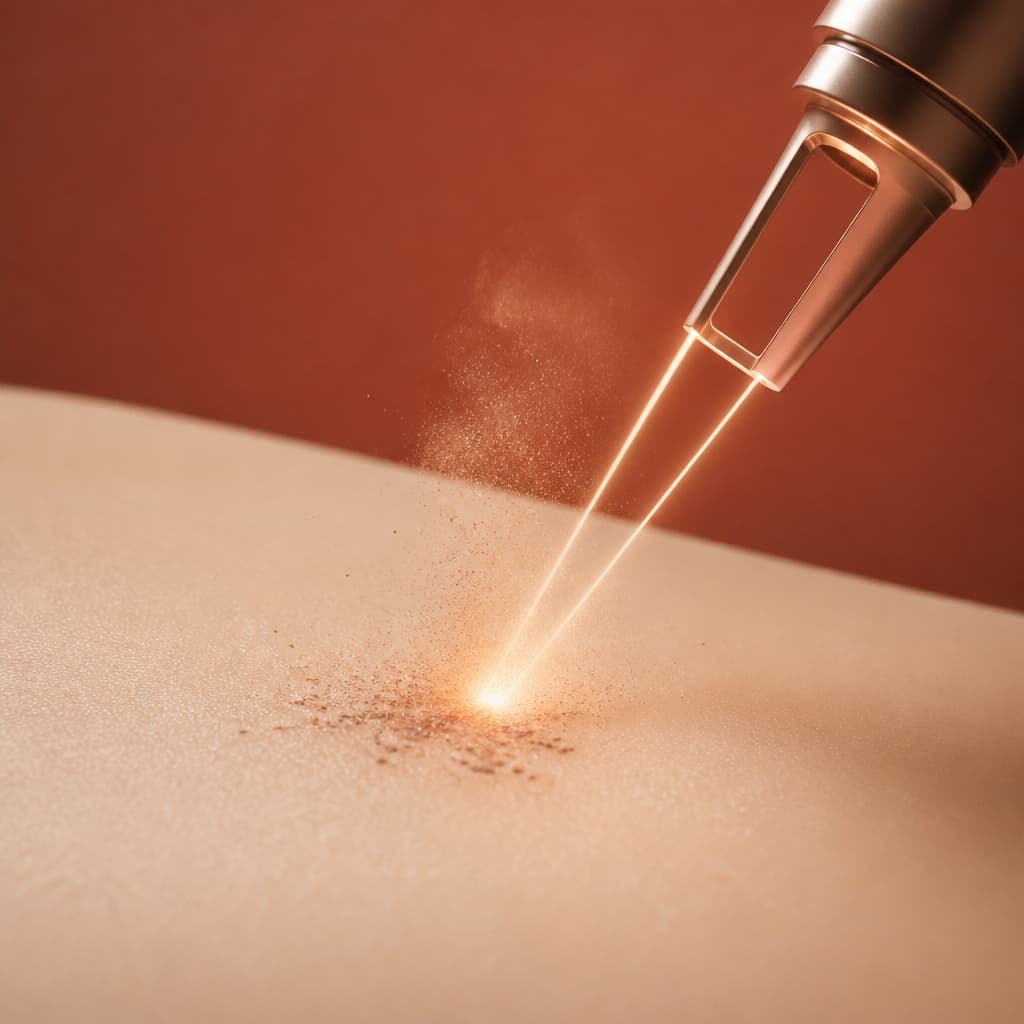
Laser Toning
A uniform laser beam minimizes damage to the epidermis while treating melasma, blemishes, and stubborn pigmentary conditions.
Visit REDI Dermatology
4F & 5F, DM Tower Bldg. 2, 105 Bangbae-ro, Seocho-gu, Seoul, Korea
길찾기 (Get directions)Medically reviewed by Dr. Min Jeong · Last updated
This article is general information, not medical advice. Results vary by individual. These are elective, non-insured aesthetic treatments. Please consult a board-certified doctor about your own case.
Ask what your skin actually needs
Free online consultation