
Freckles vs Melasma: Two Kinds of Brown Spots, Two Very Different Treatment Plans
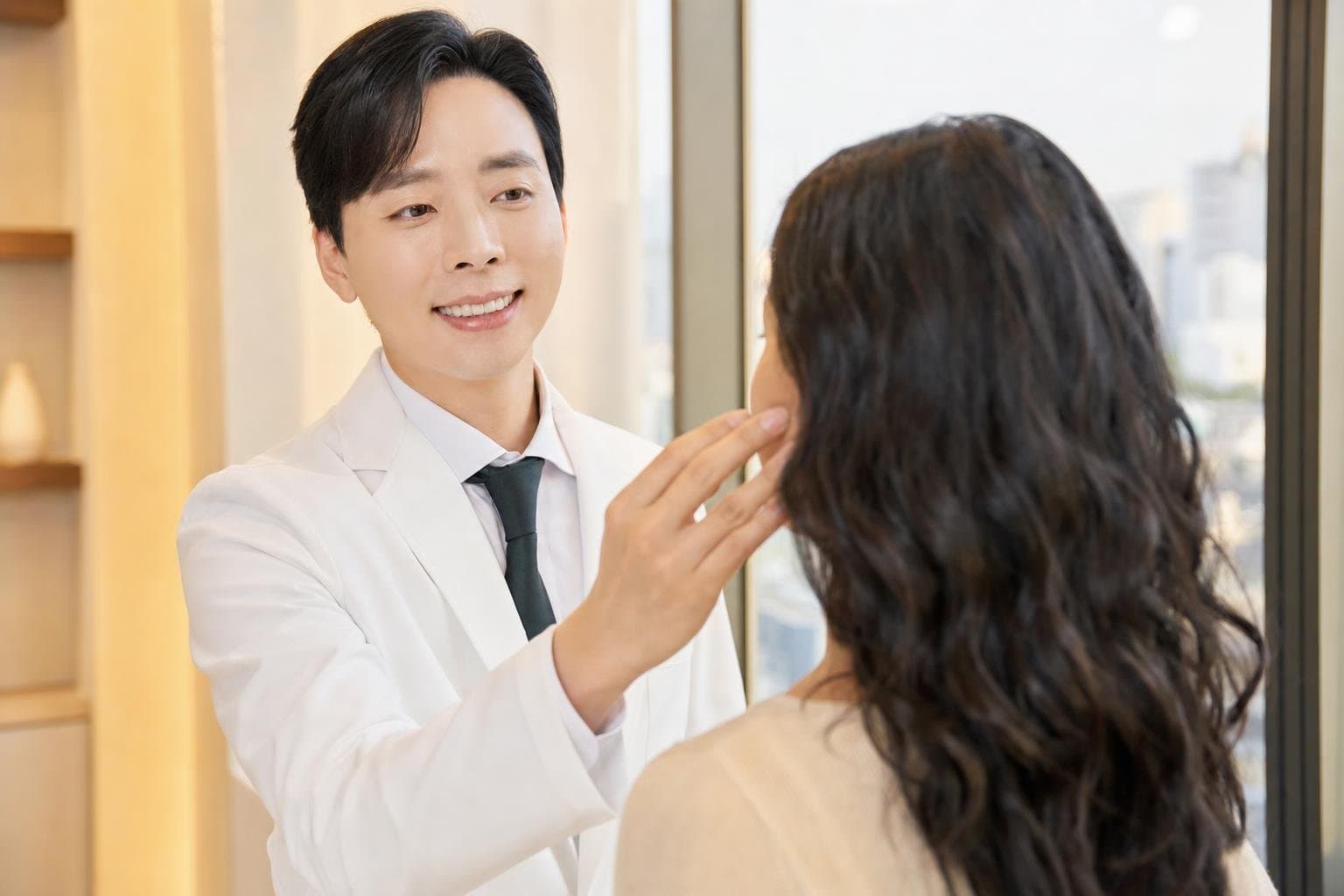
Hi, I'm Dr. Min Jeong, the founding dermatologist at REDI Dermatology in Seoul. I did my dermatology residency and board certification at Kangbuk Samsung Hospital and later headed dermatology at the Medical Office of Korea's Ministry of National Defense. Freckles vs melasma is a question I hear almost daily, usually from someone who has already paid for a treatment that did nothing, or made things darker.
The short answer: freckles are small, separate dots of pigment spread evenly and symmetrically, and they can usually be cleared. Melasma is a broad, blurred patch with pigment spread at different depths, and it reacts badly to heat, so it needs a slow, gentle course and ongoing care. Treat melasma the way you would treat a freckle and it can get worse. Please read to the end, because in freckles vs melasma, getting the diagnosis right is most of the work.
| At a glance | |
|---|---|
| Freckles | Small separate dots, often clearable |
| Melasma | Broad patches, improved and maintained |
| Main tool for melasma | Low-energy laser toning over a course |
| Time per session | About 15 minutes |
| Downtime | Little to none |
Pepper on a plate, or ink soaked into paper
The picture I sketch for patients is simple. Freckles look like pepper scattered on a plate: lots of little specks, each one separate, spread fairly evenly across the cheeks and very often over the bridge of the nose. You could, in theory, pick them off one at a time.
Melasma looks more like watercolour that has soaked into paper. It is a wash rather than a dot, with blurred, irregular borders that often look as though someone drew them with a brush. It usually sits over both cheekbones in a roughly mirror-image pattern, and it sometimes appears on the forehead. You cannot lift it off with one clean stroke, because it is not sitting on top.
Freckles vs melasma, side by side
This is the freckles vs melasma comparison I walk through in the consultation room. No single row settles it on its own, but together they point clearly one way or the other.
| Freckles | Melasma | |
|---|---|---|
| Look | Small, round, separate brown dots | Broad, map-like patch with blurred edges |
| Location | Spread evenly over the face, often the nose | Both cheekbones, sometimes the forehead |
| Pattern | Symmetrical, evenly scattered dots | Blurred patches with pigment at mixed depths |
| What provokes it | Not the key clue for freckles | Sun, visible light, heat, hormones, friction |
| How they respond to laser | Can be targeted directly and cleared | Needs low-energy toning over many sessions |
| Risk of worsening | Low when the settings suit your skin | Real: over-treatment can darken it or leave pale blotches |
Why the same laser gives opposite results
This is the heart of the freckles vs melasma question, and it is why the difference matters so much.
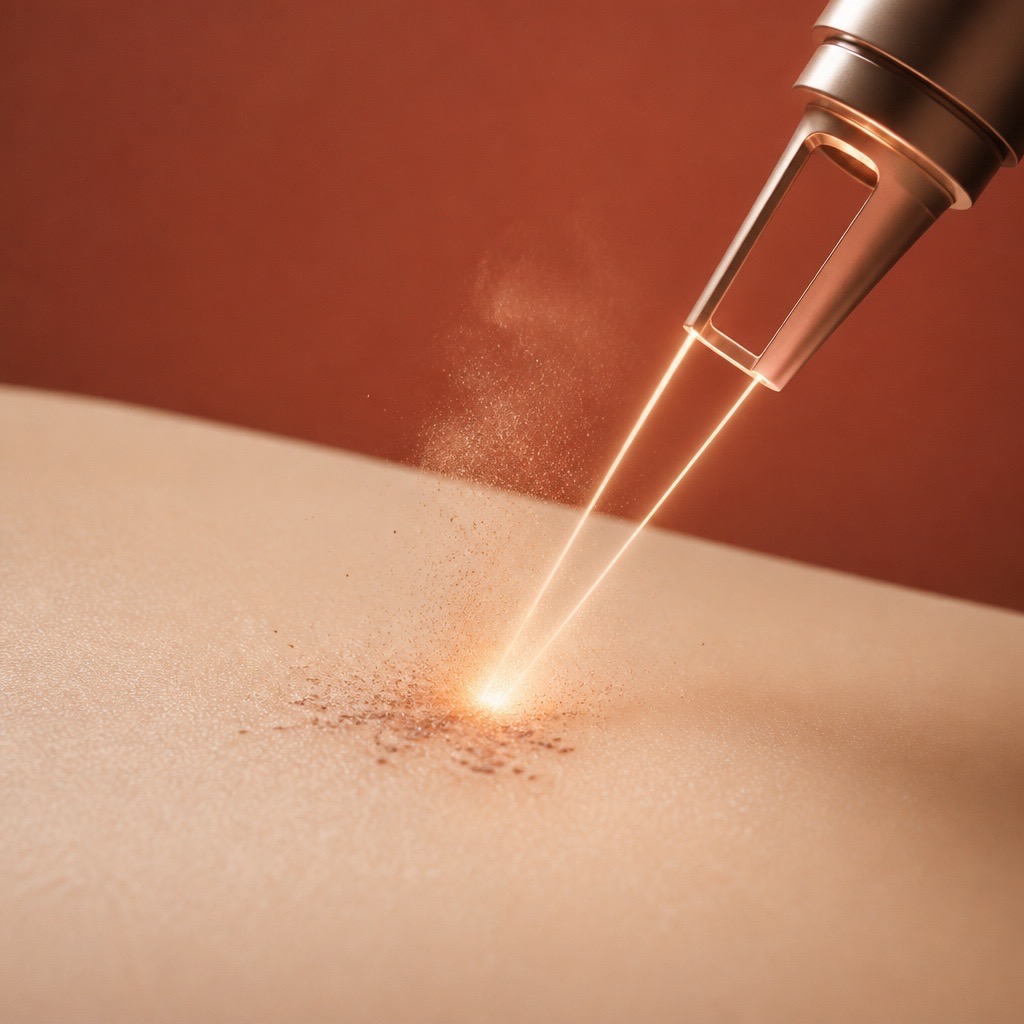
A freckle is a small, contained deposit of pigment. A pigment laser at the right setting breaks it up, the body clears it, and the spot fades. Freckles can usually be cleared this way, and they don't need a long series of gentle visits to get there.
Melasma is a different animal. When we look at it under the microscope, it is not just extra pigment. Years of sun and hormonal influence change the surrounding skin as well, and the pigment sits at several depths. Melasma is also easily provoked: heat, UV, even the visible light from indoor lamps, and rough handling of the skin can all deepen it. If you aim a strong, spot-removing laser at it, you often trigger exactly the reaction you were trying to avoid. The patch comes back darker, or the skin loses colour in blotches. Both results are much harder to fix than the original melasma.
So for melasma, the backbone is laser toning: low energy, many gentle passes, repeated over a course. I sometimes bring in pico toning as well, adjusting the balance as the pigment responds, which I explain in more detail in my article on pico toning in Korea.
When it is neither: the look-alike I check for
A surprising number of people who tell me their melasma "never responds" turn out to have something else. The most common one is acquired bilateral nevus of Ota-like macules, usually shortened to ABNOM. Four questions help me tell it apart:
- Are there marks at the outer edges of the forehead or on the sides of the nose?
- Is it made of many small round spots, rather than one connected patch?
- Does it stay the same after sun exposure instead of darkening?
- Does it have a slightly bluish or grey tint?
If most of the answers are yes, ABNOM moves up my list. Unlike melasma, it can often be cleared once it is treated with the right laser at the right strength, which is why a misdiagnosis wastes so much time. Plenty of faces also carry a mix: some melasma, some freckles, a few sun spots. When that is the case, each type is handled with its own settings within the same visit.
What treatment looks like for each
If it is freckles, the plan is fairly short. The spots are targeted directly and fade as the skin clears the pigment. Sun protection afterwards helps keep new spots from settling in.
If it is melasma, think in seasons rather than appointments. Visits are close together at the start and spaced out later, and the change builds quietly until friends notice before you do. Even then, it is a condition to keep in check rather than one to cross off a list.
One warning sign I watch for is the opposite of what people expect: a patch that vanishes too quickly. Racing ahead invites rebound, so I would rather keep the pace steady.
Results vary by individual. For the wider picture of how we approach stubborn patches, see my guide to melasma treatment in Korea, and for pigment that follows acne or irritation, my article on hyperpigmentation treatment.
Skin tone changes the settings, not the diagnosis
The shape and location clues work for every skin tone, but the treatment settings do not. Patients with deeper skin, Fitzpatrick types IV to VI, are more prone to darkening after inflammation, so I begin with more conservative energy and raise it only when the skin shows it can tolerate more. This applies to freckle treatment too, not only to melasma.
Coming to Seoul for a pigment check
If you are unsure where you land on freckles vs melasma, the most useful thing a visit can give you is a proper diagnosis. A toning session takes about 15 minutes and has little to none in the way of downtime, so you can be treated in the morning and back out in the city the same afternoon.
A simple way to plan: see me for diagnosis and a first session on the day you arrive or the next morning, drop by for a quick look on the third day of your stay, and if you are here for a week or more, fit in a second session before your flight. Our interpreters cover English and Chinese, and I look after your case myself from the first examination onward. Once you are home, a few selfies taken by the same window, sent every few weeks, let us review progress online. This is an elective, non-insured aesthetic treatment, and the plan and cost are explained at your consultation.
Takeaways
- In freckles vs melasma, freckles are the small, separate, shallow dots spread over the face and nose; they can usually be cleared.
- Melasma is a broad, blurred patch on both cheekbones with pigment at mixed depths; it is improved and then maintained.
- A strong spot laser suits freckles but can darken melasma, which is why melasma is treated with gentle toning over a course.
- Look-alikes such as ABNOM are common, so diagnosis comes before any laser.
Related reading on this topic
- Laser Toning in Korea: Why It Works Slowly, Who It Suits, and What It Can't Fix
- Agnes Laser in Korea: The Not-Quite-Laser for Repeat Breakouts and Stubborn Nose Blackheads
- Pico Fraxel for Acne Scars and Pores: What It Can Rebuild Beneath the Surface, and What It Can't
- Potenza Korea: What Your Dermatologist Should Be Adjusting Before the First Pass
More from the clinic
Frequently asked
How can I tell if I have freckles or melasma?
Freckles are small, separate brown dots spread fairly evenly across the face, often including the nose. Melasma is a broader, irregular patch with blurred edges, usually on both cheekbones and sometimes the forehead, shaped more like a map than a dot. Many faces have both, so a dermatologist's examination is the reliable way to know.
Can freckles turn into melasma?
They are different conditions rather than stages of one another, but they often appear on the same face. Someone who freckles easily tends to make pigment readily, and melasma can develop alongside the freckles later on.
Why does laser make melasma worse but not freckles?
Melasma reacts to heat and irritation. A laser strong enough to lift a freckle in one go can provoke melasma, leaving it darker or leaving pale blotches. That is why melasma is treated with low-energy laser toning over a course of sessions, while freckles can be targeted more directly.
Can melasma be cured like freckles?
Freckles can usually be cleared. Melasma is better thought of as a condition you improve and then maintain, because sun, heat and hormones can bring it back. Results vary by individual.
Is it possible it is neither freckles nor melasma?
Yes. One look-alike I see often is acquired bilateral nevus of Ota-like macules (ABNOM): small, round, slightly bluish spots, often at the outer forehead or the sides of the nose, that do not darken much in the sun. It is treated differently from melasma, so the diagnosis matters.
Keep reading
More on this from Dr. Min Jeong.

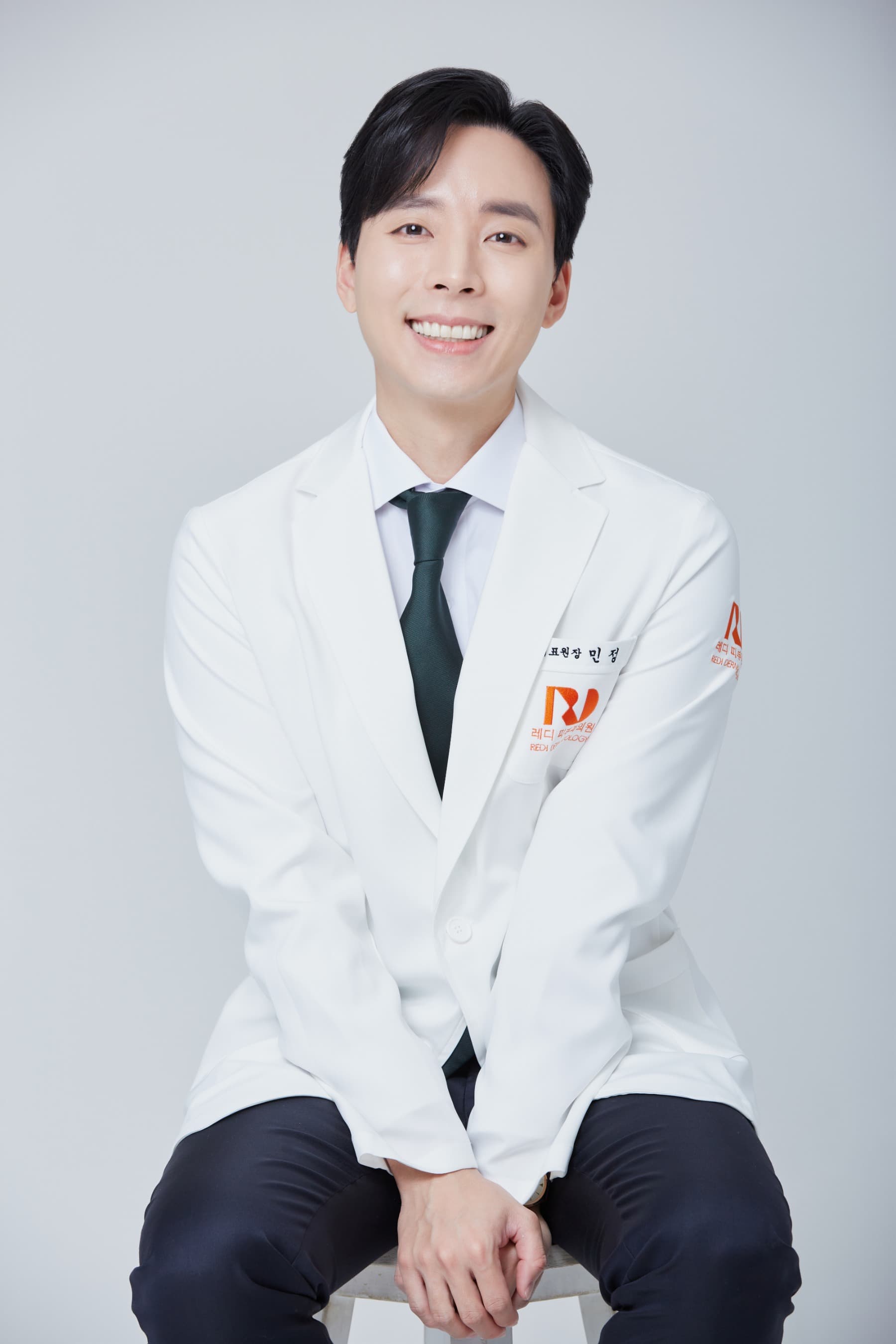
Dr. Min Jeong
Founding director, REDI Dermatology · Seoul
“A treatment isn't shopping. I'd rather diagnose first and recommend only what your skin genuinely needs — the same way I'd advise my own family.”
Board-certified dermatologist — trained at Kangbuk Samsung Hospital, and former Chief of Dermatology at the ROK Ministry of National Defense.
Juvelook Key Opinion Leader — 15,000+ vials administered, Korea's highest-volume clinic (Apr 2025). Key Opinion Leader titles are granted by device companies and carry no legal standing.
A regular speaker on clinical dermatology at Korean medical symposiums, including Juvelook clinical-experience panels.
Why international patients choose REDI
Interpreters in the room
English and Chinese, on site for your consultation and treatment.
Board-certified doctors only
Every procedure by a dermatology specialist — never unsupervised staff.
15,000+ Juvelook vials — No.1 in Korea
Hands-on volume most clinics have not reached.
Airport pickup arranged
So your first day in Seoul isn't spent lost with luggage.
Aftercare once you're home
Online follow-up, so a question next week still reaches your doctor.
Explore the treatment
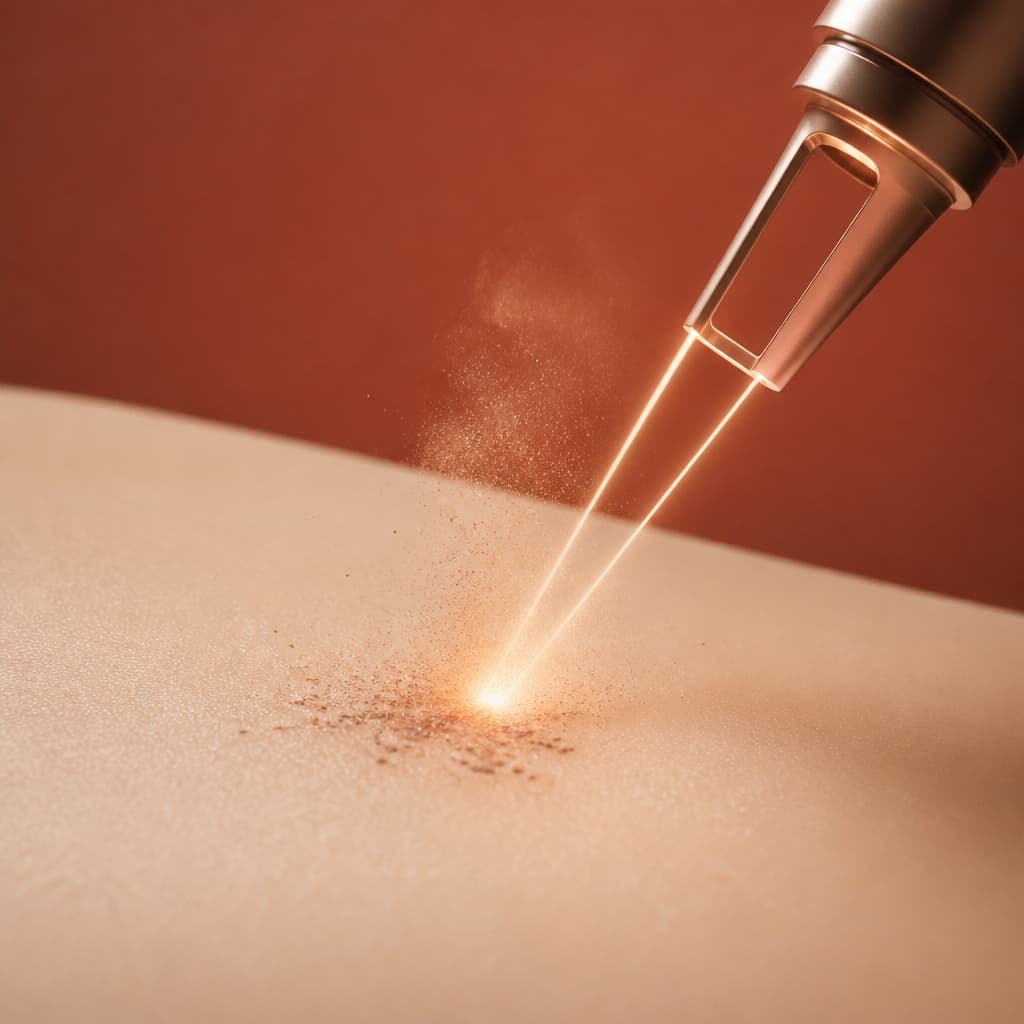
Laser Toning
A uniform laser beam minimizes damage to the epidermis while treating melasma, blemishes, and stubborn pigmentary conditions.
Pico Toning
By delivering high energy in picoseconds (one-trillionth of a second), it minimizes skin damage and clears pigmented lesions that were previously difficult to treat.
Visit REDI Dermatology
4F & 5F, DM Tower Bldg. 2, 105 Bangbae-ro, Seocho-gu, Seoul, Korea
길찾기 (Get directions)Medically reviewed by Dr. Min Jeong · Last updated
This article is general information, not medical advice. Results vary by individual. These are elective, non-insured aesthetic treatments. Please consult a board-certified doctor about your own case.
Ask what your skin actually needs
Free online consultation