
Pico Toning for Melasma: Why Stronger Isn't Better, and When I Switch From Laser Toning
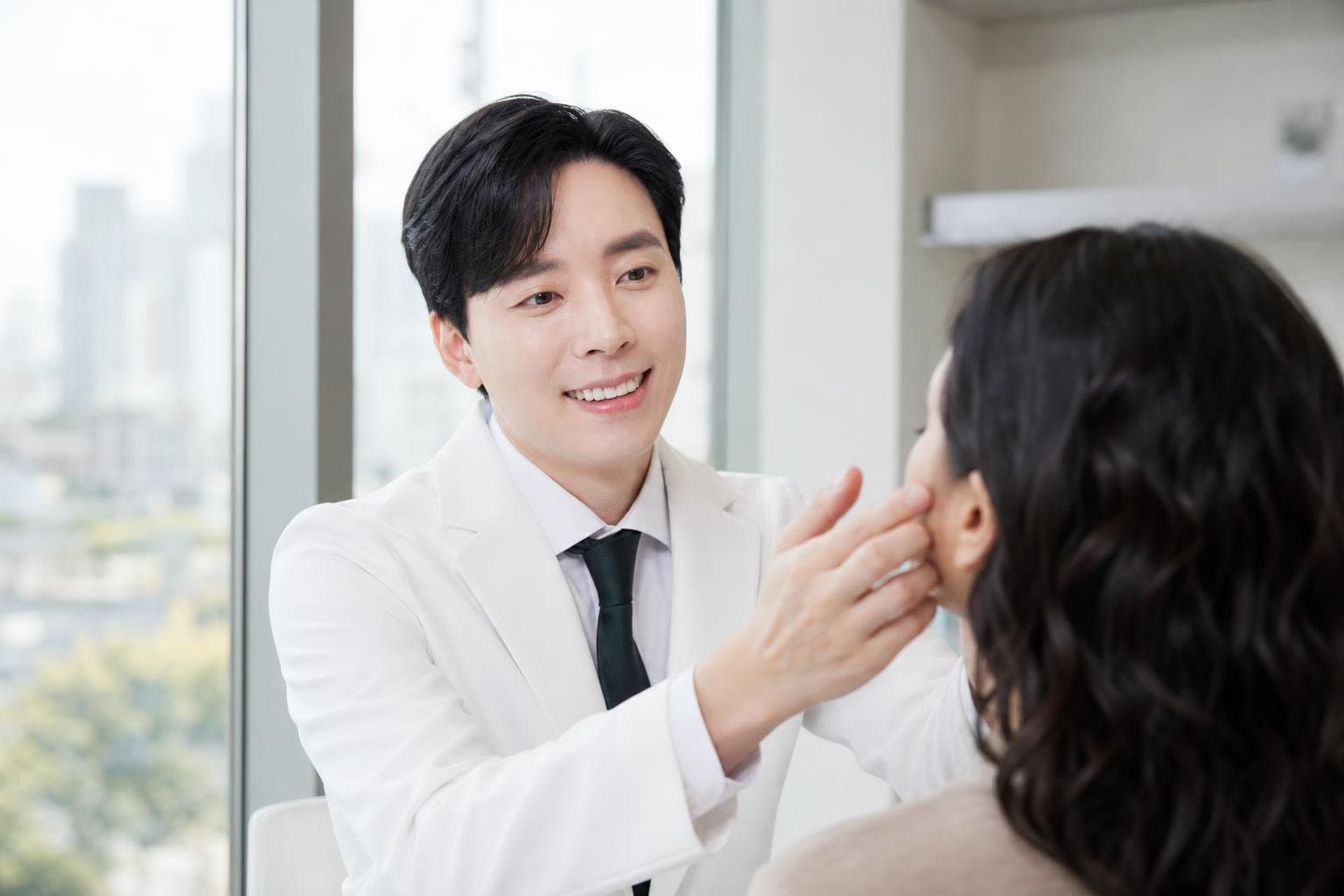
Hello, I'm Dr. Min Jeong. I run REDI Dermatology in Seoul, and I trained and became a board-certified dermatologist at Kangbuk Samsung Hospital, served as Chief of Dermatology at the Medical Office of Korea's Ministry of National Defense, and melasma is one of the concerns I see most often from international patients.
The short answer: pico toning is a gentle, repeated laser treatment for pigment such as melasma. Its advantage is precision — it disturbs the surrounding skin less than conventional laser toning. It is not a one-visit eraser, and doing it more strongly usually makes melasma worse, not better. Please read to the end, because how it is planned matters more than the device name.
| At a glance | |
|---|---|
| What it treats | Melasma, blemishes, dull or uneven tone |
| Time per session | About 15 minutes |
| Downtime | Little to none |
| Course | Several sessions, adjusted as the pigment responds |
| Best paired with | Laser toning, in a balance set for your skin |
Pico toning vs laser toning: a hammer and a carving knife
Both treatments commonly use the same 1064 nm wavelength at low energy, passed repeatedly over the skin. The difference is the pulse width — how long the energy takes to arrive. Laser toning delivers it in nanoseconds (a billionth of a second). Pico toning delivers it in picoseconds, a thousand times shorter.
The way I explain it in the consultation room: laser toning is a hammer, good at breaking larger clumps of pigment. Pico toning is a carving knife, better for fine work and less disruptive to the tissue around the pigment. You would not peel an apple with a hammer, and you would not use a paring knife to split wood.
Why melasma needs a gentle hand
Melasma is not an ordinary spot. The pigment sits at varying depths, and it reacts to heat and irritation. Treat it too strongly and it darkens. Treat it too weakly and nothing changes. That is why toning looks simple but is difficult to do well: the energy has to be set for your skin sensitivity, the depth and location of the pigment, and your skin type.
This matters even more for darker skin tones. Patients with Fitzpatrick types IV to VI are more prone to post-inflammatory darkening, so I set conservative parameters and increase them only when the skin tells me it can take more.
When the carving knife earns its place
Laser toning has the longest track record for melasma, and in the early phase it shrinks large pigment clusters well. But there often comes a point where the clusters are already small, progress slows, and continuing with the same approach starts to irritate the surrounding skin. That is when the carving knife matters: it keeps breaking down the remaining fine pigment while disturbing the surrounding tissue less.
My own practice has changed over the years. I used to begin with laser toning and switch later. Today I often bring pico toning in from the start and adjust the balance between the two as the pigment responds. For some skin, the older sequence is still right. That is exactly why I don't sell fixed "ten sessions of this" packages — the right treatment is decided at each visit.
What a realistic course looks like
- Each visit: about 15 minutes, no numbing needed for most people.
- Afterwards: little to none in the way of downtime — mild redness that usually fades within hours.
- Progress: gradual, visit by visit. Judge it with photos taken in the same light, not the bathroom mirror.
- Maintenance: melasma is influenced by sun, heat and hormones, so it can return. Daily sun protection is part of the treatment, not an optional extra.
Results vary by individual. If your pigment turns out to be something other than melasma — a freckle, a sun spot, or a deeper mark — the plan changes, which is why a diagnosis comes first. I cover the wider picture in my guide to melasma treatment in Korea.
Planning pico toning around a trip
Because there is almost no downtime, a session fits easily into a visit to Seoul — you can have treatment in the morning and walk around the city in the afternoon. The harder part is that melasma responds to a course, not a single session. Many international patients start with one or two visits while they are here, then continue with maintenance at home or on a later trip. Tell us your dates before we plan and I will be straightforward about what fits.
For international patients
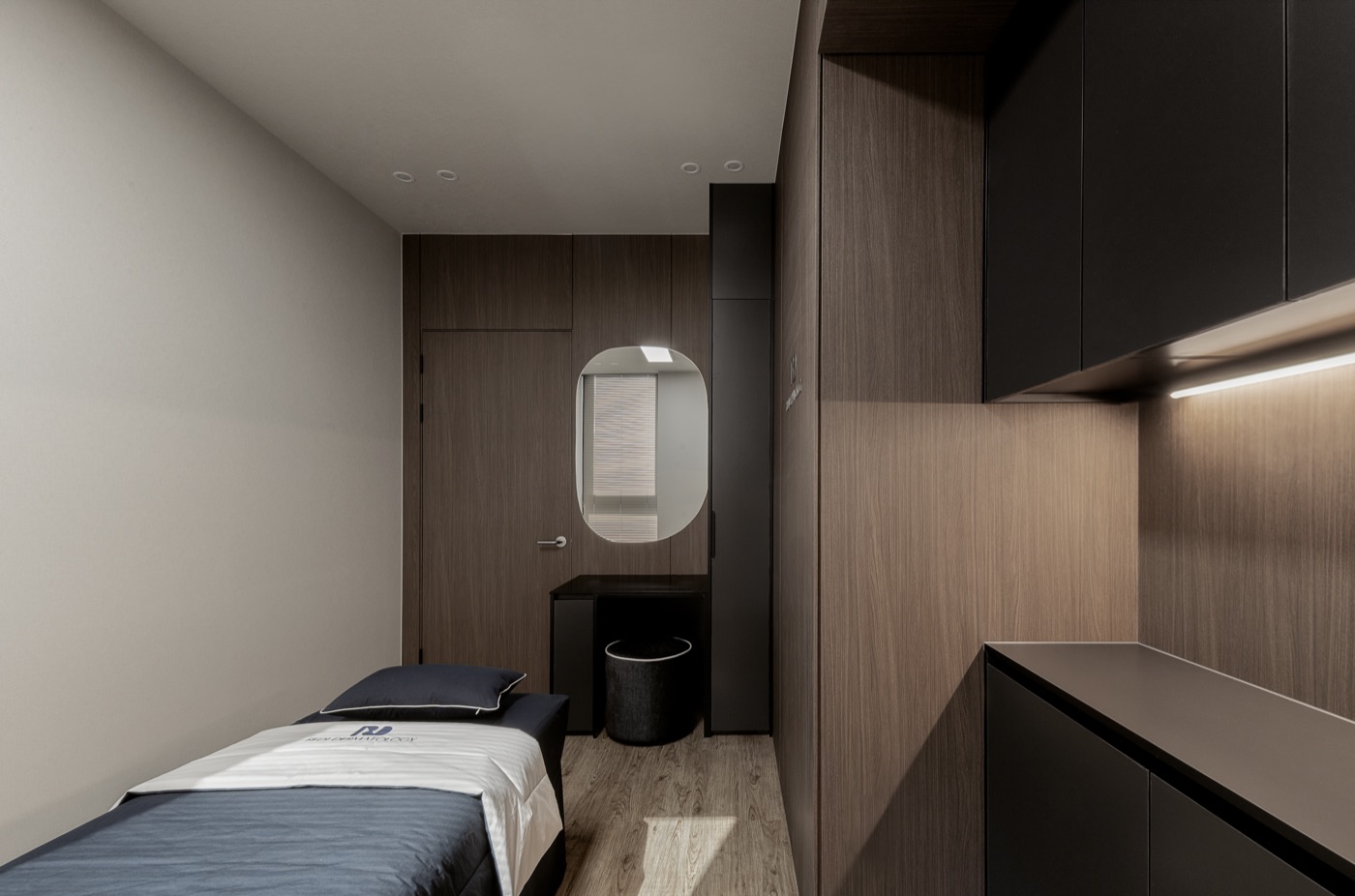
English- and Chinese-speaking interpreters are on site for the consultation and the treatment, and I see you myself from diagnosis through the procedure. After you return home, follow-up continues online — a photo every few weeks in the same window light is the most useful thing you can send me. Pico toning is an elective, non-insured aesthetic treatment, and the full plan and cost are explained at consultation once I have seen your pigment.
Takeaways
- Pico toning is a gentle, repeated laser for melasma and uneven tone; it disturbs the surrounding skin less than laser toning.
- Stronger is not better. Melasma darkens when provoked, so the energy is tailored to your skin.
- Laser toning and pico toning work best as a balance that changes with the pigment's response, not as a fixed package.
- Little to none in the way of downtime, but melasma needs a course and daily sun protection.
Related reading on this topic
More from the clinic
Frequently asked
What is pico toning?
It is a low-energy laser treatment delivered in picosecond pulses — a trillionth of a second — repeated over a course of sessions to gradually break down pigment such as melasma. The very short pulse means less heat spreads into the surrounding skin.
Is pico toning better than laser toning?
Neither is simply better. Laser toning uses nanosecond pulses and remains the most studied treatment for melasma; pico toning affects the surrounding skin less. I often use both, adjusting the balance as the pigment responds.
How many pico toning sessions do I need?
Melasma needs a course rather than a single visit, and the right number depends on how deep and widespread it is. I plan it session by session instead of selling a fixed package, because the pigment's response tells me when to change the approach.
Is there downtime after pico toning?
Little to none. Most people have mild redness that settles the same day and can go straight back to their plans.
Can pico toning make melasma worse?
Treatment that is too strong can. Melasma is easily provoked by heat, so the energy has to be tailored to your skin, and stronger settings are not the goal. Results vary by individual.
Keep reading
More on this from Dr. Min Jeong.

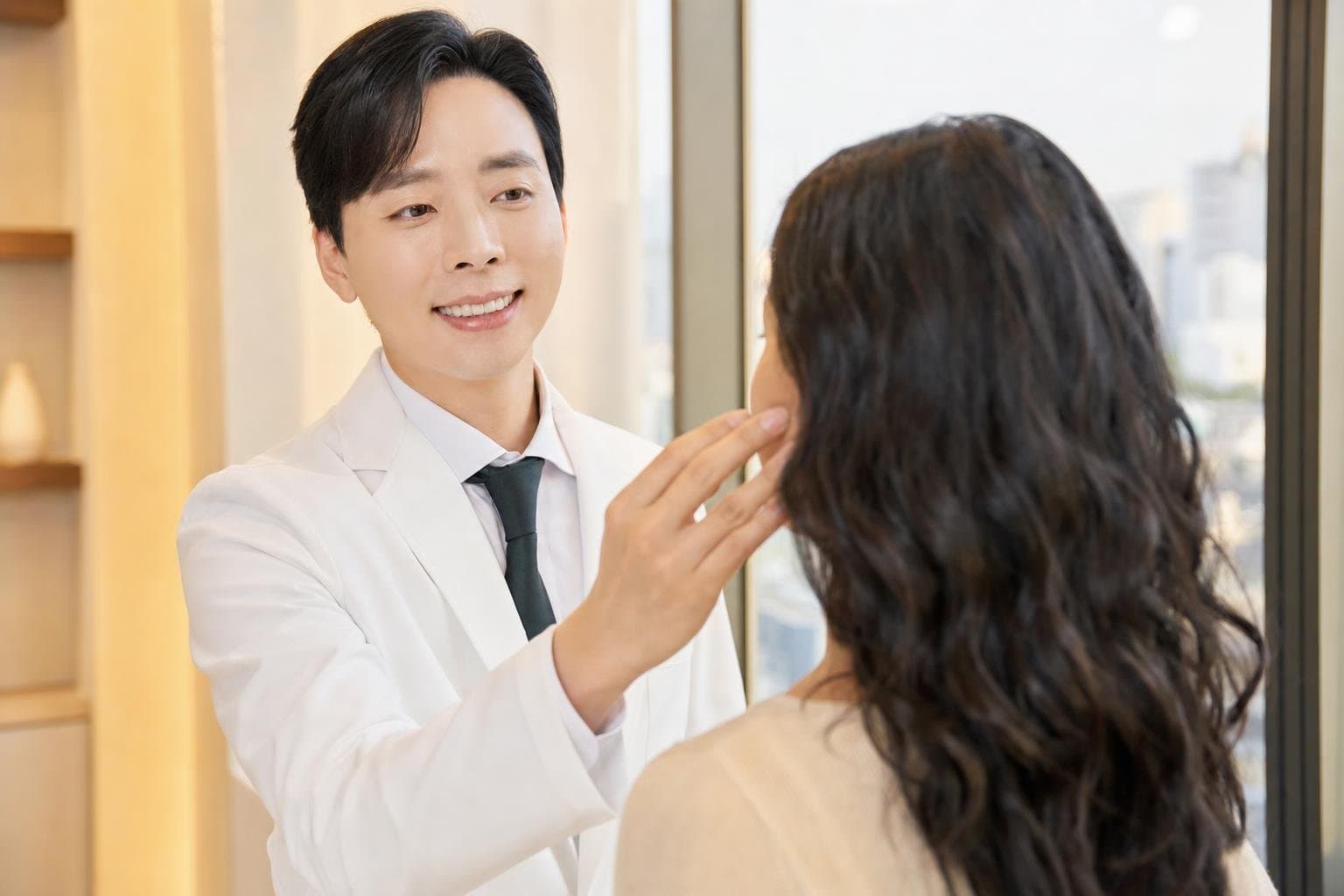

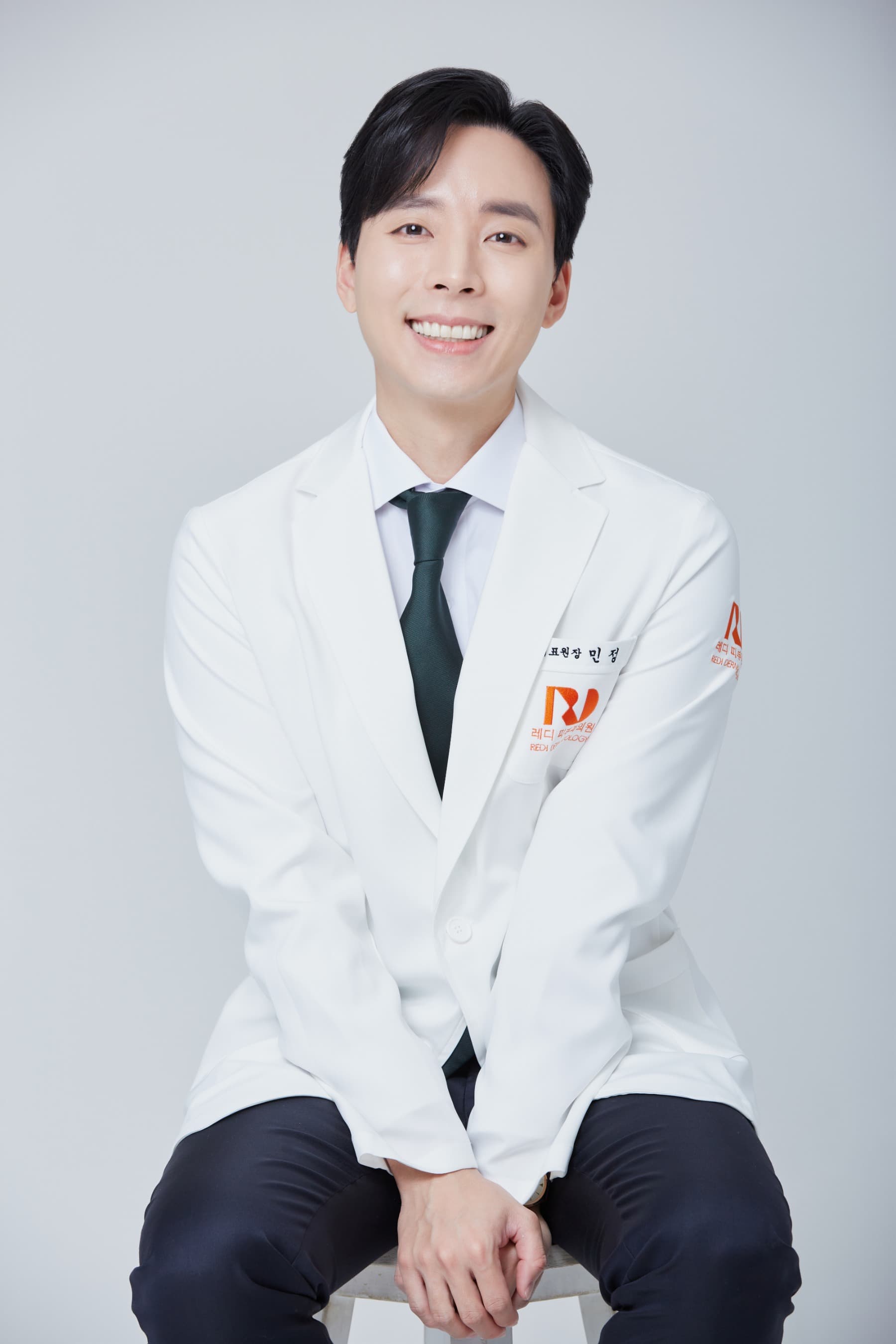
Dr. Min Jeong
Founding director, REDI Dermatology · Seoul
“A treatment isn't shopping. I'd rather diagnose first and recommend only what your skin genuinely needs — the same way I'd advise my own family.”
Board-certified dermatologist — trained at Kangbuk Samsung Hospital, and former Chief of Dermatology at the ROK Ministry of National Defense.
Juvelook Key Opinion Leader — 15,000+ vials administered, Korea's highest-volume clinic (Apr 2025). Key Opinion Leader titles are granted by device companies and carry no legal standing.
A regular speaker on clinical dermatology at Korean medical symposiums, including Juvelook clinical-experience panels.
Why international patients choose REDI
Interpreters in the room
English and Chinese, on site for your consultation and treatment.
Board-certified doctors only
Every procedure by a dermatology specialist — never unsupervised staff.
15,000+ Juvelook vials — No.1 in Korea
Hands-on volume most clinics have not reached.
Airport pickup arranged
So your first day in Seoul isn't spent lost with luggage.
Aftercare once you're home
Online follow-up, so a question next week still reaches your doctor.
Explore the treatment
Pico Toning
By delivering high energy in picoseconds (one-trillionth of a second), it minimizes skin damage and clears pigmented lesions that were previously difficult to treat.
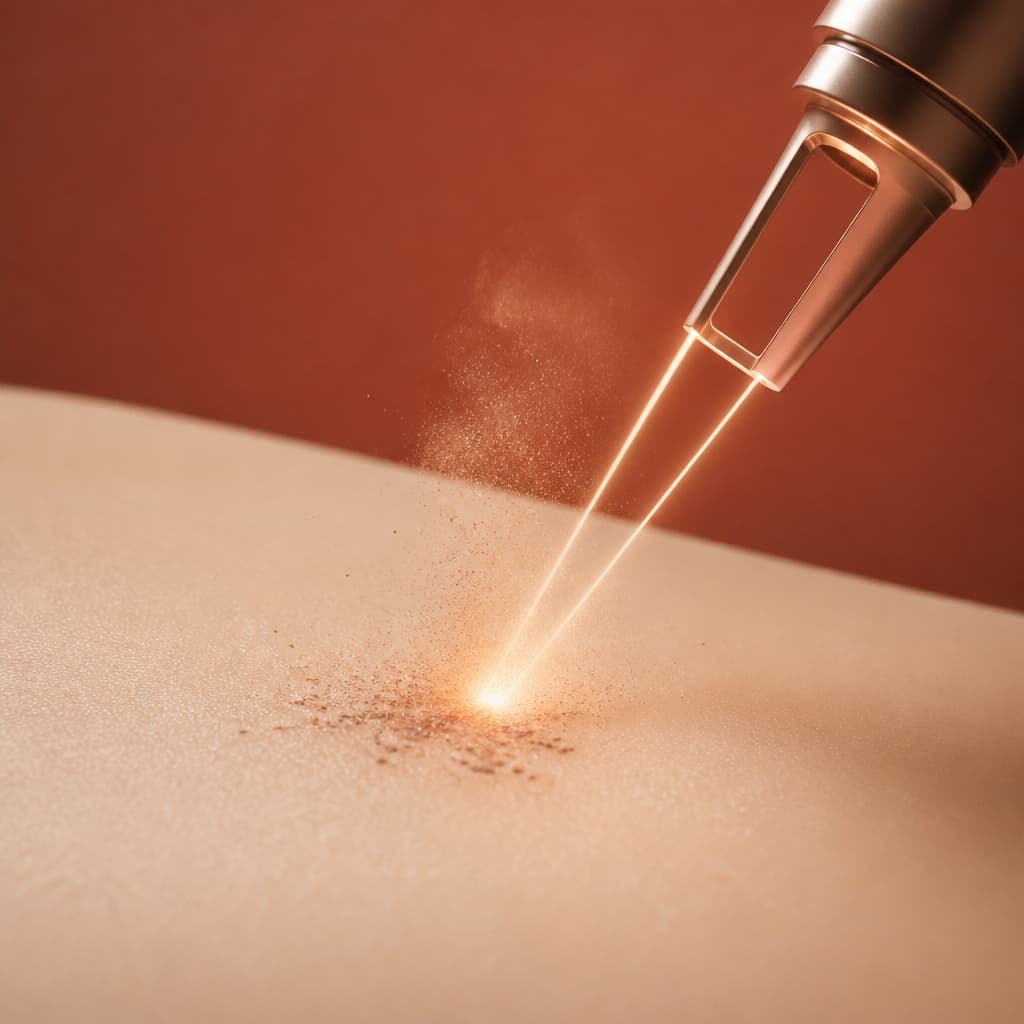
Laser Toning
A uniform laser beam minimizes damage to the epidermis while treating melasma, blemishes, and stubborn pigmentary conditions.
Visit REDI Dermatology
4F & 5F, DM Tower Bldg. 2, 105 Bangbae-ro, Seocho-gu, Seoul, Korea
길찾기 (Get directions)Medically reviewed by Dr. Min Jeong · Last updated
This article is general information, not medical advice. Results vary by individual. These are elective, non-insured aesthetic treatments. Please consult a board-certified doctor about your own case.
Ask what your skin actually needs
Free online consultation