
Skin Treatment Korea Cost: How a Dermatologist Actually Thinks About Price

Why "how much does skin treatment cost in Korea" is the wrong first question
Hello, I'm Dr. Min Jeong, and I founded REDI Dermatology in Seoul. This is one of the most common questions I get by message before someone flies in — "how much will it cost?" — and I understand exactly why. You're planning a trip, budgeting, comparing. Please read to the end, because the honest answer is more useful than a number: cost in Korea depends far more on your plan than on a price list. Let me walk you through how I actually think about it, so you can budget realistically and avoid spending money on the wrong things.
The reason the same treatment shows wildly different prices online isn't a mystery. It's that "skin treatment" isn't one thing, and even one named treatment isn't one thing.
What actually drives the price
Three things move cost far more than the clinic's location or décor.
1. How many sessions your result actually needs. A single quoted "per session" figure is almost meaningless on its own. A collagen booster like Juvelook typically needs about 3 sessions spaced 4–6 weeks apart to rebuild collagen, then a maintenance touch-up every 6–12 months. Laser toning for pigment is designed to work gradually across several sessions. On the other hand, a lift like Ultherapy Prime is often a single session with periodic maintenance every 1–1.5 years. So a "cheap" per-session price can be the expensive option if you need many sessions, and a higher single-session price can be the better value.
2. Technique, not just the material. This is the part patients underestimate most. With Juvelook I've done more than 15,000 vials, and I can tell you plainly: the same product delivers very different results depending on the blend, the hydration protocol, and the injection method — whether it's delivered via Dermashine Pro, Potenza, MIRAJET, or Double Tite. You're not just paying for a substance in a syringe. You're paying for the judgment about how it's used.
3. Whether the plan is matched to your skin. A fixed protocol applied to everyone is cheaper to run, and it shows in the price. But it also means you may pay for something that doesn't fit your concern. At REDI we're diagnosis-first: I review your skin, your goals, and your timeline before recommending anything.
The "cheap treatment" trap
I want to be direct, because I see the consequences. The lowest headline price often hides one of two things: too few sessions to reach a real result, or a one-size protocol that isn't tuned to your face.
This matters most with anything involving injection or collagen stimulation. I've written before about how the best skin booster question deserves a better answer than a brand name — the same logic applies to cost. When a treatment needs redoing because the plan was wrong, you've paid twice. For elective, non-insured aesthetic treatment, that's the real waste. Results vary by individual, but a plan matched to your skin is the single biggest protection against paying for nothing.
How to budget for a trip, not a single visit
If you're flying in, think in terms of the whole trip, not one appointment. Here's the framework I give patients over WhatsApp before they book flights.
- Decide the goal first. Firmness and contour, pigment, pores and scars, redness, or overall glow — these lead to very different plans and very different budgets.
- Ask how many sessions the goal realistically needs. Some things (a single lift) finish in one visit; some (collagen boosters, pigment toning) need a series. If a series can't fit in your trip, we plan what to do in Korea and what to continue remotely.
- Add downtime to the math. A treatment with 1–3 days of possible redness affects how many days you need in Seoul. I've written a full guide on how many days in Korea for skin treatment if you're mapping out dates.
- Budget in USD, not just KRW. Currency swings, and you want a real sense of the number.
For international patients specifically: we have English and Chinese interpreters on site, I consult and treat you myself, and after you fly home we continue your aftercare online. That continuity is part of the value — you're not left to guess whether the redness on Day 3 is normal.
What I do instead of quoting a price online
I don't post a fixed price table for a reason: I can't responsibly quote you before I know what your skin actually needs. What I can do is give you a realistic sense of the plan — how many sessions, what downtime, roughly what to budget for the trip — in a free online video consultation before you commit to anything.
At REDI we discuss pricing transparently at your consultation, once we've agreed on a plan that fits you. That order matters: plan first, then price. A number without a plan behind it is exactly how people overspend.
Takeaways
- Cost in Korea is driven by your plan, not a price list — number of sessions, technique, and how well the plan fits your skin matter far more than the headline figure.
- The cheapest option is often the expensive one for elective aesthetic treatment, because too few sessions or a generic protocol can mean paying twice. Results vary by individual.
- Think in trips, not visits: decide your goal, ask how many sessions it needs, add downtime, and budget in USD.
- Get a plan before a price. Message me for a free online consultation and I'll give you a realistic sense of the cost before you book flights — interpreters on site, and remote aftercare once you're home.
Frequently asked
Why does the cost of skin treatment in Korea vary so much between clinics?
Because the same product or device can be delivered very differently. With a collagen booster like Juvelook, the blend, hydration protocol, and injection technique change the result — so price reflects the plan and the doctor's experience, not just the material. At REDI we discuss pricing transparently at your consultation.
Is the cheapest option usually a good idea?
Not for elective, non-insured aesthetic treatment. A very low headline price often means a fixed protocol applied to everyone, or too few sessions to reach a real result. It can end up costing more when you need to redo it. Results vary by individual.
Do most treatments need more than one session?
Many do. Juvelook typically needs about 3 sessions spaced 4–6 weeks apart; laser toning for pigment is designed to work gradually across several sessions. Lifting like Ultherapy Prime is often a single session with periodic maintenance. Your plan is set after diagnosis.
Can I get a cost estimate before I fly to Korea?
Yes. Message us on WhatsApp for a free online video consultation and mention you found us through the blog. We review your concern and give you a realistic sense of the plan before you book flights.
Will I be charged more as a foreign patient?
We discuss pricing openly at your consultation. What we focus on is matching the plan to your skin so you don't pay for sessions you don't need.
Keep reading
More on this from Dr. Min Jeong.




Dr. Min Jeong
Founding director, REDI Dermatology · Seoul
“A treatment isn’t shopping. I’d rather diagnose first and recommend only what your skin genuinely needs — the same way I’d advise my own family.”
Board-certified dermatologist — trained at Kangbuk Samsung Hospital, and former Chief of Dermatology at the ROK Ministry of National Defense.
Recognized by VAIM as Korea's highest-volume Juvelook injector, with 15,000+ vials of hands-on experience; KOL for MIRAJET, Potenza and Oligio.
A regular speaker on clinical dermatology at Korean medical symposiums, including Juvelook clinical-experience panels.
Why international patients choose REDI
Interpreters in the room
English and Chinese, on site for your consultation and treatment.
Board-certified doctors only
Every procedure by a dermatology specialist — never unsupervised staff.
15,000+ Juvelook vials
Hands-on volume most clinics have not reached.
Airport pickup arranged
So your first day in Seoul isn't spent lost with luggage.
Aftercare once you're home
Online follow-up, so a question next week still reaches your doctor.
Explore the treatment
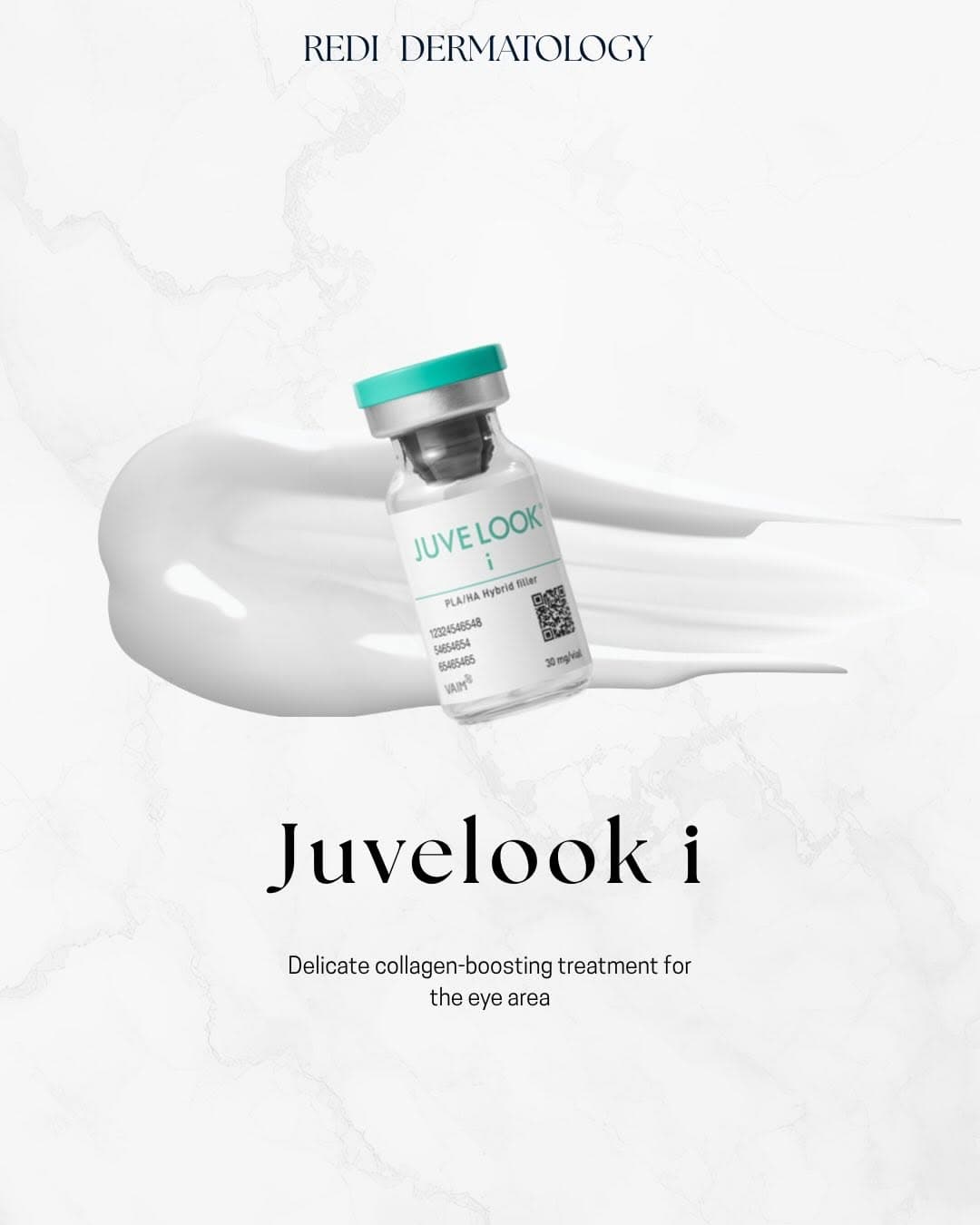
Juvelook Skin Booster
Juvelook is a PDLLA (poly-D,L-lactide) collagen booster that stimulates your skin's own collagen production to improve pores, firmness, fine lines, scars, and overall tone. Unlike a filler that simply adds volume, it helps the skin rebuild itself, so results develop naturally over time. At REDI, the blend and hydration protocol was refined by our Juvelook key doctor, and we match the delivery method — Dermashine Pro, Potenza, MIRAJET, Double Tite, and more — to your specific skin condition. With 15,000+ vials of hands-on experience, we know that the same product can deliver very different results depending on technique.
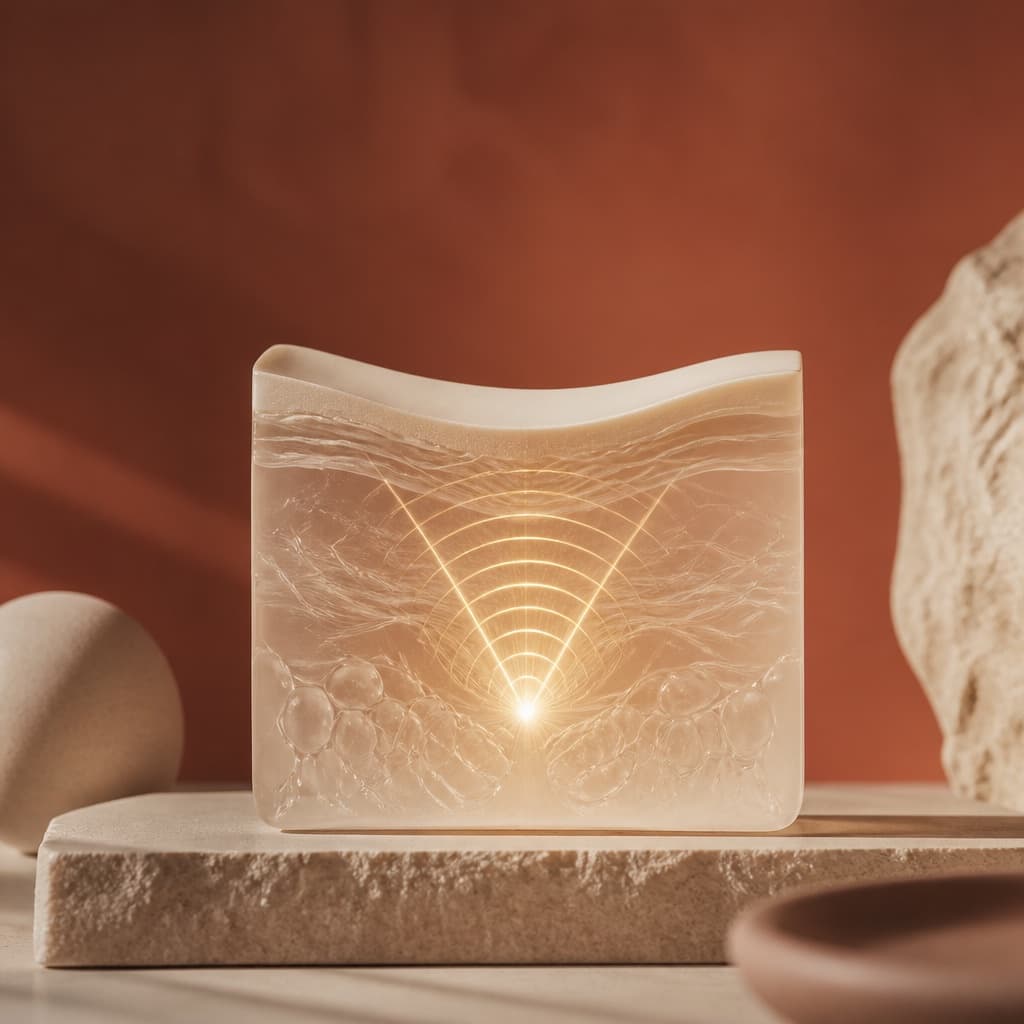
Ultherapy Prime
Ultherapy Prime is a globally validated non-surgical facelift. It delivers focused ultrasound energy precisely to the deep SMAS layer — the same layer addressed in surgical lifts — to contract the tissue that drives sagging and lift the contour without any incision. It can help with a softening jawline, neck, and eye area, and because it works by stimulating new collagen, results settle in gradually. At REDI, we diagnose your skin thickness and degree of laxity first, then design the depth and number of shots accordingly — prioritizing a lift that is both safe and genuinely noticeable over raw intensity.
Visit REDI Dermatology
4F & 5F, DM Tower Bldg. 2, 105 Bangbae-ro, Seocho-gu, Seoul, Korea
길찾기 (Get directions)Medically reviewed by Dr. Min Jeong, board-certified dermatologist · Last updated September 5, 2026
This article is general information, not medical advice. Results vary by individual. These are elective, non-insured aesthetic treatments. Please consult a board-certified doctor about your own case.