
Thermage: What It Actually Does for Sagging Skin — and Who It Suits

Why Thermage Comes Up First in Almost Every Lifting Consultation
Hello — I'm Dr. Min Jeong, founding director of REDI Dermatology in Seoul. Thermage is usually the first word out of a patient's mouth when they sit down and tell me their jawline has gone soft. Some have already read the Thermage FLX pages written for Singapore. Some searched in Chinese and know it as 热玛吉. Please read to the end, because the part most pages skip is who Thermage is not for, and when you can actually fly home afterwards.
Here is the honest frame. Monopolar radiofrequency is a density treatment, not a volume treatment. It makes skin firmer and finer-grained. It does not lift heavy tissue upward, it does not remove buccal fat, and it does not erase a deep nasolabial fold. Once you understand that, the decision gets much easier.
How Thermage Actually Works
Thermage delivers radiofrequency current through a cooled tip. The surface is chilled a fraction of a second before and after each pulse, while the current heats the dermis underneath in a broad, bulk pattern.
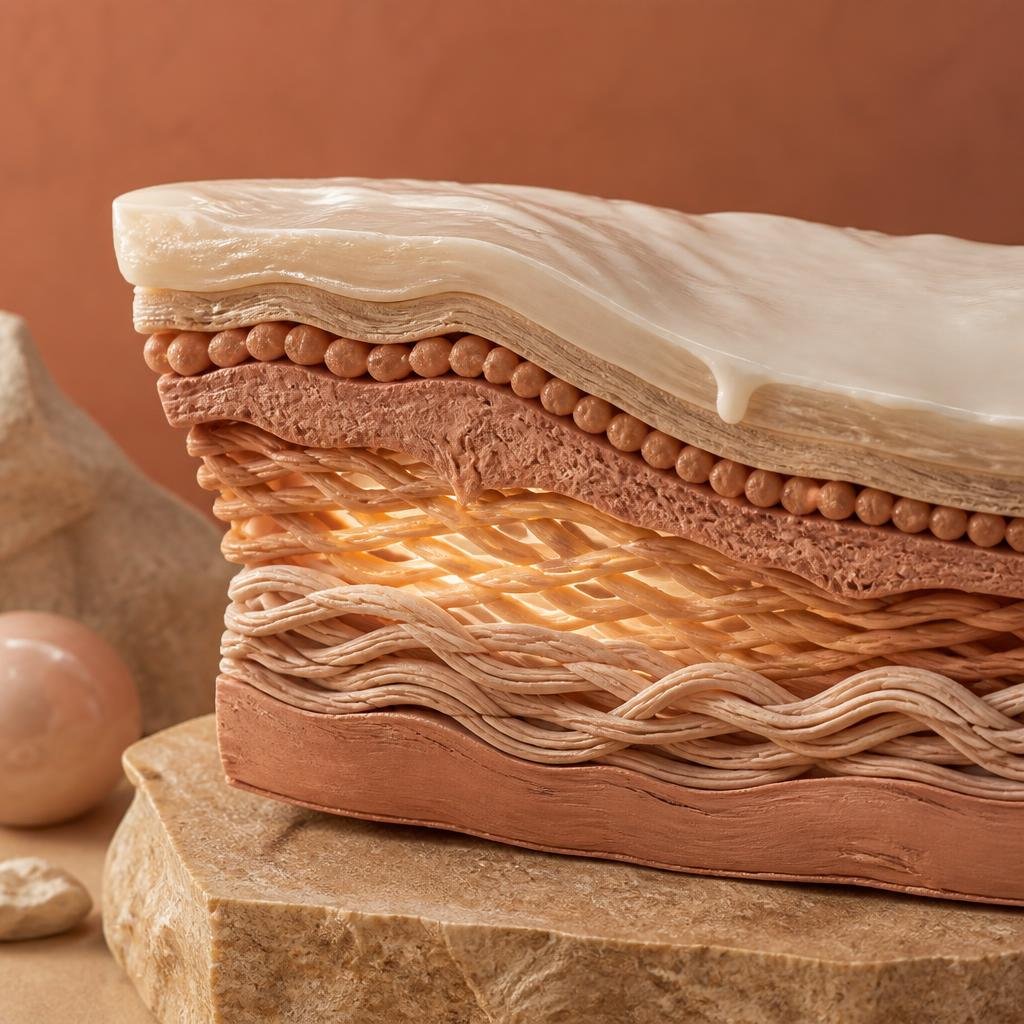
The physics is well documented. Collagen begins to denature and coagulate within defined dermal temperature ranges — collagen starts to denature and coagulate separately when the dermis is heated to 40°C–48°C and 55°C–70°C. That controlled injury is the whole point: the wound-healing response lays down fresh collagen over the following months. The first radiofrequency device was authorized by the FDA in 2002 to minimize periocular rhytides, with indications later widened to facial and then all wrinkles.
This is also why Thermage results are delayed. DermNet notes that new collagen is growing for up to 6 months after treatment, so improvements should be visible right up till this time. If you expect a mirror moment on day three, you will be disappointed. Results vary by individual.
What the Evidence Supports — and What It Doesn't
The foundational multicenter study behind this technology reported 83.2% periorbital improvement and 61.5% eyebrow lifting greater than 0.5 mm in 86 patients using Thermage. Note the scale: half a millimetre. That is a real, measurable change around the eye — and it is nothing like surgery.
So the good candidates for Thermage are people with early to moderate laxity, crepey texture, softening along the jaw and around the eyes, and skin that still has reasonable thickness. The poor candidates are people who want a heavy jowl repositioned, a double chin caused by fat removed, or a scar-grade pore filled. Monopolar radiofrequency will not do any of those, and no tip count changes that. I say this plainly in consultation rather than after payment.
Does Thermage Hurt, and How Many Sessions?
You feel a rhythm: cold, then a deep heat spike, then cold again. Most patients call it hot but manageable. Sharp, stinging pain is a signal, not a badge of honour — it usually means the energy is too high for that spot, or the tip has lost contact. Speak up during the session.
Monopolar radiofrequency is normally planned as one session, then reviewed. What matters more than the number of sessions is the total shot count and how it is distributed. A face is not uniform: the jawline and lower cheek usually take the largest share, the periorbital area needs a lower energy setting with more overlapping passes, and the neck is thinner and less forgiving than either. When you are quoted a package, ask which areas are included and how the shots are divided between them. A low total spread thinly over face and neck is not the same treatment as a focused dose on the lower face.
Thermage vs Ultherapy vs Density
Patients ask me constantly whether Thermage is better than Ultherapy. They are different tools.
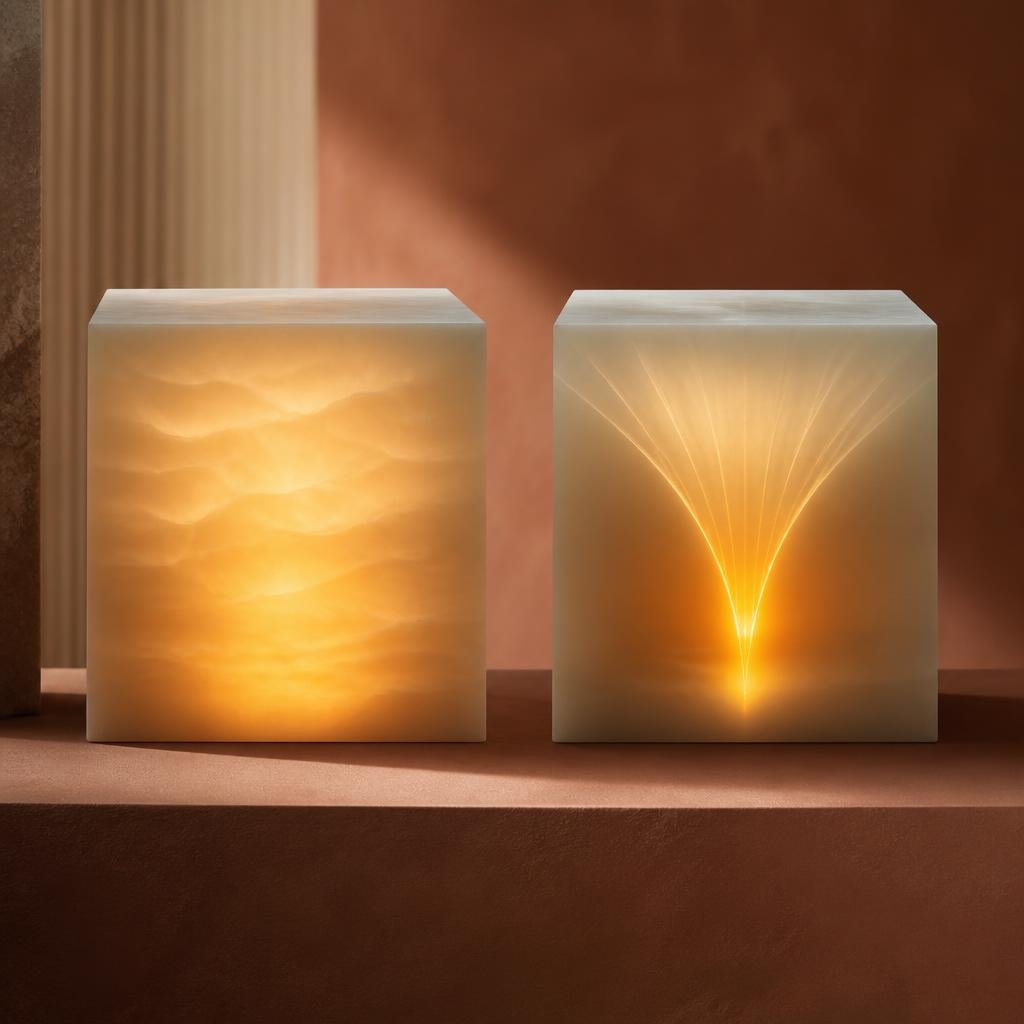
Ultrasound focuses energy to discrete points at a fixed depth, which suits deeper structural laxity. Radiofrequency heats a broader volume of dermis, which suits overall firmness, texture and fine lines. Neither replaces the other, and the honest answer depends on how thick your skin is and where the slackness sits. I go through that comparison in more detail in my guide to skin tightening in Korea, and the ultrasound side in Ultherapy vs Sofwave.
At REDI the radiofrequency route I use is Density, which alternates monopolar and bipolar radiofrequency. A session runs about 30–45 minutes, downtime is minimal with roughly 1–2 days of settling, and mild redness usually fades within hours. A single session can show effect, and periodic sessions are recommended to maintain firmness depending on your skin. Results vary by individual.
Who I Screen Out Before Any Radiofrequency
This is the section missing from most Thermage pages, and it is the one that protects you.
I do not proceed if there is a pacemaker or any implanted electronic device, if there is metal hardware inside the treatment field, or during pregnancy. I postpone if there is an active acne or rosacea flare, an open wound, or recent isotretinoin, because heated inflamed skin behaves unpredictably.
I am also cautious with very thin faces and with people who have already had repeated radiofrequency and ultrasound rounds elsewhere. Heat does not distinguish between a slack dermis and the fat pad beneath it. In an already-hollow face, an aggressive dose can read as volume loss rather than tightening. That risk is uncommon — DermNet states that the reported incidence of side effects from Thermage radiothermoplasty is less than 1% — but it is real, and it is a dosing decision, not a device defect. At our clinic a board-certified dermatologist — among the top 2% of Korean physicians — reads your skin in person before anything is recommended, and the same doctor performs the treatment. We are an individual clinic, not a high-volume chain, so we recommend only the treatment you actually need.
Thermage With Fillers, Threads and Skin Boosters
If you are stacking treatments during one Seoul trip, sequence matters.
My practice is to treat with radiofrequency first and inject afterwards, not the other way round, and to leave a comfortable interval after any recent filler, thread or biostimulator rather than heating that area the same week. If you have had injectables recently, bring the dates and product names to your consultation — that single piece of information changes the plan more than anything else you can tell me. Boosters and radiofrequency work on different problems anyway, which is why they combine well; I explain the injectable side in Rejuran vs Juvelook.
Flying In for Thermage: A Realistic Timeline
Day 0 — treatment takes roughly half an hour to three quarters of an hour for a face. Expect warmth, flushing and possibly slight puffiness for a few hours. Makeup is generally fine the same day.
Day 1 — mild redness has usually settled. For a treatment like Density, this is the point where most patients look normal to everyone but themselves. A next-day flight back to Singapore, Sydney or the US is reasonable for the majority of patients, provided there was no blistering. Cabin air is dry, so drink more water than you think you need and skip alcohol on board.
Weeks 4–12 — the collagen response is doing its work quietly. This is when people tell me their skin feels firmer rather than looks different.
Chinese- and English-speaking interpreters are on site for consultation and treatment, so you are not nodding along to a language you do not follow. After you fly home, we follow up online. Results vary by individual.
On cost: your treatment plan and final price are confirmed in a one-to-one consultation. We explain it clearly before anything is done, and there are no hidden fees.
Takeaways
- Thermage is bulk radiofrequency heating that firms and refines skin. It is not a substitute for surgical repositioning, and it does not reduce facial fat.
- The mechanism is controlled collagen denaturation, and the visible change is delayed — collagen keeps forming for up to six months.
- Ask about total shot count and area distribution, not just the number of sessions.
- Screening matters: implanted electronic devices, metal in the field, pregnancy, active flares and very thin faces all change the plan.
- Downtime is short. With Density, expect minimal downtime of about 1–2 days, and a next-day flight home is realistic for most patients.
- Results vary by individual, and this is elective, non-insured aesthetic care.
Frequently asked
What is Thermage treatment used for?
Thermage is a non-surgical monopolar radiofrequency treatment used for skin laxity, fine lines and texture. The heat denatures existing collagen so the body builds new collagen as it heals. It is not a fat-reduction treatment and it does not correct deep folds caused by volume loss. Results vary by individual.
How long does Thermage last?
The effect builds rather than appears. DermNet notes that new collagen continues to grow for up to six months after treatment, so improvement can keep becoming visible during that window. Because skin keeps ageing, periodic maintenance sessions are usually discussed. Results vary by individual.
Does Thermage hurt?
You feel repeated cycles of surface cooling followed by a deep heat spike. Most patients describe it as hot but manageable, and the energy level is adjusted per area. Tell your doctor if any pulse feels sharp rather than warm.
How many Thermage sessions do you need?
Monopolar radiofrequency is usually planned as a single session, then reassessed. With Density, the radiofrequency platform we use at REDI, a single session can show effect, and periodic sessions are recommended to maintain firmness depending on your skin. Results vary by individual.
What are the side effects of Thermage?
DermNet reports that the incidence of side effects from Thermage radiothermoplasty is less than 1%. Temporary redness and mild swelling are the common ones. Rare events include blistering, burns and localised volume loss, which is why screening and dose control matter.
Keep reading
More on this from Dr. Min Jeong.




Dr. Min Jeong
Founding director, REDI Dermatology · Seoul
“A treatment isn't shopping. I'd rather diagnose first and recommend only what your skin genuinely needs — the same way I'd advise my own family.”
Board-certified dermatologist — trained at Kangbuk Samsung Hospital, and former Chief of Dermatology at the ROK Ministry of National Defense.
Juvelook Key Opinion Leader — 15,000+ vials administered, Korea's highest-volume clinic (Apr 2025). Key Opinion Leader titles are granted by device companies and carry no legal standing.
A regular speaker on clinical dermatology at Korean medical symposiums, including Juvelook clinical-experience panels.
Why international patients choose REDI
Interpreters in the room
English and Chinese, on site for your consultation and treatment.
Board-certified doctors only
Every procedure by a dermatology specialist — never unsupervised staff.
15,000+ Juvelook vials — No.1 in Korea
Hands-on volume most clinics have not reached.
Airport pickup arranged
So your first day in Seoul isn't spent lost with luggage.
Aftercare once you're home
Online follow-up, so a question next week still reaches your doctor.
Explore the treatment
Visit REDI Dermatology
4F & 5F, DM Tower Bldg. 2, 105 Bangbae-ro, Seocho-gu, Seoul, Korea
길찾기 (Get directions)Medically reviewed by Dr. Min Jeong · Last updated September 19, 2026
This article is general information, not medical advice. Results vary by individual. These are elective, non-insured aesthetic treatments. Please consult a board-certified doctor about your own case.
Ask what your skin actually needs
Free online consultation