
Density Skin Tightening Treatment Korea: What the RF Tip Does, Who It Suits, and How Long to Stay

Hello, I'm Dr. Min Jeong, a board-certified dermatologist and the founding director of REDI Dermatology in Seoul. I trained and was board-certified at Kangbuk Samsung Hospital, and I spend much of my week on radiofrequency lifting. International patients often message me a version of the same question: "I keep seeing Density. Is a Density skin tightening treatment Korea trip worth planning, and what exactly will it do?" Please read to the end, because the answer depends less on the machine and more on which tip is used, how it is set, and what you expect it to change.
The short answer: Density is a radiofrequency device that heats the skin to rebuild collagen, so skin feels denser, firmer and smoother over the following weeks. It suits early laxity, crepey texture and a softening jawline in people who don't need volume or fat reduction. It will not fill hollows, melt fat or erase deep folds.
| At a glance | |
|---|---|
| What it is | Radiofrequency tightening (monopolar, plus an alternating mono/bipolar tip) |
| Time per session | About 30–45 minutes |
| Downtime | Minimal, usually mild redness |
| Sessions | One can show effect; periodic sessions help maintain |
| What it won't do | Add volume, reduce fat, or erase deep lines |
What Density actually is
Density is a Korean-made RF platform. Its name is a good description of what radiofrequency does: it doesn't lift skin upward like a hook, it makes the dermis denser. Heat partially changes existing collagen, and as the skin repairs itself it lays down more collagen and elastic fibres. Patients describe the result as skin that looks "fuller of itself" and firmer, with pillow creases fading faster in the morning. It is not the same feeling as a filler or collagen stimulator that adds volume.
Three details matter to me when I compare devices. First, it checks skin resistance (impedance) on every single shot, so the energy adjusts as you move from thin skin to thicker areas of the face. Second, its cooling can be tuned in five steps, which changes both comfort and how deep the heat reaches. Third, and most distinctive, is the tip.
Monopolar, bipolar, and the tip that alternates
Radiofrequency comes in two broad forms. Monopolar RF travels deep and wide, which is why it firms well, but its results appear slowly. Bipolar RF stays shallow, so you notice change quickly, yet it tends to fade sooner. For years that meant choosing between "strong but slow" and "fast but short."
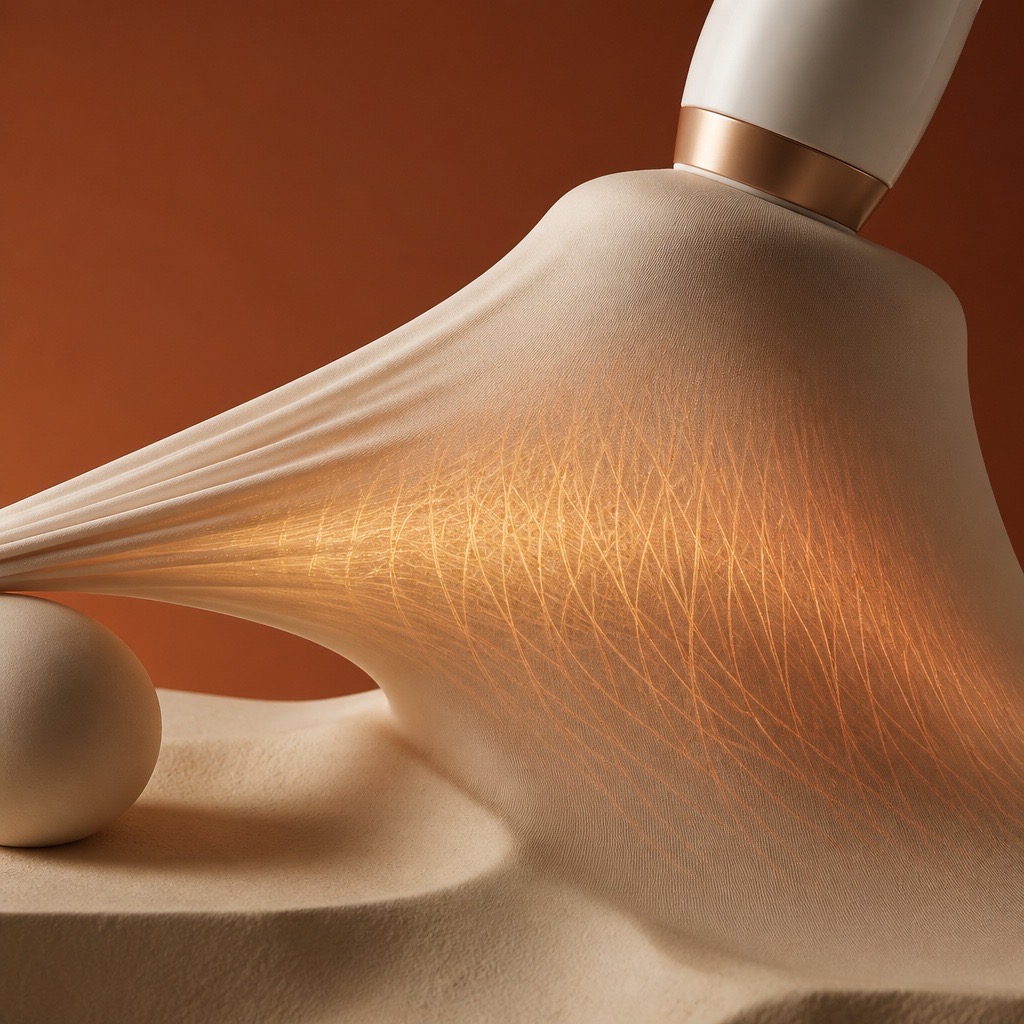
Density's newer tip alternates monopolar and bipolar energy from one handpiece. In my experience that combination gives some people a visible tightening soon after the session, with the gradual collagen change still coming over the following weeks. It is also slightly more comfortable than the classic monopolar tip.
There is a trade-off, and I say this in every consultation. The bipolar component concentrates energy near the surface, so the risk of a small burn is higher than with the classic tip, even when the session doesn't feel very hot. Set too gently to avoid that, the treatment does little. The tip also has a direction to it, and how passes overlap changes the result, so outcomes vary more between doctors with this tip than with square-tipped devices. Those are exactly the reasons I prefer to perform it myself.
Who a Density skin tightening treatment in Korea suits
Good candidates
- Early to moderate laxity: a jawline starting to soften, looser skin along the lower face or neck
- Crepey or thinning skin, fine lines and pores related to lost firmness
- People who want a natural, "well-rested" change rather than a different-looking face
- Faces that are already slim, where fat-reducing lifts could make hollows worse
Better served by something else
- Heavy lower-face fullness, where the concern is fat rather than laxity. RF does not remove fat.
- Hollows at the temples or cheeks. Heat cannot create volume; that is a job for a collagen stimulator such as Juvelook Volume.
- Deep, etched folds or pores that are really scars. Those need their own treatment.
- Marked sagging that needs a deeper structural lift, where I may suggest Ultherapy Prime instead or alongside.
If you're still deciding between device families, my skin tightening in Korea guide lays out how I match concerns to devices, and my Thermage article covers the classic monopolar approach that Density is usually compared with.
Density Korean treatment reviews: what patients actually describe
When people read reviews before booking Density RF in Seoul, they tend to see two kinds of comments. One group says "I felt tighter the same evening." The other says "Nothing happened for weeks, then my skin looked better." Both can be true. The quick change comes mainly from the bipolar component and from swelling in the treated tissue; the lasting change comes from collagen and builds gradually.
People who have had Thermage often tell me Density feels similar. People used to gentler RF devices sometimes notice the heat sits deeper. I use numbing cream and adjust the cooling as we go. Sensation varies from person to person.
The most common reason for a disappointed review is a mismatch in expectations. Someone hoping to lose cheek fullness or fill a hollow will feel Density did nothing, because it isn't designed for that. Results vary by individual.
Side effects, honestly
For most people, side effects are mild: some redness and warmth that fades within hours, occasionally a slight puffiness. Less commonly, especially with the alternating tip, a small superficial burn can appear. In my experience these rarely leave a lasting scar or mark, but they are the reason I adjust energy area by area rather than running one setting across the whole face.
Before any RF treatment I also check for things that change the plan, such as active skin inflammation, recent treatments in the same area and implanted devices. Density is an elective, non-insured aesthetic treatment, and we go through the risks at consultation before anything is booked.
Planning a Density skin tightening treatment Korea trip
A session takes about 30–45 minutes including preparation, and downtime is minimal, typically one to two days of mild redness at most. That makes a Density skin tightening treatment Korea visit one of the easier lifting plans to fit into a short stay.
- Day 0: Consultation with me, skin assessment, then treatment the same day if it suits you.
- Day 1: Most people are out sightseeing; a little redness is covered easily with makeup.
- Day 2–3: A good point for a quick check before your flight.
- Weeks 4–12: Collagen change builds gradually at home. Photos in the same light help us compare.
Flying is generally fine the day after, since there is no open wound. If you plan to combine Density with a skin booster or another device, allow a little more time and we will sequence them so one doesn't interfere with the other.
Interpreters for English and Mandarin are on site, and I see you personally from consultation through to the procedure. Once you're home, we follow up online, and a single session can show effect, with periodic sessions to maintain firmness depending on your skin. For more on the device itself, see our Density treatment page.
How I choose among Density, Tune Face and ultrasound
At REDI we have several lifting tools, and I choose among them by the face in front of me. When the concern is mainly firmness and texture in a slim face, Density is usually my first thought. When someone has a mix, for example a little heaviness in one area and hollowing in another, I may prefer Tune Face, whose depth can be adjusted area by area. When sagging is deeper, focused ultrasound comes into the conversation. Pricing is discussed transparently at consultation.
A note on titles: I hold a DENSITY Key Opinion Leader designation. Key Opinion Leader is a title that device companies grant to physicians with extensive experience using a given device or who have lectured on it, and it carries no legal standing. What matters more for you is that the doctor who assesses your skin is the one who treats it.
Takeaways
- Density is a Korean-made radiofrequency device that makes skin denser and firmer by rebuilding collagen; it does not add volume or remove fat.
- Its alternating mono and bipolar tip can show earlier change, but it carries a higher burn risk and depends more on the doctor's settings.
- It suits early laxity, crepey texture and slim faces; hollows, heavy fullness and deep folds need other approaches.
- Downtime is minimal, so a Density skin tightening treatment Korea trip can be short, with follow-up online once you're home.
Related reading on this topic
- Elravie Korea: What Re2O Puts Back Into Your Skin, and Why the Delivery Method Matters
- Exosomes Korea: Why Seoul Dermatologists Don't Inject Them, and How They're Used Instead
- Korean Anti Aging, Layer by Layer: What a Seoul Dermatologist Actually Plans for Your Face
- Korean Dark Circle Treatment: Why the Type of Shadow Decides Everything
- Korean Dark Spot Treatment: Which Spots One Trip Can Clear, and Which Need a Course
- Korean Laser Treatment: A Dermatologist's Map of Which Laser Does What, and How Long Each Keeps You in Seoul
- Korean Wrinkle Treatment: Why Seoul Dermatologists Treat Lines in Layers, Not With One Injection
- LDM Seoul: When I Book This Ultrasound Facial on a Trip, and When I Don't
- Lifting Laser Korea: Most Korean Lifts Aren't Lasers, and Why That Changes How You Plan a Trip
- Pico Laser Seoul: Toning or Fraxel? Know Which One You're Booking Before You Fly
- Radiesse Korea: Why It Isn't a Filler, Where It Works, and What Happens After the First Month
- Rejuran Korea: Why Technique Matters More Than the Vial, and What to Ask a Clinic in Seoul
- Sofwave Korea: Why Seoul Took to This Lift for Thin Faces, and Who Should Skip It
- Tune Face Korea: The Lift for Faces That Aren't Too Full or Too Thin
More from the clinic
Frequently asked
What is Density in Korea?
Density is a radiofrequency (RF) tightening device made in Korea. Its classic tip delivers monopolar RF, and its newer tip alternates monopolar and bipolar RF, so it heats both deeper and shallower layers of the skin to encourage new collagen.
What are the side effects of Density Korean treatment?
Most people have mild redness that settles within hours. With the alternating tip, the stronger bipolar energy carries a higher risk of a small burn than the classic tip, which is why energy and overlap must be set carefully. Results vary by individual.
How many days should I stay in Seoul for Density?
Downtime is minimal, often one to two days of mild redness or a warm, tight feeling at most. A short stay of two or three nights is usually enough, with the session placed early so you can be checked before flying.
Is Density the same as Thermage?
They share the same basic principle, monopolar radiofrequency that heats the dermis to rebuild collagen. Density adds an alternating mono and bipolar tip, per-shot impedance checks and adjustable cooling. Which one fits depends on your skin and goals.
How many Density sessions do I need?
A single session can show effect. Periodic sessions are recommended to maintain firmness depending on your skin, and we set that plan at consultation.
Keep reading
More on this from Dr. Min Jeong.

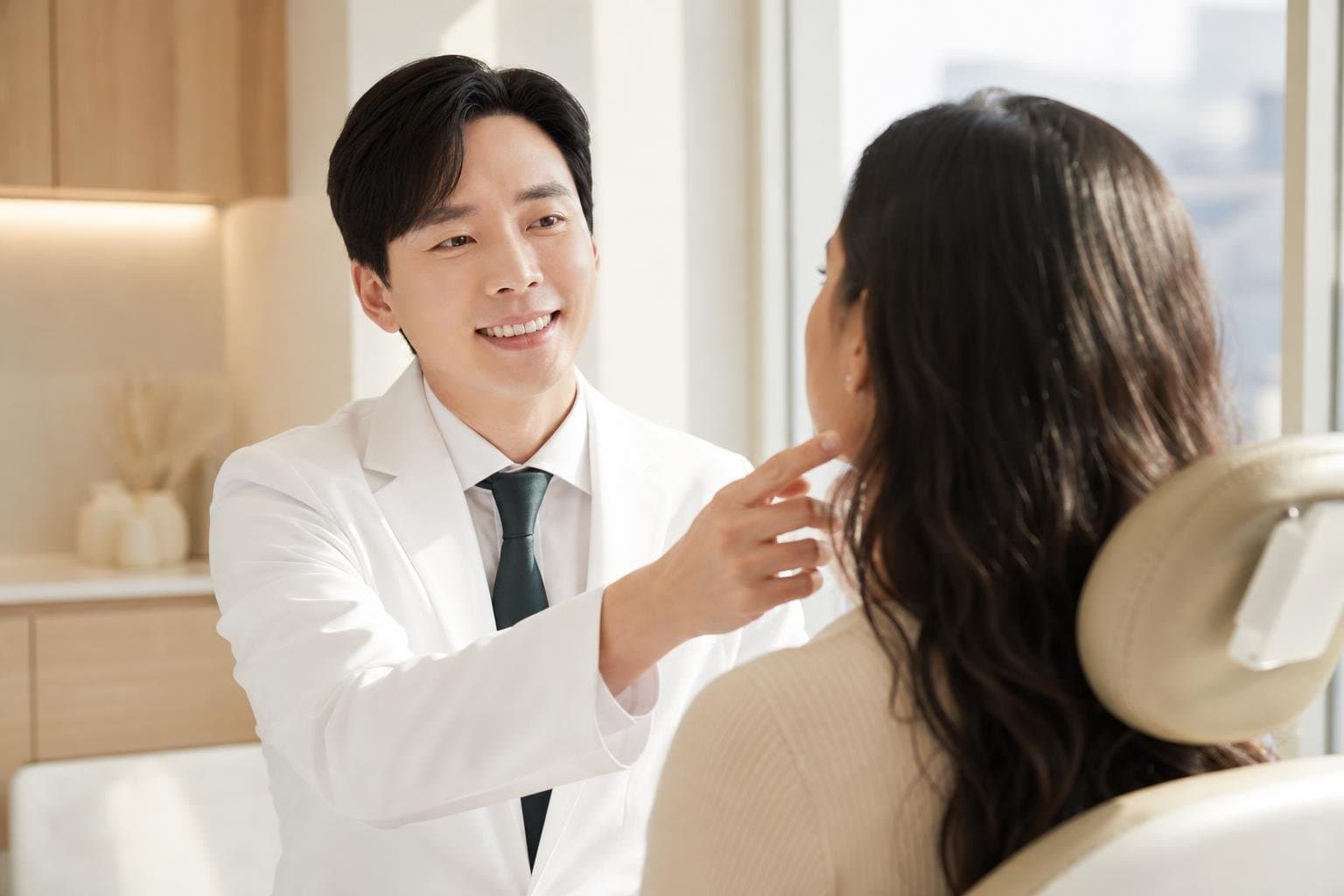

Dr. Min Jeong
Founding director, REDI Dermatology · Seoul
“A treatment isn't shopping. I'd rather diagnose first and recommend only what your skin genuinely needs — the same way I'd advise my own family.”
Board-certified dermatologist — trained at Kangbuk Samsung Hospital, and former Chief of Dermatology at the ROK Ministry of National Defense.
Juvelook Key Opinion Leader — 15,000+ vials administered, Korea's highest-volume clinic (Apr 2025). Key Opinion Leader titles are granted by device companies and carry no legal standing.
A regular speaker on clinical dermatology at Korean medical symposiums, including Juvelook clinical-experience panels.
Why international patients choose REDI
Interpreters in the room
English and Chinese, on site for your consultation and treatment.
Board-certified doctors only
Every procedure by a dermatology specialist — never unsupervised staff.
15,000+ Juvelook vials — No.1 in Korea
Hands-on volume most clinics have not reached.
Airport pickup arranged
So your first day in Seoul isn't spent lost with luggage.
Aftercare once you're home
Online follow-up, so a question next week still reaches your doctor.
Explore the treatment
Density
A breakthrough firming lift that pushes the technology one step further — maximum results with less discomfort. Alternating monopolar and bipolar radiofrequency delivers fast results, while the know-how of our Density key doctor ensures long-lasting satisfaction.

Tune Face
With 40 million vibrations per second, Tune Face delivers precise energy exactly where it's needed — powerfully lifting a slackened facial line and reviving lost firmness through new collagen production.
Ultherapy Prime
Ultherapy Prime is a globally validated non-surgical facelift. It delivers focused ultrasound energy precisely to the deep SMAS layer — the same layer addressed in surgical lifts — to contract the tissue that drives sagging and lift the contour without any incision. It can help with a softening jawline, neck, and eye area, and because it works by stimulating new collagen, results settle in gradually. At REDI, we diagnose your skin thickness and degree of laxity first, then design the depth and number of shots accordingly — prioritizing a lift that is both safe and genuinely noticeable over raw intensity.
Visit REDI Dermatology
4F & 5F, DM Tower Bldg. 2, 105 Bangbae-ro, Seocho-gu, Seoul, Korea
길찾기 (Get directions)Medically reviewed by Dr. Min Jeong · Last updated
This article is general information, not medical advice. Results vary by individual. These are elective, non-insured aesthetic treatments. Please consult a board-certified doctor about your own case.
Ask what your skin actually needs
Free online consultation