
The myth of one best korean acne treatment, and what your visit day in Seoul decides
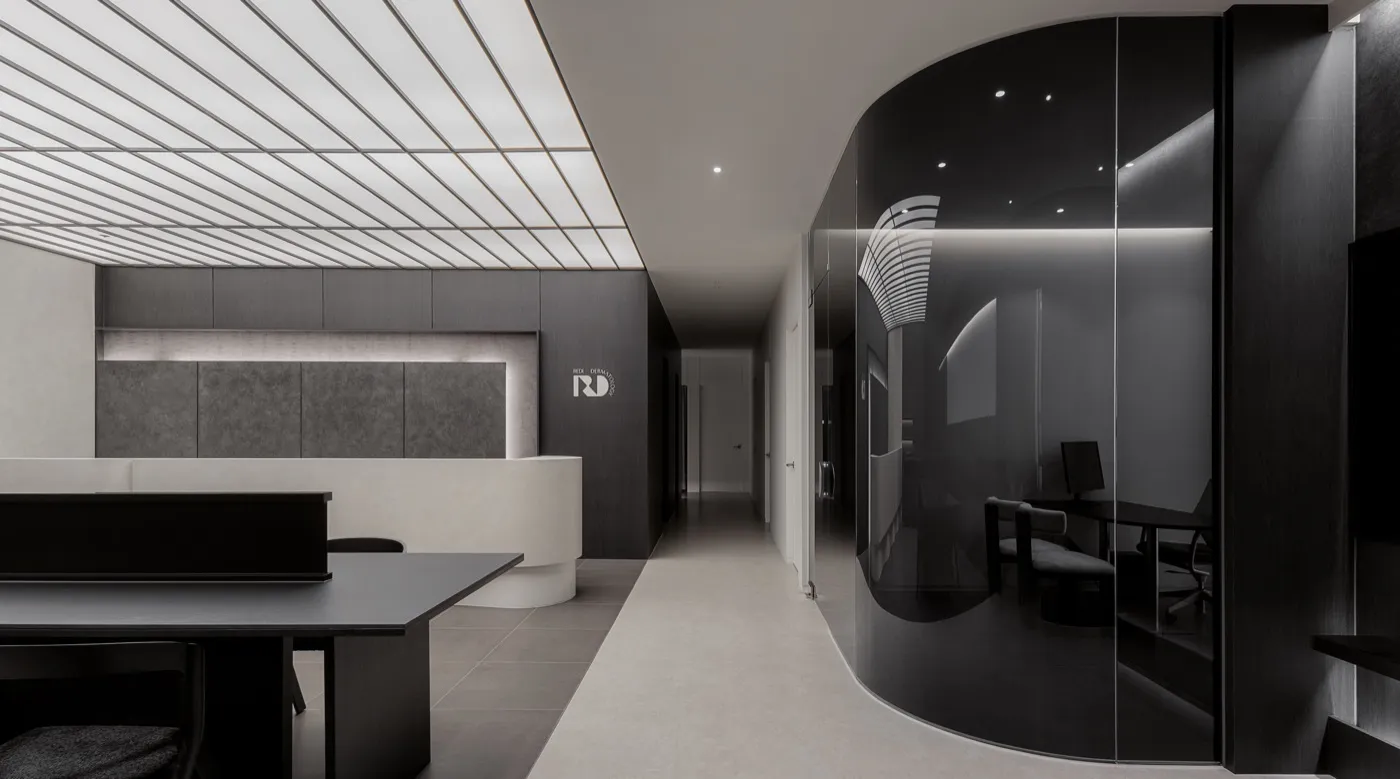
There is no single best korean acne treatment; the choice gets made early in a dermatology consultation, once someone has looked closely at the kind of acne you actually have. If you're flying to Seoul for a few days, the worry underneath the search is usually practical: will the redness settle before the flight home, and will you understand everything said in the room? Both answers come from the visit day itself.
At REDI Dermatology every member of the medical team is a board-certified dermatologist, and Chinese- and English-speaking interpreters are on site for both the consultation and the treatment. I'm Dr. Min Jeong, the founding director, and this is one of the questions overseas patients ask me most, so please read to the end before you pick a treatment off a list.
People often arrive with a saved screenshot of the best korean acne treatment devices and ask which one to book. The question that actually helps is which one matches the bumps on their face that week. Matching them is what the visit day is for, and this post walks through it in order: before, during and after.
If you'd like to start before you buy flights, send two things on WhatsApp: the dates you'll be in Seoul and a daylight photo of the area that bothers you most. With those in hand, the consultation starts from your real trip length, and you can ask straight away which of the options below fit those dates.
What should you send or bring before the visit?
Bring three things: a list of every acne medicine you've used in the last year (tablets and creams), a few photos from a bad week, and your flight times. Each one can change what happens on the day.
The medicine list matters most. Oral isotretinoin and strong topical retinoids leave skin more reactive, and dermatologists generally want the dose and the stop date before any energy-based device touches the face. Photos matter because acne moves with stress, sleep and the menstrual cycle; the morning of your appointment may be a calm day that hides the pattern. Flight times matter because several acne treatments carry a few days of visible redness.
The clinic sits on the 4th and 5th floors of DM Tower Building 2 at 105 Bangbae-ro in Seocho-gu, a 2-minute walk from Exit 3 of Bangbae Station on Line 2, or 5 minutes from Exit 3 of Naebang Station on Line 7.
Hours are 10:00 to 20:00 on Mondays, Wednesdays and Fridays, 10:00 to 19:00 on Tuesdays and Thursdays, and 10:00 to 15:00 on Saturdays, with a weekday lunch break from 13:00 to 14:00. If you land in the afternoon, the later weekday evenings are the ones to aim for.
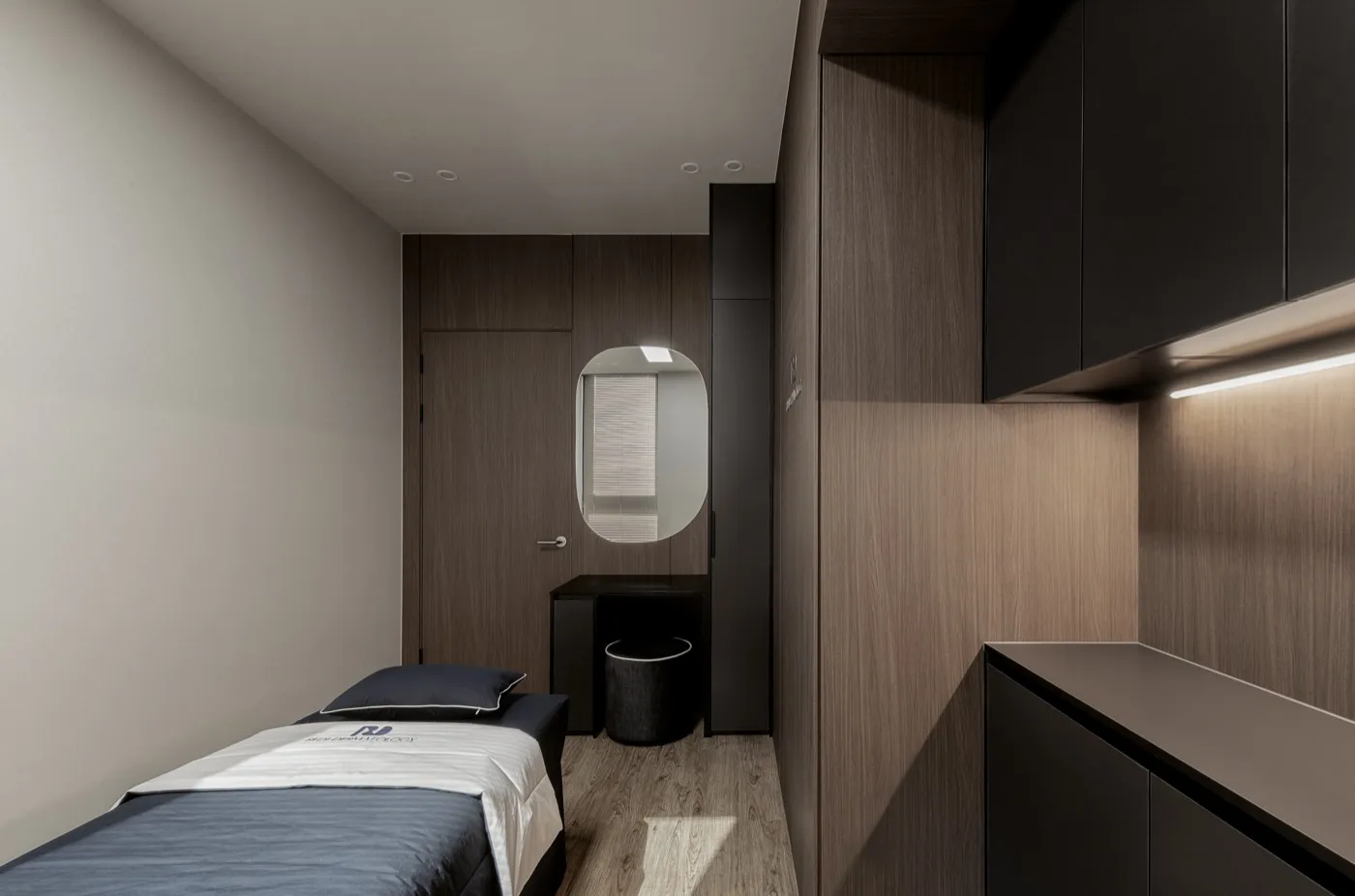
The consultation starts by naming your acne type
The first decision behind the best korean acne treatment is diagnostic. REDI's own notes for Gold PTT and Agnes say the same thing: the clinic diagnoses acne type and location first, then decides whether to apply each treatment and how strongly.
In practice, a dermatologist sorts what's on your face into a few groups:
- Active inflammation: red papules and pus-filled spots, often with oily skin.
- Recurring same-spot acne: the bump that comes back on the chin or jawline in the same place, plus nose blackheads and milia-type bumps.
- Marks left behind: flat red or pink marks (blood vessels still dilated after inflammation) versus flat brown marks (pigment).
- Indented scars: changes in the skin's structure, which are a separate problem from active acne.
The colour of the marks changes the plan more than people expect. Red marks respond to vascular light, while brown marks are pigment and behave differently. DermNet describes post-inflammatory hyperpigmentation as more frequent and longer-lasting in skin that darkens easily, which is why a dermatologist looking at someone who already has brown marks after every breakout will usually choose settings with that tendency in mind.
Deep, painful nodules across the face are another point where a dermatologist tends to slow down, since medical control of the inflammation often has to come first. The clinic's acne page puts it this way: laser treatment is tailored to the pattern of your acne and how its colour is changing. If you want the longer version of how active acne, marks and scars are planned together, the dermatologist's plan for active breakouts, marks and scars covers it.
How does a dermatologist match a device to what the exam finds?
By lesion type, more than by a device's reputation. The table lists acne-related options on REDI's menu and what the clinic's treatment notes describe each one for.
| What the exam finds | Option on REDI's menu | What it targets |
|---|---|---|
| Recurring inflammatory acne, excess sebum | Gold PTT | Gold microparticles collect in sebaceous glands, then a laser wavelength acts on them |
| Acne returning to one spot, milia-type bumps, nose blackheads | Agnes | Single-pin radiofrequency on problem sebaceous glands |
| Red acne marks, facial redness | Vbeam Perfecta | 595 nm light aimed at blood vessels |
| Acne together with enlarged pores | Potenza | Microneedles delivering radiofrequency heat into the dermis |
| Scars, pores and acne together | Legato | Radiofrequency with several tips for renewal and exfoliation |
Two options can both look reasonable for one face. Widespread oily breakouts on the cheeks point toward Gold PTT; three spots on the chin that return every month point toward Agnes. Plenty of people have both patterns, plus red marks from last season, and the order in which they're treated is part of the decision.
Doctor's note
When someone asks me for the best korean acne treatment, I understand the shortcut. The name REDI comes from 'Reduce Distance', and for acne that means going straight to what the diagnosis points to, without detours. On a short trip that can mean one treatment and nothing more. It can also mean the inflammation needs medical control at home before any device makes sense.
What the treatment day itself is like
Gold PTT and Agnes are each listed at about 30 minutes, and an interpreter is on site for the treatment as well as the consultation, so instructions during the session don't depend on your Korean.
With Gold PTT, a solution containing gold microparticles is worked into the skin so it gathers in the sebaceous glands, and the excess is cleaned off before the laser passes. With Agnes, a fine single-pin probe delivers radiofrequency into selected spots rather than across the whole face. Sensations are usually described as warmth or a brief sharp prick, and the face can look pink right after.
Before you leave the room, it helps to ask these out loud, through the interpreter if needed:
- When can I wash my face, wear makeup and use my usual acne products again?
- What does normal redness look like tonight, and what would not be normal?
- Which treatment, device name and date should I write down for a doctor at home?
Can you fly home the day after treatment?
Often yes, but plan the departure around the listed downtime, not around the appointment slot. For Agnes, REDI's notes list one to three days of possible redness and swelling, so a next-morning flight is possible with some marks still visible.
The CDC's medical tourism guidance asks travelers to build recovery time into the plan before flying and to arrange follow-up care before leaving home. That advice holds even for short, non-surgical sessions, because the first day or two is when questions come up. Putting the treatment early in the trip leaves the remaining days as a buffer for any redness to settle while you're still in the city.
For Gold PTT, the downtime listed by the clinic is minimal, one to two days. Results vary by individual.
If your trip is short, send your dates and your departure time on WhatsApp together with a daylight photo of your skin. The consultation then starts from your actual calendar, and the treatment day can be placed early in the trip instead of being squeezed in before the airport.
What are the risks, and who should wait?
The common effects are temporary redness and swelling, which REDI lists for Agnes. Less often, skin that darkens easily develops brown patches after irritation, and these can take months to fade.
Other things to tell the dermatologist up front: recent or current oral isotretinoin, pregnancy, an active cold sore or skin infection on the face, and any history of keloid scarring. Each can change the timing or the choice of device. Widespread deep nodules may need medical treatment before any energy-based device is used.
The American Academy of Dermatology also advises getting acne under control before treating acne scars, which is why scar work on the same trip as active acne treatment isn't always the right order. Suitability for a particular treatment is decided at the in-person exam, after the dermatologist has seen your skin. The site's article on whether Korean skin treatment is safe covers the general questions about clinics and devices.
What happens after you fly home?
You continue the after-care you were given, and the same WhatsApp channel you used before the trip stays open if you want to send a photo. Anything spreading, painful or getting worse should be seen by a local doctor first.
The CDC suggests travelers keep records of what was done abroad. Write down the treatment name, the date and any products you were told to use or avoid, so a dermatologist at home can read the situation quickly. If a course of sessions was suggested, ask how far apart they would be, so you can see whether future trips fit. When the active acne has calmed and the question turns to indented marks, the guide to acne scar treatment in Korea picks up from there.
Korean skincare still has a job between visits
Face washes and spot treatments keep the surface calm between sessions; they don't reach the sebaceous glands that clinic devices are aimed at. Searching for the best korean acne treatment often starts with skincare, and that part of the routine still matters.
A mild cleanser twice a day, non-comedogenic moisturiser and sunscreen, and no scrubbing or picking are the basics most dermatologists agree on. Ask at the consultation which of your current products to pause around treatment day, especially exfoliating acids and retinoids.
If your trip is half-planned, send your travel dates and a list of the acne medicines you've used this year on WhatsApp. The reply comes back in the same chat, so you can check which consultation times fit your dates before you book.
Frequently asked
Is Korean skincare enough for acne, or do I need a clinic?
Mild, occasional breakouts often settle with a consistent routine of a mild cleanser, non-comedogenic moisturiser and sunscreen. Acne that keeps returning in the same spots, leaves marks after every breakout or is deep and painful is worth a dermatologist's assessment. Clinic treatments such as Gold PTT and Agnes are aimed at the sebaceous glands, which skincare doesn't reach.
Should I stop my acne medication before travelling to Korea for treatment?
Don't stop a prescribed medicine on your own. Tell the dermatologist what you take, the dose and when you last used it, especially oral isotretinoin or strong retinoids, because these can change the timing of energy-based treatments. Your prescribing doctor at home should be part of that decision.
Can acne scars be treated on the same trip as active acne?
Sometimes, but the order matters. The American Academy of Dermatology advises getting acne under control before treating scars, so active inflammation usually comes first. Once breakouts are calm, scar options such as needle radiofrequency can be discussed.
Do I need to speak Korean at the consultation?
No. REDI Dermatology has Chinese- and English-speaking interpreters on site for both the consultation and the treatment. It still helps to write your questions down before the appointment.
Where is REDI Dermatology and how do I get there?
The clinic is on the 4th and 5th floors of DM Tower Building 2, 105 Bangbae-ro, Seocho-gu, Seoul. It's a 2-minute walk from Exit 3 of Bangbae Station on Line 2, or 5 minutes from Exit 3 of Naebang Station on Line 7.
Keep reading
More on this from Dr. Min Jeong.

Dr. Min Jeong
Founding director, REDI Dermatology · Seoul
“A treatment isn't shopping. I'd rather diagnose first and recommend only what your skin genuinely needs — the same way I'd advise my own family.”
Board-certified dermatologist — trained at Kangbuk Samsung Hospital, and former Chief of Dermatology at the ROK Ministry of National Defense.
Juvelook Key Opinion Leader — 15,000+ vials administered, Korea's highest-volume clinic (Apr 2025). Key Opinion Leader titles are granted by device companies and carry no legal standing.
A regular speaker on clinical dermatology at Korean medical symposiums, including Juvelook clinical-experience panels.
Why international patients choose REDI
Interpreters in the room
English and Chinese, on site for your consultation and treatment.
Board-certified doctors only
Every procedure by a dermatology specialist — never unsupervised staff.
15,000+ Juvelook vials — No.1 in Korea
Hands-on volume most clinics have not reached.
Airport pickup arranged
So your first day in Seoul isn't spent lost with luggage.
Aftercare once you're home
Online follow-up, so a question next week still reaches your doctor.
Visit REDI Dermatology
4F & 5F, DM Tower Bldg. 2, 105 Bangbae-ro, Seocho-gu, Seoul, Korea
길찾기 (Get directions)Medically reviewed by Dr. Min Jeong, Founding Director / Board-Certified Dermatologist · Last updated
Edited by: Dr. Min Jeong
This article is general information, not medical advice. Results vary by individual. These are elective, non-insured aesthetic treatments. Please consult a board-certified doctor about your own case.
Ask what your skin actually needs
Free online consultation