
Milia vs Closed Comedones: How to Tell Those Tiny White Bumps Apart, and What Actually Clears Them

Hello — I'm Dr. Min Jeong, founding director of REDI Dermatology in Seoul. I am a board-certified dermatologist trained at Kangbuk Samsung Hospital, and "what are these little white bumps?" is one of the questions I hear most from patients who have already tried every cleanser on the shelf.
The short answer on milia vs closed comedones: they look alike, but they are different things. Milia are tiny sealed cysts of keratin with no opening; closed comedones are clogged pores and an early stage of acne. That difference decides everything — which one you should never squeeze, which one can turn into breakouts, and which treatment actually works. Please read to the end before you pick at either.
| Milia | Closed comedones | |
|---|---|---|
| What it is | A tiny sealed keratin cyst | A clogged pore — early acne |
| Feel | Firm, bead-like, pearly white | Soft, rough, skin-coloured |
| Common areas | Around the eyes, cheeks | Forehead, chin, cheeks |
| Opening | None | Blocked, but part of a pore |
| Can it become acne? | No | Yes, if left untreated |
| What clears it | Removal through a tiny opening | Extraction, then reducing oil |
Milia vs closed comedones: what is actually under the skin
A closed comedone — the medical name for what many people call a whitehead — forms when the opening of a hair follicle becomes clogged with excess keratin and oil. If part of the opening stays open, the contents oxidise and turn dark: that is a blackhead. If it seals completely, you get the small skin-coloured bump of a closed comedone.
Milia are different. They are tiny cysts of keratin trapped just beneath the surface, not attached to an open pore. That is why they feel hard and look like a grain of white sand under the skin, and why no amount of exfoliating seems to touch them.
Why squeezing fails — and makes things worse
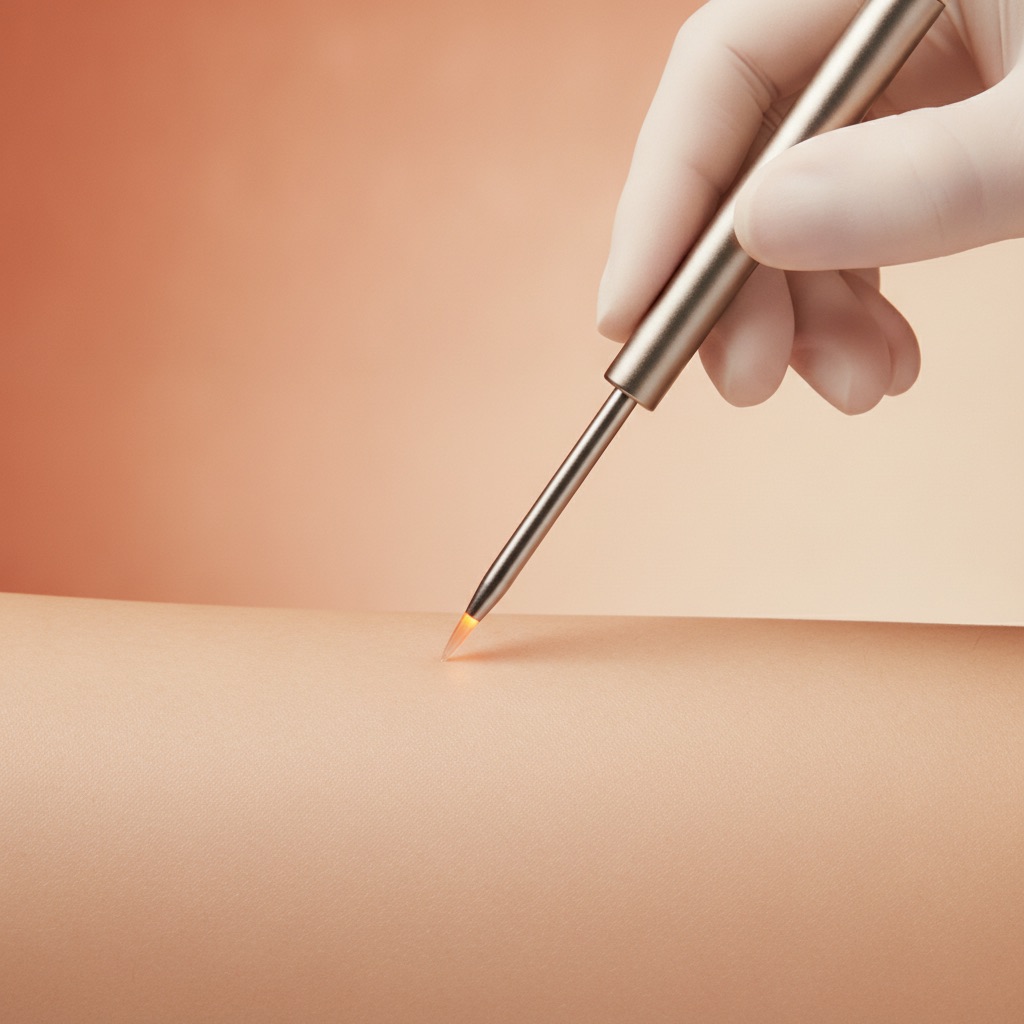
Squeezing a milium does not work, because there is nowhere for it to come out. Pressing only bruises the surrounding skin. Closed comedones are also far harder to extract than a pimple that is already coming to a head, because there is no opening yet. Most people who try at home end up with redness, broken capillaries or small marks, and the bumps come back anyway.
Milia vs closed comedones: how each is treated
Milia are removed in clinic by making a tiny opening with a fine sterile needle and lifting out the keratin. When milia-type bumps keep recurring in the same spots, Agnes — which delivers radiofrequency energy through a fine insulated needle — is an option we discuss.
Closed comedones need two things. First, clearing the current ones: in-clinic extraction together with medical-grade exfoliation. One session helps, but more are usually waiting just below the surface, so I recommend a short series — around five sessions makes a clear difference for most people — followed by maintenance every few weeks.
Second, reducing how often they form. If they are severe or keep returning, the real cause is excess sebum. Treatments that reduce the oil glands — such as Agnes, which targets the gland directly, or Gold PTT — lower how often the follicle clogs in the first place.
If your skin is already sensitive, extraction and exfoliation can irritate it, so I add a soothing step and adjust the plan. Results vary by individual.
Why treat closed comedones instead of waiting
It is not only about how your skin looks today. A closed comedone is the starting point of acne; left alone, some progress to red, inflamed breakouts that can leave marks. Treating them early is the simplest way to prevent that. If you are already dealing with inflamed breakouts, my guide to Korean acne treatment covers the next step.
At home, the things that genuinely help are gentle cleansing, non-comedogenic makeup and skincare, and managing stress and sleep where you can. Heavy scrubbing and pore strips do more harm than good.
For international patients
Extraction and milia removal fit easily into a short visit, with mild redness that usually settles quickly. Treatments that reduce oil glands can leave redness and slight swelling for a few days, so tell us your flight dates and we will sequence them sensibly. Interpreters are on site for the consultation and treatment, and I see you myself from diagnosis through the procedure. These are elective, non-insured treatments, and the plan and cost are explained at consultation.
Takeaways
- Milia vs closed comedones: milia are sealed keratin cysts; closed comedones are clogged pores and an early stage of acne.
- Never squeeze milia — they have no opening. They are removed in clinic through a tiny opening.
- Closed comedones need a short series of extraction, then maintenance; if they keep returning, reducing oil glands is what lowers recurrence.
- A diagnosis first saves you months of treating the wrong thing.
Related reading on this topic
Frequently asked
How can I tell milia from closed comedones?
Milia are firm, pearly white and feel like a tiny bead under the skin, often around the eyes and cheeks. Closed comedones are softer, skin-coloured bumps that make the surface feel rough, usually on the forehead, chin and cheeks, and they often come with other acne.
Can I squeeze milia at home?
Please don't. Milia have no opening, so squeezing only bruises the skin around them and can leave a mark. They are removed in clinic through a tiny opening made with a fine sterile needle.
Do closed comedones turn into acne?
They can. A closed comedone is an early stage of acne, and left alone it can progress to inflamed breakouts. That is the main reason to treat it rather than wait.
Why do closed comedones keep coming back?
Because the cause — excess sebum and a follicle that clogs easily — is still there. Extraction clears the current ones; reducing the oil glands themselves is what lowers how often new ones form.
Is there downtime?
Extraction usually leaves mild redness for a short while. Treatments that reduce oil glands can cause redness and slight swelling for a few days. We plan around your schedule.
Keep reading
More on this from Dr. Min Jeong.



Dr. Min Jeong
Founding director, REDI Dermatology · Seoul
“A treatment isn't shopping. I'd rather diagnose first and recommend only what your skin genuinely needs — the same way I'd advise my own family.”
Board-certified dermatologist — trained at Kangbuk Samsung Hospital, and former Chief of Dermatology at the ROK Ministry of National Defense.
Juvelook Key Opinion Leader — 15,000+ vials administered, Korea's highest-volume clinic (Apr 2025). Key Opinion Leader titles are granted by device companies and carry no legal standing.
A regular speaker on clinical dermatology at Korean medical symposiums, including Juvelook clinical-experience panels.
Why international patients choose REDI
Interpreters in the room
English and Chinese, on site for your consultation and treatment.
Board-certified doctors only
Every procedure by a dermatology specialist — never unsupervised staff.
15,000+ Juvelook vials — No.1 in Korea
Hands-on volume most clinics have not reached.
Airport pickup arranged
So your first day in Seoul isn't spent lost with luggage.
Aftercare once you're home
Online follow-up, so a question next week still reaches your doctor.
Explore the treatment
Agnes
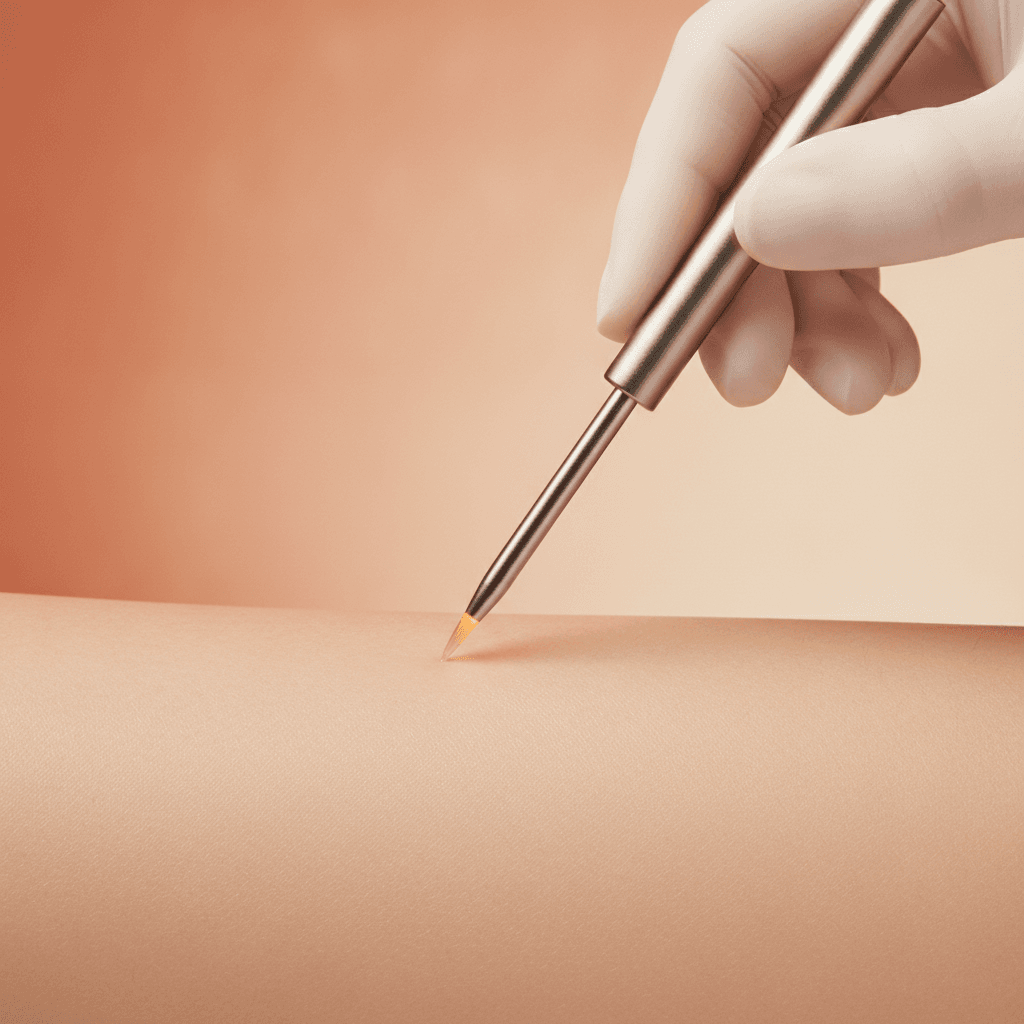
Agnes uses single-pin radiofrequency to destroy sebaceous glands — a powerful acne treatment. It's effective for severe acne, acne that recurs in the same spot, and nose blackheads.
Gold PTT
Fine gold microparticles accumulate in the sebaceous glands and acne bacteria within the dermis, after which a specific laser wavelength effectively destroys them.
Visit REDI Dermatology
4F & 5F, DM Tower Bldg. 2, 105 Bangbae-ro, Seocho-gu, Seoul, Korea
길찾기 (Get directions)Medically reviewed by Dr. Min Jeong · Last updated
This article is general information, not medical advice. Results vary by individual. These are elective, non-insured aesthetic treatments. Please consult a board-certified doctor about your own case.
Ask what your skin actually needs
Free online consultation