
Dull Skin Treatment in Korea: A Dermatologist's Real Plan for Getting Your Glow Back
Why "dull skin" is trickier than it sounds
Hello, I'm Dr. Min Jeong, and at REDI in Seoul I see the words "my skin just looks dull and tired" almost every day — often from patients who've flown in hoping one glowing treatment will fix everything. I understand the wish, and I'd gently ask you to read to the end, because dullness is one of the most misunderstood skin concerns I treat. It's rarely one problem. It's usually three or four small things happening quietly at once, and once you know which ones are yours, the plan becomes surprisingly clear.
When skin looks bright and healthy, light hits it and reflects back evenly. Dull skin scatters that light instead — because the surface is rough, because it's dehydrated, because pigment is uneven, or because cell renewal has slowed. So before I recommend anything, I diagnose which of these is doing the most damage to your glow. That single step decides everything that follows.
The four hidden causes of dull skin
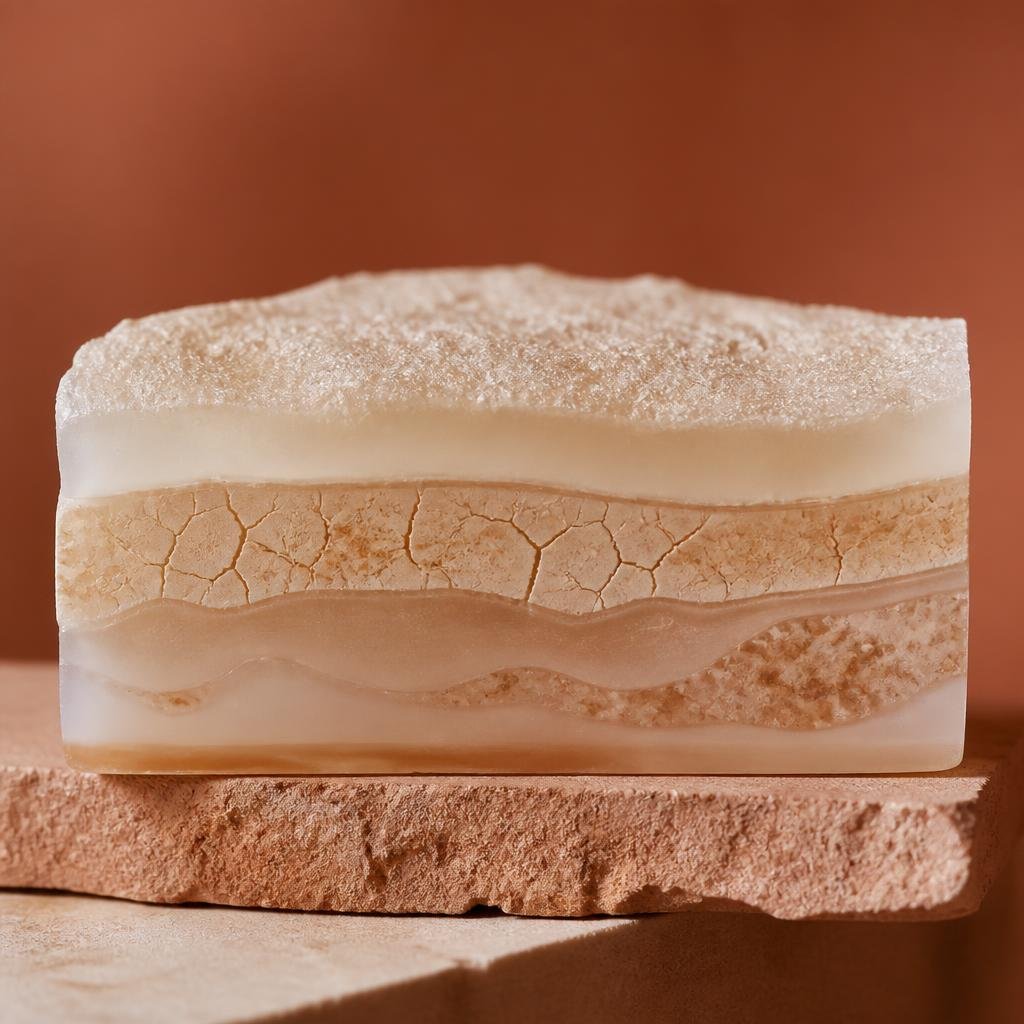
In the treatment room I mentally sort dullness into four contributors, and most people have some blend of them:
- Dehydration. Skin that's low on moisture looks flat and grey, no matter how good your skincare is. This is the fastest thing to improve.
- Uneven tone and pigment. A veil of faint sun damage or melasma muddies the complexion so it never looks clear.
- Rough surface texture. Enlarged pores and a coarse surface stop light from bouncing back cleanly.
- Slower renewal. As collagen production and cell turnover slow with age, skin loses the plumpness and resilience that read as "glow."
The reason a single laser or a single booster so often disappoints is that it only addresses one of these. If your dullness is 70% dehydration and 30% pigment, a pigment laser alone will leave you underwhelmed. Getting the ratio right is the whole job.
How I actually build a glow plan at REDI
REDI is diagnosis-first, and for dull skin that principle matters more than for almost any other concern. Once I know which contributors dominate, I layer treatments rather than betting everything on one.
For the hydration and radiance layer, I often reach for skin boosters that restore the skin's moisture and texture environment. Elavie Re2O is one I use for skin that feels tight, dry, and lacklustre — it replenishes the skin's foundational matrix to bring back moisture and glow. When collagen and firmness have faded alongside the dullness, Juvelook, a PDLLA collagen booster, encourages your own skin to rebuild rather than simply adding volume, so the improvement in texture and tone develops naturally over months.
For the tone layer, gentle laser toning does the quiet work. Pico Toning uses ultra-short pulses to break up pigment gradually across sessions, evening out the muddy veil that dulls a complexion — with low thermal irritation, which matters for sensitive and darker skin. This isn't a one-session fix; it's designed to work steadily.
For the texture layer, when rough surface and pores are the main culprits, I'll consider a resurfacing or microneedle-RF approach. If you want to go deeper on that, my guide to glass skin walks through how these layers combine to build genuine luminosity.
The point is that "dull skin treatment" is almost never a product — it's a sequence, tuned to you.
What's realistic, and the timeline for travelers
Let me set honest expectations, because glow is often oversold. Hydration-based treatments can make skin look fresher and more radiant within a few days — that's the fast win. Tone and collagen changes are slower: pigment evens out over a series of sessions, and collagen-driven firmness and texture typically develop over several weeks to a few months. Results vary by individual, and I'd rather tell you that up front than promise an overnight transformation.
If you're flying in, here's roughly how I'd map it:
- Day 0 (treatment day): Hydration boosters and gentle toning usually leave only mild redness or small temporary bumps.
- Day 1–2: Most redness settles; makeup is usually fine. Many of these treatments have little to no downtime.
- Day 3 onward: Skin often looks fresher and more hydrated — a good window if you have an event or a flight home.
- Weeks 2–6: Tone and collagen changes continue quietly. This is where a series pays off.
If you're planning your trip around this, my article on how many days in Korea for skin treatment can help you build the calendar. For darker skin tones (Fitzpatrick IV–VI), I lean toward gentler, gradual settings and space sessions carefully to avoid irritation or rebound pigment — safety and glow aren't in conflict when the plan is right.
Cost, language, and after you go home
These are elective, non-insured aesthetic treatments, and because a real dull-skin plan is layered, cost depends on which layers you actually need. I don't post fixed price lists here because it would be misleading — we discuss pricing transparently at your consultation, once we know your plan.
Language is never a barrier at REDI. We have English and Chinese interpreters on site, I handle your consultation and your treatment personally, and you can message us on WhatsApp beforehand so we understand your concern before you even land. After you fly home, we stay reachable for online follow-up — if anything feels off, you're not on your own. If you'd like a fuller picture of what to expect as an international patient, my guide for choosing a Seoul skin clinic for foreigners covers it in detail.
Takeaways
- Dull skin is almost always several things at once — dehydration, uneven tone, rough texture, and slower renewal. Fixing glow means fixing the right combination, not chasing one miracle treatment.
- A layered, diagnosis-first plan works best: hydration boosters like Elavie Re2O for radiance, Pico Toning for tone, and collagen boosters or resurfacing for texture.
- Hydration shows quickly; tone and collagen take weeks. Most glow treatments have little downtime, which suits short trips. Results vary by individual.
- For darker skin tones, gentler and gradual is safer — the right settings protect against irritation and rebound pigment.
- You won't navigate it alone: interpreters on site, one doctor from consult to treatment, and online aftercare after you fly home.
Frequently asked
What actually causes dull skin?
Dullness is usually several things at once — dehydration, uneven pigment and tone, rough surface texture, and slower cell renewal that lets light scatter instead of reflect evenly. That's why a single treatment rarely fixes it; we diagnose which factor dominates before choosing a plan.
How long until dull skin looks brighter after treatment in Korea?
Hydration-based treatments can give a fresher, more radiant look within days, while tone and collagen-driven changes develop over weeks. At REDI we set a realistic timeline together after diagnosis. Results vary by individual.
Is dull skin treatment safe for darker skin tones?
Yes, with the right settings. For Fitzpatrick IV–VI skin we favour gentler, gradual approaches like Pico Toning and adjust intensity carefully to reduce the risk of irritation or rebound pigment. Diagnosis comes first.
Can I fly home soon after treatment for dull skin?
Many glow-focused treatments have little to no downtime, so short-trip travelers can usually resume normal life quickly. We plan your schedule around your flight during consultation.
Keep reading
More on this from Dr. Min Jeong.
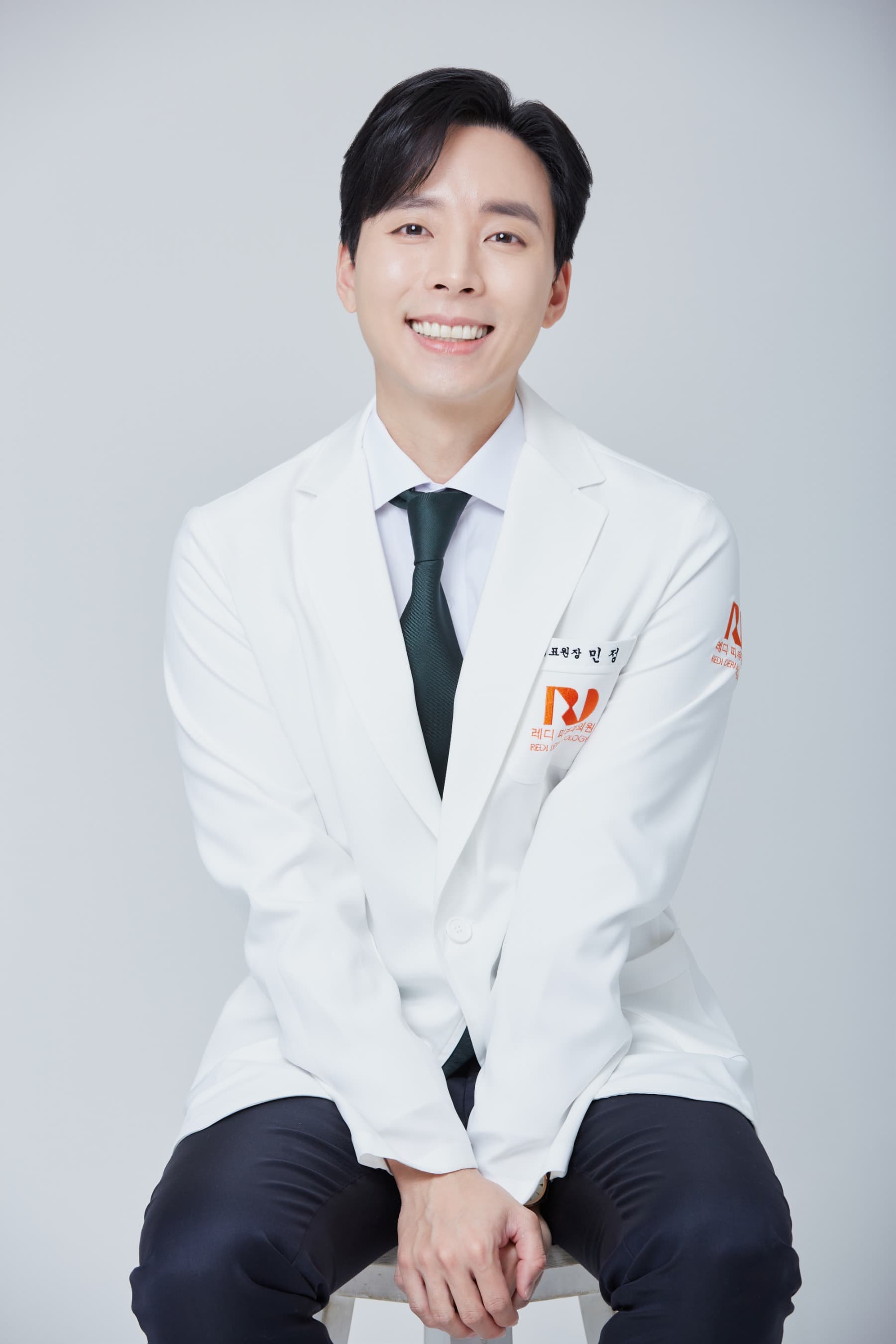
Dr. Min Jeong
Founding director, REDI Dermatology · Seoul
“A treatment isn’t shopping. I’d rather diagnose first and recommend only what your skin genuinely needs — the same way I’d advise my own family.”
Board-certified dermatologist — trained at Kangbuk Samsung Hospital, and former Chief of Dermatology at the ROK Ministry of National Defense.
Recognized by VAIM as Korea's highest-volume Juvelook injector, with 15,000+ vials of hands-on experience; KOL for MIRAJET, Potenza and Oligio.
A regular speaker on clinical dermatology at Korean medical symposiums, including Juvelook clinical-experience panels.
Why international patients choose REDI
Interpreters in the room
English and Chinese, on site for your consultation and treatment.
Board-certified doctors only
Every procedure by a dermatology specialist — never unsupervised staff.
15,000+ Juvelook vials
Hands-on volume most clinics have not reached.
Airport pickup arranged
So your first day in Seoul isn't spent lost with luggage.
Aftercare once you're home
Online follow-up, so a question next week still reaches your doctor.
Explore the treatment

Elavie Re2O
A highly concentrated regenerative treatment that directly replenishes the extracellular matrix (ECM) — the foundation of skin structure — to restore firmness, refine pores, and repair damaged skin.
Pico Toning
By delivering high energy in picoseconds (one-trillionth of a second), it minimizes skin damage and clears pigmented lesions that were previously difficult to treat.
Visit REDI Dermatology
4F & 5F, DM Tower Bldg. 2, 105 Bangbae-ro, Seocho-gu, Seoul, Korea
길찾기 (Get directions)Medically reviewed by Dr. Min Jeong, board-certified dermatologist · Last updated September 7, 2026
This article is general information, not medical advice. Results vary by individual. These are elective, non-insured aesthetic treatments. Please consult a board-certified doctor about your own case.