
Laser Toning in Korea: Why It Works Slowly, Who It Suits, and What It Can't Fix

Hello, I'm Dr. Min Jeong. At REDI Dermatology in Seoul I see pigment concerns every day, and my background is in hospital dermatology: residency and board certification at Kangbuk Samsung Hospital, then a post as Chief of Dermatology at the Medical Office of Korea's Ministry of National Defense. Laser toning is the treatment patients ask me about most by name, often with a follow-up question: "I had ten sessions somewhere else. Why do I still see it?"
The short answer: laser toning is a low-energy laser passed gently and repeatedly over the skin, and it remains the foundation of melasma care. It suits people with melasma, mixed blemishes or a dull, uneven tone who can commit to a course. It is not a one-visit eraser, it does not lift or tighten, and done too aggressively it can make melasma darker. Please read to the end, because the settings and the pacing decide the result far more than the machine does.
| At a glance | |
|---|---|
| What it treats | Melasma, blemishes, dull or uneven tone |
| Time per session | About 15 minutes |
| Downtime | Little to none |
| Typical pacing | Weekly at first, then monthly maintenance |
| What it won't do | Lift, tighten, or erase melasma in one visit |
What happens during a laser toning session
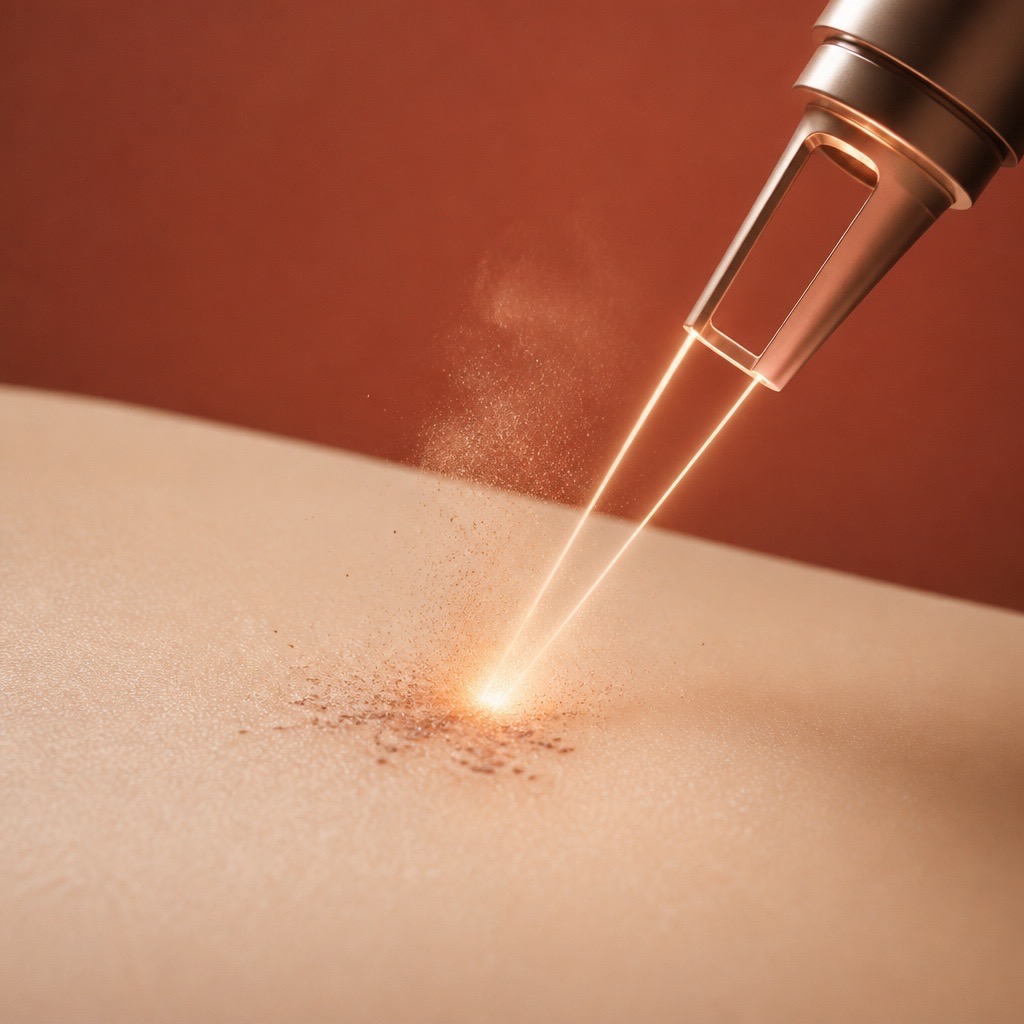
Laser toning uses a 1064 nm wavelength delivered in nanosecond pulses, meaning each burst of energy lasts a few billionths of a second. The energy is kept low and spread evenly across the face in many passes, so it breaks down pigment gradually while limiting damage to the surface layer. There is no peeling or crusting, and you can put on sunscreen and walk out.
That gentleness is the whole point. Melasma is provoked by heat and irritation, so a single strong blast tends to backfire. Low energy, repeated patiently, is how you get pigment to fade without the skin fighting back.
A dimmer, not a light switch
I describe laser toning as turning a dimmer down slowly rather than flicking a switch. Each session lowers the pigment a notch. No single turn looks dramatic, but after several the room is noticeably different.
It also works a bit like training with a personal coach. One workout doesn't change your body, and stopping altogether lets things drift back. Melasma behaves the same way: it improves with regular sessions and it needs upkeep once it is under control.
Who laser toning suits, and who needs something else
Good candidates
- Melasma that has been properly diagnosed as melasma
- Faces with a mix of melasma, small sun spots and freckles, where an overall brightening is welcome
- Dull or uneven tone in people who want gradual change without downtime
- Busy people and visitors who can't take time off for peeling
Better served by another approach
- Look-alikes such as ABNOM. They need a different laser strength, and treating them as melasma wastes months.
- Skin that is already inflamed or blotchy from over-treatment elsewhere. In that case I stop lasers entirely and calm the skin first, sometimes with LDM, before anything else.
- Anyone hoping for lifting, tightening or smaller pores. Toning is a pigment treatment.
How I pace a course
For melasma I usually start at weekly intervals, stretching to every two weeks if the skin needs more rest. Around the fifth session most people begin to see a change, and around the tenth it is usually obvious. That is a meaningful improvement, but it is not the end. Once we are there, I space sessions to about once a month to hold the result.
I set the energy for each person: how sensitive the skin is, how deep and widespread the pigment is, where it sits, and the skin type. Too strong and melasma darkens; too weak and nothing happens. Patients with deeper skin, Fitzpatrick types IV to VI, are more prone to darkening after inflammation, so I start lower and build up only as the skin allows.
If pigment fades unusually fast, I ease off. A sudden improvement can be followed by pale blotches or rebound darkening, and those take far longer to fix than the original problem. Results vary by individual.
Why it sometimes "doesn't work"
When someone tells me laser toning failed them, it usually comes down to one of four things:
- The diagnosis was wrong. ABNOM, sun spots and melasma can look alike at a glance, and each responds differently.
- The settings didn't fit the skin. The same device at the same energy can help one person and irritate another.
- The course stopped too early. Judging after two or three visits is like judging a training plan after one week.
- Home habits undid the work. This is the one people underestimate.
On that last point, I ask every patient for a few habits. Use a mineral sunscreen of SPF 30 or higher, generously, and reapply every two to three hours outdoors. Wear it on cloudy days and at home too, because visible light from indoor lighting can also deepen melasma. Stop scrubs, gritty cleansers and gadgets that rub the skin, and wash gently. A plain, fragrance-free moisturiser helps the barrier cope.
There is also a stage where progress simply stalls: the pigment has already been broken down as far as this laser comfortably takes it. That is when I may bring in pico toning, which I cover separately in my pico toning article.
Planning laser toning around a trip to Seoul
A session takes about 15 minutes, and downtime is little to none, so it slots easily into a city break. The challenge is the course, not the recovery. On a short stay, you might have a session soon after landing and another before you fly home. If you are in Korea for a few weeks, weekly sessions fit naturally into that time. After that, maintenance can continue closer to home or on your next visit.
Interpreters for English and Mandarin are in the building, and I see you personally from diagnosis through each session. Once you are home, we keep in touch online: photos taken in the same daylight every few weeks tell me more than any description. Toning is an elective, non-insured aesthetic treatment, and the plan and cost are set out at consultation. For a broader look at pigment care, see my guide to melasma treatment in Korea.
Takeaways
- Laser toning is a low-energy 1064 nm laser, repeated gently over a course, and it remains the foundation of melasma care.
- It suits melasma, mixed blemishes and dull tone; it does not lift, tighten or erase melasma in one visit.
- Expect weekly sessions at first, visible change around the tenth, then monthly maintenance.
- Diagnosis, tailored settings and daily sun protection matter as much as the laser itself.
Related reading on this topic
- Freckles vs Melasma: Two Kinds of Brown Spots, Two Very Different Treatment Plans
- Agnes Laser in Korea: The Not-Quite-Laser for Repeat Breakouts and Stubborn Nose Blackheads
- Pico Fraxel for Acne Scars and Pores: What It Can Rebuild Beneath the Surface, and What It Can't
- Potenza Korea: What Your Dermatologist Should Be Adjusting Before the First Pass
More from the clinic
Frequently asked
What is laser toning?
It is a 1064 nm laser with a nanosecond pulse, used at low energy with many gentle passes across the face. Repeated over a course of sessions, it gradually breaks down pigment such as melasma and evens out a dull tone.
How many laser toning sessions do I need?
One session rarely shows much. For melasma we usually start weekly, sometimes every two weeks. Most people notice a change around the fifth visit and a clearer difference around the tenth, followed by maintenance roughly once a month. Results vary by individual.
Is there downtime after laser toning?
Little to none. A session takes about 15 minutes, and most people have only mild redness that fades within hours.
Why didn't laser toning work for me?
The common reasons are a wrong diagnosis (for example ABNOM mistaken for melasma), settings too strong or too weak for your skin, too few sessions, and daily habits such as skipping sunscreen or scrubbing the skin, which undo the progress.
Can laser toning remove melasma completely?
No treatment can promise that. It improves melasma well in most people, but melasma responds to sun, heat and hormones and can return, so it is managed over time rather than erased once.
Keep reading
More on this from Dr. Min Jeong.




Dr. Min Jeong
Founding director, REDI Dermatology · Seoul
“A treatment isn't shopping. I'd rather diagnose first and recommend only what your skin genuinely needs — the same way I'd advise my own family.”
Board-certified dermatologist — trained at Kangbuk Samsung Hospital, and former Chief of Dermatology at the ROK Ministry of National Defense.
Juvelook Key Opinion Leader — 15,000+ vials administered, Korea's highest-volume clinic (Apr 2025). Key Opinion Leader titles are granted by device companies and carry no legal standing.
A regular speaker on clinical dermatology at Korean medical symposiums, including Juvelook clinical-experience panels.
Why international patients choose REDI
Interpreters in the room
English and Chinese, on site for your consultation and treatment.
Board-certified doctors only
Every procedure by a dermatology specialist — never unsupervised staff.
15,000+ Juvelook vials — No.1 in Korea
Hands-on volume most clinics have not reached.
Airport pickup arranged
So your first day in Seoul isn't spent lost with luggage.
Aftercare once you're home
Online follow-up, so a question next week still reaches your doctor.
Explore the treatment
Laser Toning
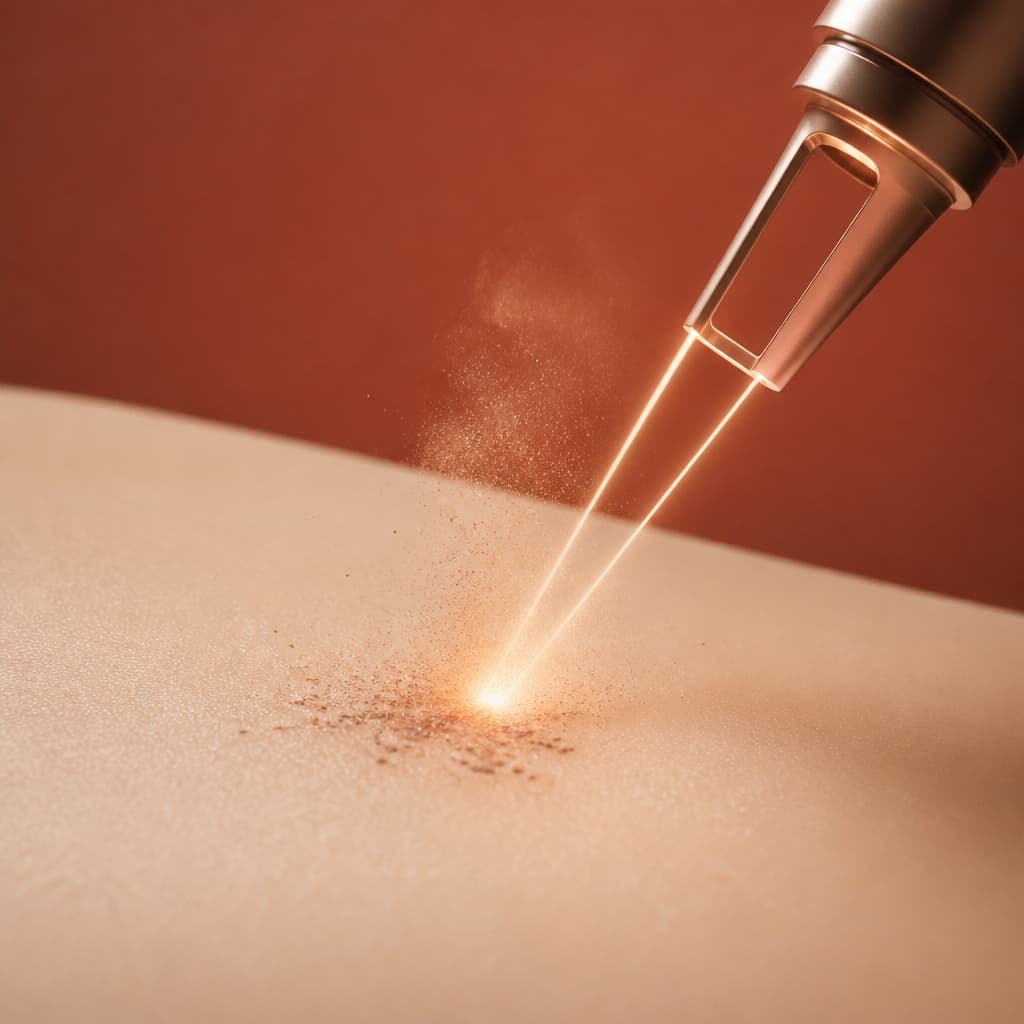
A uniform laser beam minimizes damage to the epidermis while treating melasma, blemishes, and stubborn pigmentary conditions.
Pico Toning
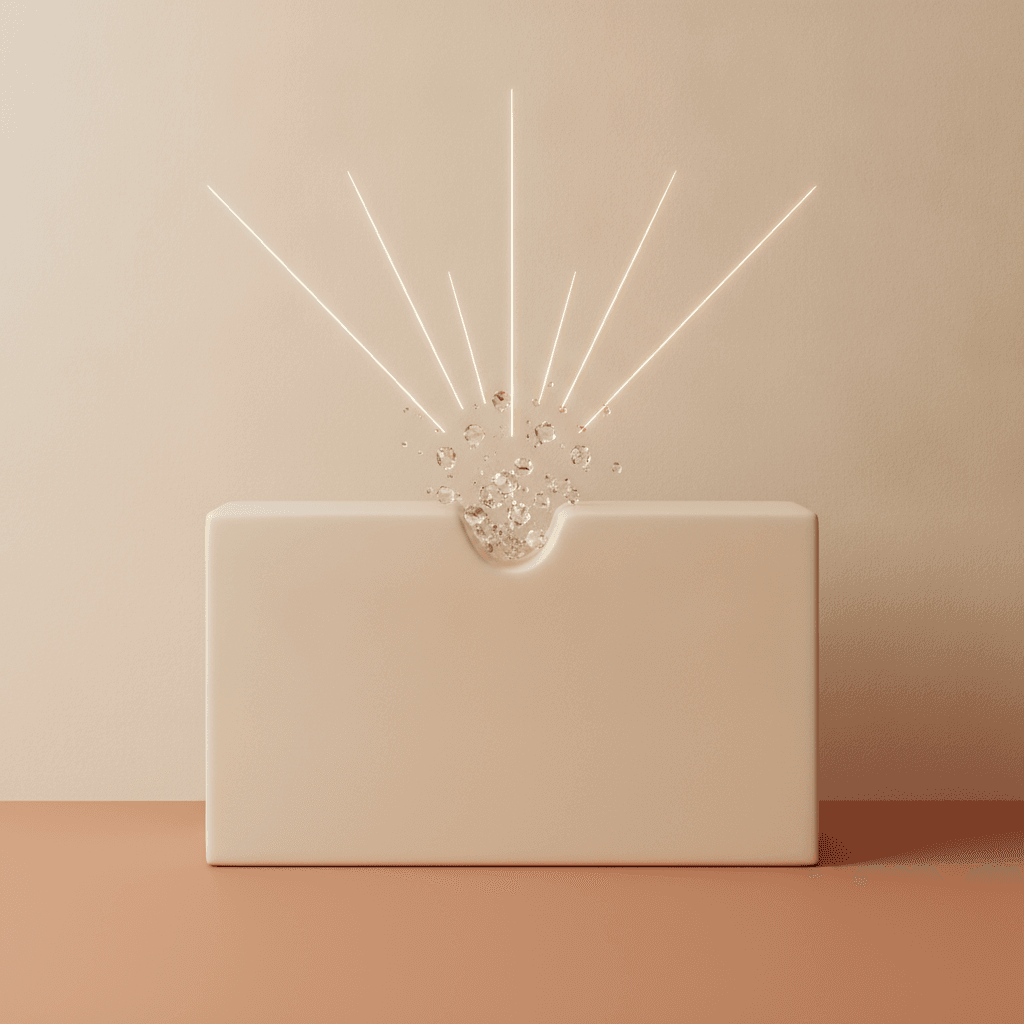
By delivering high energy in picoseconds (one-trillionth of a second), it minimizes skin damage and clears pigmented lesions that were previously difficult to treat.
Visit REDI Dermatology
4F & 5F, DM Tower Bldg. 2, 105 Bangbae-ro, Seocho-gu, Seoul, Korea
길찾기 (Get directions)Medically reviewed by Dr. Min Jeong · Last updated
This article is general information, not medical advice. Results vary by individual. These are elective, non-insured aesthetic treatments. Please consult a board-certified doctor about your own case.
Ask what your skin actually needs
Free online consultation