
Pico Fraxel for Acne Scars and Pores: What It Can Rebuild Beneath the Surface, and What It Can't

Hello, I'm Dr. Min Jeong, the founding director of REDI Dermatology in Seoul. I trained and became a board-certified dermatologist at Kangbuk Samsung Hospital and served as Chief of Dermatology at the Medical Office of Korea's Ministry of National Defense. Acne scars have been a special interest of mine for years, and pico fraxel is the treatment international patients ask me about most when they want scars and pores improved without a long recovery.
The short answer: pico fraxel is a fractional picosecond laser. It places a grid of tiny energy points inside the skin while leaving the surface largely intact, and the skin rebuilds collagen around each point. That makes it well suited to acne scars, enlarged pores and rough texture, especially when uneven pigment is part of the picture. It is gentler and slower than an ablative laser, and it is rarely the whole plan on its own. Please read to the end, because the depth it is set to matters more than the name on the menu.
| At a glance | |
|---|---|
| What it helps | Acne scars, enlarged pores, rough texture, with pigment and dullness |
| Time per session | About 20 minutes |
| Downtime | One to three days of possible redness or mild swelling |
| Course | Several sessions, planned by scar type and depth |
| Often combined with | Pico toning for pigment; other scar treatments for deep scars |
Aerating the lawn without lifting the turf
The picture I use in the consultation room is a lawn. An ablative laser is like stripping patches of turf and waiting for new grass to grow in: effective, but the ground is raw for a while. A fractional picosecond laser is closer to aerating the soil from underneath: thousands of tiny channels open below a surface that stays in place, and the roots fill in around them.
Technically, the laser's energy arrives in picoseconds, a trillionth of a second. Optics called MLA (micro-lens array) and DOE (diffractive optical element) split that single beam into a fine grid of points. At each point, the energy is so concentrated in so short a time that it forms a microscopic zone of disruption inside the skin, sitting around the lower epidermis and upper dermis, without burning through the top layer. The surrounding tissue responds by producing new collagen. That is the whole mechanism behind pico fraxel: small, controlled signals below the surface, repeated over a course.
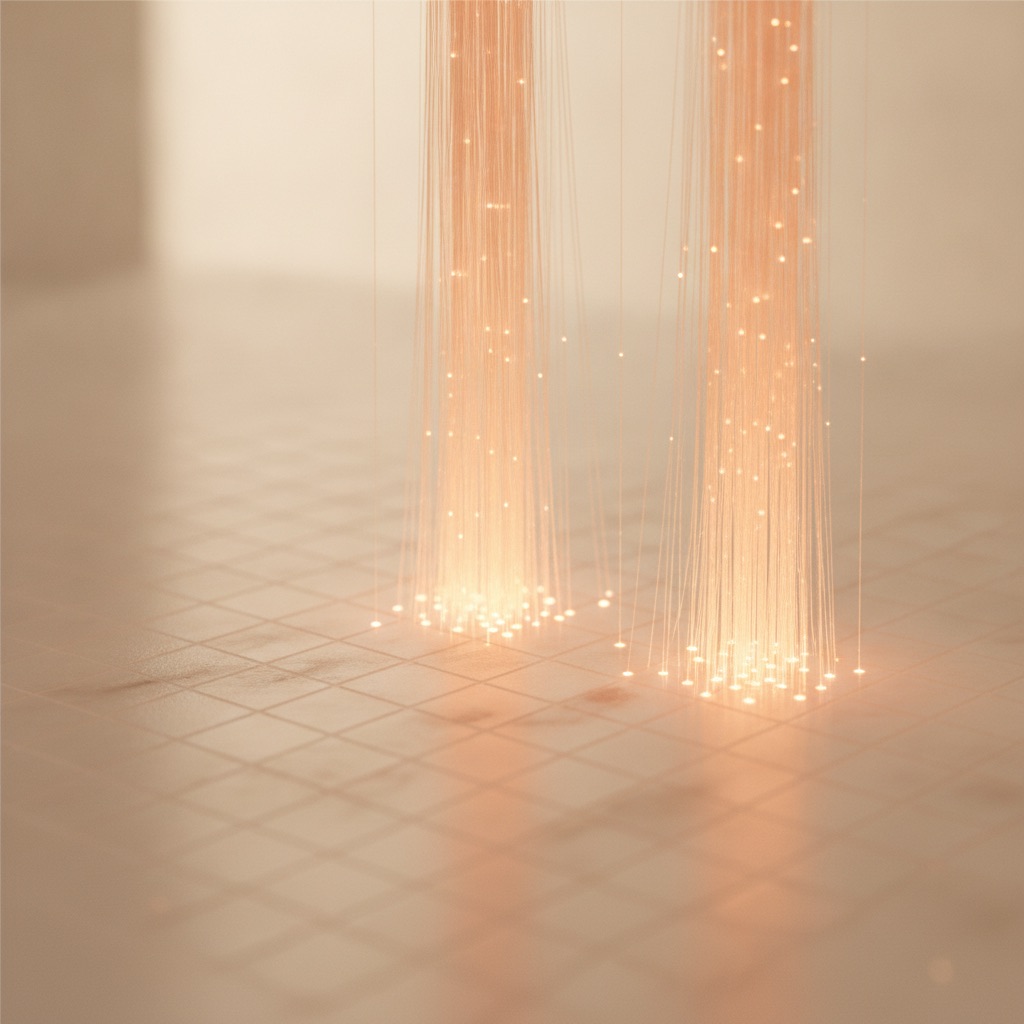
Pico fraxel depth: the part nobody sees
Where those points land decides what the treatment can do. With a DOE handpiece, I can shift the focus toward the lower, middle or upper dermis, which is why the same device can be set for shallow texture on one visit and for scar-bound tissue on another.
When I first brought this laser into my scar work, the detail that mattered most to me was that the effect depended on where those zones formed. So before I relied on it, I fired the laser myself and checked the depth at which they appeared at different settings. I still think of it that way: the device is only as useful as the person choosing the depth for your particular scars.
What it helps, and where it stops
- Acne scars: the rebuilding of collagen gradually lifts shallow and moderate indented scars and softens their edges. Deep, tethered or very narrow scars usually need other tools as well, which I explain in my guides to acne scar treatment in Korea and atrophic scars.
- Enlarged pores: when pores are stretched by years of oil and breakouts, regenerating the dermis around them helps. When pores are enlarged because the skin has lost firmness, a tightening treatment is usually more useful, so I sort out the cause first.
- Texture with pigment: this is where pico fraxel is distinctive. Laser toning on its own does very little for pores. For patients who have both pigment and pores, I pair toning with a fractional picosecond setting, and a 785 nm DOE setting in particular lets me work on pores, melasma and flat brown spots in the same course.
Results vary by individual. Clear, honest improvement is realistic; skin like it was before the acne usually is not, and I would rather say that now than have you judge a good result against an impossible standard.
Pico fraxel vs pico toning vs an ablative fractional laser
These three are often confused because the names overlap. They do different jobs.
| Pico toning | Pico fraxel | Ablative fractional laser | |
|---|---|---|---|
| How the energy is delivered | Spread evenly and gently | Split into a grid of tiny points under the surface | Removes tiny columns of skin |
| Main purpose | Pigment: melasma, blemishes, dull tone | Acne scars, pores, texture, with pigment | Deeper or stubborn scars |
| Surface | Untouched | Largely intact | Opened, then heals |
| Downtime | Little to none | One to three days of possible redness or swelling | Longer, with crusting |
| Speed on scars | Not designed for scars | Gradual | Faster |
Pico toning uses the same picosecond pulse but spreads it thinly across the skin to break pigment into finer particles, so it has little to none in the way of downtime. Pico fraxel concentrates the energy to trigger repair. An ablative laser goes further and physically removes tissue.
I will be candid about my own history. For years I relied heavily on ablative fractional lasers and did get results, but too many patients were left with skin that felt thinner and more reactive. Moving toward non-ablative tools such as this one brought fewer of those complaints, and often calmer, healthier skin overall. The trade-off is speed, and some scar shapes barely respond without an ablative step. So today I use both, and I decide the balance for each face rather than picking a side.
Who should wait, and who should go gently
- Redness-prone or sensitive skin: I avoid ablative lasers here and am conservative even with fractional picosecond settings. Calming the redness first often improves the pores along with it.
- Active breakouts: controlling oil and inflammation comes before scar work; otherwise new scars form while old ones are treated.
- Darker skin tones (Fitzpatrick IV to VI): more prone to post-inflammatory darkening, so I start low and raise the energy only when the skin shows it tolerates it.
- Pores that are really scars: some people spend years on pore treatments when the problem is shallow scarring. Treating the scars first is usually what makes the difference they notice.
How a session and the following week usually go
A session takes about 20 minutes. Numbing cream or cooling is used when needed, and most people describe a prickling warmth. Afterwards, the skin is usually pink.

- The first evening: warmth and redness, sometimes with mild swelling. Gentle cleansing and moisturiser only.
- The third day: for most people, the redness has settled enough for make-up and ordinary plans.
- By the end of the first week: the surface looks normal, while the collagen response underneath has only just begun. Real change shows over the following weeks and across the course.
Sun protection matters throughout, especially for anyone treating pigment at the same time.
Planning a course when you are flying in
Because pico fraxel does not peel the surface away, one session fits a short stay: treat early in your trip, allow the redness a few days to settle, and you are usually comfortable flying home within the same week. Scars and pores, however, respond to a course. Many international patients have their first session in Seoul, then return on a later trip, spacing visits around their travel. Tell us your dates before we plan, and I will say plainly what fits.
English- and Chinese-speaking interpreters are on site for the consultation and the treatment, and I see you myself from diagnosis through the procedure. After you return home, follow-up continues online; a photo every few weeks taken with light from the side shows scar change far better than a mirror. This is an elective, non-insured aesthetic treatment, and the full plan and cost are explained at consultation once I have examined your skin.
Takeaways
- Pico fraxel is a fractional picosecond laser: tiny energy points form beneath a largely intact surface, and the skin rebuilds collagen around them.
- It helps acne scars, pores and texture, and pairs well with pigment treatment when both concerns are present.
- The depth it is set to decides what it can reach, which is why diagnosis comes first.
- Expect one to three days of possible redness or swelling, about 20 minutes per session, and a course rather than a single visit.
- It is gentler and slower than an ablative laser; for many scarred faces, the right plan uses both.
Related reading on this topic
- Freckles vs Melasma: Two Kinds of Brown Spots, Two Very Different Treatment Plans
- Laser Toning in Korea: Why It Works Slowly, Who It Suits, and What It Can't Fix
- Agnes Laser in Korea: The Not-Quite-Laser for Repeat Breakouts and Stubborn Nose Blackheads
- Potenza Korea: What Your Dermatologist Should Be Adjusting Before the First Pass
More from the clinic
Frequently asked
What is pico fraxel?
It is a fractional picosecond laser. The beam is split into many tiny points by special optics (MLA or DOE), and each point creates a microscopic zone of energy inside the skin while the surface stays largely intact. The skin responds by rebuilding collagen around those zones, which softens acne scars and refines pores.
Is pico fraxel the same as pico toning?
No. Both use a picosecond laser, but pico toning spreads gentle energy evenly to break down pigment such as melasma, while pico fraxel concentrates energy into tiny points to stimulate collagen for scars, pores and texture. I often use them on the same skin for different jobs.
How much downtime does pico fraxel have?
Usually one to three days of possible redness and mild swelling. The surface is not peeled away, so most people are back to normal plans quickly. Results vary by individual.
How many pico fraxel sessions will I need?
Scars and pores improve over a course rather than in one visit. How many sessions depends on the scar type, depth and your skin, so I plan it after examining you and adjust it as the skin responds.
Is pico fraxel better than an ablative fractional laser for acne scars?
Neither is simply better. Ablative lasers work faster on deeper scars but carry more redness and a higher risk of sensitivity or darkening. Pico fraxel is gentler and slower. For many scarred faces the right plan uses both, in a balance set for your skin.
Keep reading
More on this from Dr. Min Jeong.


Dr. Min Jeong
Founding director, REDI Dermatology · Seoul
“A treatment isn't shopping. I'd rather diagnose first and recommend only what your skin genuinely needs — the same way I'd advise my own family.”
Board-certified dermatologist — trained at Kangbuk Samsung Hospital, and former Chief of Dermatology at the ROK Ministry of National Defense.
Juvelook Key Opinion Leader — 15,000+ vials administered, Korea's highest-volume clinic (Apr 2025). Key Opinion Leader titles are granted by device companies and carry no legal standing.
A regular speaker on clinical dermatology at Korean medical symposiums, including Juvelook clinical-experience panels.
Why international patients choose REDI
Interpreters in the room
English and Chinese, on site for your consultation and treatment.
Board-certified doctors only
Every procedure by a dermatology specialist — never unsupervised staff.
15,000+ Juvelook vials — No.1 in Korea
Hands-on volume most clinics have not reached.
Airport pickup arranged
So your first day in Seoul isn't spent lost with luggage.
Aftercare once you're home
Online follow-up, so a question next week still reaches your doctor.
Explore the treatment
Fractional Picosecond Laser
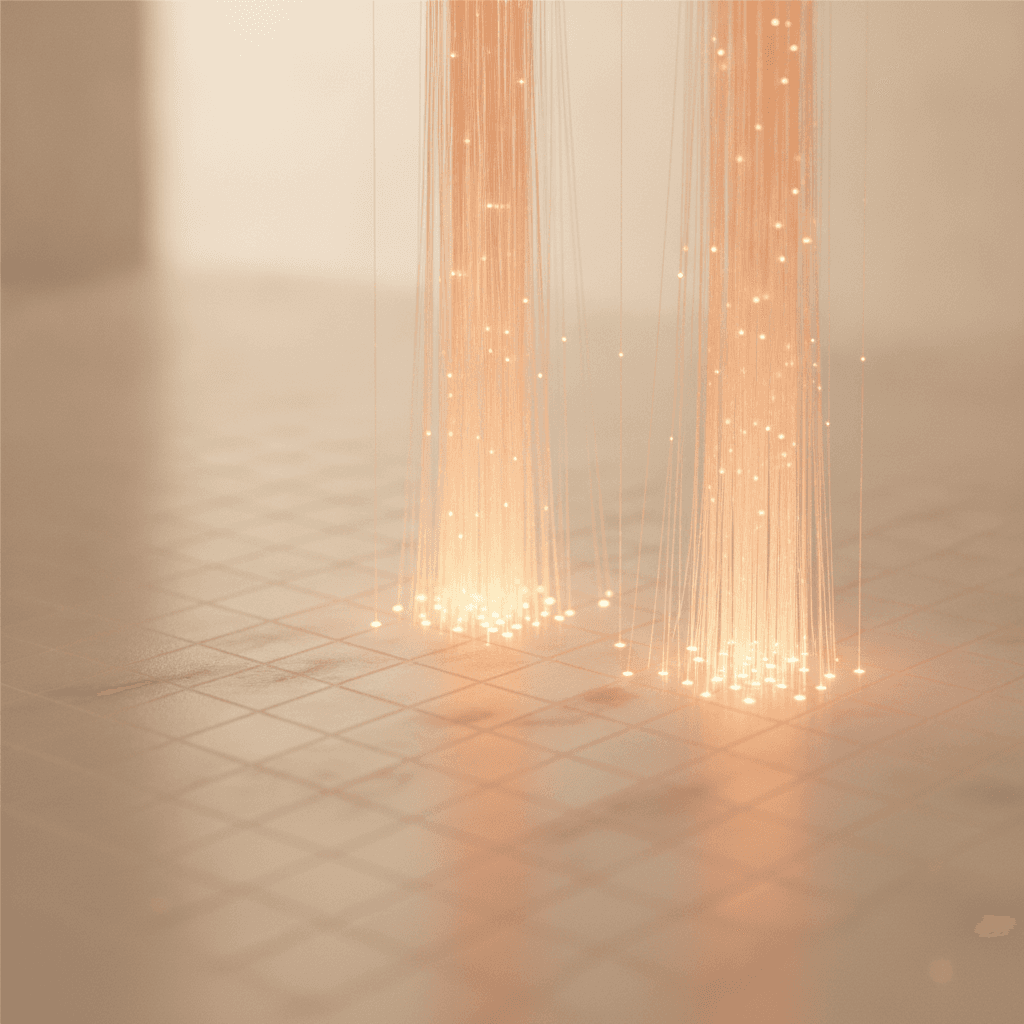
Without damaging the skin's surface, it creates microscopic channels within the skin to stimulate surrounding collagen regeneration and soften acne scars. MLA and DOE technologies make pore and scar improvement even more effective.

Pico Toning
By delivering high energy in picoseconds (one-trillionth of a second), it minimizes skin damage and clears pigmented lesions that were previously difficult to treat.
Visit REDI Dermatology
4F & 5F, DM Tower Bldg. 2, 105 Bangbae-ro, Seocho-gu, Seoul, Korea
길찾기 (Get directions)Medically reviewed by Dr. Min Jeong · Last updated
This article is general information, not medical advice. Results vary by individual. These are elective, non-insured aesthetic treatments. Please consult a board-certified doctor about your own case.
Ask what your skin actually needs
Free online consultation