
Potenza vs Legato: Which Microneedle RF Is Right for Your Pores and Scars? — Dr. Min Jeong

First, a word before we compare
Hello, I'm Dr. Min Jeong, and I run REDI Dermatology in Seoul. "Potenza vs Legato" is one of the most common questions I get from patients who've done their homework — and I love that, because it means you're thinking about mechanism, not just brand names. But I want to be honest from the start: the more useful question isn't "which device wins," it's "which device fits your skin, your scars, and your timeline." Please read to the end, because the answer really does depend on your diagnosis.
Both of these are microneedle radiofrequency (RF) treatments. That means they share the same core idea — and yet they earn their place in a treatment plan for different reasons. Let me walk you through it the way I would in the consultation room.
What microneedle RF actually does (they share this)
Both Potenza and Legato work by inserting very fine microneedles into the dermis and then delivering radiofrequency heat through them. That heat stimulates your fibroblasts, which in turn produce collagen and elastin, refining the environment around pores and scars while boosting firmness.
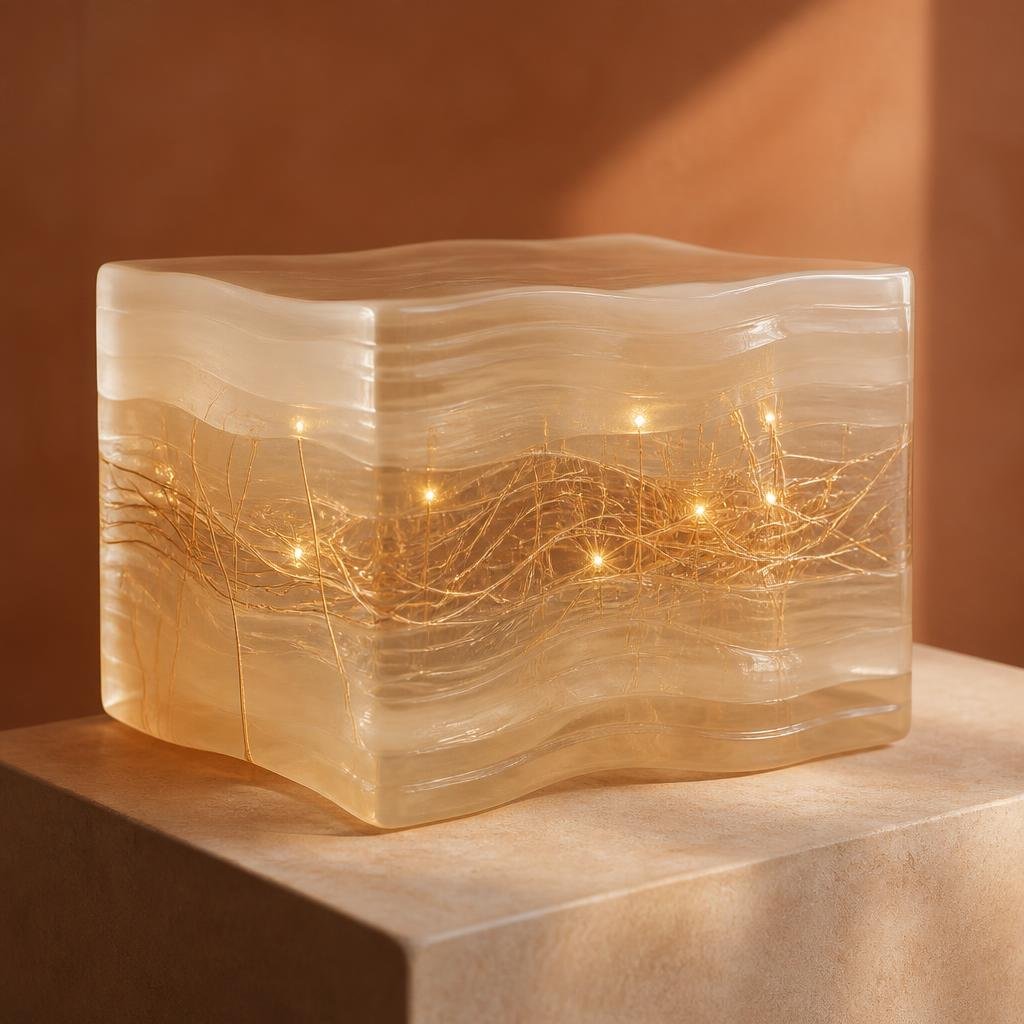
The reason this approach is so valued is that the energy is deposited at depth, through the needle tip, while the surface stays relatively protected. That's why downtime tends to be modest compared with older resurfacing methods. If you want the broader picture of how these treatments fit alongside lasers and other tools, I've written more in my skin resurfacing guide. But the short version: microneedle RF rebuilds from the inside, gradually.
Potenza: my versatile all-rounder
Potenza is the device I reach for most often, and there's a practical reason for that — its range. At REDI we use it for enlarged pores, acne scars, and reduced firmness together, but also for active inflammatory acne, and even for persistent redness. Depth and intensity are designed by region based on your diagnosis, so the same device does very different work on a cheek full of pores versus a jawline that needs firming.
That versatility is why I've spent so much time with it. Alongside colleagues at other clinics, I've taken part in academic discussions specifically about how RF microneedling can help difficult cases — one striking example being redness. For patients with rosacea-type flushing that hasn't responded to vascular lasers or topical care, RF heat can reduce the inflammatory signals in the dermis and ease that burning, flushed feeling. I explain this in more detail in my piece on facial redness treatment. Potenza is also a common delivery method when we use it to introduce a collagen booster like Juvelook into the skin — the needle channels do double duty.
Downtime: roughly 1–3 days, with possible redness or mild swelling. Results vary by individual.
Legato: depth control for fibrous scars
Legato is also a microneedle RF device, but its personality is a little different. It uses radiofrequency energy to create micro-channels within the fibrous tissue that clusters in scars, prompting collagen to regenerate. What I find genuinely useful is its four depth settings — that lets me match the energy precisely to how deep a given scar sits, which matters enormously when scar depth varies across a single face.
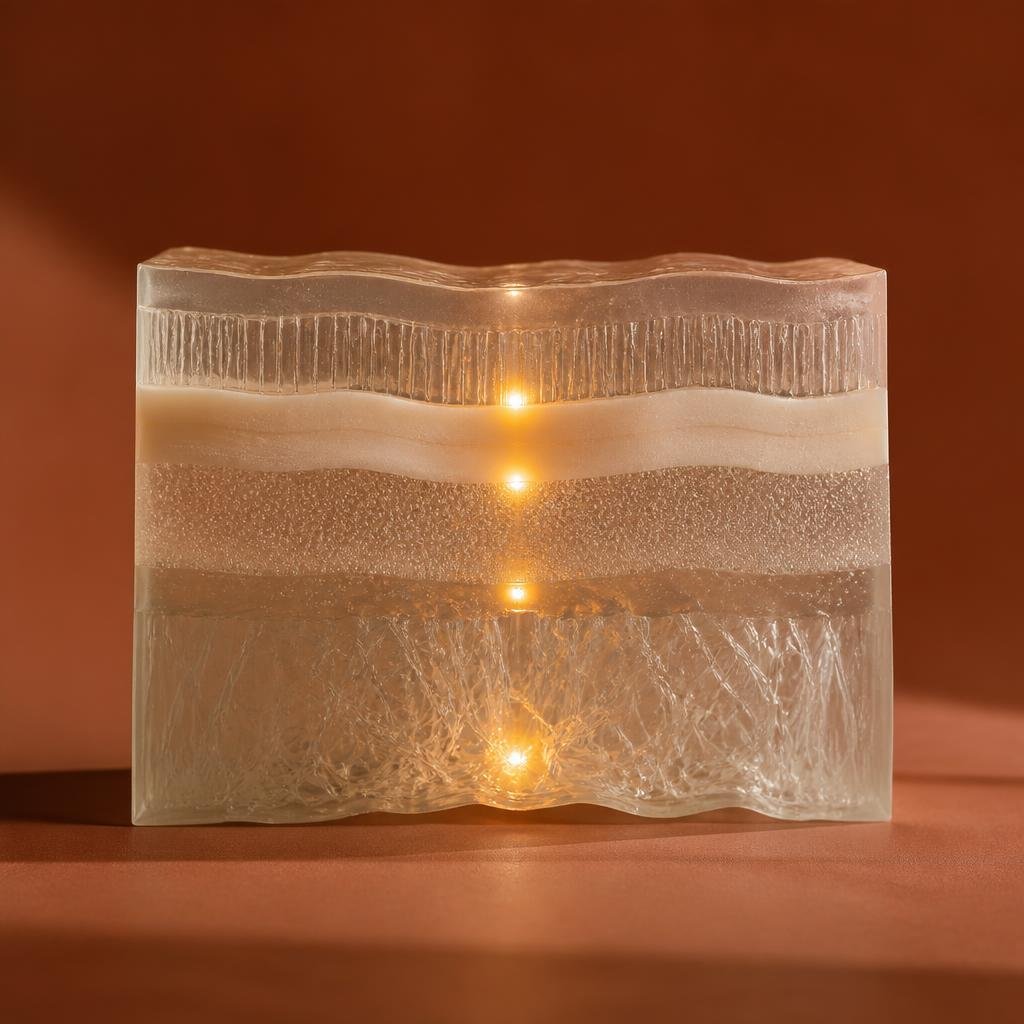
Legato also carries an anti-inflammatory benefit, which makes it a thoughtful option for inflammatory acne, not just the scars left behind. So when someone comes in with a mix of pores, acne scars, and rough texture — especially where the scarring is fibrous and tethered — Legato often earns its place. As with everything at REDI, we design the depth to match your scar depth and pore condition rather than applying one fixed setting. If acne scarring is your main concern, my honest deep-dive on acne scar treatment is worth reading before you decide.
Downtime: roughly 1–3 days, with possible redness or mild swelling. Results vary by individual.
So, Potenza vs Legato — how I actually choose
Here's the honest truth: I don't choose by the name on the machine. I choose after looking at your skin. A few patterns guide me:
- Mixed concerns — pores, marks, firmness, and some active acne together: Potenza's breadth usually makes it the efficient choice.
- Persistent redness or rosacea-type flushing that other treatments haven't calmed: this is a specific strength of Potenza's RF.
- Fibrous, tethered, or variably deep acne scars: Legato's four depth settings give me the precision I want.
- Inflammatory acne where I also want an anti-inflammatory effect: Legato is a strong candidate.
And often the best plan isn't one device at all. Deeper scars respond better when we layer approaches — microneedle RF, subcision, collagen boosters — over a series. Both devices need more than a single session for their fullest results, spaced a few weeks apart, and I set the exact plan with you after diagnosis. This is elective, non-insured aesthetic care, so there's no rush; we take the time to get the plan right.
For international patients: planning your visit
If you're flying in, here's the practical shape of it. Both Potenza and Legato have a similar recovery rhythm:
- Day 0 (treatment): redness, a warm flushed feeling, sometimes mild swelling.
- Day 1–2: redness settles; makeup is usually fine by now for most people.
- Day 3 onward: most patients look camera-ready. Collagen-driven improvement then continues quietly over the following weeks.
Because downtime is modest, these treatments travel well — but if you want a fuller picture of when it's safe to fly and how to time a trip, see my guides on flying after skin treatment and downtime day by day.
At REDI we have English- and Chinese-speaking interpreters on site, and I personally handle your consultation through to the treatment itself, so nothing gets lost between "what you asked for" and "what happens in the room." You can message us on WhatsApp beforehand to talk through your skin, we offer airport pickup, and after you fly home we stay in touch for online follow-up. Pricing is discussed transparently at your consultation once we know which device — or combination — actually suits you. As a rough orientation, plan a USD equivalent of a full RF microneedling course rather than a single session, since results build over a series.
Takeaways
- Potenza and Legato are both microneedle RF — fine needles delivering radiofrequency heat into the dermis to remodel collagen and refine pores, scars, and firmness.
- Potenza is my versatile all-rounder, useful across pores, scars, firmness, active acne, and even persistent redness.
- Legato's four depth settings make it especially suited to fibrous, variably deep acne scars, with a helpful anti-inflammatory effect for inflammatory acne.
- I choose by diagnosis, not by name — and the best plan is often a combination over a series of sessions.
- Downtime for both is roughly 1–3 days; results build gradually over weeks. Results vary by individual.
- For international patients: modest recovery, interpreters on site, the same doctor from consultation to treatment, and online aftercare once you're home.
Frequently asked
What is the main difference between Potenza and Legato?
Both are microneedle radiofrequency devices that deliver heat into the dermis to remodel collagen. In my hands, Potenza is a versatile all-rounder I reach for across pores, scars, firmness, acne, and even redness, while Legato's multiple depth settings make it a strong choice for fibrous, tethered acne scars. We choose after diagnosis rather than by name.
Which is better for acne scars, Potenza or Legato?
Neither is universally "better." Legato's depth control suits fibrous scar tissue, while Potenza is effective for a mix of active acne, marks, and scars together. Deeper or older scars often benefit from combining energy devices with other approaches, which we plan for your specific scar type.
Do Potenza and Legato hurt?
They are microneedle treatments, so there is some sensation. We apply numbing cream or cooling as needed to keep discomfort low. How it feels varies by person, and we tune depth and intensity together during your consultation.
How much downtime should I expect?
For both Potenza and Legato, expect roughly 1–3 days with possible redness and mild swelling. Most people are camera-ready within a few days, though this varies by individual and by how aggressively we treat.
Can Potenza treat redness too?
Yes. For persistent flushing or rosacea that hasn't responded to other treatments, Potenza's radiofrequency can help calm the dermis and reduce redness. It's one reason I use it across so many concerns.
Keep reading
More on this from Dr. Min Jeong.



Dr. Min Jeong
Founding director, REDI Dermatology · Seoul
“A treatment isn’t shopping. I’d rather diagnose first and recommend only what your skin genuinely needs — the same way I’d advise my own family.”
Board-certified dermatologist — trained at Kangbuk Samsung Hospital, and former Chief of Dermatology at the ROK Ministry of National Defense.
Recognized by VAIM as Korea's highest-volume Juvelook injector, with 15,000+ vials of hands-on experience; KOL for MIRAJET, Potenza and Oligio.
A regular speaker on clinical dermatology at Korean medical symposiums, including Juvelook clinical-experience panels.
Why international patients choose REDI
Interpreters in the room
English and Chinese, on site for your consultation and treatment.
Board-certified doctors only
Every procedure by a dermatology specialist — never unsupervised staff.
15,000+ Juvelook vials
Hands-on volume most clinics have not reached.
Airport pickup arranged
So your first day in Seoul isn't spent lost with luggage.
Aftercare once you're home
Online follow-up, so a question next week still reaches your doctor.
Explore the treatment
Potenza
Minimal pain with little disruption to daily life. Microneedles are safely inserted into the dermis to deliver radiofrequency heat, improving acne and pores while boosting firmness.
Legato
A device that uses radiofrequency energy to create micro-channels in the fibrous tissue clustered in scars, regenerating collagen. Four depth settings allow efficient skin renewal, and its anti-inflammatory effect makes it highly effective for inflammatory acne as well.
Visit REDI Dermatology
4F & 5F, DM Tower Bldg. 2, 105 Bangbae-ro, Seocho-gu, Seoul, Korea
길찾기 (Get directions)Medically reviewed by Dr. Min Jeong, board-certified dermatologist · Last updated September 14, 2026
This article is general information, not medical advice. Results vary by individual. These are elective, non-insured aesthetic treatments. Please consult a board-certified doctor about your own case.