
Korean Laser Treatment: A Dermatologist's Map of Which Laser Does What, and How Long Each Keeps You in Seoul

Hello, I'm Dr. Min Jeong, founding director and board-certified dermatologist at REDI Dermatology in Seoul. Lasers are the part of dermatology I trained in most intensively: during residency at Kangbuk Samsung Hospital I spent four years learning from a professor known for laser work. So when international patients ask me about Korean laser treatment, I understand why they are confused. There are dozens of names, and many sound alike. Please read to the end, because once you see what each type of laser is for, choosing becomes much simpler, and so does planning your days in Seoul.
The short answer: there is no single "Korean laser". Clinics here use several families of lasers, each suited to a different problem. Toning lasers treat melasma and dull tone gently over a course. Q-switched lasers target discrete spots. Fractional lasers rebuild texture, pores and scars. Vascular lasers calm redness. The skill lies in diagnosing which problem you have and setting the laser for your skin.
A map of the lasers I use
| Laser family | At REDI | Main job | Downtime |
|---|---|---|---|
| Nanosecond toning | Laser Toning | Melasma, dull or uneven tone | Little to none |
| Picosecond toning | Pico Toning | Melasma, blemishes, with lower heat | Little to none |
| Q-switched | Helios IV | Discrete spots, freckles, stubborn pigment | Minimal |
| Fractional pico | Pico fraxel | Pores, scars, texture, with pigment | A short recovery |
| Cold-ablative | Ultra Clear | Surface texture, pores, mild scars | A short recovery |
| Vascular | Vbeam Perfecta | Redness, flushing, red marks | Minimal |
When I set up the clinic, I spent months trying nearly every device on the market before choosing, and in the final round I compared the last two candidates side by side again. A higher price does not always mean a better laser, and newer machines often overlap. What matters is that each laser covers a job the others cannot.
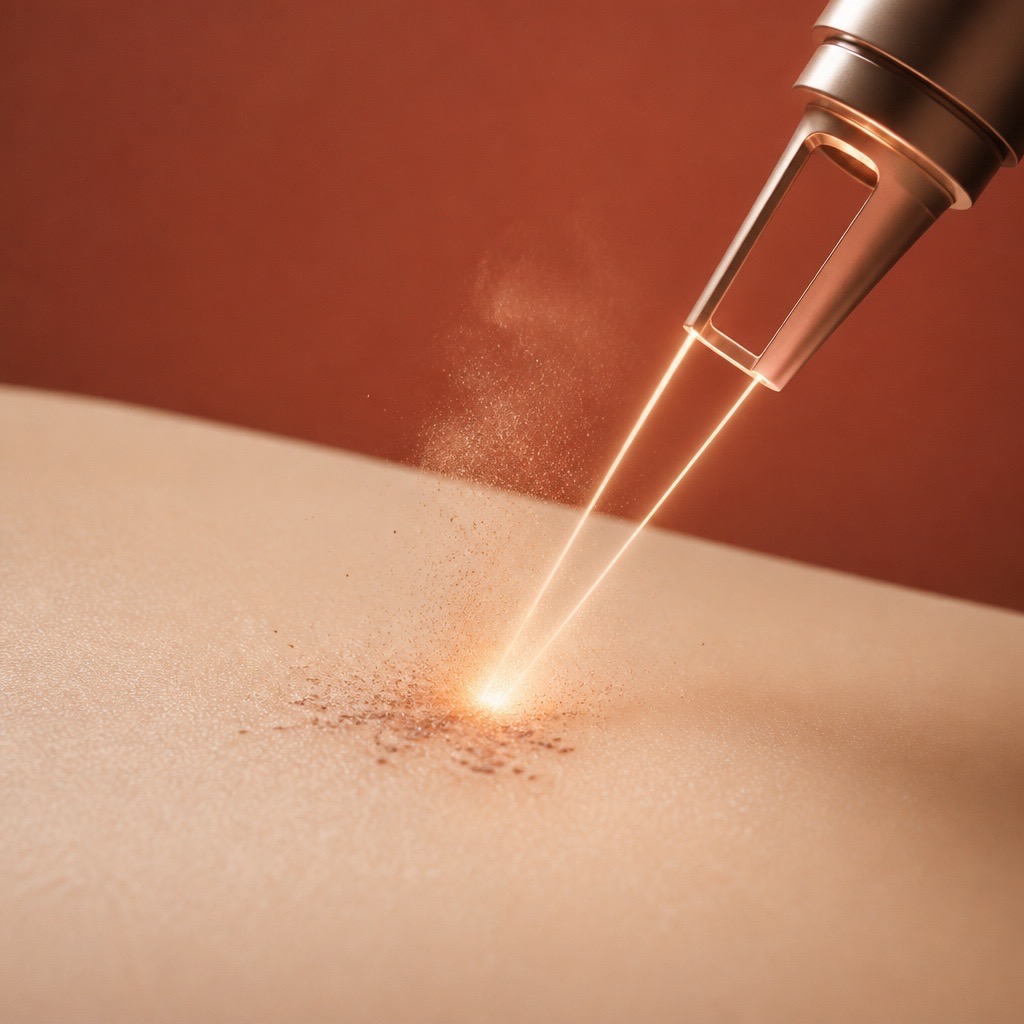
Korean laser skin treatment for pigment
For melasma, low-energy laser toning is the foundation. It is repeated gently over a course so pigment fades without provoking the skin. Pico toning uses even shorter pulses with less heat, and I alternate it with laser toning when the pigment type calls for it or progress plateaus. I explain that decision in detail in my pico toning article.
Discrete sun spots and freckles are a different story. There I use a Q-switched laser in a targeted way, and a single stay can often make a visible difference. If you are unsure which kind of pigment you have, my guide to laser toning in Korea walks through the common mix-ups.
Fractional options, and the question of "Fraxel laser in Korea"
Many visitors researching laser treatment in Korea search for Fraxel by name. "Fraxel" has become shorthand for fractional lasers in general, which create many microscopic treatment zones and let the surrounding skin rebuild. At REDI I use two approaches:
- Pico fraxel works beneath an intact surface using picosecond pulses, which reduces heat while stimulating the dermis. It suits pores and acne scars, especially when pigment and dullness are also present. More in my pico fraxel article.
- Ultra Clear is a cold-ablative laser that refines the surface itself, for texture, pores and mild scars, while limiting heat damage.
Patients often worry that lasers thin the skin. A poorly adjusted fractional laser can leave skin sensitive, that is true. But matching the intensity to the skin, handling aftercare properly and spacing sessions sensibly prevents that. The problem is the setting, not the laser.
Korean face laser treatment for redness
Redness is its own category. Flushing, visible vessels and red marks after acne respond to a vascular laser rather than a pigment laser. I use Vbeam Perfecta for this, and I explain how it fits with other redness care in my Vbeam laser guide.
How I choose, and what I will not do
In any Korean laser treatment I plan, I diagnose first and decide the laser second. The same device at the same energy can help one person and irritate another, so settings are adjusted for your skin sensitivity, the depth of the problem and your skin tone. For darker skin, Fitzpatrick IV to VI, I start lower and build up only as the skin allows, because inflammation can leave new pigment behind.
I also avoid stacking many lasers in one day just because you are only here briefly. With pigment especially, doing too much at once is one of the most common reasons results go backwards. Results vary by individual.
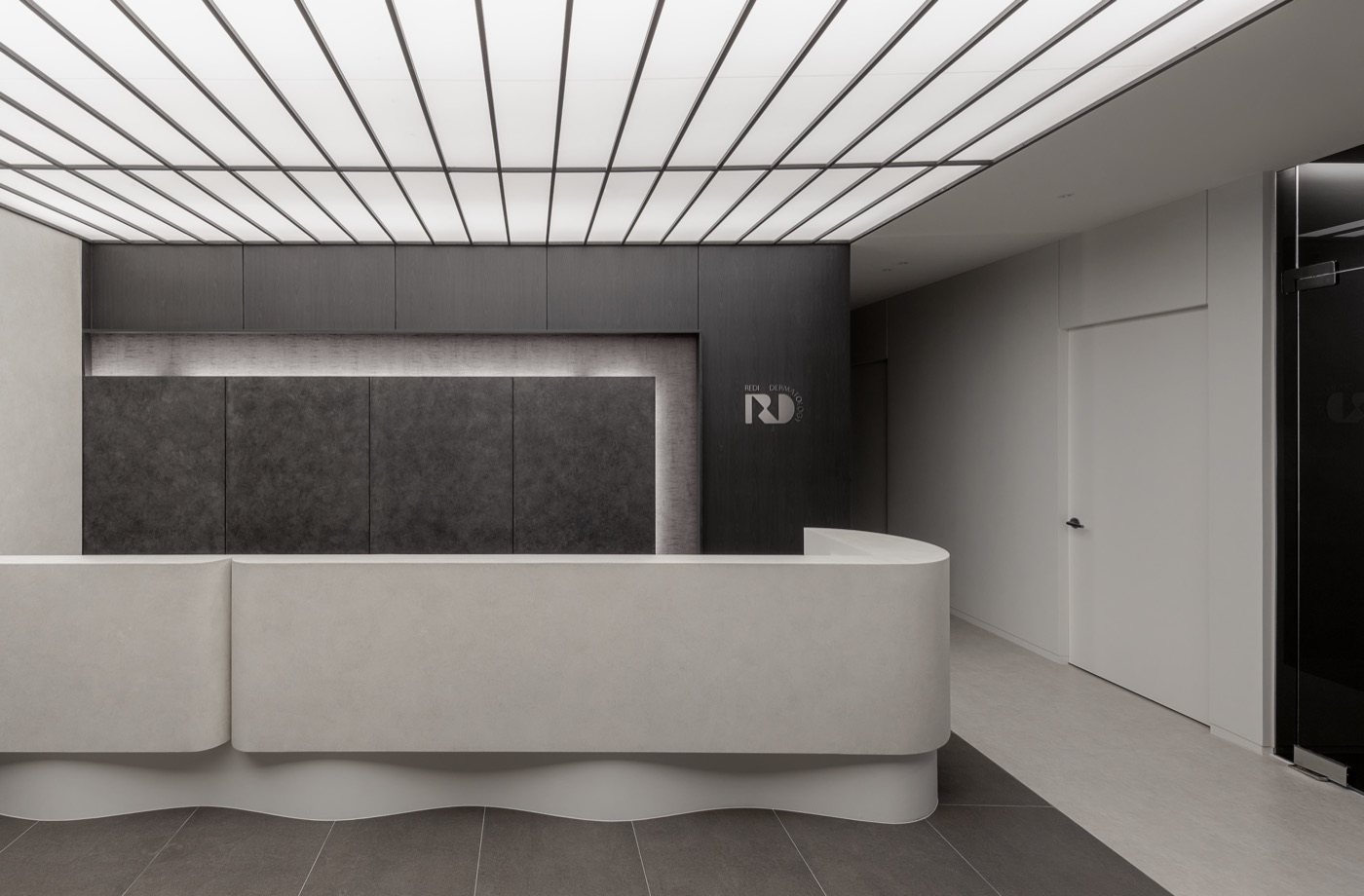
Planning Korean laser treatment around your flights
- Toning (laser or pico): little to none downtime; a session soon after landing and another before departure fits most stays.
- Targeted spot treatment: minimal downtime; treat early so small darkened marks can flake before you fly.
- Fractional lasers: one to three days of redness or mild swelling; schedule them in your first days, not the last.
- Vascular laser for redness: minimal downtime, with occasional mild redness or swelling.
Sunscreen afterwards is part of the treatment, especially on a sightseeing trip. English- and Chinese-speaking interpreters are on site, and I carry out the consultation and the treatment myself. Once you are home, we keep in touch online with photos. Laser care is elective and non-insured, and the plan and cost are explained at consultation.
Takeaways
- Korean laser treatment is not one laser: toning, Q-switched, fractional and vascular lasers each do a different job.
- Diagnosis and settings decide the outcome more than the brand of device.
- Well-adjusted lasers do not have to leave skin thin or sensitive.
- Match the laser's downtime to your itinerary, with fractional lasers early in the stay.
Related reading on this topic
- Density Skin Tightening Treatment Korea: What the RF Tip Does, Who It Suits, and How Long to Stay
- Elravie Korea: What Re2O Puts Back Into Your Skin, and Why the Delivery Method Matters
- Exosomes Korea: Why Seoul Dermatologists Don't Inject Them, and How They're Used Instead
- Korean Anti Aging, Layer by Layer: What a Seoul Dermatologist Actually Plans for Your Face
- Korean Dark Circle Treatment: Why the Type of Shadow Decides Everything
- Korean Dark Spot Treatment: Which Spots One Trip Can Clear, and Which Need a Course
- Korean Wrinkle Treatment: Why Seoul Dermatologists Treat Lines in Layers, Not With One Injection
- LDM Seoul: When I Book This Ultrasound Facial on a Trip, and When I Don't
- Lifting Laser Korea: Most Korean Lifts Aren't Lasers, and Why That Changes How You Plan a Trip
- Pico Laser Seoul: Toning or Fraxel? Know Which One You're Booking Before You Fly
- Radiesse Korea: Why It Isn't a Filler, Where It Works, and What Happens After the First Month
- Rejuran Korea: Why Technique Matters More Than the Vial, and What to Ask a Clinic in Seoul
- Sofwave Korea: Why Seoul Took to This Lift for Thin Faces, and Who Should Skip It
- Tune Face Korea: The Lift for Faces That Aren't Too Full or Too Thin
More from the clinic
Frequently asked
What is Korean laser treatment good for?
Different lasers do different jobs: toning lasers for melasma and dull tone, Q-switched lasers for discrete spots, fractional lasers for pores, texture and scars, and vascular lasers for redness. The right choice depends on a diagnosis of your skin, not on the most popular device.
Does laser treatment make skin thinner or more sensitive?
Poorly adjusted fractional lasers can leave skin sensitive for a while. With intensity matched to your skin, proper aftercare, sensible intervals and the right number of sessions, that is avoidable. Results vary by individual.
Is pico laser in Korea better than regular toning?
Not automatically. For most melasma, low-energy laser toning remains the foundation, and pico toning is a useful partner for certain pigment types or when progress stalls. I alternate them based on how your skin responds.
How many days do I need in Seoul for laser treatment?
Toning has little to none downtime. Helios IV and Vbeam Perfecta are minimal, typically one to two days. Fractional options such as pico fraxel and Ultra Clear usually mean one to three days of redness or mild swelling, so they belong early in your stay.
Can I combine several lasers in one trip to Korea?
Sometimes, but I prefer to start with the laser that addresses your main concern. Stacking too much on sensitive skin can backfire, especially with pigment.
Keep reading
More on this from Dr. Min Jeong.

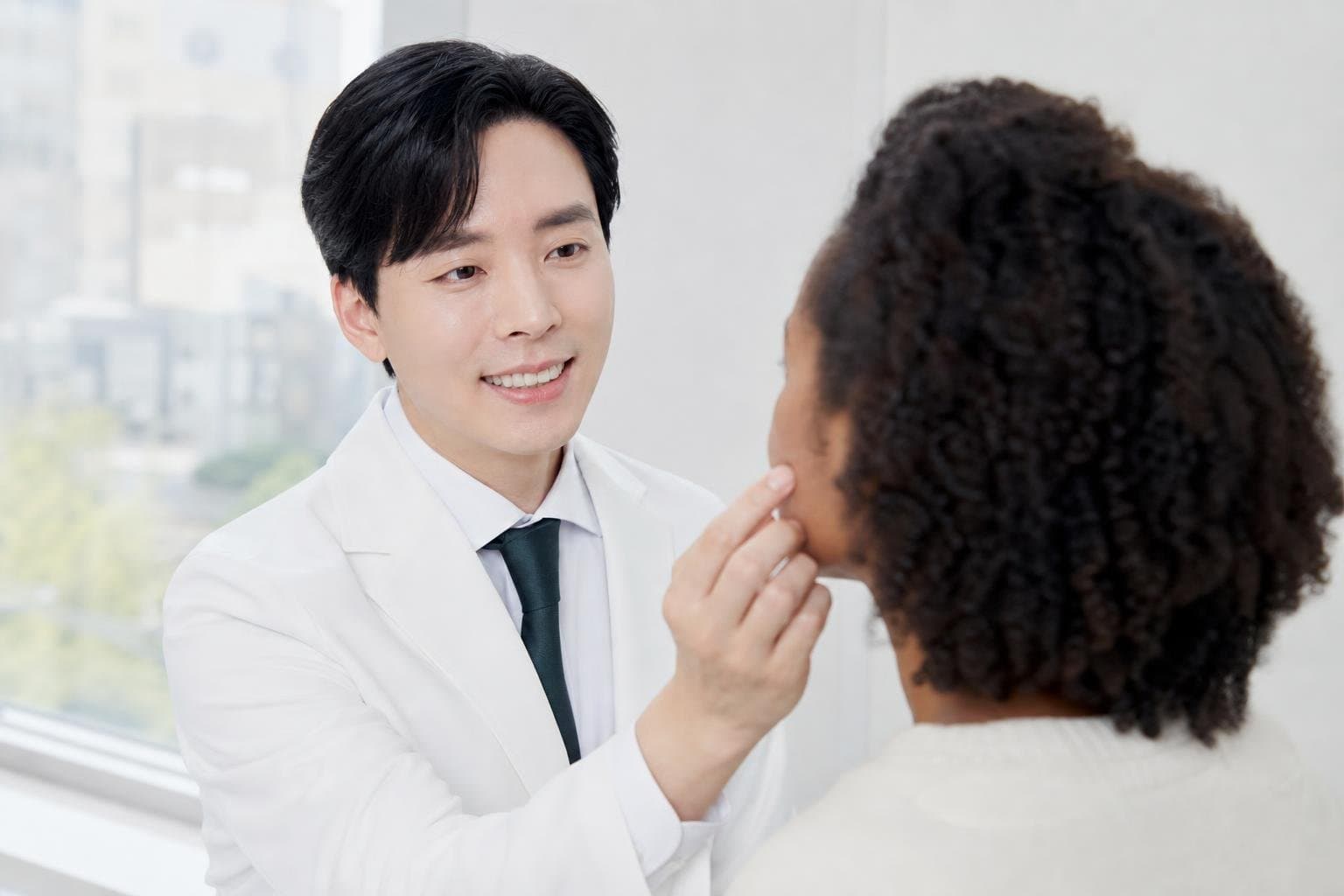

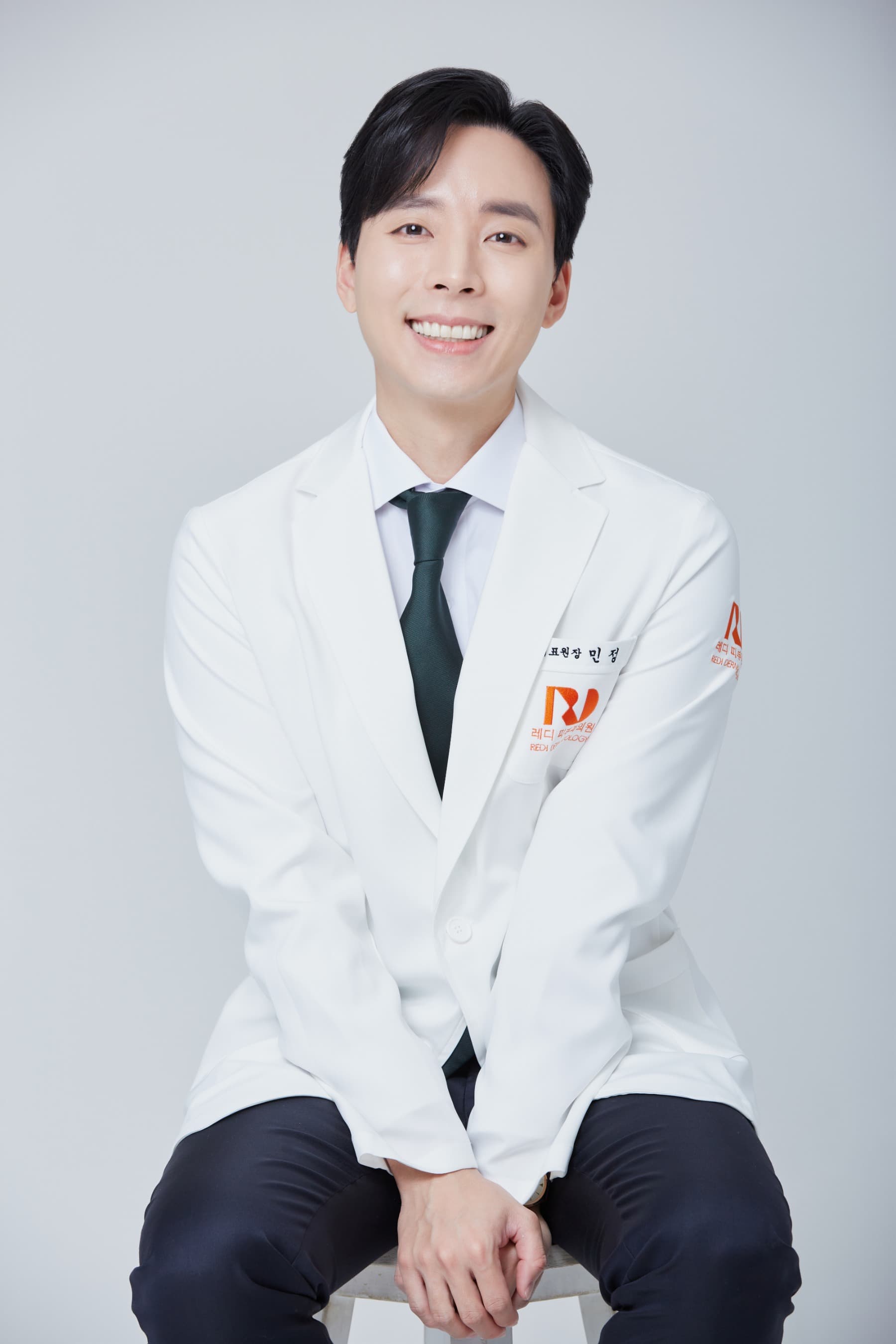
Dr. Min Jeong
Founding director, REDI Dermatology · Seoul
“A treatment isn't shopping. I'd rather diagnose first and recommend only what your skin genuinely needs — the same way I'd advise my own family.”
Board-certified dermatologist — trained at Kangbuk Samsung Hospital, and former Chief of Dermatology at the ROK Ministry of National Defense.
Juvelook Key Opinion Leader — 15,000+ vials administered, Korea's highest-volume clinic (Apr 2025). Key Opinion Leader titles are granted by device companies and carry no legal standing.
A regular speaker on clinical dermatology at Korean medical symposiums, including Juvelook clinical-experience panels.
Why international patients choose REDI
Interpreters in the room
English and Chinese, on site for your consultation and treatment.
Board-certified doctors only
Every procedure by a dermatology specialist — never unsupervised staff.
15,000+ Juvelook vials — No.1 in Korea
Hands-on volume most clinics have not reached.
Airport pickup arranged
So your first day in Seoul isn't spent lost with luggage.
Aftercare once you're home
Online follow-up, so a question next week still reaches your doctor.
Explore the treatment
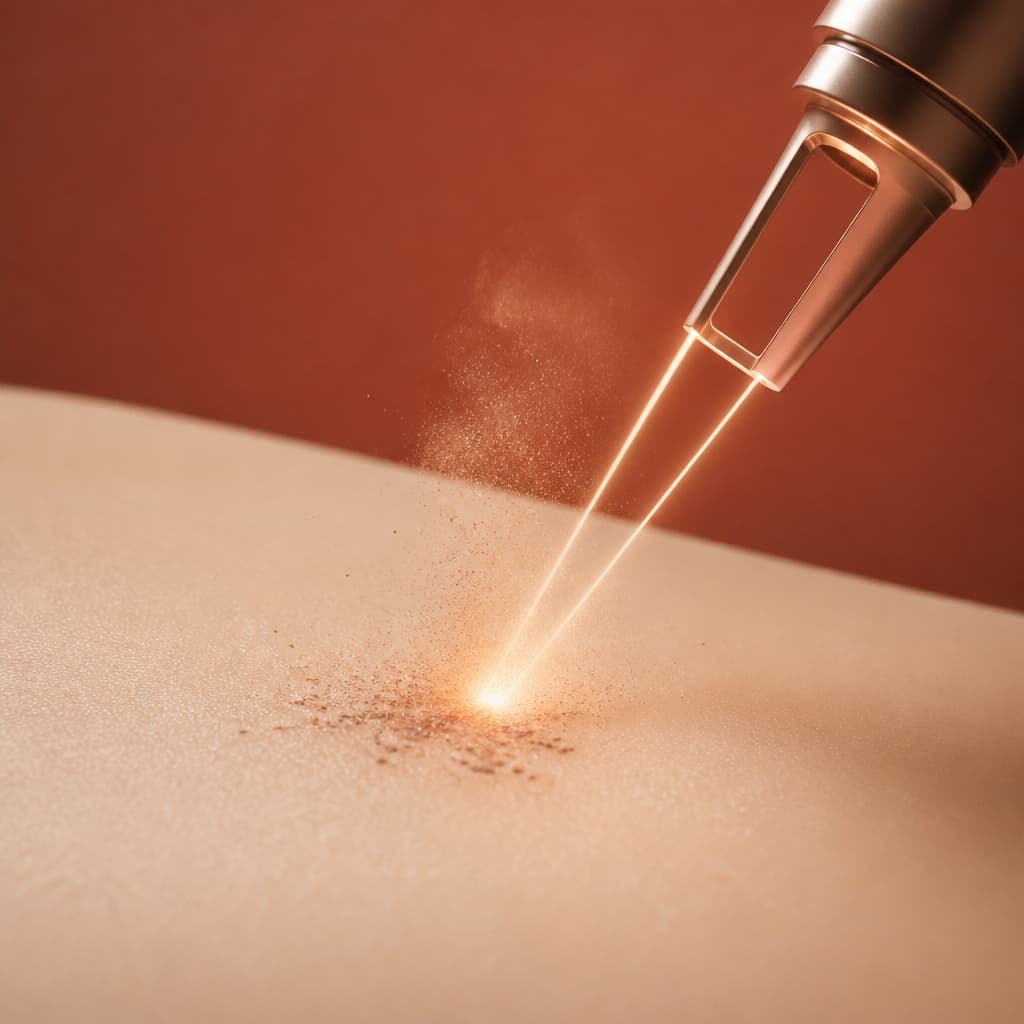
Laser Toning
A uniform laser beam minimizes damage to the epidermis while treating melasma, blemishes, and stubborn pigmentary conditions.
Pico Toning
By delivering high energy in picoseconds (one-trillionth of a second), it minimizes skin damage and clears pigmented lesions that were previously difficult to treat.
Helios IV
Using a 785 nm wavelength with high melanin absorption, it treats stubborn pigmentary conditions safely and quickly.
Fractional Picosecond Laser
Without damaging the skin's surface, it creates microscopic channels within the skin to stimulate surrounding collagen regeneration and soften acne scars. MLA and DOE technologies make pore and scar improvement even more effective.
Ultra Clear
Vbeam Perfecta
A device that uses 595 nm — the ideal wavelength for vascular treatment — to address a range of vascular conditions. It effectively treats acne, acne marks, facial redness, and scars.
Visit REDI Dermatology
4F & 5F, DM Tower Bldg. 2, 105 Bangbae-ro, Seocho-gu, Seoul, Korea
길찾기 (Get directions)Medically reviewed by Dr. Min Jeong · Last updated
This article is general information, not medical advice. Results vary by individual. These are elective, non-insured aesthetic treatments. Please consult a board-certified doctor about your own case.
Ask what your skin actually needs
Free online consultation