
Rejuran Korea: Why Technique Matters More Than the Vial, and What to Ask a Clinic in Seoul

Hello, I'm Dr. Min Jeong, founding director and board-certified dermatologist at REDI Dermatology in Seoul. Rejuran was one of the first treatments patients asked me for when I opened, so often that I had to reorder within the first week. Today many of those requests come from abroad, typed as "rejuran korea" into a search bar, and they usually hide a second question: "If I fly all that way, will it actually work better?" Please read to the end, because the answer depends far less on the product than on the hands and the plan behind it.
The short answer: the Rejuran Korean dermatologists inject is the same vial you would get anywhere else. What people are really looking for when they plan a Rejuran Korea trip is experienced technique: the right depth, the right amount, the right version for their skin, and honest guidance on whether they need it at all. That part is worth researching before you book.
If you want the basics first (what polynucleotides are, and how Healer and HB Plus differ), I cover them in my Rejuran treatment guide. This article is about the decisions that happen around the injection.
Three reasons a Rejuran injection disappoints
When patients tell me Rejuran "did nothing" for them, the cause is almost always one of these.
- It went into the wrong layer. Rejuran works in the dermis. With less experience it is easy to place it too deep or too shallow, and then there is simply no effect. A doctor who injects deeper to make it hurt less is making exactly this mistake.
- Product was lost. Many clinics use an injection device to reduce discomfort, which is sensible, but the device has to be set correctly. Poor settings let fluid leak onto the surface instead of into the skin.
- The expectation was wrong. Rejuran is not a filler and not an instant glow. It supports the skin's own recovery, so texture, fine lines, inner dryness, firmness and redness improve slowly, usually from around a month onwards. Because nothing changes overnight, people often miss it.
The first two are technique. The third is explanation. Both are the clinic's job.
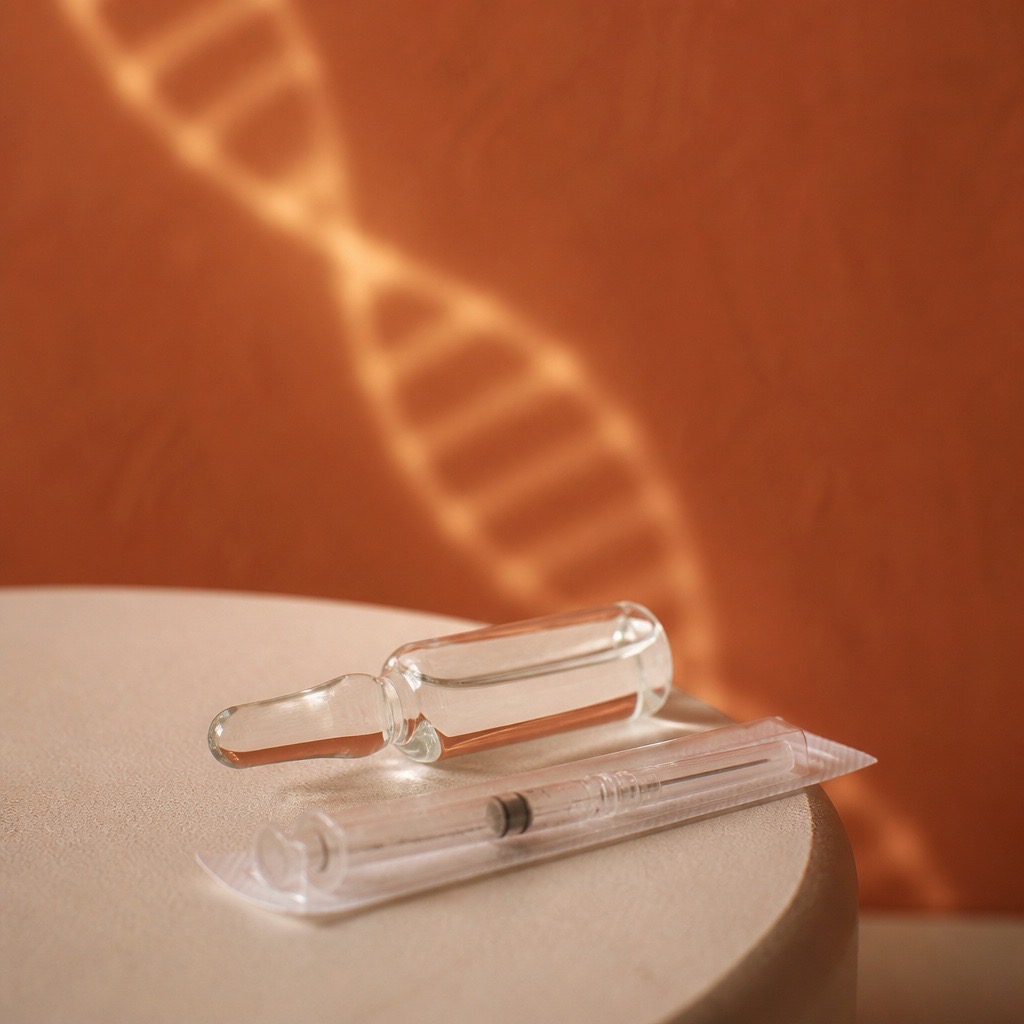
Rejuran Korea: who it suits, and who I redirect
In my experience, Rejuran divides opinion. People with a damaged skin barrier, sensitivity or redness often love it, and I also use it within redness care. People without those issues sometimes feel it stings a lot for a modest change.
For that second group, I often suggest an extracellular-matrix booster instead, such as Juveacell or Elavie Re2O, which are more comfortable and address texture, hydration and firmness. Recommending only what your skin needs is the point of an individual clinic, not the most expensive option.
Rejuran HB Plus in Seoul, or Healer?
Rejuran comes in two versions I use often. Rejuran HB Plus contains lidocaine, so the familiar sour sting as the fluid enters is reduced, and it includes hyaluronic acid, which gives a more visible glow sooner. Rejuran Healer suits people whose main goal is repairing stressed or sensitive skin. Neither is pain-free; both are tolerable, and I adjust the approach to how you cope with discomfort.
What to ask a Rejuran clinic in Seoul
Whichever clinic you choose, these questions tell you a lot within a few minutes:
- Who injects? At REDI I diagnose and inject myself, consultation through to the procedure. It is fair to ask whether that is the case elsewhere.
- Which version, and why? A clear answer about Healer or HB Plus for your skin shows they have looked at you, not a menu.
- How is it delivered? By hand, by device, or both, and how depth is controlled.
- What should I expect, and when? An honest clinic will say "gradually, from around a month", not "tomorrow".
- Would something else suit me better? A clinic willing to say "not Rejuran" is usually one worth trusting.
Rejuran Korea timing: fitting it around your flights
Downtime is minimal, typically one to two days. Right after treatment you will see small raised bumps where the fluid sits, sometimes called embossing, and occasionally a little bruising. These usually settle quickly, but on some people they take up to about a week to disappear completely. So:
- Treat early in the trip, ideally in your first few days rather than the afternoon before your flight.
- The first evening: no sauna, no heavy drinking, gentle cleansing and a plain moisturiser.
- Flying: usually fine once the bumps have flattened; cabin air is dry, so moisturise well.
- At home: watch for gradual change over the following weeks and send photos for online follow-up.
For a fuller aftercare list, see my skin booster aftercare guide. English- and Chinese-speaking interpreters are with us during consultation and treatment. This is elective, non-insured aesthetic care, and the plan and cost are explained at consultation.
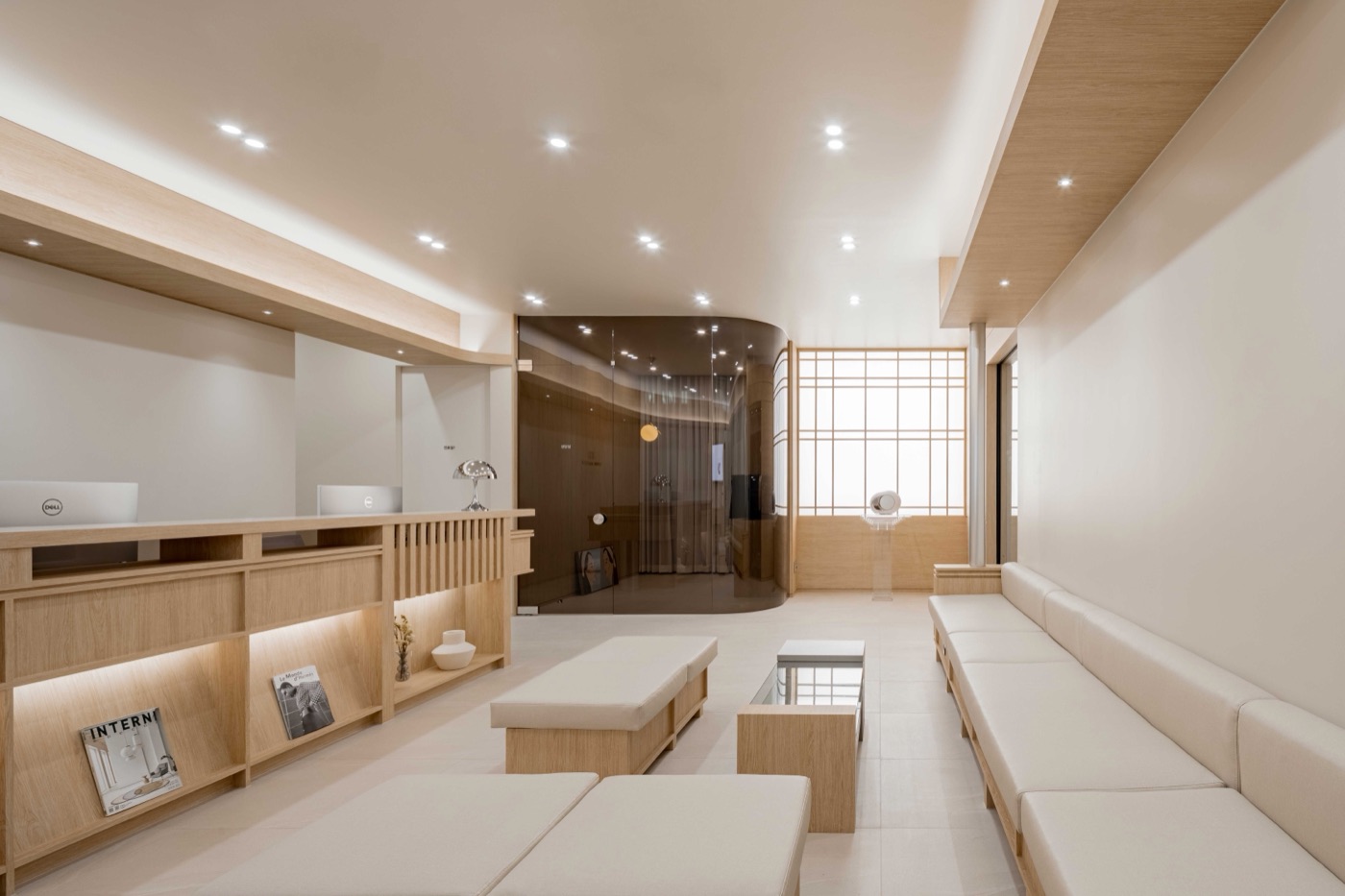
One visit or a series?
Rejuran works best as a short series, because the dermis rebuilds step by step. For visitors that can mean one session per trip, or one session here followed by maintenance closer to home. I will tell you honestly whether a single visit makes sense for your goal, or whether a different booster would give you more from one trip. Results vary by individual.
Takeaways
- A Rejuran Korea trip is only as good as the technique: correct dermal depth and no lost product.
- It suits stressed, sensitive and barrier-damaged skin particularly well; others may do better with a different booster.
- Rejuran HB Plus adds lidocaine and hyaluronic acid; Rejuran Healer focuses on repair.
- Downtime is minimal, but treat early in your stay so bumps can settle before you fly.
Related reading on this topic
- Density Skin Tightening Treatment Korea: What the RF Tip Does, Who It Suits, and How Long to Stay
- Elravie Korea: What Re2O Puts Back Into Your Skin, and Why the Delivery Method Matters
- Exosomes Korea: Why Seoul Dermatologists Don't Inject Them, and How They're Used Instead
- Korean Anti Aging, Layer by Layer: What a Seoul Dermatologist Actually Plans for Your Face
- Korean Dark Circle Treatment: Why the Type of Shadow Decides Everything
- Korean Dark Spot Treatment: Which Spots One Trip Can Clear, and Which Need a Course
- Korean Laser Treatment: A Dermatologist's Map of Which Laser Does What, and How Long Each Keeps You in Seoul
- Korean Wrinkle Treatment: Why Seoul Dermatologists Treat Lines in Layers, Not With One Injection
- LDM Seoul: When I Book This Ultrasound Facial on a Trip, and When I Don't
- Lifting Laser Korea: Most Korean Lifts Aren't Lasers, and Why That Changes How You Plan a Trip
- Pico Laser Seoul: Toning or Fraxel? Know Which One You're Booking Before You Fly
- Radiesse Korea: Why It Isn't a Filler, Where It Works, and What Happens After the First Month
- Sofwave Korea: Why Seoul Took to This Lift for Thin Faces, and Who Should Skip It
- Tune Face Korea: The Lift for Faces That Aren't Too Full or Too Thin
More from the clinic
Frequently asked
Why do people travel to Korea for Rejuran?
Rejuran is widely used in Korean dermatology, so many clinics here have long experience placing it. What really decides the result, though, is the injector's technique: placing it at the right depth in the dermis without losing product. That is worth more than the country on the label.
Rejuran Healer or Rejuran HB Plus in Seoul, which should I choose?
Rejuran HB Plus contains lidocaine, so it is more comfortable for people sensitive to pain, and it adds hyaluronic acid for more visible glow. Rejuran Healer suits people focused on repairing stressed or sensitive skin. I decide between them after examining your skin.
How soon will I see results from a Rejuran injection in Korea?
Gradually. The change usually starts to show from around a month after treatment and builds slowly, which is why some people feel nothing happened. Results vary by individual.
Can I fly home after Rejuran treatment in Korea?
Usually yes. Downtime is minimal, typically one to two days of small raised bumps or marks, though occasionally bumps or bruising take up to about a week to fade. I suggest treating early in your stay.
Is Rejuran right for everyone?
No. It is especially helpful for stressed, sensitive or barrier-damaged skin. For people without those issues, I often suggest a different skin booster that is more comfortable and better matched to their goal.
Keep reading
More on this from Dr. Min Jeong.


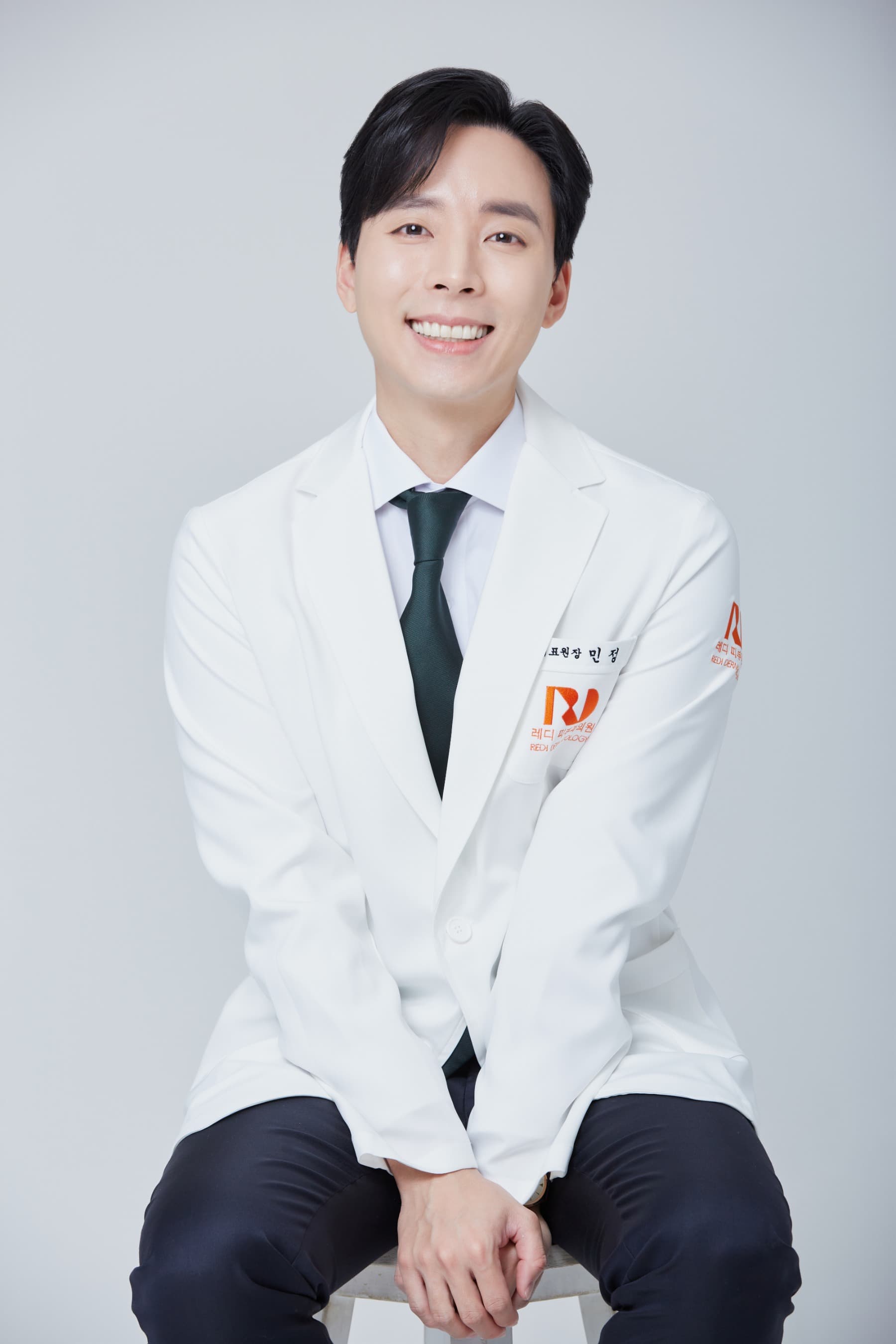
Dr. Min Jeong
Founding director, REDI Dermatology · Seoul
“A treatment isn't shopping. I'd rather diagnose first and recommend only what your skin genuinely needs — the same way I'd advise my own family.”
Board-certified dermatologist — trained at Kangbuk Samsung Hospital, and former Chief of Dermatology at the ROK Ministry of National Defense.
Juvelook Key Opinion Leader — 15,000+ vials administered, Korea's highest-volume clinic (Apr 2025). Key Opinion Leader titles are granted by device companies and carry no legal standing.
A regular speaker on clinical dermatology at Korean medical symposiums, including Juvelook clinical-experience panels.
Why international patients choose REDI
Interpreters in the room
English and Chinese, on site for your consultation and treatment.
Board-certified doctors only
Every procedure by a dermatology specialist — never unsupervised staff.
15,000+ Juvelook vials — No.1 in Korea
Hands-on volume most clinics have not reached.
Airport pickup arranged
So your first day in Seoul isn't spent lost with luggage.
Aftercare once you're home
Online follow-up, so a question next week still reaches your doctor.
Explore the treatment
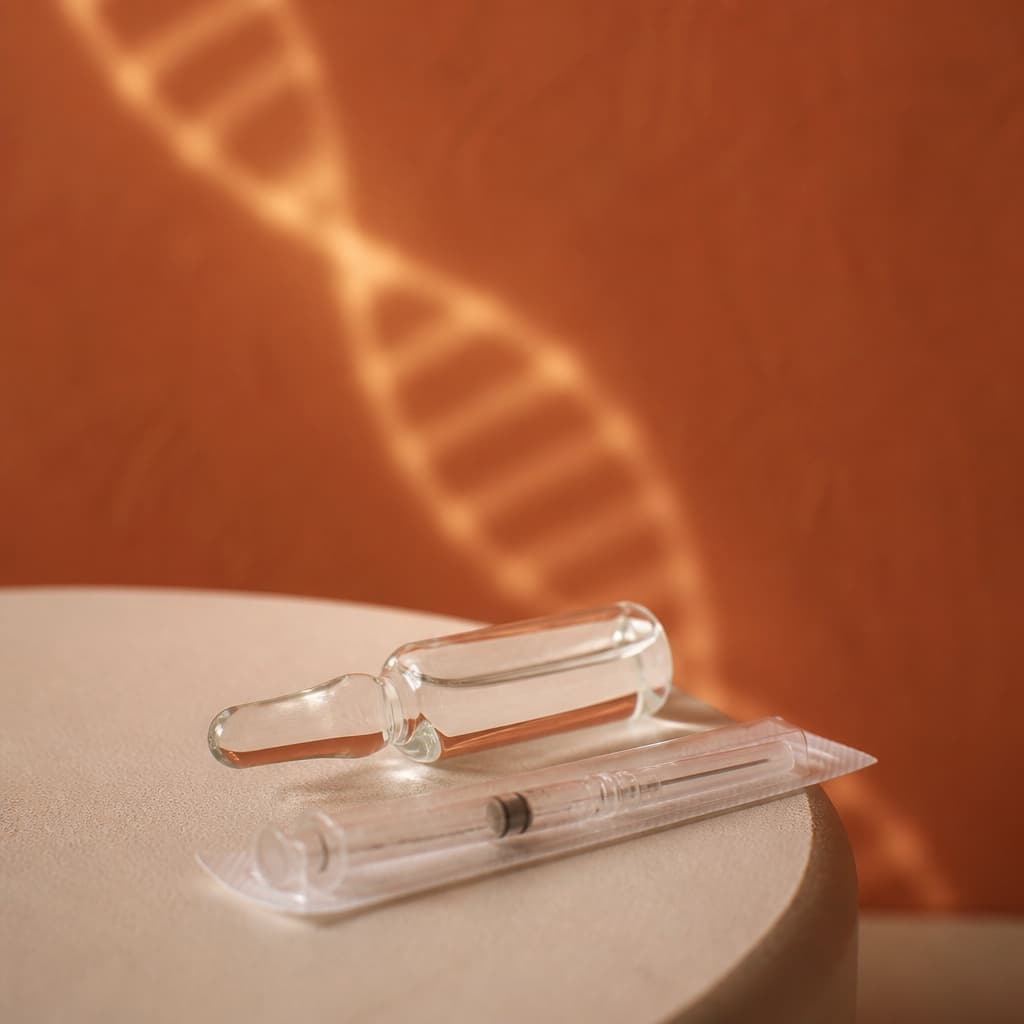
Rejuran Healer & Rejuran HB Plus
Rejuran Healer, a tissue-regenerating substance derived from salmon, is injected to effectively renew damaged skin. If you're sensitive to pain, Rejuran HB Plus — which contains lidocaine — offers a more comfortable treatment.
Rejuran
Rejuran Healer, a tissue-regenerating substance derived from salmon, is injected to effectively renew damaged skin. If you're sensitive to pain, Rejuran HB Plus — which contains lidocaine — offers a more comfortable treatment.
Juveacell
Directly restores the extracellular matrix (ECM) within the skin that has broken down with age. It prompts the skin to produce its own collagen and elastin, effectively repairing damaged skin.
Elavie Re2O
A highly concentrated regenerative treatment that directly replenishes the extracellular matrix (ECM) — the foundation of skin structure — to restore firmness, refine pores, and repair damaged skin.
Visit REDI Dermatology
4F & 5F, DM Tower Bldg. 2, 105 Bangbae-ro, Seocho-gu, Seoul, Korea
길찾기 (Get directions)Medically reviewed by Dr. Min Jeong · Last updated
This article is general information, not medical advice. Results vary by individual. These are elective, non-insured aesthetic treatments. Please consult a board-certified doctor about your own case.
Ask what your skin actually needs
Free online consultation